
Top wiper blade materials for durability and performance
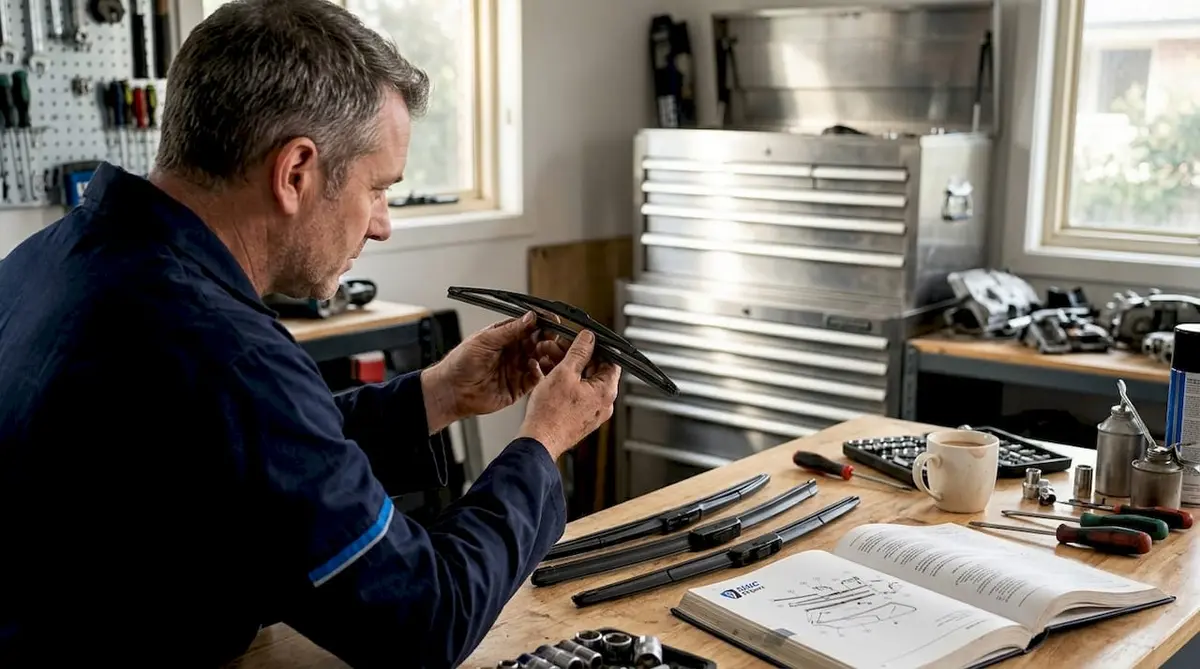
Choosing wiper blades that perform consistently across Australia’s diverse climates—from scorching summers to torrential downpours—can feel overwhelming. The secret lies in understanding the materials that power these essential components. Different materials offer varying levels of durability, visibility, and resistance to environmental stressors. This article examines the top wiper blade materials, revealing how friction coefficients, flexibility, and weather resistance influence real-world performance. Whether you’re maintaining a single vehicle or managing a fleet, knowing which materials deliver optimal results helps you make informed purchasing decisions that enhance safety and reduce long-term costs.
Table of Contents
- Key takeaways
- How to evaluate wiper blade materials
- Top wiper blade materials explained
- Comparing wiper blade materials: performance and durability
- Choosing the best wiper blade material for your car or fleet
- Find premium wiper blades tailored to your vehicle
- FAQs about wiper blade materials
Key Takeaways
| Point | Details |
|---|---|
| Material durability drivers | Durability hinges on the quality of the blade material and how well it resists wear from friction over time. |
| Common blade materials | Natural rubber, EPDM, silicone, and hybrid blends each offer different levels of flexibility, wear resistance, and cost. |
| Climate suited choices | Silicone performs best in extreme temperatures while EPDM provides balanced durability across Australia’s seasons. |
| Improve visibility | Choosing the right material enhances visibility and can extend blade life reducing replacement frequency. |
| Balance performance factors | Materials must balance durability with flexibility to minimise vibration, noise and streaking while preserving wiping stability. |
How to evaluate wiper blade materials
Understanding the science behind wiper blade performance starts with recognising how materials interact with your windscreen. The friction coefficient determines blade endurance under repeated stress, whilst rubber lip contact pressure and attack angle directly affect wiping stability in wet conditions. Materials that balance durability with flexibility deliver consistent performance without excessive noise or vibration.
Environmental exposure presents the biggest challenge to wiper blade longevity. Heat degrades natural rubber rapidly, whilst UV radiation breaks down molecular bonds in lower-quality compounds. Moisture accelerates wear through oxidation and microbial growth. The most effective materials resist these factors simultaneously, maintaining their structural integrity across seasons. Advanced wiper blade technology now incorporates compounds specifically engineered to withstand Australia’s harsh conditions.
Evaluating materials requires examining several critical properties:
- Tensile strength indicating resistance to tearing and splitting
- Elastic recovery showing how well blades return to original shape after flexing
- Thermal stability determining performance range across temperature extremes
- Hydrophobic characteristics affecting water repellency and streak formation
Pro tip: Inspect blades for even pressure distribution across the entire lip by running your finger along the rubber edge—uneven wear patterns signal poor material quality or incorrect installation.
The relationship between material composition and performance isn’t always intuitive. Softer compounds might seem ideal for conforming to windscreen curvature, yet they wear faster under friction. Harder materials last longer but can chatter or skip across glass. The best materials achieve equilibrium between these competing demands.
“Material properties directly influence vibration characteristics and wiping stability, particularly critical in wet conditions where hydroplaning and contact pressure variations challenge blade performance.”
Modern testing protocols assess materials under accelerated ageing conditions that simulate years of Australian weather exposure. These tests reveal how compounds respond to temperature cycling, UV bombardment, and continuous flexing. Materials that maintain flexibility and edge sharpness throughout these trials demonstrate superior real-world durability.
Top wiper blade materials explained
Natural rubber dominated the wiper blade industry for decades due to its excellent flexibility and low cost. This traditional material conforms well to windscreen curvature and provides smooth, quiet operation when new. However, natural rubber degrades rapidly under Australia’s intense UV exposure and high temperatures. Oxidation causes hardening and cracking within months, particularly in northern regions where summer heat exceeds 40°C regularly. The material also attracts dust and grime, requiring frequent cleaning to maintain performance.
EPDM (ethylene propylene diene monomer) synthetic rubber revolutionised wiper blade durability when introduced in quality products. This engineered compound resists UV degradation and ozone exposure far better than natural rubber whilst maintaining excellent flexibility across temperature ranges. EPDM blades typically last 12 to 18 months in Australian conditions, making them the standard choice for Suzuki Alto wiper blades and similar everyday vehicles. The material’s balanced performance and moderate price point appeal to drivers seeking reliable, long-term value.
Silicone represents the premium tier of wiper blade materials, offering exceptional longevity and performance characteristics. Its molecular structure provides superior flexibility even in extreme cold whilst resisting degradation in intense heat. Silicone’s natural water-repellent properties create a hydrophobic effect that causes water to bead and roll off windscreens, improving visibility during heavy rain. This material commonly lasts 24 months or longer, making it increasingly popular for Nissan Leaf wiper options and other modern vehicles where owners prioritise performance.
Hybrid blades combine multiple materials to optimise specific performance aspects. Manufacturers might use silicone for the wiping edge whilst employing EPDM for structural components, balancing cost with enhanced durability. These designs target drivers wanting premium performance without full silicone pricing. Suzuki Swift wiper blades often feature hybrid construction to meet the model’s sporty performance expectations.
Key material comparisons include:
- Natural rubber offers lowest initial cost but requires replacement every 6 to 9 months in harsh conditions
- EPDM provides excellent weather resistance and maintains flexibility across Australia’s temperature range
- Silicone delivers premium longevity with superior water repellency and reduced friction
- Hybrid designs optimise performance characteristics whilst managing cost considerations
The material properties affect vibration and stability, particularly during wet-weather operation when maintaining consistent windscreen contact becomes challenging. Premium materials maintain their edge geometry and flexibility throughout their service life, ensuring reliable performance regardless of conditions.
Comparing wiper blade materials: performance and durability
Direct comparison reveals how different materials perform across metrics that matter most to Australian drivers. The following table rates each material type on key performance factors:
| Material | Durability rating | Noise level | Wiping clarity | Weather resistance | Typical lifespan | Cost category |
|---|---|---|---|---|---|---|
| Natural rubber | Fair | Low when new | Good initially | Poor in heat/UV | 6-9 months | Budget |
| EPDM synthetic | Very good | Low to moderate | Excellent | Very good | 12-18 months | Moderate |
| Silicone | Excellent | Very low | Outstanding | Excellent | 24+ months | Premium |
| Hybrid blend | Good to very good | Low | Very good | Good to excellent | 15-20 months | Moderate to premium |
Silicone’s superior performance stems from its molecular structure, which resists thermal degradation and maintains elasticity across temperature extremes from below freezing to above 50°C. The material’s inherent water repellency reduces friction during operation, extending both blade life and windscreen coating longevity. For Australian conditions where intense summer sun alternates with winter storms, silicone’s consistent performance justifies its higher initial investment.

EPDM strikes an optimal balance for most drivers, delivering excellent all-weather durability at moderate cost. The synthetic rubber maintains flexibility in cold conditions whilst resisting the hardening that plagues natural rubber in heat. EPDM blades perform reliably in both coastal humidity and inland aridity, making them versatile across Australia’s diverse climate zones. Honda Civic Type R wiper blades frequently specify EPDM for its performance consistency.
Natural rubber’s declining popularity reflects its poor durability in modern driving conditions. Whilst offering smooth, quiet operation initially, the material’s rapid degradation creates false economy. Frequent replacements increase total ownership costs and create inconvenience. Only budget-conscious buyers in mild climates should consider natural rubber, and even then, EPDM’s modest price premium delivers substantially better value.
Pro tip: For fleet operators managing multiple vehicles, investing in silicone blades reduces replacement frequency by 60% compared to natural rubber, significantly lowering maintenance costs and minimising vehicle downtime for blade changes.
The rubber lip contact pressure and attack angle influence vibration, affecting how materials perform under real-world stress. Premium materials maintain optimal contact geometry throughout their service life, whilst inferior compounds lose edge definition, causing streaking and chattering. This geometric stability proves particularly critical during highway driving where aerodynamic forces challenge blade contact.
Hybrid designs attempt to capture silicone’s benefits whilst managing costs through strategic material placement. By using premium compounds only where they provide maximum benefit, these blades offer improved performance over standard EPDM at lower cost than full silicone construction. However, the performance gap between hybrids and pure silicone narrows as silicone manufacturing costs decrease.
Choosing the best wiper blade material for your car or fleet
Your location and driving patterns should guide material selection. Australia’s climate diversity means optimal choices vary significantly between regions. Hot, dry areas like central Queensland and inland Western Australia demand materials that resist UV degradation and thermal hardening. Silicone excels in these conditions, maintaining flexibility and wiping effectiveness despite relentless sun exposure. The material’s longevity offsets its higher initial cost through extended replacement intervals.
Moderate coastal climates from Sydney to Melbourne benefit from EPDM’s balanced performance profile. These regions experience temperature variation without extreme heat, conditions where EPDM delivers excellent durability at competitive pricing. The synthetic rubber handles occasional temperature spikes whilst resisting the salt spray and humidity that accelerate natural rubber degradation. Suzuki Vitara wiper blades typically specify EPDM for this versatile performance.
Heavy rainfall zones including tropical Queensland and Tasmania’s west coast prioritise materials that maintain clarity during downpours. Silicone’s water-repellent properties reduce the work blades must perform, as water sheets off more readily. This characteristic improves visibility whilst reducing wear from friction. The material’s noise reduction becomes particularly noticeable during extended wet-weather driving when inferior blades chatter or judder.
Fleet operators face unique considerations where total cost of ownership outweighs initial purchase price. Silicone’s extended lifespan reduces replacement frequency, lowering labour costs and minimising vehicle downtime. For fleets operating across multiple climate zones, silicone’s consistent performance eliminates the need for region-specific blade specifications. Holden Trailblaze wiper options demonstrate how commercial vehicles benefit from premium materials.
Follow this selection framework:
- Assess your primary climate conditions, identifying whether heat, cold, rain, or UV exposure dominates
- Calculate annual replacement costs for each material type based on typical lifespan in your conditions
- Consider your vehicle usage patterns, with high-kilometre drivers benefiting more from premium materials
- Evaluate your maintenance preferences, whether you prefer frequent budget replacements or extended premium performance
- Factor in safety priorities, recognising that superior visibility during critical moments justifies premium investment
Budget constraints shouldn’t force compromises on safety-critical components. EPDM provides excellent performance at accessible pricing, making it the minimum recommended material for Australian conditions. Natural rubber’s short lifespan and poor heat resistance create false economy, ultimately costing more through frequent replacements whilst compromising visibility during its accelerated degradation.
Find premium wiper blades tailored to your vehicle
GWC Wipers specialises in premium wiper blades engineered specifically for Australian weather conditions, offering products in top-performing materials including silicone and EPDM. Our range covers popular Australian vehicles with exact-fit guarantees, ensuring optimal performance from installation through the blade’s entire service life. Every product undergoes rigorous testing that simulates years of exposure to heat, UV radiation, and varied weather conditions.
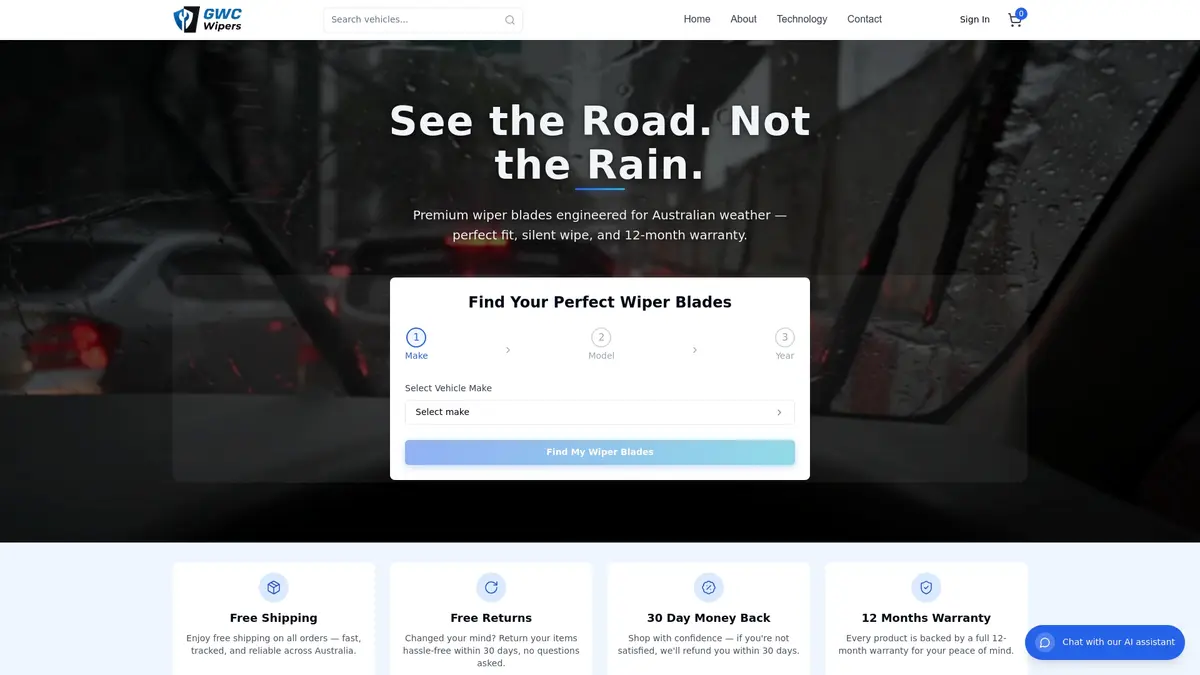
Our vehicle selector tool matches your car’s make, model, and year to the perfect blade specifications, eliminating guesswork from the purchasing process. Whether you’re seeking Suzuki Vitara wiper blades, Honda Civic Type R wiper blades, or Suzuki Alto wiper blades, our platform delivers precise recommendations backed by manufacturer specifications and real-world testing data.
Key benefits include:
- Perfect-fit guarantee ensuring optimal windscreen contact and performance
- Premium materials delivering extended lifespan and consistent visibility
- Free shipping across Australia with fast dispatch from local warehouses
- 30-day money-back guarantee and 12-month warranty protecting your investment
- Expert support team available to answer technical questions and installation queries
Our commitment to quality means every blade meets strict performance standards before reaching customers. We understand that clear visibility isn’t optional—it’s essential for safe driving across Australia’s diverse and challenging conditions.
FAQs about wiper blade materials
How often should I replace wiper blades based on material?
Natural rubber blades require replacement every 6 to 9 months in Australian conditions due to rapid UV and heat degradation. EPDM synthetic rubber typically lasts 12 to 18 months with consistent performance. Premium silicone blades often exceed 24 months before requiring replacement, making them the most cost-effective long-term choice despite higher initial investment.
Are silicone wiper blades better for Australian summers?
Silicone significantly outperforms other materials in Australian summer conditions, resisting thermal degradation and UV damage that rapidly destroy natural rubber. The material maintains flexibility and wiping effectiveness even when surface temperatures exceed 60°C. Silicone’s water-repellent properties also improve visibility during summer storms, making it the optimal choice for harsh Australian climates.
Can mixing material types affect performance?
Using different materials on driver and passenger sides creates no performance issues, though it complicates replacement scheduling as materials wear at different rates. However, never mix blade types (conventional, beam, hybrid frames) on the same vehicle, as this creates uneven pressure distribution and aerodynamic imbalance. Stick with consistent materials and designs across both positions for optimal results.
What maintenance prolongs wiper blade life?
Regular cleaning removes accumulated grime that accelerates wear, particularly important for natural rubber which attracts contaminants. Wipe blades monthly with a damp cloth and mild detergent, avoiding harsh chemicals that degrade rubber compounds. Lift blades away from windscreens during extended parking in intense sun to prevent thermal bonding. Replace blades at first signs of streaking or chattering rather than waiting for complete failure.
Why do some blades make noise after installation?
Chattering or squeaking typically indicates incorrect installation angle, contaminated windscreen, or poor-quality materials with inconsistent edge geometry. Clean your windscreen thoroughly with glass cleaner before installing new blades, ensuring no wax or coating residue remains. Quality materials like EPDM and silicone maintain proper edge geometry throughout their lifespan, whilst inferior compounds lose shape rapidly, causing noise and poor wiping performance.