
Troubleshooting windshield wiper issues: 2026 guide for Aussies
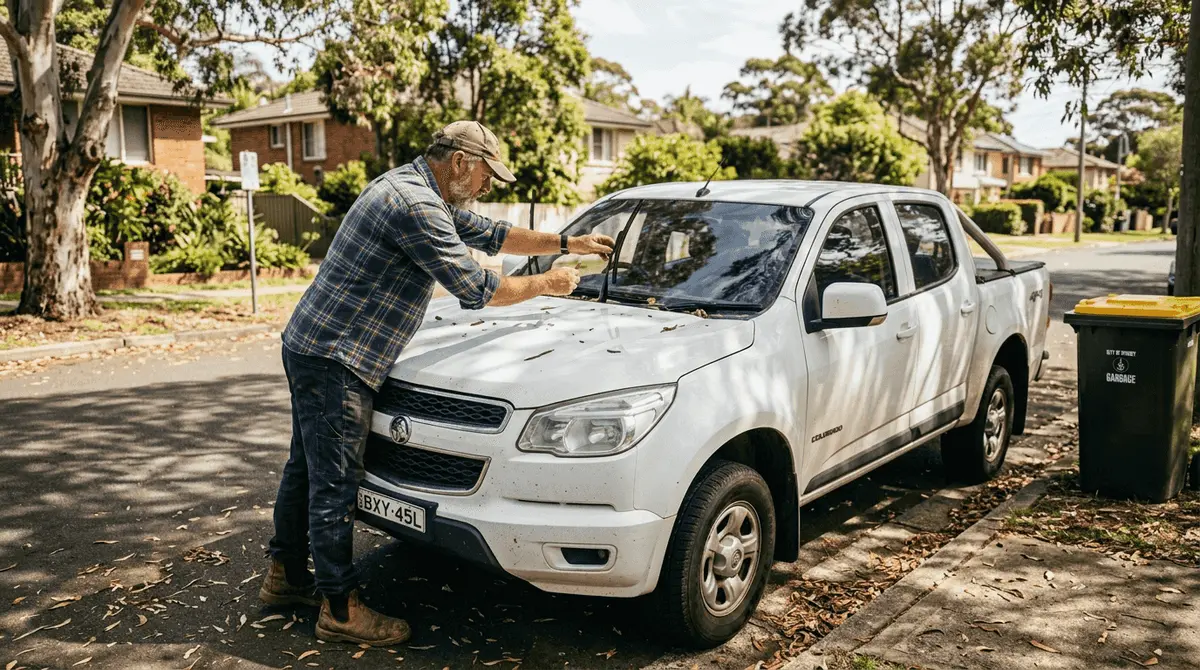
Windshield wipers failing during a sudden downpour is more than frustrating, it’s dangerous. Australian drivers face unique challenges with intense UV exposure degrading rubber blades and dust buildup affecting performance. This guide walks you through identifying common wiper problems, gathering the right tools, executing step-by-step troubleshooting, and selecting replacement blades engineered for Australia’s harsh climate. Whether your blades streak, stutter, or won’t move at all, you’ll learn practical fixes that restore visibility and safety without unnecessary repairs.
Table of Contents
- Common Windshield Wiper Problems And How To Identify Them
- Preparing To Troubleshoot Your Windshield Wipers: Tools And Checks
- Step-By-Step Windshield Wiper Troubleshooting And Fixes
- Choosing And Installing Quality Replacement Wiper Blades For Australian Conditions
- Find Quality Windshield Wiper Blades At GWC Wipers
Key takeaways
| Point | Details |
|---|---|
| Identify root causes first | Diagnosing whether issues stem from electrical faults, worn blades, or mechanical problems saves time and money on repairs. |
| Clean before replacing | Most streaking and chattering resolves with thorough blade and windshield cleaning using alcohol wipes or glass cleaner. |
| Check fuses and relays early | Testing electrical components prevents expensive motor replacements when a simple fuse or relay swap fixes the problem. |
| Choose climate-appropriate blades | Silicone beam blades withstand Australian UV and dust better than traditional rubber, lasting longer in extreme conditions. |
| Replace seasonally | Australian heat and UV exposure degrade blades faster, requiring replacement every 6-12 months for optimal safety. |
Common windshield wiper problems and how to identify them
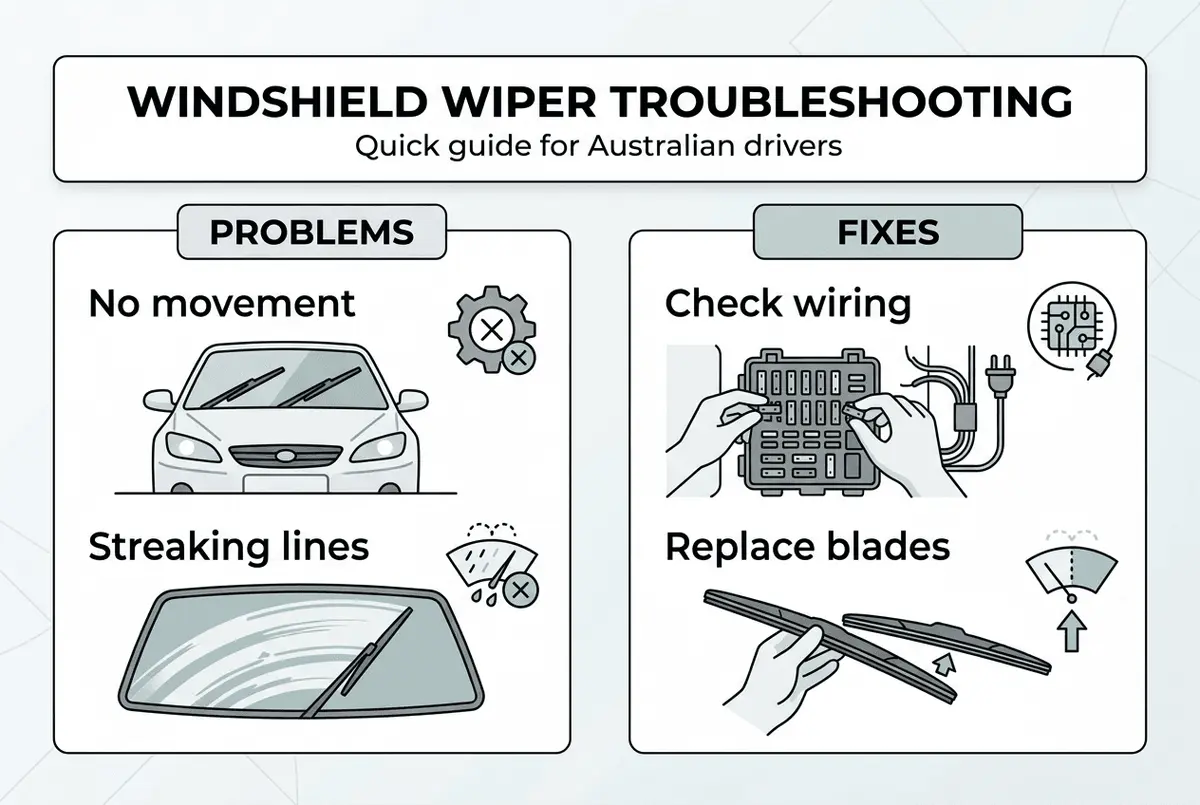
Recognizing specific symptoms helps you troubleshoot efficiently. Common windshield wiper issues include blades not moving, no washer fluid, streaking, water beading, and loose arms, each pointing to different underlying causes.
Blades that don’t move at all typically indicate electrical problems. You might hear no motor sound when activating the switch, suggesting a blown fuse, faulty relay, or dead motor. Sometimes the motor hums but blades stay stationary, pointing to stripped gears or disconnected linkage.
Washer fluid not spraying despite a full reservoir usually means clogged nozzles or a failed pump. Check nozzles for debris buildup, especially after driving on dusty roads. If fluid doesn’t spray from either nozzle, the pump itself may need replacement.
Streaking and chattering happen when blades can’t maintain clean contact with glass. Worn rubber edges leave lines of water, while hardened blades skip across the windshield making annoying noises. This often results from UV damage common in Australian climates.
Water beading occurs when residue coats either the blades or windshield. Wax, oil, and road grime prevent proper water removal. You’ll notice droplets forming instead of smooth wiping action.
Loose wiper arms create inconsistent pressure against the windshield. The pivot nut connecting the arm to the motor shaft works loose over time, causing blades to lift at highway speeds or miss sections of glass entirely.
Pro Tip: Test wipers at different speeds to pinpoint intermittent problems that only appear at specific settings, often indicating relay issues rather than blade wear.
Investing in premium wiper blades designed for Australian conditions prevents many of these problems from developing in the first place.
Preparing to troubleshoot your windshield wipers: tools and checks
Gathering the right tools and performing preliminary checks streamlines the troubleshooting process. You’ll need glass cleaner, alcohol wipes for blade cleaning, a multimeter for electrical testing, screwdrivers for mechanical adjustments, and replacement fuses or blades as needed.
Start with visual inspection before diving into complex diagnostics. Examine blade rubber for cracks, tears, or hardening. Check the windshield for embedded debris or film that might cause streaking. Listen for motor sounds when activating wipers, even if blades don’t move.
Check for blockages, fuse and relay condition, and clean blades and windshield before attempting deeper fixes. Locate your fuse box using the owner’s manual and inspect the wiper fuse for burn marks or breaks. Test the relay by swapping it with an identical one from another circuit.
Cleaning represents the easiest and most effective first step. Wipe blade edges with alcohol-soaked cloth to remove built-up residue. Clean the windshield thoroughly with quality glass cleaner, paying attention to the wiper path. This simple maintenance resolves streaking in many cases.
| Tool | Purpose |
|---|---|
| Multimeter | Test electrical continuity in fuses, relays, and motor circuits |
| Glass cleaner | Remove windshield residue that causes streaking |
| Alcohol wipes | Clean blade rubber edges without damaging material |
| Screwdriver set | Tighten pivot nuts and access fuse box compartments |
| Replacement fuses | Restore electrical function after identifying blown fuses |
Pro Tip: Take photos of fuse box layout and wiring connections before disconnecting anything, creating a reference for reassembly if troubleshooting extends beyond simple fixes.
Quality premium wiper blades combined with regular maintenance prevent most common failures, but understanding these diagnostic steps prepares you for inevitable wear.
Step-by-step windshield wiper troubleshooting and fixes
Systematic troubleshooting identifies problems quickly without wasting time on unnecessary repairs. Follow these steps in order, testing wiper function after each to isolate the exact cause.
-
Check and replace fuses or relays first. Locate the wiper fuse in your fuse box diagram and visually inspect for breaks. Use a multimeter to confirm continuity if the fuse looks intact. Swap the relay with an identical unit from another circuit to test function. These components cost a few dollars and fix many wiper failures instantly.
-
Clean blades and windshield thoroughly. Wipe each blade edge with alcohol-soaked cloth, removing built-up wax, oil, and road grime. Clean the windshield with quality glass cleaner, scrubbing the wiper path to eliminate residue. Test wipers after cleaning to see if streaking or chattering disappears.
-
Tighten pivot nuts and inspect linkage. Remove the plastic cowl covering the wiper mechanism. Check that pivot nuts securing arms to the motor shaft are tight. Examine the linkage connecting both wiper arms for cracks or disconnections. Tighten or replace components as needed.
-
Test wiper motor operation directly. Test motor with direct power and prioritize fuse and relay checks before costly motor replacement. Disconnect the motor and apply 12 volts directly to terminals. If the motor runs smoothly, the problem lies in wiring or switches. If it doesn’t run or makes grinding noises, motor replacement becomes necessary.
-
Replace worn blades with quality alternatives. Once mechanical and electrical systems work properly, install new blades designed for Australian conditions. Silicone beam blades resist UV damage better than traditional rubber and maintain flexibility in extreme heat. Ensure correct sizing for your vehicle model.
Pro Tip: Intermittent wiper problems that only affect certain speed settings almost always indicate relay failure rather than motor issues, saving you from expensive unnecessary motor replacement.
Upgrading to premium wiper blades engineered for local climate conditions extends replacement intervals and improves visibility during sudden weather changes.
Choosing and installing quality replacement wiper blades for Australian conditions
Selecting appropriate blades for Australia’s climate significantly impacts performance and longevity. Silicone blades outperform rubber in UV, dust, and rain while beam design suits highway speeds, making them ideal for Australian driving conditions.
Silicone construction resists UV degradation that destroys rubber blades in months. Australian sun intensity breaks down traditional rubber quickly, causing cracking and hardening. Silicone maintains flexibility across temperature extremes from coastal humidity to outback heat.
Beam blade design distributes pressure evenly across the windshield without external frame components that collect debris. The single-piece construction prevents lift at highway speeds and conforms better to curved windshields. This matters on Australian highways where sustained high speeds are common.
Seasonal replacement every 6 to 12 months keeps wipers performing safely despite harsh conditions. Even quality blades degrade faster in intense UV and dust exposure typical of Australian environments. Replace sooner if you notice streaking, skipping, or reduced clearing ability.
| Feature | Rubber Blades | Silicone Blades |
|---|---|---|
| UV resistance | Degrades in 6-9 months | Lasts 12-18 months |
| Temperature range | Hardens in heat, cracks in cold | Flexible across extremes |
| Cleaning performance | Good initially, degrades quickly | Consistent over lifespan |
| Cost | $15-25 per pair | $30-50 per pair |
| Dust resistance | Collects debris in frame | Frameless design sheds dust |
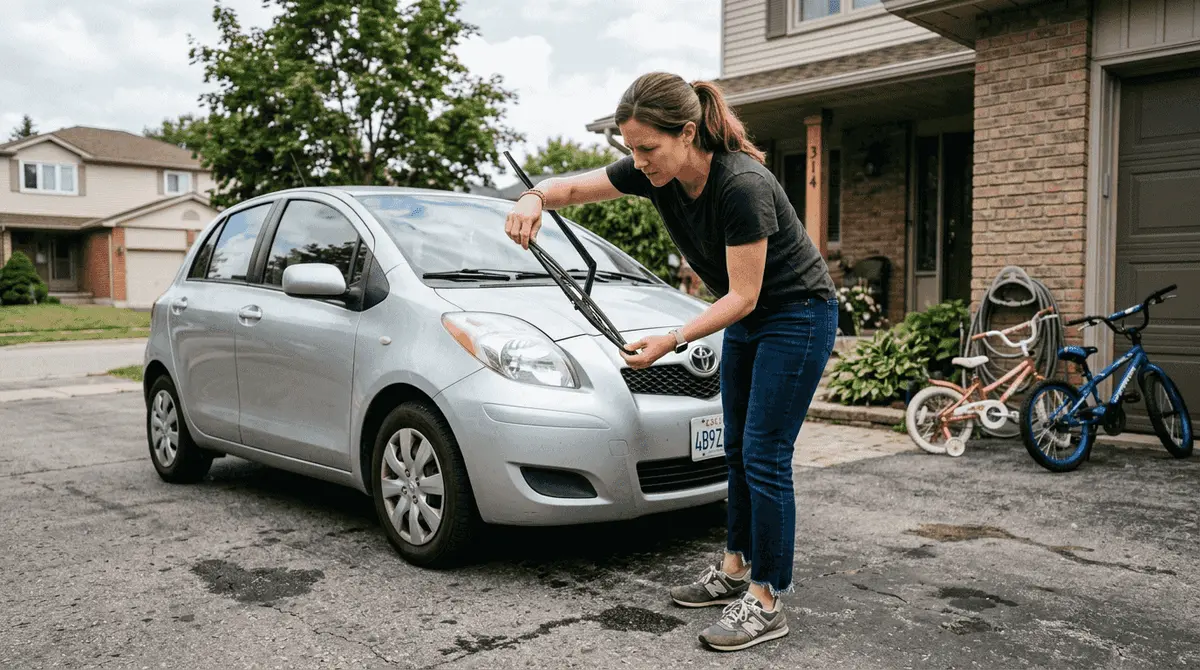
Installation tips ensure maximum blade lifespan and immediate performance. Verify correct blade length for driver and passenger sides using your vehicle manual or online fitment guides. Clean the windshield thoroughly before installing new blades to prevent premature wear from embedded debris. Ensure adapter clips lock securely to wiper arms, testing gentle pull resistance before operating wipers.
Pro Tip: Clean your windshield with clay bar treatment before installing new blades to remove embedded contaminants that glass cleaner misses, dramatically extending blade life and improving initial performance.
Browse vehicle-specific options at GWC Wipers for guaranteed fitment and blades engineered specifically for Australian weather patterns, including popular models like Suzuki Vitara and Suzuki Alto.
Find quality windshield wiper blades at GWC Wipers
After diagnosing and fixing your wiper system, upgrading to blades designed for Australian conditions ensures long-term reliability. GWC Wipers specializes in premium replacement wiper blades engineered specifically for the challenges Australian drivers face daily.

The vehicle selector tool matches your exact make, model, and year to guaranteed-fit blades, eliminating guesswork. Whether you drive a Suzuki Vitara or Suzuki Alto, you’ll find options tested against UV exposure, dust, and extreme temperatures.
Every purchase includes free shipping across Australia, a 30-day money-back guarantee, and a 12-month warranty. The blades feature UV-resistant materials that withstand harsh sun without cracking, beam designs that maintain highway speed contact, and easy DIY installation with included guides.
Explore the full range of premium wiper blades to find the perfect match for your vehicle and driving conditions.
FAQ
How often should I replace my windshield wiper blades in Australia?
Replace wiper blades every 6 to 12 months in Australian conditions due to intense UV exposure and heat that degrade rubber components faster than in milder climates. If you notice streaking, chattering, or reduced clearing performance before the 6-month mark, replace them immediately regardless of age. Coastal drivers and those in dusty inland areas may need more frequent replacement.
What are the signs of a failing windshield wiper motor?
A failing motor produces no sound when you activate the wiper switch, or you hear humming without blade movement. Wipers may move slower than normal, stall mid-cycle, or stop working entirely despite having power to the motor. Grinding or clicking noises during operation indicate internal gear damage requiring motor replacement.
Can I clean wiper blades instead of replacing them?
Cleaning removes surface residue and often restores performance temporarily, making it worth trying before buying replacements. Use alcohol wipes or dedicated blade cleaners to remove built-up wax, oil, and road grime from rubber edges. However, blades with visible cracks, tears, or hardened rubber require replacement because cleaning won’t restore structural integrity or flexibility needed for safe operation.
How do I know if the wiper relay needs replacement?
Intermittent wiper operation or failure at specific speed settings while other speeds work normally indicates relay problems rather than motor failure. You might notice wipers working sometimes but not others, or functioning only on high speed. Swapping the relay with an identical unit from another circuit quickly confirms the diagnosis, and replacement costs only a few dollars compared to unnecessary motor replacement.