
Choosing durable wipers for Toyota: 2026 guide
TL;DR:
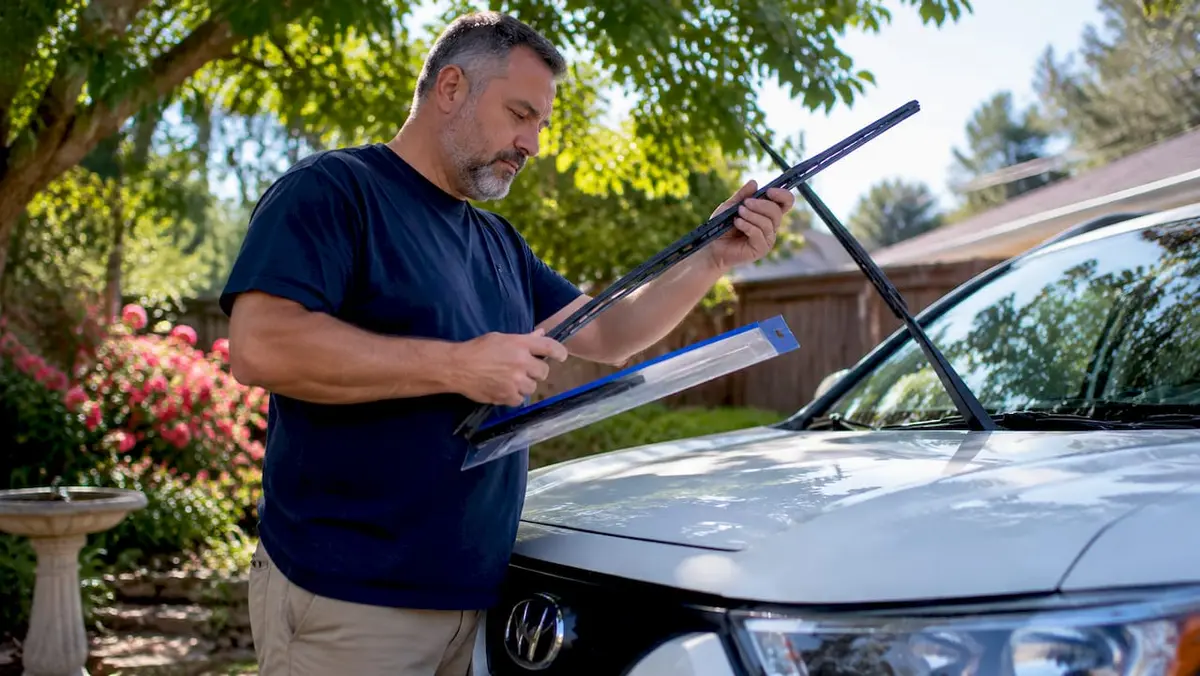
- Selecting durable Toyota wipers depends on blade material, design, and fitment suited to Australian conditions. Silicone beam blades with PTFE coatings last longer, resist UV damage, and handle debris better in tough climates. Correct sizing and routine maintenance significantly extend wiper lifespan and visibility, whether OEM or aftermarket options are chosen.
Choosing durable wipers for Toyota vehicles is defined by three factors: blade material, design style, and precise fitment to your specific model. In Australia, where UV radiation, dust, and sudden downpours test every component on your car, the wrong wiper blade fails well before its time. The wiper blade category you choose, whether that is a conventional frame blade, a beam blade, or a hybrid, determines how long your blades last and how clearly you see through a Queensland storm or a Melbourne winter shower. This guide covers everything from material science to model-specific sizing, so you can make a confident, informed decision.
What makes Toyota wiper blades truly durable?
Durability in wiper blades is determined by material composition, protective coatings, and blade architecture. Understanding each factor helps you avoid buying blades that degrade within a season.
Material types and expected lifespan
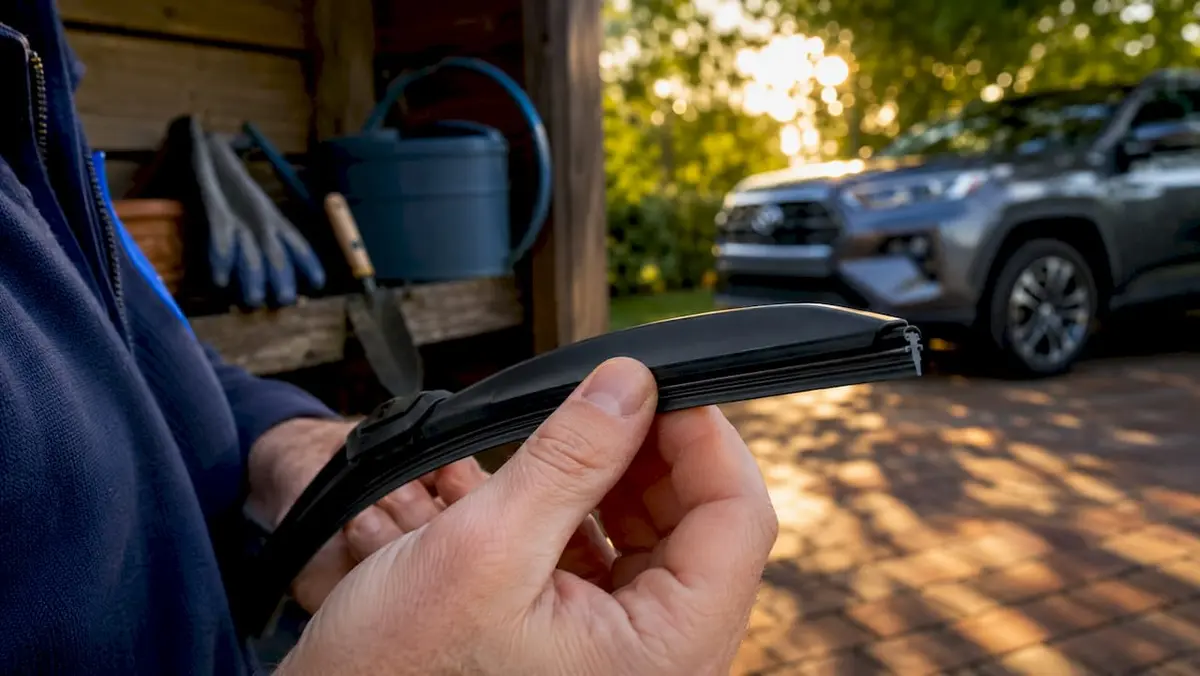
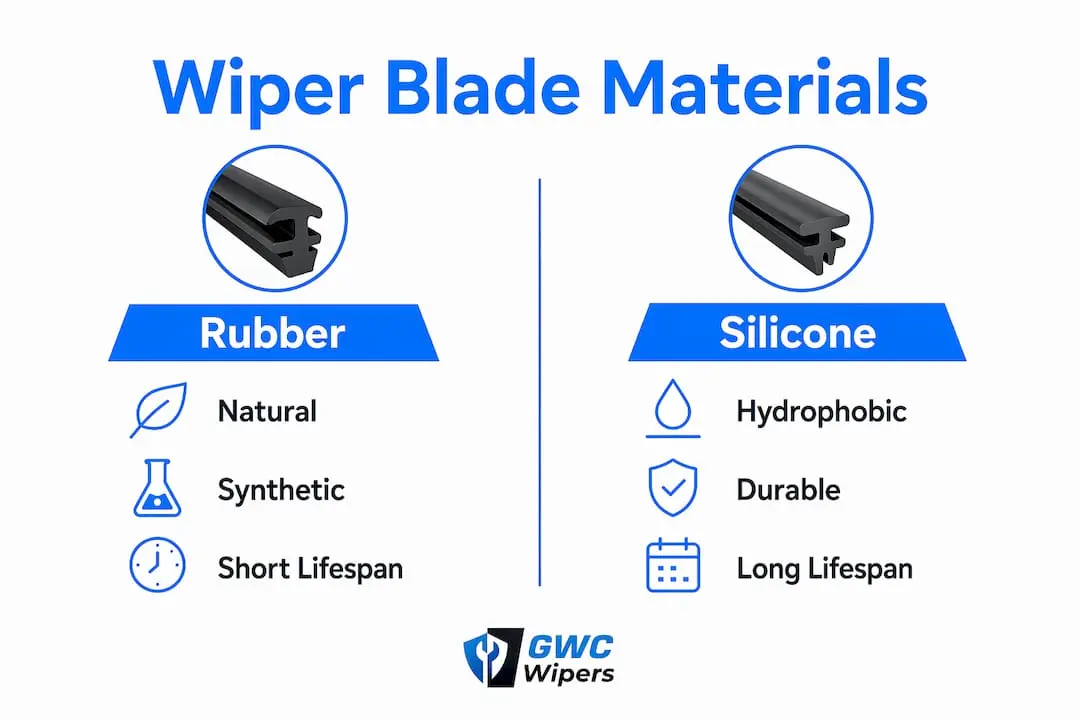
The three core materials used in wiper blades are natural rubber, synthetic rubber, and silicone. Natural rubber is the most affordable but least resilient under Australian sun. Synthetic rubber improves on this with better heat tolerance. Silicone is the premium option. Rubber blades last 6 to 12 months, while silicone blades extend durability to 12 to 24 months depending on climate and care. For most Australian Toyota owners, that difference in lifespan represents real money saved over two or three replacement cycles.
Coatings that extend blade life
PTFE (polytetrafluoroethylene), commonly known as Teflon, is the most effective coating applied to wiper blade rubber. It reduces friction between the blade and glass, which means less heat build-up during wiping and less surface wear over time. High-grade synthetic rubber or silicone with PTFE coatings resist Australian climate wear and consistently rate 4.5 stars or above for longevity in harsh conditions. The coating also repels road grime, which is a significant advantage if you drive on unsealed roads in regional areas.
Beam vs conventional blade design
Beam-style wiper blades distribute pressure evenly across the full length of the blade, reduce lift at highway speed, and handle debris better than conventional frame designs. Conventional blades use a metal frame with multiple pressure points, which can corrode and lose tension over time, particularly in coastal areas where salt air accelerates rust. Beam blades have no external frame, so there is nothing to corrode or clog with debris. For Toyota models driven in varied Australian conditions, beam blades offer a meaningful durability advantage.
How Australian conditions accelerate wear
UV radiation, heat, dust, and road salt are harder on wiper blades than rain frequency. Australian UV rays and dust accelerate blade degradation more than wet weather alone. If you park outdoors regularly in cities like Perth, Darwin, or Brisbane, your blades are exposed to intense UV even on dry days. Checking your blades every three months rather than waiting for streaks to appear is the smarter approach for Australian conditions. You can read more about UV effects on blade lifespan to understand exactly what happens to rubber under prolonged sun exposure.
Pro Tip: Lift your wiper arms off the windshield when parking in direct sun for extended periods. This prevents the rubber from heat-bonding to the glass and extends blade life noticeably.
How to choose the right wiper size for your Toyota model
Selecting the correct blade size is not optional. An incorrectly sized blade leaves unwiped sections of glass, creates noise, and wears unevenly. The right size is determined by your Toyota’s make, model, and year of manufacture.
Verifying your blade size
Your owner’s manual lists the driver and passenger blade lengths separately. Many Toyota models use different lengths on each side. You can also use a fitment tool like the one on GWC Wipers to confirm sizing by entering your vehicle details. Never assume that a blade labelled “fits most Toyotas” will work correctly on your specific model.
Common Toyota model blade sizes
The table below covers popular Toyota models sold in Australia. Use it as a starting reference, then confirm with your owner’s manual or a fitment tool.
| Toyota model | Driver blade | Passenger blade |
|---|---|---|
| Corolla (2019 to 2026) | 26 inches | 16 inches |
| RAV4 (2019 to 2026) | 26 inches | 16 inches |
| Hilux (2016 to 2026) | 24 inches | 18 inches |
| Camry (2018 to 2026) | 26 inches | 18 inches |
| LandCruiser 200 Series | 24 inches | 20 inches |
For Hilux owners, GWC Wipers has a detailed guide on top wiper blades for Hilux that covers sizing and performance comparisons across beam and conventional options.
OEM vs aftermarket: which is better for your Toyota?
Toyota OEM blades made by Denso provide a guaranteed factory fit and consistent performance, but premium aftermarket blades frequently outperform OEM in durability and features. OEM blades are a safe choice if you want a like-for-like replacement with no compatibility concerns. Premium aftermarket options, particularly beam-style silicone blades, offer hydrophobic coatings and longer service life that OEM rubber blades do not match. The trade-off is that aftermarket blades require you to verify adapter compatibility with your Toyota’s wiper arm connection type.
The most common adapter types on Toyota vehicles are the J-hook (also called a standard hook), the pinch tab, and the side pin. Most quality aftermarket blades include a set of adapters in the packaging. If you are unsure which adapter your model uses, check the GWC Wipers fitment guide or your owner’s manual before purchasing.
Pro Tip: If you want to keep your OEM blade frame but reduce cost, replacing only the rubber insert maintains factory-calibrated wiping pressure and is significantly cheaper than full blade replacement.
Selecting materials and features for Australian weather
Australia’s climate demands more from wiper blades than most other countries. Choosing the right material and features for your conditions is the single biggest decision you will make when selecting long-lasting wipers for Toyota.
Why silicone outperforms rubber in Australian conditions
Silicone blades deposit a hydrophobic layer on the windshield during each wipe, which causes water to bead and roll off the glass. This reduces the workload on the wiper motor and blade assembly during heavy rain, extending the life of both the blade and the motor. Silicone also resists UV degradation far better than natural or synthetic rubber, which means blades parked in direct sun in Darwin or Cairns will not crack and harden as quickly. For Toyota owners in northern Australia or anywhere with intense sun exposure, silicone is the clear choice.
Features worth paying for
When comparing blade options, these features deliver measurable performance and durability benefits:
- Hydrophobic coatings: Improve water repellence and reduce the number of wipe cycles needed to clear the screen, reducing blade wear.
- Aerodynamic spoilers: Reduce wind lift at highway speeds, maintaining consistent contact pressure across the blade length. This matters on open roads where speeds above 100 km/h are common.
- Flexible edge design: Allows the blade to conform to curved windshields, which is particularly relevant on modern Toyota models like the RAV4 and Camry that have pronounced windshield curvature.
- UV-stabilised rubber compounds: Slow the hardening and cracking process caused by prolonged sun exposure.
Maintenance routines that extend blade life
Regular cleaning with a microfiber cloth extends blade life by 20 to 30%. Wipe the rubber edge with a damp microfiber cloth every time you wash your car. Remove tree sap, insect residue, and road grime from the glass before running the wipers, as abrasive particles accelerate rubber wear. A complete wiper replacement guide covers cleaning routines and inspection schedules in detail if you want a structured maintenance plan.
Common mistakes when choosing and maintaining Toyota wiper blades
Even experienced car owners make avoidable errors with wiper blades. These mistakes reduce blade life and compromise visibility at the worst possible moments.
- Buying the wrong size. Using a blade that is too long or too short creates unwiped zones and causes the blade to skip or lift. Always verify the exact length for your Toyota model and year before purchasing.
- Ignoring adapter compatibility. Fitting a blade with the wrong adapter causes poor contact and can damage the wiper arm. Check the connection type on your Toyota before selecting an aftermarket blade.
- Skipping windshield cleaning before installation. Silicone blades chatter and streak if the windshield is dirty at installation. Clean the glass with a clay bar or glass polish before fitting new blades, particularly silicone ones, to allow proper seating.
- Waiting too long to replace worn blades. Streaking, squeaking, and skipping are signs that the rubber has hardened or the blade edge is damaged. Continuing to use worn blades scratches the glass and reduces visibility in rain.
- Forcing the blade onto the arm. Applying excessive force during installation can bend the wiper arm or crack the blade body. Follow the installation instructions included with your blades and use the correct adapter.
Pro Tip: After fitting new blades, run them on a wet windshield for 30 seconds and check for even contact across the full sweep. Any skipping or streaking at this stage usually means the adapter is not fully seated or the blade size is incorrect.
For Toyota Corolla Cross owners, the Corolla Cross blade fitment page shows the correct sizes and compatible blade types to avoid these fitment errors.
Key takeaways
Silicone beam blades with PTFE coatings deliver the best durability and performance for Toyota owners in Australian conditions, lasting up to twice as long as standard rubber alternatives.
| Point | Details |
|---|---|
| Material determines lifespan | Silicone blades last 12 to 24 months; rubber blades last 6 to 12 months in Australian conditions. |
| Beam design outperforms conventional | Beam blades distribute pressure evenly and resist corrosion, making them better suited to varied Australian driving. |
| Correct sizing is non-negotiable | Always verify driver and passenger blade lengths by Toyota model and year before purchasing. |
| Cleaning extends blade life | Wiping the rubber edge with a microfiber cloth at each car wash extends blade life by 20 to 30%. |
| OEM vs aftermarket is a genuine trade-off | OEM Denso blades guarantee fit; premium aftermarket silicone blades offer longer life and advanced features. |
What I have learned from years of watching Australian drivers replace wipers too soon
Most Toyota owners replace their wiper blades reactively, after a streaky windshield in a rainstorm has already compromised their visibility. That is the wrong approach, and it is also the expensive one. In my experience, the drivers who get the most from their blades are the ones who treat wiper maintenance like tyre pressure checks: routine, scheduled, and non-negotiable.
The OEM versus aftermarket debate is real, but it is often overcomplicated. Toyota’s Denso OEM blades are genuinely good. They fit perfectly and perform consistently. But if you drive a RAV4 or Hilux in a high-UV environment and you park outside every day, a premium silicone beam blade from a quality aftermarket supplier will outlast the OEM rubber blade by six months or more. That is not a small difference over the life of a vehicle.
The insight most people miss is that the windshield matters as much as the blade. A contaminated or pitted windshield will destroy a new blade faster than UV or heat ever could. Before you spend money on premium blades, spend ten minutes cleaning your glass properly. The results will surprise you.
For popular Toyota models like the Corolla, Camry, and Hilux, the blade options are well-documented and widely available. The real skill in selecting wipers is matching the blade type and material to your actual driving environment, not just your vehicle model. A Hilux driven on dusty outback roads needs a different blade than one used for school runs in suburban Sydney.
— Faisal
Find the right Toyota wiper blades at GWC Wipers
GWC Wipers stocks a full range of premium wiper blades for Toyota models sold in Australia, including beam, silicone, hybrid, and OEM-style options for vehicles from the Corolla and Camry through to the RAV4, Hilux, and LandCruiser. Every blade is selected for Australian conditions, with UV-resistant materials and aerodynamic designs that perform in heat, dust, and heavy rain. The vehicle selector tool on the GWC Wipers website confirms the correct size and adapter for your specific Toyota model and year, so you order with confidence. Free shipping across Australia, a 12-month warranty, and a 30-day money-back guarantee back every purchase.
FAQ
How long do wiper blades last on a Toyota in Australia?
Rubber blades typically last 6 to 12 months on Australian Toyotas, while silicone blades extend service life to 12 to 24 months. UV exposure and heat in Australia accelerate degradation, so inspect blades every three months regardless of visible wear.
Are beam wiper blades better than conventional blades for Toyota?
Beam blades outperform conventional frame blades on Toyota vehicles because they distribute pressure evenly, resist corrosion, and maintain contact at highway speeds. They are particularly suited to modern Toyota models with curved windshields.
What size wiper blades does a Toyota RAV4 need?
The Toyota RAV4 (2019 to 2026) uses a 26-inch driver blade and a 16-inch passenger blade. Always confirm the exact size for your model year using your owner’s manual or a fitment tool before purchasing.
Do silicone wiper blades work better in heavy Australian rain?
Silicone blades deposit a hydrophobic layer on the windshield that causes water to bead and clear faster, reducing wiper motor strain during heavy rain. This makes them a strong choice for Toyota owners in high-rainfall regions like tropical Queensland and coastal New South Wales.
Can I replace just the rubber insert on my Toyota OEM wiper blade?
Replacing only the rubber refill on OEM Toyota blades maintains factory-calibrated wiping pressure and costs less than full blade replacement. This approach works well if the blade frame is undamaged and the arm connection is still secure.