
Beam wipers on Mazda curved windscreens: what you need to know
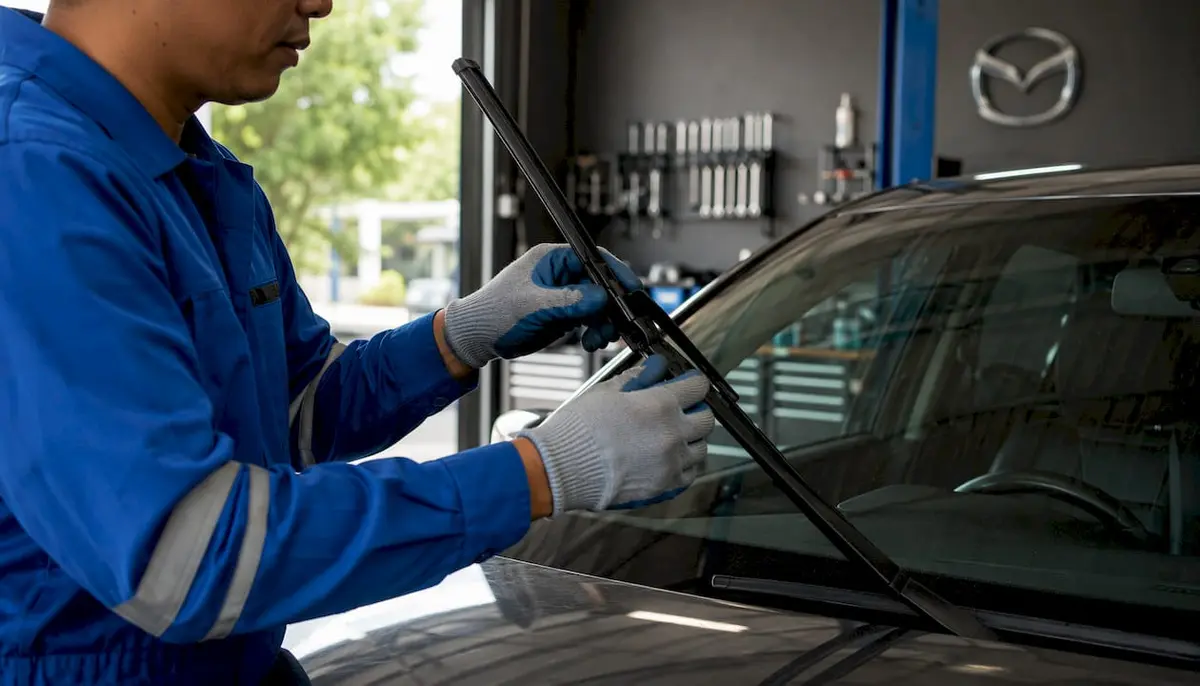
Beam wiper blades are the right choice for Mazda’s curved windscreens, and the reason comes down to physics. Conventional blades contact glass at several fixed points, leaving gaps across the curve. Beam blades use a pre-tensioned steel strip running the full length of the blade, creating continuous pressure at every point of contact. The result is a cleaner, streak-free wipe across the entire windscreen surface, which matters most when you are driving through a Queensland downpour or navigating a dusty outback highway.
Here is what beam blades deliver on Mazda curved windscreens:
- Continuous, even pressure along the full blade length, eliminating the gaps that conventional frames leave on curved glass
- Frameless memory-curve design that hugs Mazda’s aerodynamic windscreen profile without exposed metal joints
- Reduced streaking and skipping, particularly on the passenger side where curvature is most pronounced
- Compatibility with Mazda’s rain-sensing systems, because consistent blade contact keeps sensor readings accurate
- All-weather durability suited to Australia’s mix of intense UV, heavy rain, and occasional frost
How beam blades differ from conventional wipers on curved glass
The structural difference between these two blade types explains everything about their performance on modern Mazda windscreens.
Conventional blades rely on a metal frame with a series of pivot points, a system called a whippletree, to press the rubber against the glass. The exposed metal frame collects ice and snow, freezing the joints solid and preventing the blade from following the windscreen’s curve. Even without ice, the frame creates aerodynamic drag that lifts the blade away from the glass at highway speeds, a problem known as wind lift. On a flat windscreen this is manageable. On Mazda’s steeply raked, double-curved glass, it produces wide unwiped streaks exactly where you need clear vision.
Beam blades eliminate the frame entirely. A pre-tensioned spring steel strip inside the rubber element creates continuous pressure distribution across the entire blade length, and the blade naturally conforms to highly curved modern windscreens. There are no joints to freeze, no exposed metal to corrode, and no pivot points to wear unevenly. The aerodynamic profile converts wind force into additional downward pressure, so the faster you drive, the better the blade performs.
The quality of the internal steel beam matters enormously. Poor tension or incorrect shape in the steel bar reduces contact pressure and causes streaks even in premium-branded blades. When you are buying beam blades for your Mazda, the internal engineering is what separates a reliable product from one that whistles at 100 km/h and leaves half the screen unwiped.
| Feature | Conventional blade | Beam blade |
|---|---|---|
| Design | Metal frame with pivot points | Frameless, pre-tensioned steel strip |
| Contact points on curved glass | Several fixed points | Infinite, continuous contact |
| Wind lift resistance | Poor; frame creates drag | Strong; aerodynamic profile adds pressure |
| Ice and snow resistance | Low; joints freeze solid | High; no exposed joints |
| Sensor compatibility | Variable; uneven pressure can disrupt sensors | Consistent; maintains steady contact |
| Maintenance | Frame and rubber wear separately | Full blade replacement when rubber wears |
Which wiper blade type suits your Mazda’s curved windscreen?
Not every blade type performs equally on Mazda’s curved glass, and understanding the differences helps you make a confident choice rather than defaulting to whatever is cheapest on the shelf.
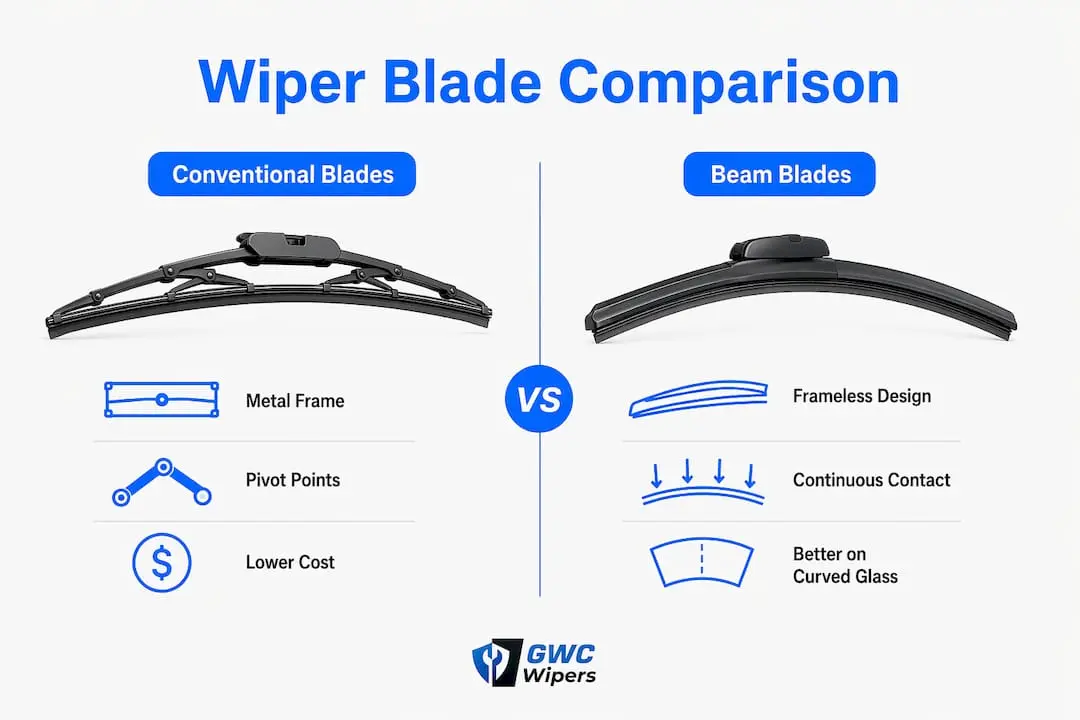
Beam blades are the strongest performer on curved Mazda windscreens. Their single-piece design maintains even pressure across the glass, reducing chatter and streaks at highway speeds. Mazda’s aerodynamic windscreen profiles, particularly on the Mazda 3 and CX-5, are designed with the kind of curvature that beam blades were built to follow. If your Mazda came from the factory with beam blades, replacing them with the same type is the straightforward call.

Hybrid blades combine a beam-style rubber profile with a protective plastic shell over a conventional frame. They offer better winter performance than a bare conventional blade and shed water reasonably well, but the underlying frame still limits their ability to conform fully to tight curves. For Mazda owners in milder climates who want a middle-ground option, hybrids are workable. They are not the equal of a well-made beam blade on curved glass.
Conventional blades cost less upfront and accept cheap rubber refills, which is their main advantage. On Mazda’s curved windscreens, though, their limited contact points produce uneven wiping, and the exposed frame is a liability in both cold and hot Australian conditions. They are adequate for older Mazda models with flatter windscreens, but on any current-generation vehicle they are a compromise.
Pro Tip: Before buying, check whether your Mazda’s wiper arm uses a J-hook, bayonet, or side-lock connector. Mazda models use varied arm connector types, and fitting the wrong adapter can leave the blade loose or misaligned, which undermines even the best beam blade’s performance. GWC Wipers’ vehicle selector tool takes the guesswork out of this step entirely.
How beam blades perform in Australian weather conditions
Australia’s climate puts wiper blades through a wider range of stress than most countries. A Mazda owner in Sydney deals with intense summer UV, sudden heavy downpours, and the occasional frosty morning. In Melbourne, you can experience all three in a single week. Beam blades handle this variation better than any other blade type.
Beam blades resist ice and snow accumulation because their frameless design lacks exposed metal joints that freeze. This means Australian drivers in alpine areas or southern states do not need a separate set of dedicated winter blades. The same set that handles a Perth summer handles a Canberra winter without modification.
At highway speeds, the aerodynamic advantage is real and measurable. Beam blades convert wind force into pressure on the windscreen, so driving at high speeds in heavy rain actually improves blade contact rather than degrading it. Conventional blades do the opposite: the faster you go, the more the frame lifts away from the glass.
Automotive experts note that beam blades’ consistent pressure directly reduces driver reaction time in heavy rain by maintaining clearer vision. On Australian roads where rain can go from light drizzle to near-zero visibility in minutes, that consistency is what keeps you safe. Beam blades also generate less noise and vibration due to their smooth interaction with the windscreen surface, which matters on long regional drives where wiper noise becomes genuinely fatiguing.
UV exposure is the other Australian-specific factor. High-strength rubber compounds in quality beam blades resist the cracking and hardening that intense sun accelerates in cheaper materials. A blade that survives a full Australian summer without hardening will still wipe cleanly when the autumn rains arrive.
Maintaining your beam wiper blades for longer life on Mazda windscreens
Beam blades are more durable than conventional ones, but they still need regular attention to perform at their best on your Mazda’s curved glass.
- Clean the blade rubber monthly by wiping it with a damp cloth. Road grime, insect residue, and wax buildup all degrade the rubber edge and cause streaking.
- Avoid petroleum-based cleaners on the rubber element. These break down the rubber compound and accelerate hardening, shortening the blade’s useful life.
- Lift the blades away from the glass when parking in direct sun for extended periods. Heat trapped between the rubber and glass speeds up deterioration.
- Check for streaking or chattering after heavy rain or a dusty drive. These are the first signs that the rubber edge has worn and replacement is due.
- Replace the full blade assembly when the rubber wears out. Beam blades generally do not support rubber refills, unlike some Mazda OEM frames that accept replacement rubber inserts. Budget for a full blade swap rather than a refill when the time comes.
Pro Tip: If your Mazda still has its original OEM frame-style blades, you may be able to replace just the rubber insert rather than the whole blade, which cuts costs. Many Mazda OEM blades allow replacement of just the rubber insert, preserving the calibrated frame. Once you switch to beam blades, though, plan for full replacements going forward.
A good-quality beam blade maintained properly can last considerably longer than a conventional blade. The memory curve technology in beam blades ensures lasting fit and wipe quality even after extended use, which means the blade continues to follow your Mazda’s windscreen curvature accurately rather than gradually losing its shape. Keeping the rubber clean and replacing it before it hardens is the single most effective thing you can do to protect that performance.
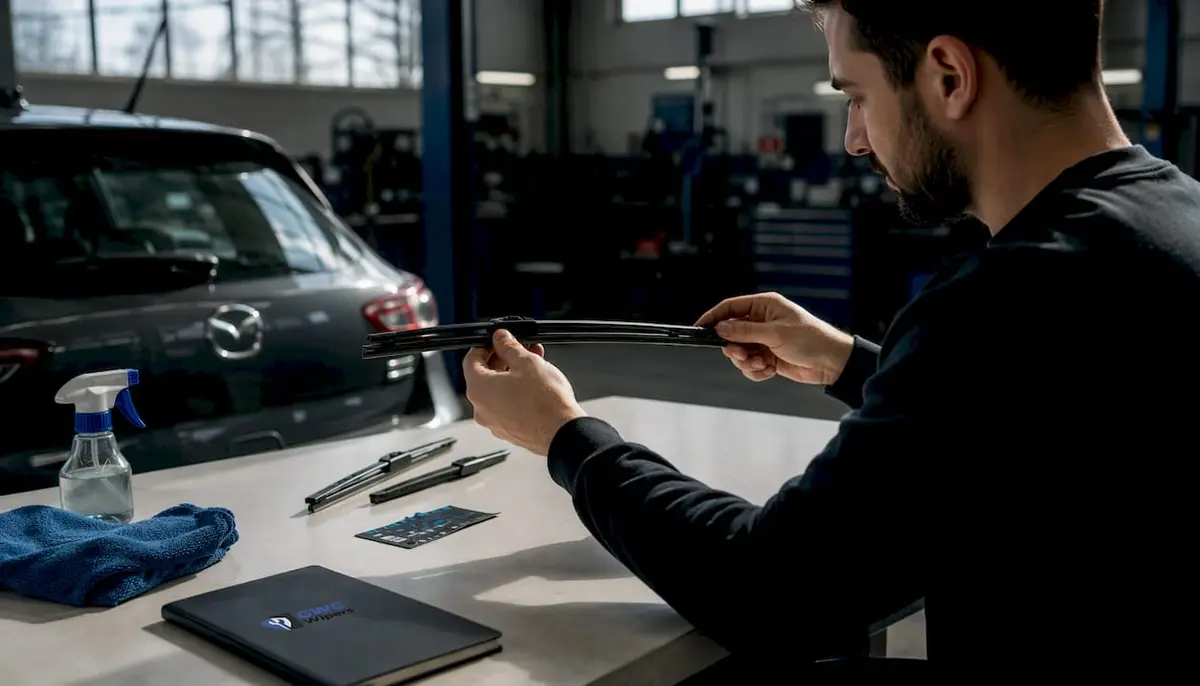
Including wiper blade checks in your regular car maintenance schedule is the easiest way to stay on top of this. A quick visual inspection every few months takes less than two minutes and catches wear before it becomes a visibility problem.
Choosing the right beam blades for your Mazda with GWC Wipers
Getting the right beam blade for your specific Mazda model is not complicated, but it does require matching three things: blade length, connector type, and sensor compatibility.
Mazda vehicles use varied arm connectors including J-hooks, bayonet, and side-lock types, and the wrong connector means the blade will not seat securely regardless of how good the blade itself is. Installing incompatible wiper blades can interfere with Mazda’s rain-sensing system accuracy, leading to erratic wiping behaviour. Vehicle-specific selection removes this risk entirely.
GWC Wipers’ vehicle selector tool lets you enter your Mazda’s make, model, and year to identify the correct blade length and connector type immediately. There is no cross-referencing part numbers or guessing whether an adapter will fit. The tool surfaces blades that are confirmed compatible with your specific vehicle.
| Mazda model | Typical driver blade length | Connector type | Beam blade compatible |
|---|---|---|---|
| Mazda 3 | — | J-hook / aero arm | Yes |
| Mazda CX-5 | — | J-hook | Yes |
| Mazda 6 | — | J-hook | Yes |
| Mazda CX-3 | — | J-hook | Yes |
| Mazda 2 | — | J-hook | Yes |
GWC Wipers sources blades built with high-strength steel and quality rubber compounds suited to Australian conditions, and every purchase comes with free shipping across Australia, a 12-month warranty, and a 30-day money-back guarantee. For Mazda owners who want to browse the full range of compatible options, the Mazda wiper blade range covers current and older models alike.
If you drive a Mazda 3 specifically, the Mazda 3 wiper blade options page lists beam blade choices confirmed for each model year, including notes on aero arm compatibility that is specific to the current-generation platform.
GWC Wipers has the right beam blade for your Mazda
Clear vision on Australian roads starts with the right blade, fitted correctly to your specific vehicle.
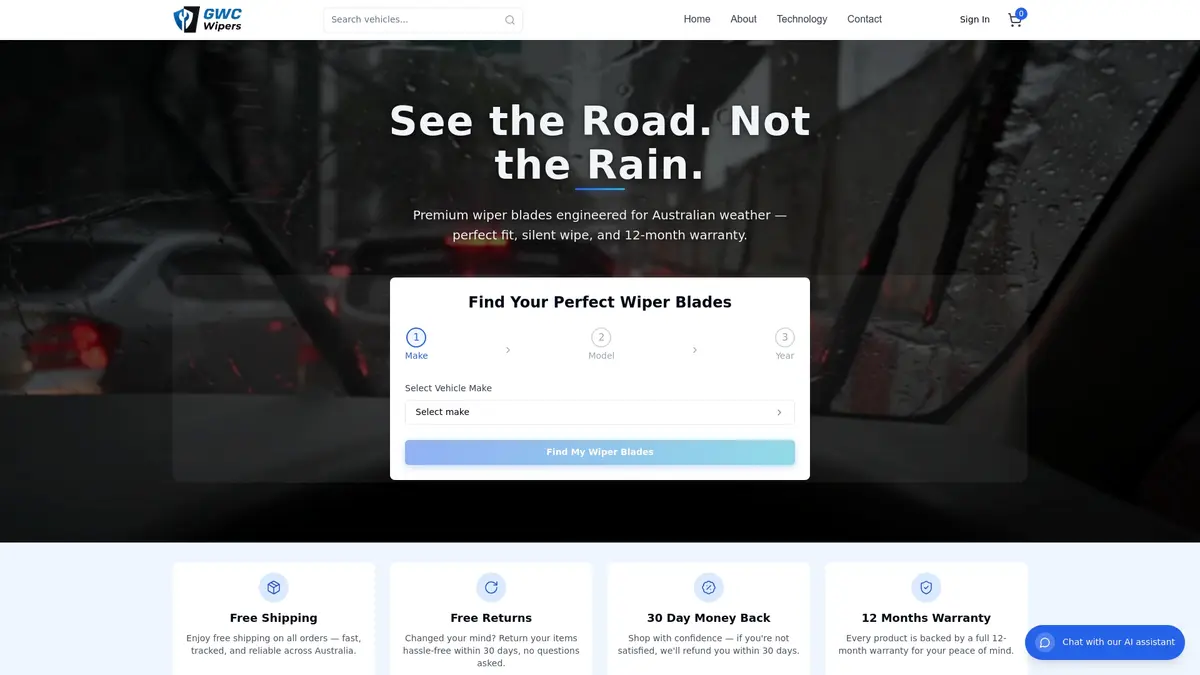
GWC Wipers is an Australian-owned supplier built specifically for Australian driving conditions. Every blade in the range is selected for performance in the heat, UV, and sudden heavy rain that Mazda owners across the country deal with year-round. The vehicle selector tool means you get a confirmed-fit beam blade for your exact model, not a generic option that might work. Beam blades for popular models like the Mazda 3, CX-5, and Mazda 6 are stocked and ready to ship, with free delivery anywhere in Australia. The 12-month warranty and 30-day money-back guarantee mean there is no risk in making the switch from worn conventional blades to a premium beam set. GWC Wipers also stocks blades for a wide range of other vehicles, including Toyota wiper blades and Mitsubishi wiper blades, so you can sort the whole household fleet in one order. Head to gwcwipers.com.au and use the vehicle selector to find your Mazda’s perfect fit today.
Key takeaways
Beam wiper blades outperform conventional blades on Mazda curved windscreens because their frameless, continuously tensioned design maintains full contact across the glass at every point in the blade’s sweep.
| Point | Details |
|---|---|
| Continuous contact on curved glass | Beam blades use infinite pressure points versus the six to eight fixed contact points of conventional blades. |
| Wind lift resistance | Beam blades convert wind force into downward pressure, improving contact at highway speeds. |
| Australian climate suitability | Frameless design resists ice buildup and withstands UV and heavy rain without dedicated seasonal blades. |
| Sensor compatibility | Consistent blade contact preserves accuracy of Mazda’s rain-sensing systems; incompatible blades cause erratic behaviour. |
| GWC Wipers vehicle selector | GWC Wipers’ tool confirms correct blade length and connector type for your specific Mazda model. |
FAQ
What is the difference between beam and conventional wiper blades?
Beam blades use a pre-tensioned steel strip for continuous contact across the full blade length, while conventional blades rely on a metal frame with only six to eight contact points. On curved windscreens, beam blades wipe more evenly and resist wind lift and ice buildup that conventional frames cannot.
Are beam wiper blades better for Mazda vehicles?
Yes, particularly on current-generation Mazda models with aerodynamic curved windscreens. Beam blades conform to the glass curvature naturally, reduce streaking, and maintain consistent contact with rain sensors, making them the preferred choice over conventional or hybrid alternatives.
Do beam blades work with Mazda’s rain-sensing system?
Consistent blade-to-glass contact is what keeps Mazda’s rain sensor reading accurately, and beam blades deliver that consistency across the full windscreen. Incompatible blades can interfere with the rain-sensing system and cause erratic wiping behaviour, so using a vehicle-specific beam blade is the safest approach.
How often should you replace beam wiper blades on a Mazda?
Replace beam blades when you notice streaking, chattering, or a haze left in the swept area. In Australian conditions, with intense UV and variable rainfall, inspecting blades every six months and replacing them annually is a reliable baseline, though high-quality beam blades maintained properly can last longer.
Can you replace just the rubber on a beam wiper blade?
Generally no. Beam blades do not support rubber refills, unlike some Mazda OEM frame-style blades that accept replacement rubber inserts. When the rubber wears on a beam blade, you replace the full blade assembly.