
Hybrid vs conventional wiper blades: Which is right for you?

TL;DR:
- Hybrid wiper blades offer better performance and longer lifespan than conventional blades in Australian conditions.
- They provide more consistent contact and protection against UV, debris, and extreme weather.
- Choosing the right wipers depends on your vehicle, climate, driving habits, and budget.
Most Australian drivers give very little thought to their wiper blades until they fail in the middle of a downpour on the M1. The truth is, not all wiper blades perform the same, and the differences between hybrid and conventional types can have a real impact on your visibility and safety. From the tropical storms of Far North Queensland to the icy mornings in the Snowy Mountains, Australian conditions are genuinely demanding. This guide breaks down exactly what separates hybrid and conventional wipers, compares their strengths and weaknesses honestly, and helps you make a confident choice for your car and your climate.
Table of Contents
- What are hybrid and conventional wiper blades?
- Key differences: Hybrid vs conventional wipers
- Pros and cons of hybrid and conventional wiper blades
- How to choose the right wiper blade for your needs
- Our perspective: Most drivers underestimate their wiper choice
- Find the perfect wiper blades for your car
- Frequently asked questions
Key Takeaways
| Point | Details |
|---|---|
| Hybrid vs conventional | Hybrid wipers combine the strength of conventional frames with improved weather resistance, while conventional blades are basic but affordable. |
| Performance matters | The right wiper blade makes a clear difference in visibility and safety during harsh Australian weather. |
| Choose based on needs | Consider your local climate, vehicle, and driving habits before picking your next wiper blade. |
| Fit and maintenance | Proper fit and regular replacement are essential to maximise any blade’s lifespan and performance. |
What are hybrid and conventional wiper blades?
With the main question now clear, let’s understand what makes these two types of wiper blades different at the most basic level.
Conventional wiper blades are the traditional design most Aussies grew up seeing on their parents’ cars. They use a metal frame structure with multiple pressure points that hold a rubber blade against the windshield. The frame is exposed to the elements, which can cause it to clog with dirt, gum leaves, or road grime over time. They are widely available, straightforward to replace, and compatible with most vehicles on Australian roads.

Hybrid wiper blades are a more recent development. They wrap a rigid inner frame inside a sleek aerodynamic shell, usually made from hard plastic or polycarbonate. This casing shields the frame from debris, UV exposure, and temperature extremes. As noted in our overview of blade types explained, hybrid blades combine traditional frame strength with aerodynamic covers, giving them performance advantages in challenging conditions.
Here is a quick breakdown of how each type is built:
- Conventional blades: Exposed metal frame, multiple contact points, natural rubber squeegee, simple clip attachment
- Hybrid blades: Enclosed hard shell casing, internal metal or composite frame, contoured rubber blade, aerodynamic profile
Conventional blades suit drivers on a tight budget or those with older vehicles where fitting newer blade styles can be tricky. Hybrid blades are increasingly popular on modern cars, particularly those with curved windshields where even blade pressure matters most.
Pro Tip: To work out what type of wiper is currently on your car, look at the side profile. If you can see a visible metal frame structure, it’s conventional. If it looks smooth and enclosed with no exposed parts, it’s likely a hybrid or beam blade. Check our installation steps to get familiar with both styles before you swap them over.
Key differences: Hybrid vs conventional wipers
Now that you know what each wiper type is, let’s look at how they differ where it matters most.
The clearest way to compare these two types is side by side. Here’s how they stack up across the factors that matter to Australian drivers:
| Feature | Hybrid wipers | Conventional wipers |
|---|---|---|
| Frame construction | Enclosed aerodynamic shell | Exposed metal frame |
| Pressure distribution | Even, consistent contact | Multiple pressure points |
| Weather performance | Strong in rain, wind, and heat | Adequate in mild conditions |
| Noise level | Generally quieter | Can chatter in cold weather |
| UV and heat resistance | High, due to protective casing | Lower, frame exposed to sun |
| Typical lifespan | 12 to 18 months | 6 to 12 months |
| Cost | Higher upfront | Lower upfront |
When it comes to wet weather performance, the gap between the two types is significant. Hybrid blades perform better in heavy rain and wind due to their aerodynamic design, which keeps the blade pressed evenly against the windshield even at highway speeds. Conventional blades can lift slightly at speed, causing streaks and reduced visibility at exactly the wrong moment.
Here are the key distinguishing features worth remembering:
- Hybrid blades maintain consistent wipe quality through varied weather
- Conventional blades can ice up or clog with debris more readily
- Hybrid casings protect internal components from Australia’s UV-heavy environment
- Conventional blades are easier to source in regional or remote areas
- Hybrid blades operate more quietly on glass, reducing cabin noise
For drivers regularly dealing with heavy summer storms, coastal salt air, or the harsh inland heat, the benefits of premium wipers go beyond convenience. They are a genuine safety consideration.
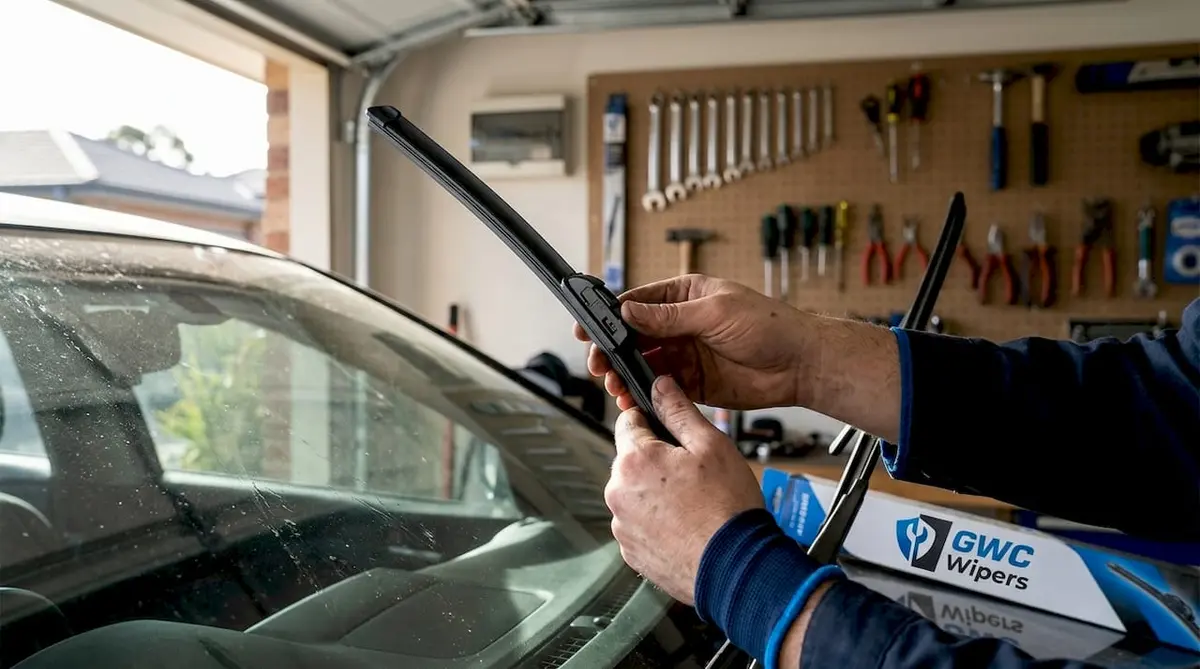
Pros and cons of hybrid and conventional wiper blades
Understanding the differences is important, but what about real-world advantages and drawbacks for you?
Conventional wiper blades: pros and cons
| Pros | Cons |
|---|---|
| Lower purchase price | Frame exposed to UV and debris |
| Widely available nationwide | Can chatter or skip in cold conditions |
| Easy to find for older vehicles | Less effective at high speeds |
| Simple to install yourself | Shorter average lifespan |
Hybrid wiper blades: pros and cons
| Pros | Cons |
|---|---|
| Consistent blade pressure across the arc | Higher upfront cost |
| Better performance in rain and wind | Fewer options for older vehicle models |
| Protective casing extends blade life | May not be stocked in all local stores |
| Quieter and smoother wipe action | Slightly heavier than conventional |
As the Australian wiper guide confirms, conventional wipers are lower in upfront cost, but hybrids offer improved all-weather performance, which matters more the longer you own your vehicle.
Conventional blades remain a practical choice for second cars, older vehicles driven infrequently, or drivers in areas with mild, predictable weather. Hybrid blades suit drivers who do regular highway driving, commute through unpredictable weather, or live in areas prone to extreme heat or heavy rain.
“Visibility is one of your most important safety tools behind the wheel. Choosing the right wiper blade is not just about clear glass. It’s about giving yourself the reaction time you need on a wet or wind-affected road.”
The choice ultimately comes down to how and where you drive. If you are doing daily commutes through Sydney or Melbourne traffic in all weather, a hybrid blade is worth the extra investment. For the weekend car that rarely sees heavy rain, conventional may serve you perfectly well.
How to choose the right wiper blade for your needs
Armed with the pros and cons, the next step is making a confident, informed choice for your situation.
As the install wiper blades guide makes clear, choosing blades should factor in fit, weather, and driving conditions. Here is a practical step-by-step approach to get it right:
- Check your vehicle’s wiper arm attachment type. Australian cars use several connector styles including hook, pinch tab, and side pin. Not all hybrid blades fit every arm, so this step is non-negotiable.
- Measure your current blade length. Driver and passenger side blades are often different lengths. Write both down before you shop.
- Consider your local climate. If you are in a high-rainfall zone like the Wet Tropics or a UV-intense region like Western Australia, a hybrid’s protective casing will pay for itself faster.
- Think about how often you drive in adverse conditions. Daily highway drivers face more blade wear than weekend local drivers.
- Set a realistic budget. Hybrid blades cost more, but their longer lifespan often makes them more economical over 12 to 18 months.
- Verify compatibility using a vehicle selector tool. Enter your car’s make, model, and year to confirm the blade will fit properly before purchasing.
Climate genuinely shapes the right answer here. In coastal Queensland, UV degradation is a real threat that can crack rubber on conventional blades in under six months. In the Snowy Mountains, a clogged conventional frame can reduce wiper effectiveness just when you need it most.
Pro Tip: After fitting new blades, clean your windshield thoroughly with a quality glass cleaner. A dirty windshield will wear your new rubber faster and can cause streaking even with brand-new blades fitted correctly.
Our perspective: Most drivers underestimate their wiper choice
After years of helping Aussie drivers find the right wiper blades, we’ve noticed a consistent pattern. Most people only think about their wipers after something goes wrong. A streaky smear across the windshield on the way to work. A blade that skips on a wet highway at 100 km/h. A cracked rubber seal found during a routine service.
The reality is that switching proactively to a hybrid blade is one of the lowest-cost safety upgrades you can make to your vehicle. We are not talking about spending hundreds of dollars. A quality hybrid set typically costs $30 to $60 more than a basic conventional pair, but delivers noticeably better visibility in the conditions that matter most.
Australian weather does not offer a consistent baseline. One week in coastal New South Wales can bring blistering heat followed by severe storms. Conventional blades were not designed with that kind of range in mind. Understanding the premium blade value is not about upselling. It is about giving you an honest picture of what your safety equipment is capable of delivering.
Don’t wait for your wipers to fail. Make a considered choice before the next storm rolls in.
Find the perfect wiper blades for your car
If you’re ready to put your knowledge into action, finding the right wiper is simple.
At GWC Wipers, we stock a wide range of premium hybrid and conventional blades to suit Australian vehicles and conditions. Use our vehicle selector to get an exact match for your make, model, and year with no guesswork required.

Whether you drive a Giulietta and need to shop wiper blades by model, or you are looking for Mercedes-Benz wipers or Toyota wipers, we have options ready to ship with free delivery across Australia. Every purchase is backed by our 30-day money-back guarantee and a 12-month warranty, so you can buy with genuine confidence.
Frequently asked questions
Are hybrid wipers better for Australian weather?
Hybrid wipers generally perform better in heavy rain and wind, making them a strong option for Australia’s varied climate. Hybrid blades are favoured for all-weather performance across diverse Australian conditions.
How often should I replace my wiper blades?
Most manufacturers recommend replacing wiper blades every 6 to 12 months, or sooner if you notice streaking or reduced visibility. As the annual replacement guide notes, wipers should be replaced at least annually for best performance.
Do hybrid wipers fit all cars?
Hybrid wiper blades are available for most car models, but always confirm compatibility before purchasing. Check compatibility for the best fit using your vehicle’s make, model, and year.
Are hybrid wipers more expensive than conventional ones?
Hybrid wipers usually cost more upfront, but offer greater durability and all-weather performance. As confirmed in our guide, hybrids deliver better performance across demanding conditions, making them a worthwhile long-term investment.