
Best windshield wiper blade types for Australian drivers

TL;DR:
- Australian driving conditions demand durable, flexible, and weather-resistant wiper blades for safety.
- Beam and hybrid blades perform best on curved windscreens and at high speeds, lasting longer.
- Regular maintenance and proper fitment are key to maximizing wiper lifespan and visibility.
Standing in the auto parts aisle staring at a wall of wiper blades that all look the same is a familiar frustration for Australian drivers. The reality is that not all blades are built to handle the conditions you face here, from torrential summer downpours in Queensland to scorching UV exposure in Western Australia and dusty outback roads in between. Choosing the wrong type means smearing, skipping, or a blade that deteriorates within months. This guide walks you through the four main wiper blade types, the key criteria to consider, and practical recommendations so you can make a confident, informed decision for your vehicle and your conditions.
Table of Contents
- Key criteria for choosing wiper blades in Australia
- Conventional wiper blades: Reliable classic for older cars
- Beam wiper blades: Modern solution for all-weather performance
- Hybrid and silicone wipers: Specialist choices for Aussie extremes
- Quick comparison: Which wiper blade type matches your needs?
- A realistic approach to choosing wiper blades in Australia
- Find the perfect wiper blades for your car
- Frequently asked questions
Key Takeaways
| Point | Details |
|---|---|
| Match blade type to conditions | Beam and silicone blades are best for Australia’s rain, dust, and UV - not all types suit all climates. |
| Beam blades lead for modern cars | Beam designs excel on curved glass and at speed, making them a reliable pick for most new vehicles. |
| Installation made easy | Most modern wiper blades offer straightforward clip-on fitting to save time and hassle. |
| Budget and classic options | Conventional wipers remain a good value choice for older models or drivers focused on cost. |
Key criteria for choosing wiper blades in Australia
Before comparing blade types, it helps to understand what Australian conditions actually demand from a wiper blade. The climate here is genuinely tough on rubber and metal components. Intense UV exposure degrades rubber faster than in most other countries, heat causes blades to harden and crack, and dust can clog the frame mechanisms of older-style wipers. Then there’s the rain, which can go from nothing to a heavy downpour in minutes.
When evaluating any blade, focus on these core factors:
- Durability: How well does the blade hold up under UV, heat, and repeated use?
- Flexibility: Does the blade maintain even contact across the full windscreen arc?
- Fitment: Is it compatible with your vehicle’s wiper arm connector?
- Ease of installation: Can you fit it yourself without specialist tools?
- Performance in varied conditions: Does it wipe cleanly in both light drizzle and heavy rain?
Poor visibility is a direct road safety risk. Weather impacts wiper blades in ways many drivers underestimate, and a worn or ill-fitting blade can leave dangerous streaks across your line of sight. The blade replacement importance cannot be overstated, particularly for drivers in high-UV or high-rainfall regions.
For fitment, most modern blades use adapter systems that suit a wide range of arm types, but always confirm compatibility before purchasing. Car and Driver durability tests consistently show that blade longevity varies significantly by material and design, not just brand name.
For Australian owners, beam-style silicone or coated-rubber blades are the most reliable choice for rain, dust, and heat, with easy installation via standard adapters.
Pro Tip: Lift your wiper blades off the windscreen when parking in direct sunlight for extended periods. This simple habit reduces heat-related rubber hardening and extends blade life considerably.
Conventional wiper blades: Reliable classic for older cars
Conventional wiper blades are the traditional design most Australians grew up with. They use a metal frame with multiple pressure points that hold a rubber wiping element against the windscreen. The frame distributes pressure across the blade, which works well enough on flat or mildly curved glass.
The main advantages of conventional blades include:
- Affordability: They are the most budget-friendly option on the market.
- Wide availability: You can find replacements at virtually any servo, supermarket, or auto parts store across Australia.
- Simple replacement: The rubber insert can often be replaced without changing the whole blade assembly.
- Proven reliability: For older vehicles with flat windscreens, they perform consistently.
The trade-offs are real, though. At highway speeds, the metal frame can lift slightly off the glass, reducing wipe quality. In dusty conditions, grit gets trapped in the frame and can scratch the windscreen over time. They also tend to freeze or clog in alpine areas, which matters if you drive in regions like the Snowy Mountains.
Conventional blades suit older vehicles or tight budgets, and models using natural rubber with a Teflon coating offer the best balance for typical Australian rain and dust. If you drive a pre-2010 vehicle with a flatter windscreen and you’re not regularly hitting highway speeds, conventional blades are a sensible, cost-effective choice. Exploring local wiper brands advantages can also help you find conventional options built with Australian conditions in mind.
Pro Tip: Clean the rubber element of your conventional blade with a damp cloth every time you wash your car. Removing embedded grit before it scores the glass is one of the easiest ways to extend both blade and windscreen life.
Beam wiper blades: Modern solution for all-weather performance
Beam wiper blades represent a genuine step forward in wiper technology. Instead of a metal frame with pressure points, a beam blade is a single curved piece of spring steel encased in rubber. This design creates continuous, even pressure across the entire length of the blade, which means better contact on curved modern windscreens and a quieter, cleaner wipe.
Key advantages of beam blades include:
- Aerodynamic profile: The spoiler shape reduces wind lift at highway speeds.
- No frame to clog: Without an exposed metal frame, there’s nothing for dust or ice to jam up.
- Longer service life: Quality beam blades are tested up to 1.5 million wipe cycles in controlled conditions.
- Better fit on curved glass: Ideal for modern vehicles with deeply curved windscreens.
Market leaders in this category include the Bosch Aerotwin, Rain-X Latitude, and Valeo Silencio. Bosch Aerotwin excels in durability and all-weather performance across independent testing. In head-to-head comparisons, Bosch typically outlasts Rain-X by several months under similar conditions.
| Feature | Beam blade | Conventional blade |
|---|---|---|
| Windscreen contact | Even, continuous | Multiple pressure points |
| Performance at speed | Excellent | Moderate |
| Debris resistance | High | Low |
| Curved glass suitability | Excellent | Limited |
| Price | Higher | Lower |
If you drive a post-2010 vehicle, regularly travel at highway speeds, or live in a high-rainfall area, beam blades are worth the extra investment. Understanding premium blades benefits and following proper installation tips will help you get the most from this upgrade.
Hybrid and silicone wipers: Specialist choices for Aussie extremes
Beyond conventional and beam blades, two specialist types deserve attention for Australian conditions: hybrid wipers and silicone wipers. Each has a distinct design and a specific set of conditions where it genuinely outperforms the alternatives.
Hybrid wipers combine the aerodynamic shell of a beam blade with the internal frame structure of a conventional blade. The hard outer casing protects the rubber element from UV, dust, and debris, while the internal frame provides consistent pressure. They perform well at high speeds and suit modern curved windscreens. They are a practical middle ground for drivers who want beam-style performance without paying a premium price.
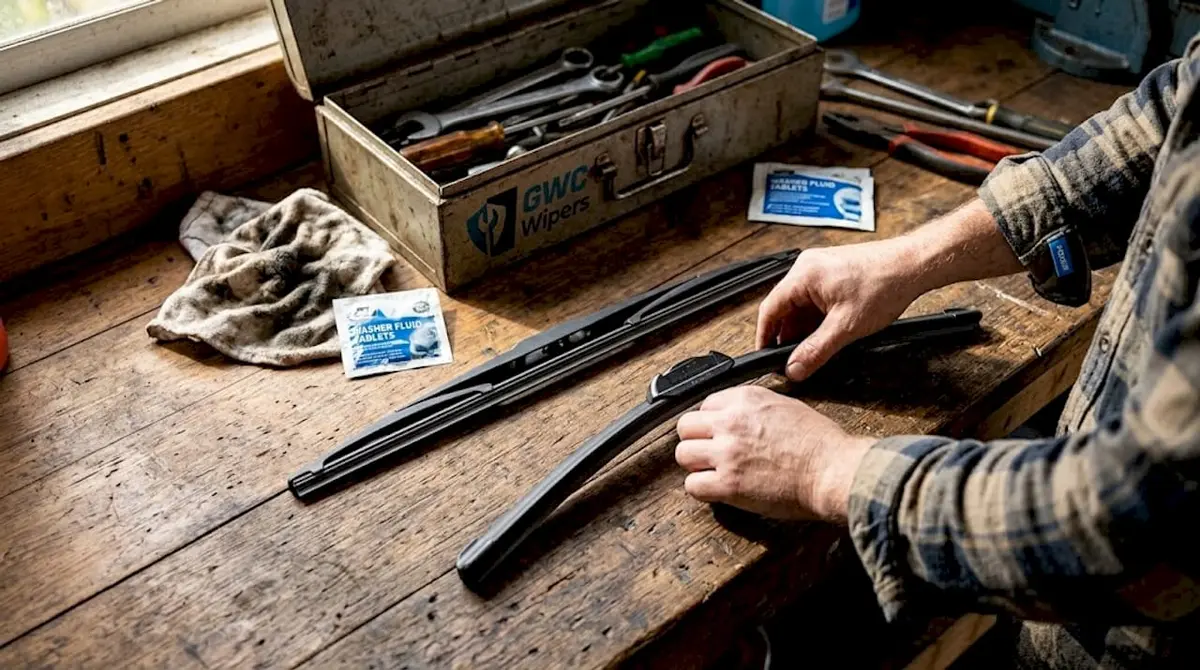
Silicone wipers use a silicone rubber compound instead of natural or synthetic rubber. Silicone is significantly more resistant to UV degradation and heat, which is a real advantage in regions like the Northern Territory or inland Queensland. Over time, silicone blades also deposit a thin hydrophobic layer on the glass, which helps water bead off naturally.
| Blade material | UV resistance | Dust performance | Heat durability | Price |
|---|---|---|---|---|
| Natural rubber | Moderate | Moderate | Moderate | Low |
| Silicone | Excellent | Poor in fine dust | Excellent | High |
| Hybrid (rubber/frame) | Good | Good | Good | Medium |
The caveat for silicone is important. Silicone wipers excel under extreme UV but may chatter or skip in fine dust conditions, while hybrid blades are the better choice for high speeds and modern windscreens. If you drive through dusty regions regularly, the blade material breakdown is worth reviewing before committing to silicone. Drivers in alpine regions should also look at snow-resistant blades, while those with larger vehicles may benefit from heavy-duty options.
Pro Tip: If you choose silicone blades, run them through a few full wipe cycles on a wet windscreen before judging performance. The hydrophobic coating takes a short break-in period to activate properly.
Quick comparison: Which wiper blade type matches your needs?
With four types covered, here is a clear summary to help you match the right blade to your situation.
| Blade type | Best for | Main weakness | Typical cost |
|---|---|---|---|
| Conventional | Older vehicles, tight budgets | Lifts at speed, clogs in dust | Low |
| Beam | Modern cars, highway driving, heavy rain | Higher upfront cost | Medium to high |
| Hybrid | Curved windscreens, mixed conditions | Less widely available | Medium |
| Silicone | High UV, extreme heat regions | Chatters in fine dust | High |
To narrow down your choice, work through this simple checklist:
- What is your vehicle’s windscreen shape? Curved glass needs beam or hybrid.
- What are your primary driving conditions? Dust, heat, rain, or alpine?
- What is your budget? Conventional is cheapest; silicone and beam cost more upfront but last longer.
- How often are you willing to replace blades? Premium types extend the recommended replacement interval.
- Do you drive at highway speeds regularly? If yes, avoid conventional blades.
Beam and hybrid blades suit curved windscreens and high-speed driving, silicone is best for UV-heavy climates, and conventional remains the practical choice for budget-conscious owners of older vehicles.
One common mistake is choosing a blade based on price alone. A cheap conventional blade on a modern curved windscreen will underperform from day one. Equally, paying for premium silicone when you drive mostly on dirt roads is money not well spent. Match the blade to your actual conditions, and you’ll get far better value. For a thorough side-by-side assessment, the detailed wiper review covers the leading options available in Australia.
A realistic approach to choosing wiper blades in Australia
Here is something the product descriptions rarely tell you: the most expensive blade is not always the right blade for your car. After years in the Australian wiper industry, what we consistently see is that drivers who match the blade type to their specific vehicle, climate, and usage pattern get far better long-term results than those who simply buy the most premium option on the shelf.
Australian conditions create unusual wear patterns. The combination of UV, heat, and infrequent but intense rainfall means blades often degrade from the outside in, hardening and cracking before the wipe quality noticeably drops. By the time you notice streaking, the blade has often been compromised for weeks.
Regular maintenance matters more than most drivers realise. Cleaning your blades monthly and parking in shade when possible will extend any blade’s life, regardless of type. Understanding why premium matters is useful, but premium without maintenance still leads to early failure.
For busy DIYers, our honest advice is this: buy a quality beam or hybrid blade suited to your vehicle, check it every three months, and replace it at the first sign of streaking. That routine beats any single product decision.
Find the perfect wiper blades for your car
Now that you know which blade type suits your conditions, finding the right fit for your specific vehicle is the next step.
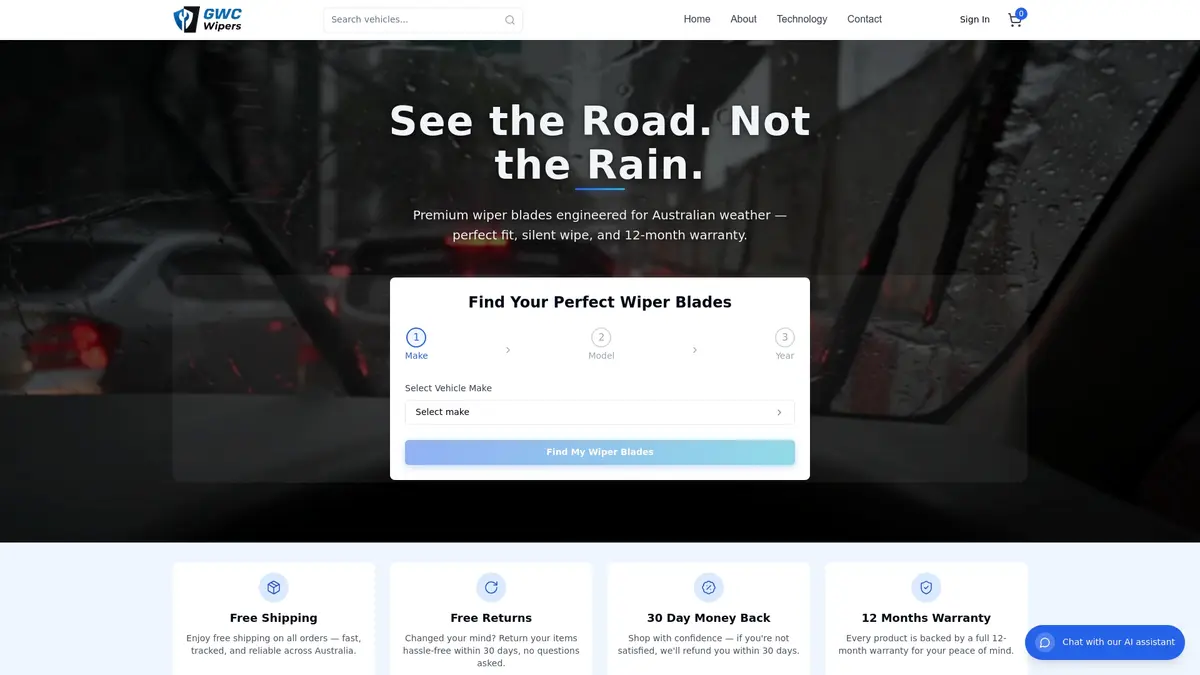
At GWC Wipers, we stock a full range of premium wiper blades matched to popular Australian models. Whether you drive a Toyota or a Mercedes-Benz, our vehicle selector tool makes it simple to find the exact blade for your make, model, and year. Every purchase comes with free shipping across Australia, a 30-day money-back guarantee, and a 12-month warranty. Browse our full range and get the right blades delivered to your door, ready for a straightforward DIY fit.
Frequently asked questions
How often should I replace my wiper blades in Australia?
For best performance, replace your wiper blades every 6 to 12 months depending on UV exposure, rainfall, and how frequently you use them. Blade durability under Australian conditions varies, so inspect them regularly rather than waiting for visible streaking.
Are silicone wiper blades better than rubber for Australian conditions?
Silicone wipers handle heat and UV better than rubber, but silicone is best for UV while rubber offers a better overall balance in mixed conditions, particularly where fine dust is present.
Which wiper blades are best for curved windscreens?
Beam or hybrid wipers provide the best contact and performance on modern curved glass, as their design maintains even pressure across the full arc of the windscreen. Beam and hybrid suit curved windscreens better than conventional frame-style blades.
How do I know which size wiper blades my car needs?
Check your vehicle’s owner’s manual for the correct driver and passenger blade lengths, or use a vehicle-specific fitment guide online to confirm the right size and connector type for your make and model.