
10 important car cleaning supplies every owner should stock
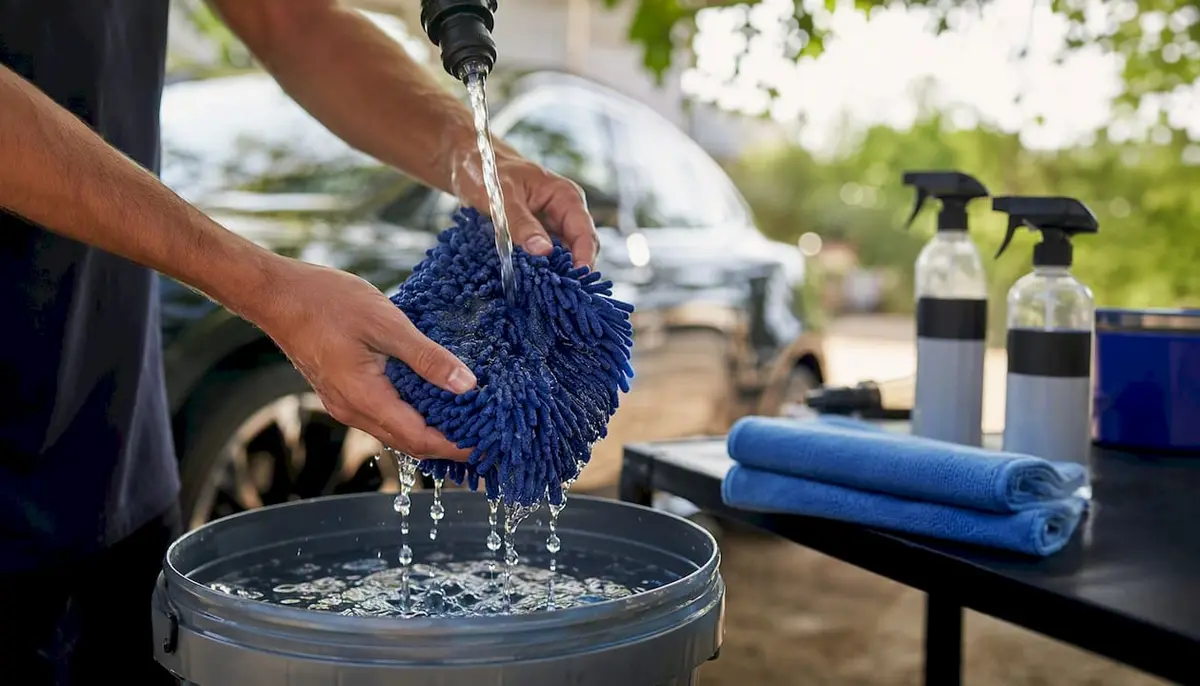
The important car cleaning supplies every owner needs are a wash bucket with a grit guard, a wash mitt, pH-neutral car shampoo, a microfibre drying towel, glass cleaner, an interior cleaner, a vacuum, wheel brushes and tyre cleaner, detailing brushes or microfibre cloths, and a basic wax or sealant. Each one protects a different part of your car, from the clear coat on your panels to the plastic on your dash, and together they turn a messy job into a quick, low-risk routine.
- Wash bucket with grit guard
- Wash mitt (microfibre or lambswool)
- pH-neutral car shampoo
- Microfibre drying towel
- Glass cleaner
- Interior cleaner
- Handheld or car vacuum
- Wheel brush and tyre cleaner
- Detailing brushes and microfibre cloths
- Basic wax or sealant
Key Takeaways
Building a car cleaning kit around ten core items protects your paint, glass and interior far better than buying products piecemeal as problems appear.
| Point | Details |
|---|---|
| Start with the core ten | Bucket, mitt, shampoo, towel, glass cleaner, interior cleaner, vacuum, wheel tools, brushes and wax cover nearly every job. |
| Use the two-bucket method | A grit guard and separate rinse bucket stop dirt from grinding into paint during a wash. |
| Match shampoo to your paint | pH-neutral shampoo cleans without stripping existing wax, sealant or ceramic protection. |
| Treat wheels separately | Dedicated wheel cleaner and brushes handle brake dust that ordinary shampoo cannot shift. |
| Replace wipers on schedule | Streaking, chatter or age past 12 months means it is time for new blades. |
Table of Contents
- The essential car care products checklist explained
- What is the safest way to hand wash a car?
- What’s the best way to dry a car without scratching it?
- Which cleaners are safe for wheels and tyres?
- What do you need for streak-free windows and clear visibility?
- How do you clean a car’s interior properly?
- Which detailing extras are worth adding later?
- How do you choose the right car cleaning products?
- What’s a quick 20 to 30 minute weekly car clean?
- How should you store and handle cleaning chemicals safely?
- A practical view on what actually matters
- Sources
- FAQ
The essential car care products checklist explained
Buying the right gear matters more than buying a lot of it. Here is what each item actually does and what to look for on the shelf.
Wash bucket with grit guard. The guard sits at the base of the bucket and traps grit before your mitt touches it again. Look for a bucket of sufficient large capacity, sold on its own or as part of a two-bucket kit.
Wash mitt. A microfibre or genuine lambswool mitt holds far more suspended dirt than a sponge, which is why sponges have fallen out of favour with anyone serious about paint care. Choose a mitt with long, dense fibres rather than a flat, thin weave.
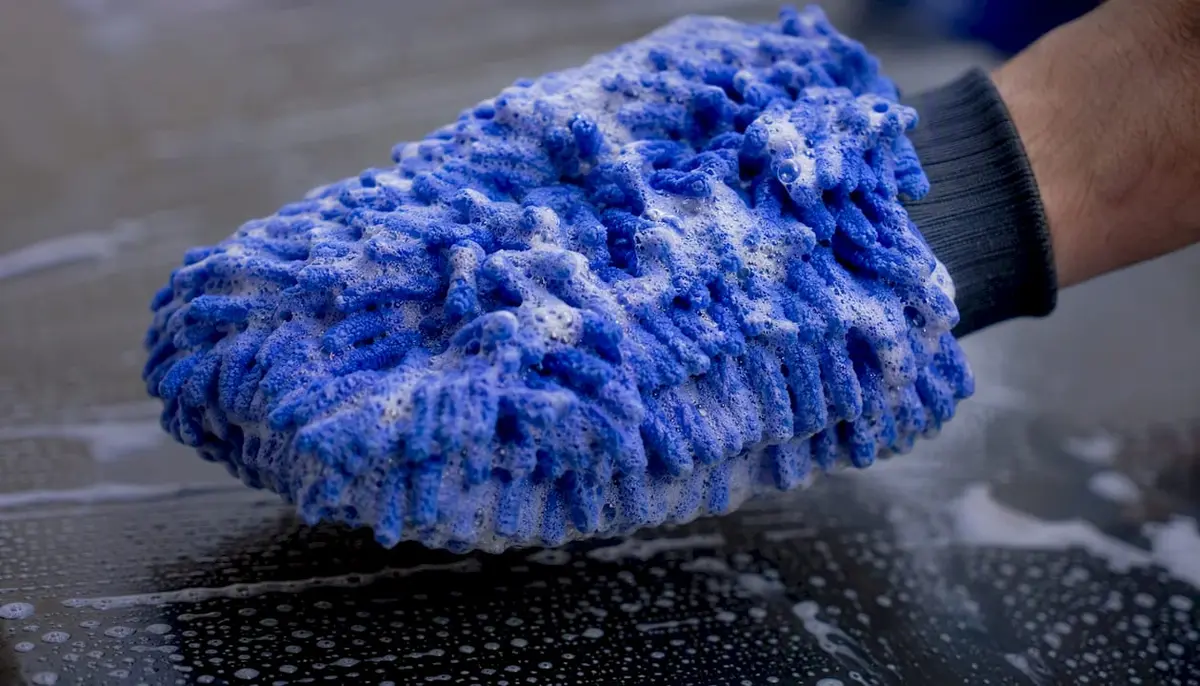
pH-neutral car shampoo. This is the product that does the actual cleaning, and it is also the one most owners get wrong by grabbing dish soap instead. Starter kits typically pair a pH-neutral shampoo with a quality mitt and drying towel, because that combination is genuinely all a new owner needs to get a safe first wash right.
Microfibre drying towel. A large, plush towel (aim for a high GSM rating) pulls water off the panel instead of dragging it, which is what causes fine scratches. Waffle-weave towels are a common alternative for owners who want extra absorbency.
Glass cleaner. Ammonia-free formulas are safer around tinted windows and interior trim, and they leave less residue for your wipers to smear later.
Interior cleaner. One all-purpose interior cleaner, safe on plastic, vinyl and fabric, covers most jobs. Leather needs its own dedicated conditioner.
Vacuum. A cordless handheld unit is fine for quick cleanups; a corded shop vac with a hose attachment handles carpets and boot space better on bigger jobs.
Wheel brush and tyre cleaner. Wheels collect brake dust that ordinary shampoo will not shift, so a dedicated cleaner and a soft-bristle brush earn their place in the kit.
Detailing brushes and microfibre cloths. Cheap, small brushes get into vents, badges and door shuts where a mitt cannot reach.
Wax or sealant. A basic spray wax or paste sealant applied every few months adds a layer of protection and makes the next wash easier.
What is the safest way to hand wash a car?
The two-bucket method is the safest way to hand wash a car without inflicting swirl marks on the paint. One bucket holds soapy water, the other holds clean rinse water with a grit guard at the bottom, and you dunk your mitt in the rinse bucket after every panel to knock loose grit off before it goes back into the soap.
Here is the sequence that keeps your paint safe:
- Pre-rinse the whole car, including wheel wells and the underbody, with a hose or pressure washer. Loose dirt removed here is dirt that never touches your mitt, and the Bunnings guide to washing a car recommends this step specifically to stop grit from abrading the clear coat during contact washing.
- Apply shampoo from the top down, working roof, bonnet and boot first, then the sides, then the lowest and dirtiest panels last.
- Rinse the mitt in the grit-guard bucket after every panel, never straight back into the soap.
- Final rinse from the top down, using a wide fan setting so sheeting water carries dirt away rather than dragging it across the panel.
For shampoo, pick a formula described as pH-neutral and high-lubricity. It glides the mitt across the paint with less friction, and unlike stripping detergents, a pH-neutral wash will not remove existing wax, sealant or ceramic coating, which matters if you have already invested in paint protection. A foam cannon attached to a pressure washer is a worthwhile upgrade if you wash weekly, since it blankets the car in cleaning suds before you ever touch it with a mitt.
Pro Tip: Keep your grit guard bucket topped up with clean water and rinse the mitt with a firm swirl against the guard’s ridges, not just a dip. A quick dip barely dislodges grit; a proper swirl actually knocks it loose.
What’s the best way to dry a car without scratching it?
A high-GSM microfibre drying towel, used with a light patting or dragging motion rather than hard rubbing, is the safest way to dry a car and avoid the fine swirl marks that come from rough fabric. Waffle-weave towels are a popular alternative because their textured surface holds extra water without adding drag.
- Fold the towel into quarters so you always have a clean, grit-free section against the paint.
- Work from the top down again, since gravity means the lowest panels are always the wettest and dirtiest last.
- Blot glass and mirrors separately with their own towel to avoid transferring residue from body panels.
Once the car is dry, decide between wax, sealant or a spray detailer. A paste or liquid wax gives a warm gloss and lasts a few months; a synthetic sealant lasts longer and shrugs off contamination better; a quick spray detailer between full washes tops up gloss and adds a thin protective layer without much effort. Some wash-and-wax shampoos combine the cleaning and protection step for owners who want a simpler routine.
Pro Tip: Never let water sit and air-dry on dark paint in direct sun. It bakes mineral spots into the clear coat that need polishing to remove.
Which cleaners are safe for wheels and tyres?
Purpose-made wheel cleaner and a soft-bristle wheel brush, not household detergent, are what safely shift brake dust without damaging the finish. Dedicated wheel brushes and tyre cleaners remove grime more effectively than generic tools, largely because they are formulated or shaped for the specific grime wheels attract.
- Check whether your wheel cleaner is acidic or pH-balanced. Acidic formulas cut through heavy brake dust fast but can damage lacquered or painted alloys with prolonged contact, while pH-balanced cleaners are gentler and safer for daily use.
- Use a separate, softer brush for tyres to apply dressing evenly.
- Clean wheels and tyres first, before the rest of the car, and rinse thoroughly. That way any brake dust splashback lands on panels you are about to wash anyway, rather than on paint you have already cleaned and dried.
- Wear gloves when handling wheel cleaner concentrate, since brake dust contains fine metallic particles best kept off bare skin.
What do you need for streak-free windows and clear visibility?
A streak-free glass cleaner, a lint-free microfibre towel or squeegee, and wiper blades in good condition are the core essentials for visibility, and none of them work well without the others. A glass cleaner can leave a spotless windscreen, but a worn wiper blade will smear that same glass the next time it rains.
- Spray glass cleaner directly onto the towel, not the glass, to stop overspray from reaching your dashboard trim.
- Wipe in straight lines, horizontal on the outside and vertical on the inside, so you can spot which side any remaining streak is on.
- Finish with a dry microfibre pass or a squeegee for a fully streak-free result, a technique detailed in this streak-free glass cleaning method.
Replace your wiper blades as soon as you notice streaking, juddering or chatter across the glass, or once they hit around 12 months of age regardless of how they look, since rubber degrades from UV exposure even when the car sits idle. Com’s vehicle fitment tool matches blades to more than 2,500 makes and models, and every set ships with a fitment guarantee, free shipping and a 12-month warranty, so getting the right blade the first time is straightforward.
Small extras worth keeping in the glovebox:
- De-icer spray for frosty mornings
- Rain-repellent glass treatment
- Headlight cleaner for oxidised plastic lenses
- Spare wiper fluid concentrate
How do you clean a car’s interior properly?
A small vacuum, microfibre cloths, an all-purpose interior cleaner and a soft brush set cover almost every interior job a typical car needs. Vacuum first, always, since cleaning fabric or trim while loose grit is still sitting in the seams just grinds dirt deeper into the material.
- Use a dedicated leather conditioner on leather seats. General plastic and vinyl cleaner is too harsh and will dry leather out over time.
- Clean the dashboard and door trims with a barely-damp microfibre cloth, working in sections rather than saturating the panel.
- Spot-clean fresh stains immediately with a blotting motion rather than rubbing, which just spreads the stain wider.
- Deal with odours at the source (spilled food, damp carpet) rather than masking them with air freshener.
Pro Tip: Keep one microfibre cloth set exclusively for the interior. Using the same cloth on wheels and then on your dashboard is how brake dust ends up ground into your upholstery.
Which detailing extras are worth adding later?
Clay bars, iron removers, a dual-action polisher and fine detailing brushes are useful once you have the core kit sorted and want to go further, but none of them are needed for a routine wash.
- A clay bar lifts embedded contaminants (tar, tree sap, industrial fallout) that shampoo alone cannot shift. Use it maybe twice a year, not every wash.
- An iron remover dissolves embedded brake dust particles on paint and wheels, usually as a pre-clay treatment.
- A DA polisher removes swirl marks and light scratches, but it is a significant purchase. Hire or borrow one before buying, since most owners only need it occasionally.
- Buy sample sizes of new chemicals first. A 100ml trial bottle tells you if a product suits your paint before you commit to a full-size bottle.
How do you choose the right car cleaning products?
Choosing well comes down to a handful of rules: pick purpose-built automotive products, check they are pH-balanced, and make sure microfibre items match the job. Products designed for cars account for paint clear coats, protective coatings and interior plastics in a way household cleaners simply are not formulated to do.
- Shampoo: pH-neutral, labelled safe for wax or ceramic coatings.
- Microfibre: higher GSM (300 plus) for drying and buffing, lower-pile short-nap cloths for glass and interior trim.
- Wheel cleaner: a dedicated automotive formula, not a general degreaser.
- Avoid: dish soap, laundry detergent or bathroom cleaners. They strip protective coatings and can dull paint over repeated use.
- Never mix chemical products together, especially anything acidic with anything containing bleach, and always read the label before use.
- If your car has a matte or satin finish, or a wrap, check the product is explicitly labelled safe for that finish before applying it.
What’s a quick 20 to 30 minute weekly car clean?
A short sequence of pre-rinse, wheels, two-bucket wash, rinse, dry and a glass and interior wipe-down fits comfortably into a 20 to 30 minute slot and keeps a car looking maintained between deeper cleans.
- Pre-rinse the whole car (2 to 3 minutes), including wheel arches.
- Clean wheels and tyres first with dedicated cleaner and brush (5 minutes), then rinse.
- Two-bucket contact wash, top to bottom (8 to 10 minutes).
- Final rinse, top to bottom (2 minutes).
- Dry with a microfibre towel (5 minutes).
- Glass cleaner and a quick interior wipe-down (3 to 5 minutes).
If you are pressed for time, skip the interior vacuum and save it for the weekend, but never skip the pre-rinse. Washing straight over dry, gritty panels is the single fastest way to add fresh scratches to paint you were trying to protect.
How should you store and handle cleaning chemicals safely?
Wear gloves and eye protection when handling concentrated wheel cleaner or glass cleaner, store all solvents in a cool, dry place out of direct sunlight, and never pour leftover chemicals down a storm drain. Safe Work Australia’s guidance on hazardous chemicals covers the handling and storage principles that apply just as much in a home garage as a workplace.
- Keep chemicals in their original, labelled containers.
- Store concentrates on a shelf, not the garage floor, away from kids and pets.
- Dispose of used wash water on a lawn or through a drain connected to sewer, never into a stormwater drain that runs to waterways.
- Keep a basic first-aid kit nearby, since accidental splashes to eyes or skin are the most common cleaning mishap.
Checking a product’s label and safety data sheet before first use is a simple habit that avoids most chemical mishaps in a home garage.
A practical view on what actually matters
Most of the car cleaning advice out there overcomplicates a simple job. You do not need twenty products. You need ten good ones, used in the right order, and a wiper blade that actually fits your car. Visibility gets overlooked constantly in detailing content, which is odd given it is the one car care item with a direct safety consequence. Com’s fitment tool and 12-month warranty exist because a wiper that is slightly wrong for your windscreen defeats the purpose of everything else in your kit.
Sources
- Jimscleaning
- Waxit Car Wash Kit | Beginner Car Wash Kit Safe on All Cars! – Waxit Car Care
- Hybrid Ceramic Wash & Wax — Meguiar’s Australia
- Safeworkaustralia
- How to clean your car — Bunnings
FAQ
What are the essential items for car cleaning?
A wash bucket with grit guard, wash mitt, pH-neutral shampoo, microfibre drying towel, glass cleaner, interior cleaner, vacuum, wheel brush and tyre cleaner, detailing brushes and a basic wax cover nearly all routine cleaning needs.
What cleaning products do I need for my car?
At minimum, a pH-neutral car shampoo, a dedicated wheel cleaner and a general interior cleaner safe on plastic and fabric. Add a wax or sealant once the basics are covered.
What products do professional car cleaners use?
Professionals rely on the same categories as home detailers, but often at a higher grade: two-bucket wash systems, high-GSM microfibre towels, dedicated wheel chemicals and, for deeper work, clay bars and dual-action polishers.
What do professional car detailers use?
Detailers typically add clay bars, iron removers and machine polishers to the standard wash kit for correction work, alongside pH-neutral shampoos and purpose-built wheel cleaners for routine maintenance.
How often should I clean my wiper blades?
Wiping the blade edge with a damp microfibre cloth every few weeks removes grit that causes streaking, and blades themselves are worth replacing roughly every 12 months or sooner if they streak or chatter.