
Winter car care checklist: Prepare your car for safety
TL;DR:
- Australian winter car care focuses on tires, batteries, wipers, lights, fluids, and snow chains.
- Proper maintenance prevents accidents caused by wet roads, poor visibility, and mechanical failures.
- Upgrading to premium wiper blades and carrying essential emergency gear enhances winter safety.
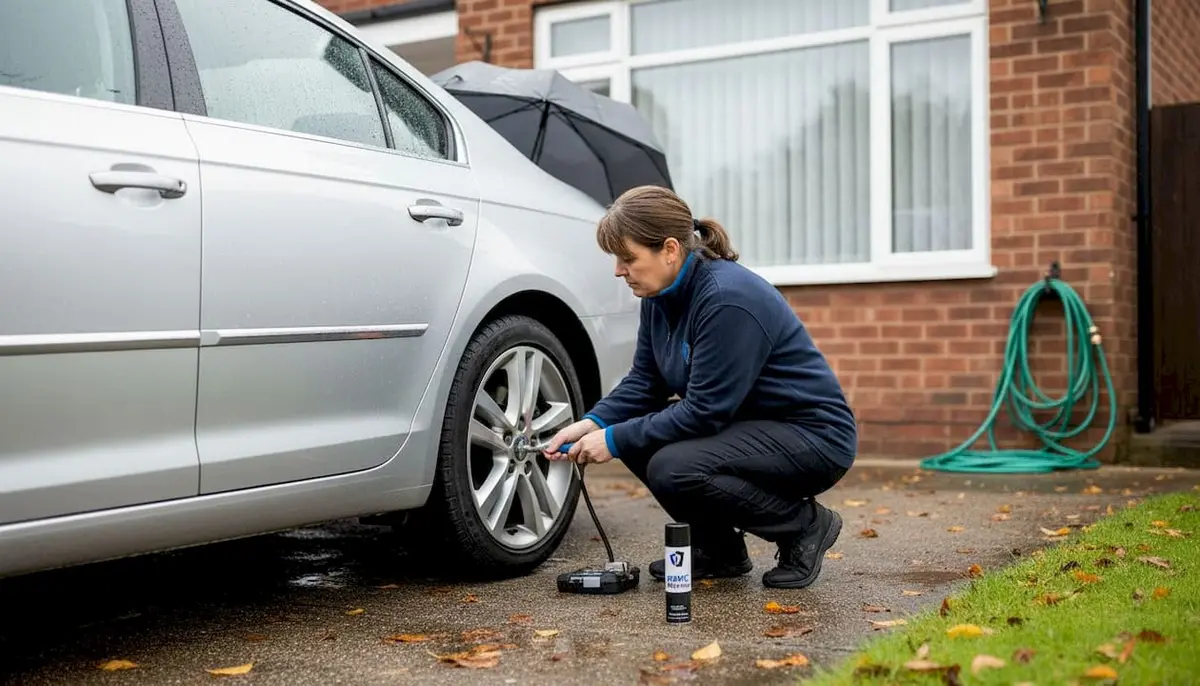
Australian winters can catch even experienced drivers off guard. One morning you’re cruising in mild sunshine, and the next you’re navigating slick, rain-soaked roads with a windscreen fogged up and wipers that streak more than they clear. A breakdown or near-miss in these conditions is not just inconvenient — it can be genuinely dangerous. The good news is that most winter car problems are entirely preventable with a structured approach. This checklist walks you through every critical area of winter car care, from tyres and batteries to wiper blades and emergency gear, so you can drive with confidence all season long.
Table of Contents
- Assessing your car’s winter readiness: The essential criteria
- Tyres, brakes and batteries: The foundation of safe winter driving
- Vision and visibility: Wipers, lights and defogging strategies
- Fluids and emergency gear: What to check and carry for winter
- Quick reference: Your winter car care checklist
- A practical perspective on winter car care in Australia
- Upgrade your winter car care with our proven essentials
- Frequently asked questions
Key Takeaways
| Point | Details |
|---|---|
| Check critical systems | Prioritise tyres, brakes, and battery checks for winter reliability. |
| Clean and clear vision | Replace worn wipers and clean lights for safer driving in rain and fog. |
| Prepare for emergencies | Carry essential fluids, snow chains where required, and a simple safety kit. |
| Australian conditions first | Follow advice tailored for Australian winters, not just overseas guides. |
Assessing your car’s winter readiness: The essential criteria
Winter car care is not about panicking at the first cold snap. It’s about working through a clear, logical assessment of your vehicle before conditions deteriorate. Starting with a structured framework saves you time and ensures nothing important gets overlooked.
Here are the six core areas every Australian driver should assess before winter sets in:
- Tyres — Check tread depth, pressure, and overall condition for wet weather grip.
- Battery — Cold temperatures reduce battery output; test any battery older than three years.
- Wiper blades — Streaking or skipping blades are a safety risk in heavy rain. Regular wiper replacements are one of the simplest ways to protect visibility.
- Fluids — Coolant, oil, brake fluid, and windscreen washer fluid all need attention.
- Lights — Headlights, brake lights, and indicators must be clean and fully operational.
- Snow chains — If you’re heading to alpine regions in Victoria or New South Wales, chains are a legal requirement.
Unlike Europe or North America, Australia does not experience widespread freezing conditions across most of the country. That means no widespread winter tyres needed for the vast majority of Australian drivers. Instead, the focus shifts to wet road performance, reliable visibility, and mechanical soundness. Investing in premium wiper blades designed for Australian conditions makes a real difference when the rain sets in.
Pro Tip: Work through this list in a single afternoon. A methodical two-hour check before winter arrives is far less stressful than dealing with a roadside failure in the cold.
Tyres, brakes and batteries: The foundation of safe winter driving
Now, let’s break down the mechanical must-dos every driver should tackle first. These are the systems that keep your car moving safely, and they are the ones most likely to let you down if ignored.
Tyres
Wet roads are the defining hazard of an Australian winter. Your tyres are the only contact point between your vehicle and the road, so their condition matters enormously. The legal minimum tread depth in Australia is 1.5mm, but that bare minimum is not where you want to be. Stopping distance increases by 9.5 metres at 3mm of tread compared to the legal minimum, and by a staggering 18.6 metres at 1.5mm in wet conditions. That is the difference between stopping safely and a collision.
Check your tyre pressure too. Cold air causes pressure to drop, and underinflated tyres reduce handling and increase fuel consumption.
Brakes
If your brakes feel spongy, pull to one side, or take longer to respond, get them inspected before winter. Worn brake pads on wet roads are a serious hazard. A qualified mechanic can assess pad thickness and rotor condition quickly.
Battery
Cold mornings draw more power from your battery. If your battery is more than three years old, have it load-tested at a service centre or auto parts store. Many offer free testing.
Key warning signs your battery needs attention:
- Slow engine cranking on startup
- Dashboard battery warning light
- Electrical accessories behaving erratically
- Battery case that looks swollen or corroded
Pro Tip: Don’t let a battery older than three years go untested before winter. Reliability drops sharply in cold conditions, and a flat battery on a wet morning is a genuinely miserable experience. Knowing the correct wiper blade sizes for your car is equally important — fit the right blade and avoid unnecessary streaking all season.
Vision and visibility: Wipers, lights and defogging strategies
With mechanicals sorted, it’s time to ensure you can see and be seen in all winter conditions. Poor visibility is one of the leading contributors to wet weather accidents, and it is almost entirely preventable.
Wiper blades
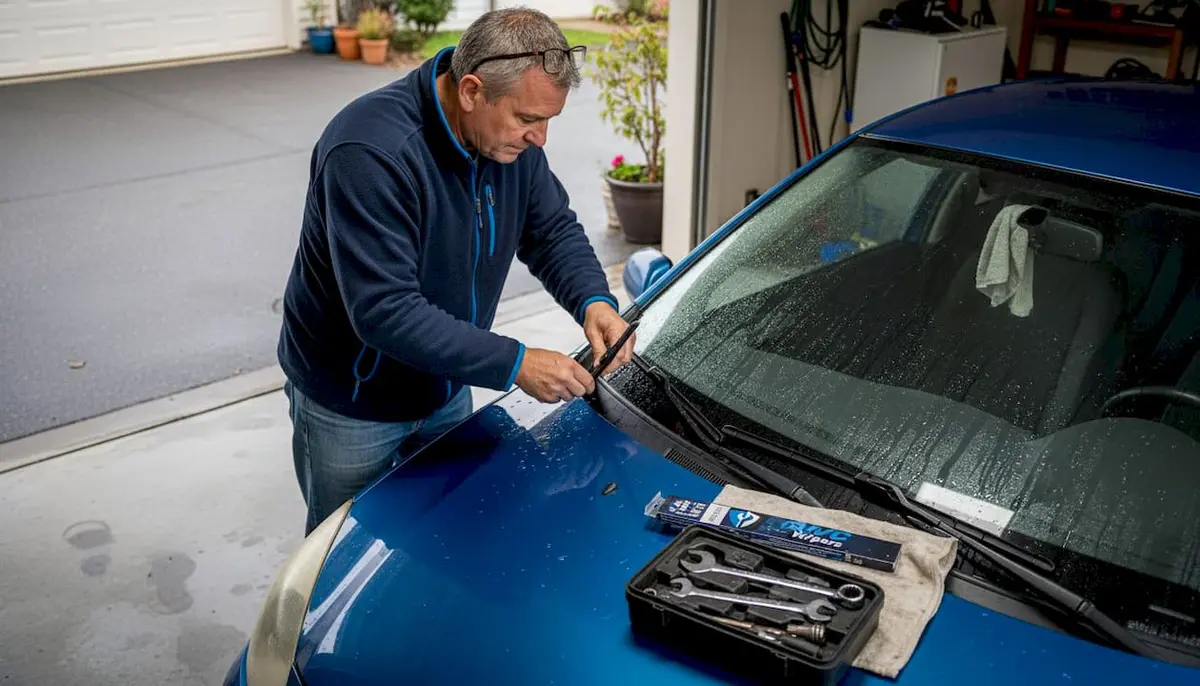
Your wipers work harder in winter than at any other time of year. A blade that streaks, skips, or chatters across the windscreen is not clearing rain effectively. That split-second gap in visibility at highway speed is all it takes for an incident to occur. High-quality wiper blades are indispensable for Australian winters, where heavy downpours can arrive with little warning.
Here is a quick comparison of basic versus premium wiper blades:
| Feature | Basic wiper blades | Premium wiper blades |
|---|---|---|
| Material | Standard rubber | Silicone or advanced rubber |
| Lifespan | 6 to 12 months | 12 to 24 months |
| Wet weather performance | Adequate in light rain | Superior in heavy rain |
| Streak resistance | Moderate | High |
| UV and heat resistance | Low | High |
| Noise level | Can chatter | Quieter operation |
For Australian conditions, premium blades are worth the investment. You can explore wiper performance testing to understand exactly what separates a reliable blade from a mediocre one.
Lights
Check every light on your vehicle: headlights, high beams, brake lights, reversing lights, and indicators. Winter rain and overcast skies reduce visibility significantly, and a faulty brake light means the driver behind you has less warning than they need.
Managing interior fog
Condensation on the inside of your windscreen is a winter staple. Use these strategies to clear it fast:
- Turn on your air conditioning with the heater to remove moisture from cabin air.
- Use your rear demister immediately after starting the car.
- Crack a window slightly to equalise interior and exterior temperatures.
- Keep a clean microfibre cloth in the glovebox for quick wipe-downs.
Fluids and emergency gear: What to check and carry for winter
Visibility is only one part of preparation: winter liquids and emergency gear are next. Getting these right means you are prepared for both everyday winter driving and the unexpected.
Essential fluids to check
| Fluid | What to check | Recommended interval |
|---|---|---|
| Coolant (antifreeze) | Level and concentration | Before winter and every 2 years |
| Engine oil | Level and viscosity grade | Every 5,000 to 10,000 km |
| Brake fluid | Level and colour (dark = old) | Annually or per manufacturer |
| Windscreen washer fluid | Level and freeze resistance | Top up monthly in winter |
For your windscreen washer fluid, use a product rated for low temperatures if you are travelling to alpine areas. Plain water will freeze in the reservoir and can crack the pump.
Emergency gear checklist
- Snow chains (diamond pattern, mandatory in alpine resorts in Victoria and New South Wales)
- Torch with fresh batteries
- Warm blanket or emergency thermal blanket
- Basic tool kit (screwdrivers, pliers, zip ties)
- Jumper cables or a portable jump starter
- First aid kit
- Bottled water and a snack bar
For alpine travel, snow chains are mandatory for all vehicles, including 4WDs, when entering designated resort areas such as Mt Buller and Thredbo. Carry the correct size for your tyres and practise fitting them at home before you go.
Pro Tip: Fitting snow chains for the first time in a blizzard on the side of a mountain is not the moment to learn. Practise in your driveway on a dry day. It takes about 15 minutes once you know the process. Our DIY wiper installation guide follows the same principle: a quick practice run saves real stress later.
Quick reference: Your winter car care checklist
Pulling it all together, here’s your quick-use winter checklist. Save it, print it, or photograph it for your next pre-season check.
Tyres and brakes
- Tread depth above 3mm (legal minimum is 1.5mm, but more is safer)
- Tyre pressure checked and adjusted for cold weather
- Brake pads and rotors inspected by a mechanic
- No unusual pulling, vibration, or spongy pedal feel
Battery and electricals
- Battery load-tested if older than three years
- All lights operational: headlights, brake lights, indicators, reversing lights
- Wiper blades replaced if streaking, skipping, or older than 12 months
Visibility
- Windscreen clean inside and out
- Rear demister functioning correctly
- Air conditioning operational for defogging
- Premium wiper blades fitted and tested
Fluids
- Coolant level and concentration checked
- Engine oil level and condition checked
- Brake fluid level and colour checked
- Windscreen washer fluid topped up with a winter-rated product
Emergency gear (especially for alpine and regional travel)
- Snow chains packed and correctly sized (mandatory for alpine resorts)
- Torch, blanket, and basic tools in the boot
- Jumper cables or portable jump starter packed
- First aid kit up to date
This checklist covers every area discussed in this guide. Work through it systematically and you will head into winter knowing your vehicle is genuinely ready.
A practical perspective on winter car care in Australia
Here is our candid take on what matters most and what does not for Australian winter car care. One of the most common mistakes we see is Australian drivers following European or American winter advice without considering how different our conditions actually are. Buying dedicated winter tyres, for instance, is an expensive and unnecessary step for the vast majority of drivers in Sydney, Melbourne, Brisbane, or Perth. Our winters are wet, not frozen.
What genuinely matters here is mechanical reliability, clear visibility, and legal compliance for snow regions. The single most overlooked item is almost always the wiper blades. Drivers will spend hundreds on a service but ignore blades that are clearly past their best. In a heavy downpour on the Hume Highway, that decision can have serious consequences.
Our experience working with Australian drivers also reveals a surprising pitfall: people prepare for the cold but forget the wet. Waterproofing your preparation — quality wipers, fresh washer fluid, functioning lights — is what actually keeps you safe. For those heading to alpine areas, heavy-duty wipers for Australia designed for extreme conditions are a smart addition to your winter kit.
Upgrade your winter car care with our proven essentials
You now have a clear, actionable plan for winter readiness. The next step is making sure your vehicle has the right parts to back it up.
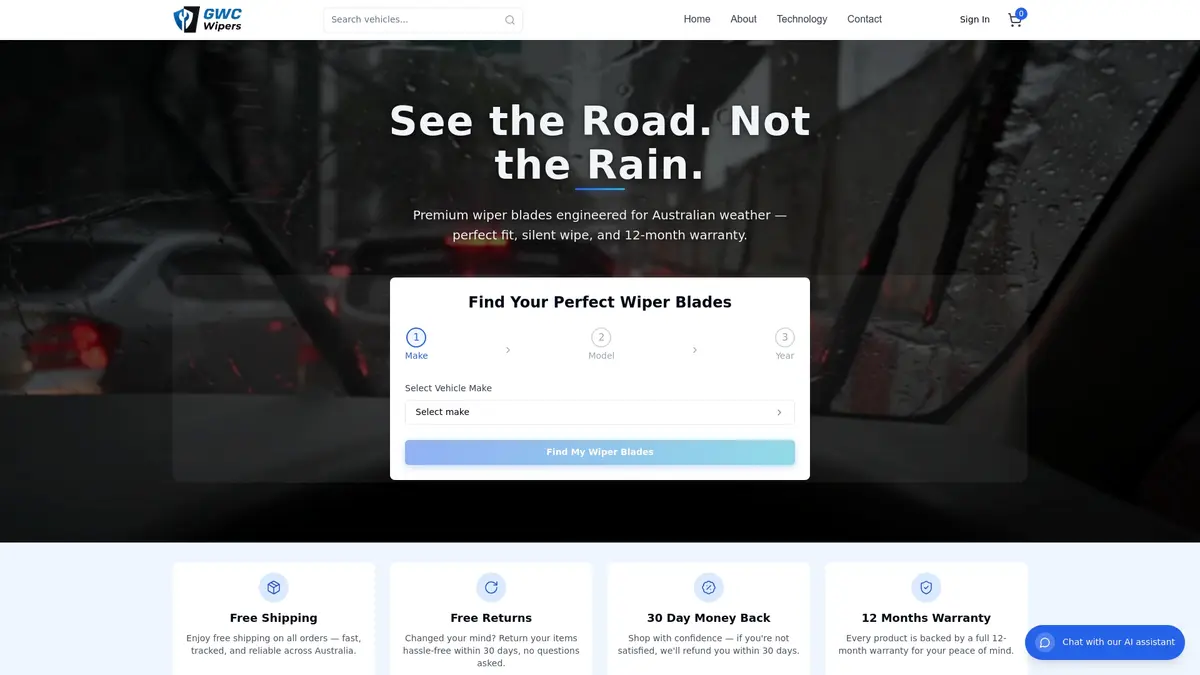
At GWC Wipers, we specialise in premium wiper blades engineered for Australian conditions, from coastal downpours to alpine snowfall. Our vehicle selector makes it simple to find the exact blade for your car. Whether you drive a Ford Laser or a Mercedes-Benz GLE, we have a blade that fits perfectly and performs reliably. Every order includes free shipping across Australia, a 30-day money-back guarantee, and a 12-month warranty. Browse our full range of premium wiper blades today and tick the most important visibility upgrade off your winter checklist.
Frequently asked questions
Do I need winter tyres in Australia for winter driving?
Most Australian drivers do not need winter tyres, but you must ensure your tyres have good tread depth and adequate pressure. If you are travelling to alpine areas, snow chains are required for all vehicles entering designated resort zones.
Why check tyre tread before winter rain?
Worn treads dramatically increase stopping distances on wet roads. Stopping distance grows by up to 18.6 metres at 1.5mm of tread compared to a well-worn but legal tyre, making accidents far more likely in wet conditions.
Are snow chains legally required in any parts of Australia?
Yes. Snow chains are mandatory for all vehicles, including 4WDs, when entering designated alpine resorts in Victoria and New South Wales. Alpine resort requirements apply to destinations such as Mt Buller and Thredbo.
What emergency gear should I carry for winter trips?
Essential gear includes a torch, a warm blanket, jumper cables, a basic tool kit, and snow chains if you are heading to alpine regions. A first aid kit and bottled water are also strongly recommended for any long regional journey.
Recommended
- Why choose premium wiper blades for your car in 2026 | GWC Wipers
- Understanding wiper blade performance testing for safer driving in 2026 | GWC Wipers
- Why regular wiper blade replacement matters for drivers | GWC Wipers
- Chrysler Wiper Blades | Perfect Fit Guaranteed | GWC Wipers Australia | GWC Wipers