
30 Day Guarantee: Install Side Pin Wipers Yourself in Australia
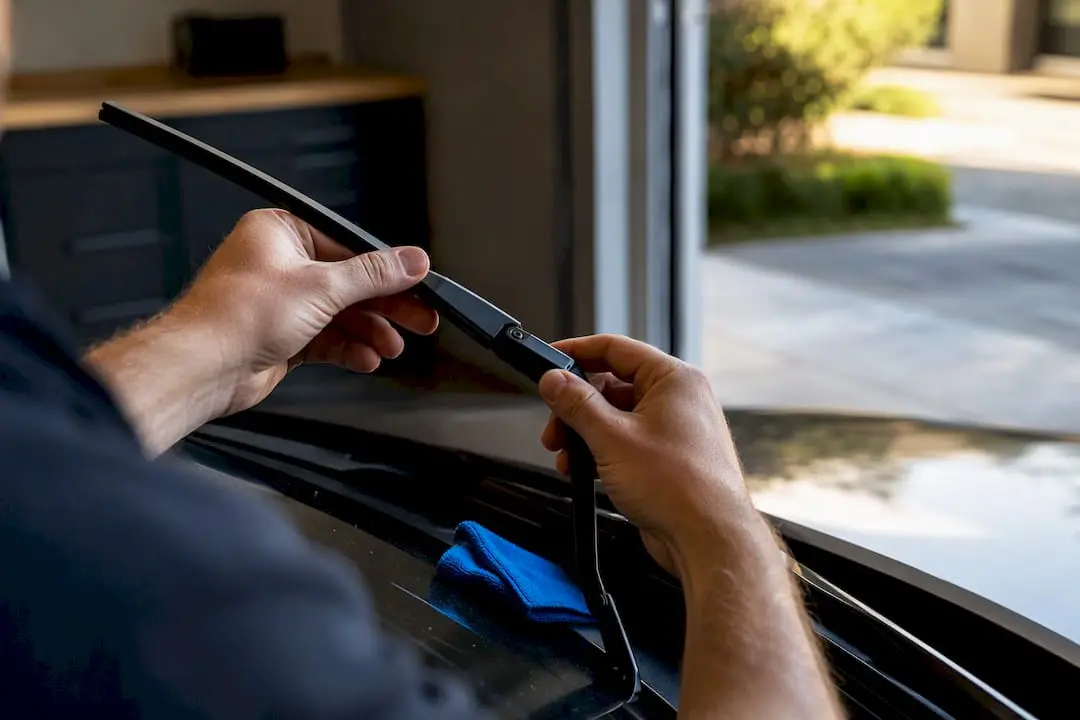
Yes, you can fit a side pin blade yourself. If your wiper arm ends in a short round post sticking out from the side of the tip, you’re looking at a side pin arm, and the job is a straightforward slide and click. Confirm the pin shape first, listen for a firm click when the blade seats, then run a quick tug test before you trust it on the road. If anything feels loose or the arm looks different, check your handbook or use a proper vehicle selector before forcing anything.
TL;DR:
- Identifying a side pin wiper arm requires checking for a short, round post on the tip, with fitment depending on shape rather than measurement alone.
- Proper removal involves gently releasing the blade, applying penetrating oil if stuck, and avoiding prying to prevent damage to the glass or arm.
- Installation must include fitting the correct adapter, lining up the pin hole, and listening for a distinct click to ensure a secure seat.
- Testing after installation involves tugging the blade, running the wipers at low then high speed, and listening for any scraping or streaking sounds.
- Using vehicle-specific fitment tools and guarantees prevents incorrect parts, with shape being more critical than size for proper side pin connection.
Table of Contents
- How do I identify a side pin wiper arm?
- Removing the old blade without damaging the glass
- Fitting the new blade: adapter, alignment and the click
- How do I test a side pin wiper after installation?
- Common side pin wiper problems and fixes
- Keeping side pin blades performing between replacements
- Why fitment tools and guarantees matter more than guesswork
- What Australian drivers get wrong about side pin fitment
- Order the exact side pin set for your car
- Sources
- FAQ
How do I identify a side pin wiper arm?
A side pin connector is easy to spot once you know what you’re looking for: a short, round post protruding from the side of the arm tip, rather than a hooked end or a button on top. Lift the arm away from the glass and look closely at the tip. J-hooks curl over like a shepherd’s crook, pinch tabs have a small lever you squeeze, and push-button arms hide the release under the blade itself. A side pin sits visibly to the side, ready for a blade to slide straight on.
Sizing varies, but fitment depends on the shape of the side pin rather than the measurement alone. The same millimetre figure can describe two completely different connector designs, so measurement alone can mislead you if you skip the visual check.
- Lift each arm and inspect the tip shape before buying anything.
- Compare the driver’s side and passenger’s side. Most vehicles use matching connectors, but not all.
- If in doubt, check both the arm tip and the blade’s adapter, since connector design (pin position, saddle width, side lock tabs) governs compatibility, not the mm label on the box.
Removing the old blade without damaging the glass
Park on flat ground, kill the ignition, and switch the wipers off before you touch anything. A stray flick of the wiper switch with your hand near the arm is how people end up with cracked glass or pinched fingers.
- Lay a towel or microfibre cloth across the windscreen where the arm will rest, so metal never touches glass directly.
- Lift the arm slowly and hold it steady rather than letting it snap down.
- Find the small release tab or button on the blade and press it while sliding the blade off the pin.
- If the blade won’t budge, stop. Don’t pry or lever the arm.
A stuck blade is usually corrosion or a stiff spring, not a design fault. Applying a light penetrating oil and working the mechanism gently usually frees it; forcing it risks bending the arm or shifting its resting position on the glass, which throws off wipe coverage permanently.
Fitting the new blade: adapter, alignment and the click
Most side pin replacement blades ship as multi-fit kits, which means they arrive with several adapters in the box, hook, pinch tab, side pin, and sometimes a bayonet fitting too. Check which adapter is pre-fitted before you start. If it’s not the side pin adapter, you’ll need to swap it out, since an adapter cannot convert a fundamentally different arm design into another one, it only lets one blade suit several connector shapes.
- Remove the pre-fitted adapter if it doesn’t match your side pin arm, following the release tab on the adapter itself.
- Fit the correct side pin adapter onto the blade, checking it seats flush with no visible gap at the join.
- Align the adapter’s pin hole directly with the arm’s pin, keeping the blade parallel to the arm.
- Slide the blade onto the pin firmly until you feel and hear a distinct click.
- Check the blade pivots freely at the join. It should swing without resistance and without wobble.
- Repeat the same sequence on the passenger side, then compare both blades side by side for identical seating.
Pro Tip: Do the driver’s side first, then the passenger side straight after while the technique is still fresh in your hands. Comparing both blades immediately makes it obvious if one has seated slightly differently.
Never force the blade further once it stops moving. Bottoming out the pin can crack the adapter or leave the blade sitting at a slightly wrong angle, which shows up as streaking later. Correct installation only takes a few minutes, and most failures come from forcing the fit or skipping the click check.
How do I test a side pin wiper after installation?
Before you trust the new blades in traffic, run through a short verification routine while the car is still stationary.
- Gently tug the blade away from the arm. It should hold firm with zero play at the pin.
- Lower the arm carefully back onto the glass, spray washer fluid, and run the wipers on low speed first.
- Bump to high speed and watch the full sweep for smooth, streak-free contact across the glass.
- Listen closely. Chatter, scraping, or a dragging sound usually means the adapter isn’t seated correctly.
A firm click paired with a tug test catches almost every post-install failure before it becomes a problem on a wet motorway. If you spot a gap between the blade and glass at any point in the sweep, or the wipe pattern looks uneven, re-seat the adapter and check that you’ve matched the correct blade length for your model rather than assuming both sides take the same size.
Common side pin wiper problems and fixes
Most side pin issues trace back to one of a handful of causes, and nearly all of them are fixable without a workshop visit.
- Won’t click into place: double check the connector type. You may have grabbed the wrong adapter, or it’s sitting in the wrong position in the multi-fit hub.
- Wobble or chatter while wiping: the pin likely isn’t fully seated, or the arm itself is bent. Confirm free pivot movement at the joint.
- Streaking after a fresh install: clean both the windscreen and the rubber edge first. If streaks persist, check blade length and the arm’s resting angle, and replace the rubber if it’s hardened or cracked.
- Pin won’t release for removal: corrosion is the usual culprit. Apply penetrating oil sparingly and work it gently. Take it to a mechanic if the pin is badly corroded, since forcing a seized arm risks deforming the pivot and shifting the park position permanently.
Keeping side pin blades performing between replacements
A minute of maintenance each month saves you from a surprise streak in the middle of a storm. Give the blade a light tug to check the lock still holds, check it pivots freely, and run a visual check over the rubber edge for cracking or hardening.
- Wipe down the windscreen and the blade’s rubber edge with a clean cloth and glass cleaner.
- Replace side pin blades every six to twelve months, sooner if you notice cracking, hardening, or streaks that clean glass doesn’t fix.
- Re-check the lock and pivot after heavy storms or long country drives, since vibration can work an adapter loose over time.
Pro Tip: Keep a small bottle of glass cleaner in the boot. Wiping the blade edge before a long trip takes seconds and prevents most of the streaking people blame on “faulty” new blades.
Why fitment tools and guarantees matter more than guesswork
Guessing at a connector size is how most wrong-part returns happen. A proper vehicle selector that checks make, model, and year against a fitment database removes that guesswork entirely, matching the correct pin type, adapter, and blade length before the order even ships.
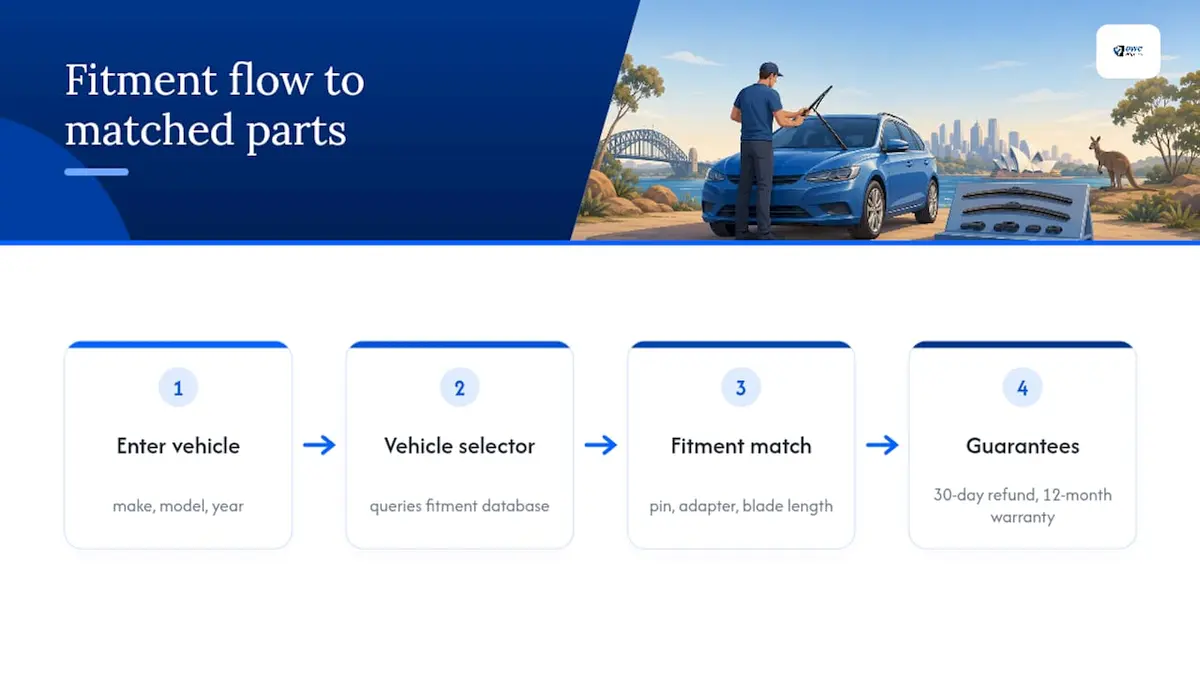
Every order is backed with a perfect fit guarantee, a 30-day money back guarantee, and a 12-month warranty, so a wrong connector or an unexpected fitment quirk doesn’t leave you stuck with a blade you can’t use. If you drive a Toyota or a Mazda, the Toyota wiper blade hub and Mazda wiper blade hub list model-specific sets that already include the correct side pin adapter, so there’s no separate adapter hunt after the blade arrives.
What Australian drivers get wrong about side pin fitment
The internet’s advice on wiper installation treats every arm connector as interchangeable if the millimetre size matches, and that’s the single biggest source of failed fits I see referenced across forums and comment sections. Shape beats size every time. A 19mm side pin and a 19mm push-button arm share nothing except a number on a packet, and buyers who shop by that number alone end up with a part that won’t seat properly no matter how hard they push.
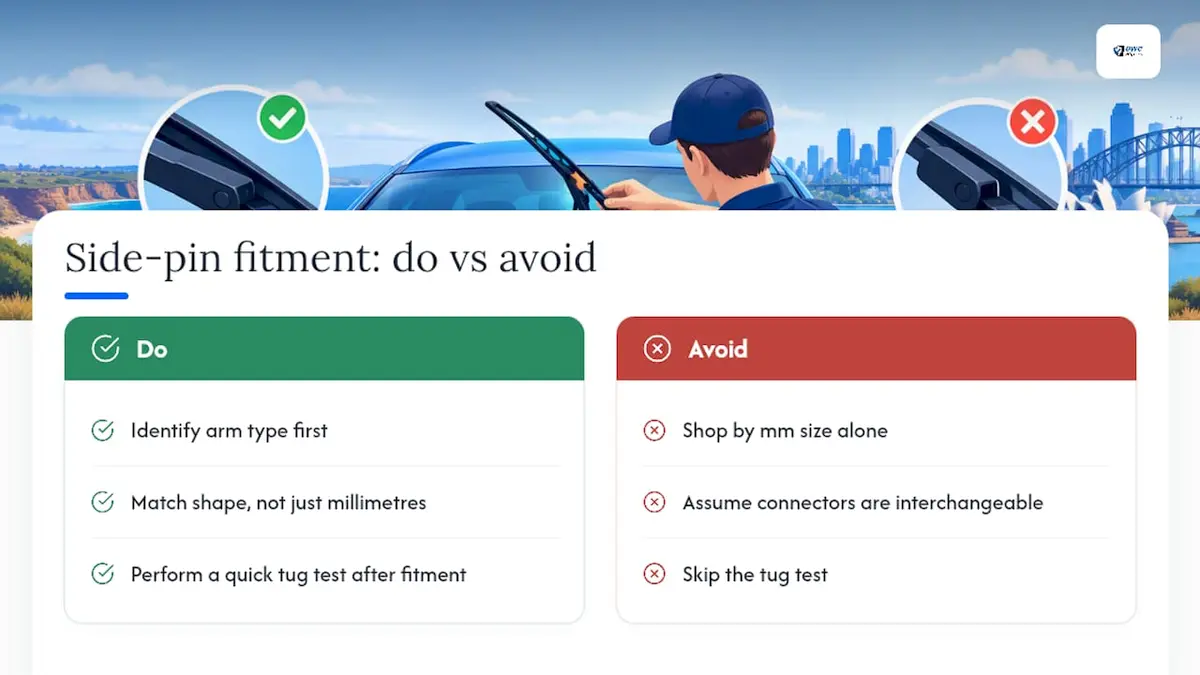
The second mistake is skipping the tug test. A blade can look seated and still not be locked, and the first pothole or gust of wind on the highway is when you find out the hard way. It costs ten seconds to check.
If you take one thing from this guide, prioritise identification over installation. Get the arm type right, and the fitting itself is almost mechanical, slide, click, test. Get the arm type wrong, and no amount of careful technique will make a mismatched adapter behave.
— Faisal
Order the exact side pin set for your car
Guessing a wiper size is how most drivers end up with a blade that won’t click properly, and Com is built to skip that step entirely. Enter your make, model, and year through the wiper blade fitment hub, and the correct side pin set, complete with the right adapter already included, comes up automatically.
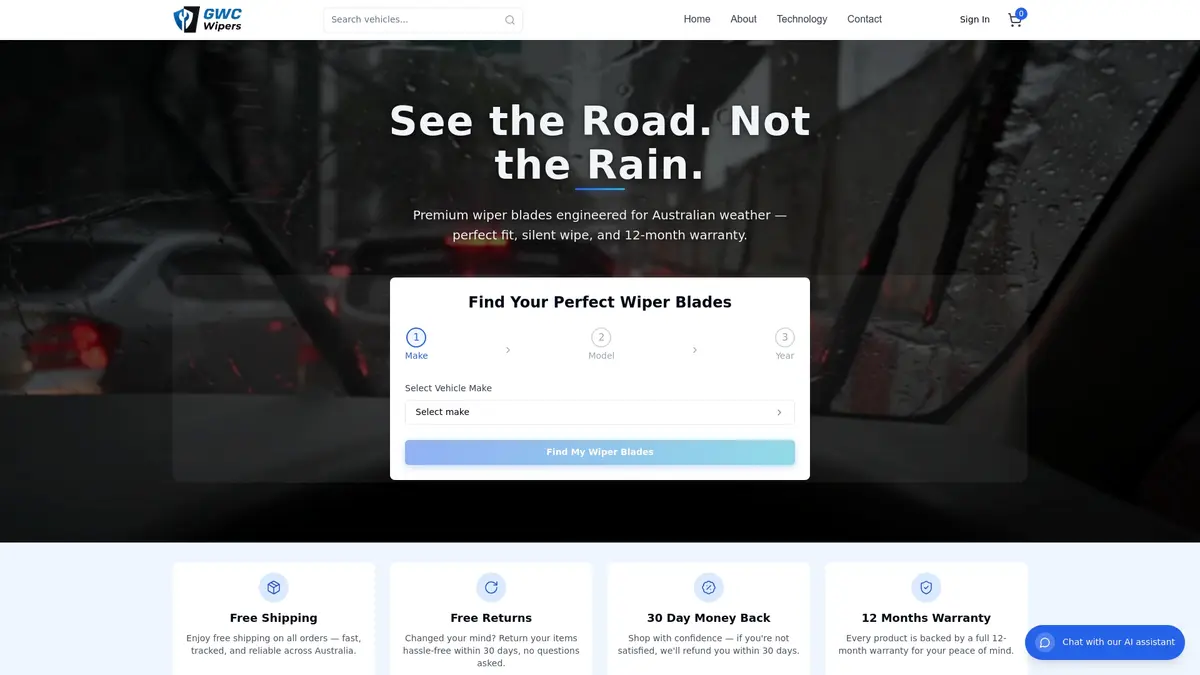
Every set ships with the Perfect Fit guarantee, a 30 day money back guarantee, and a 12 month warranty, so there’s no risk in ordering before you’ve double checked your arm type at the kerb. Driving something outside the common Toyota or Mazda range? Browse the full wiper blades range or check a specific fit like the BMW wiper blade range. Once your set lands, follow the installation steps above, slide, click, tug test, and you’ll be back on the road with a clean, streak-free wipe.
Sources
- How To Install Bosch Micro Edge Wiper Blades: Easy Steps
- Wiper blade fittings explained — identify your wiper arm (UK)
- How to Install Wiper Blades Correctly: Avoid Common Mistakes
- How To Remove & Replace Pin Style Wiper Blades
FAQ
How do I change a side pin wiper blade?
Press the release tab on the old blade and slide it off the pin, then align the new blade’s side pin adapter with the arm and slide it onto the pin until you feel a distinct click. Finish with a gentle tug test to confirm the lock holds before lowering the arm.
Can I fix my wiper linkage myself?
A stuck or corroded pin often frees up with a light application of penetrating oil and gentle working of the mechanism, but a bent or seized linkage arm is a different repair. If the arm itself doesn’t move freely or the pin is heavily corroded, forcing it risks bending the arm or changing its resting position, so a mechanic is the safer call at that point.
How do I install a driver’s side wiper blade?
The process is identical to the passenger side: confirm the arm is a side pin type, remove the old blade, fit the correct adapter, and slide the new blade on until it clicks. Always check both sides seat the same way once you’re done, since a mismatch usually means one adapter isn’t fully engaged.
How do I get the pin out of a windscreen wiper?
Press the blade’s release tab or button while sliding it off the pin. If it won’t budge, don’t pry it. Apply a light penetrating oil, work the mechanism gently, and if it’s still stuck, a corroded pin is the likely cause and worth a mechanic’s attention.
What size is a side pin wiper connector?
Common side pin sizes include 3/16", 1/4", 19mm, and 22mm, but the size figure alone doesn’t guarantee a fit since different connector shapes can share the same nominal measurement. Confirm the round pin shape visually, or use a vehicle selector like the one on GWC Wipers’ fitment hub to match the exact part to your make, model, and year.