
What is advanced wipe technology for automotive use?
TL;DR:
- Advanced wipe technology uses engineered fabrics and manufacturing techniques to improve cleaning performance and surface safety in automotive applications. These wipes reduce streaking, contamination, and re-cleaning time by delivering consistent chemical doses and high absorption capacity. Proper selection and use of advanced wipes enhance windshield visibility, wiper efficiency, and overall vehicle maintenance outcomes.
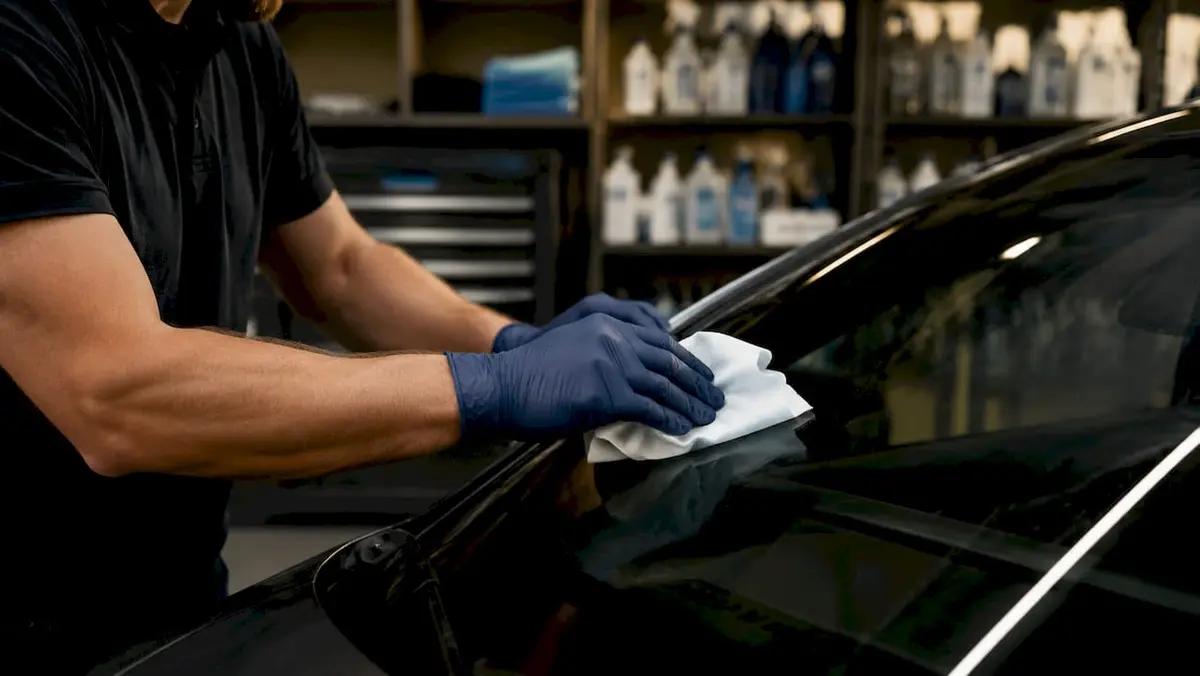
Advanced wipe technology is defined as the engineering of specialised materials, manufacturing processes, and surface treatments that deliver measurably superior cleaning, absorption, and durability compared to traditional wiping systems. In automotive contexts, this covers everything from the nonwoven fabrics used in workshop cleaning wipes to the precision blade materials and coatings found in modern windshield wiper systems. Understanding these technologies matters because poor wiping performance directly affects driver visibility, surface quality, and vehicle maintenance outcomes. Whether you are a fleet technician or a weekend enthusiast, knowing how advanced wipe technology works helps you make better decisions about the products you use on your vehicle.
What is advanced wipe technology made of?
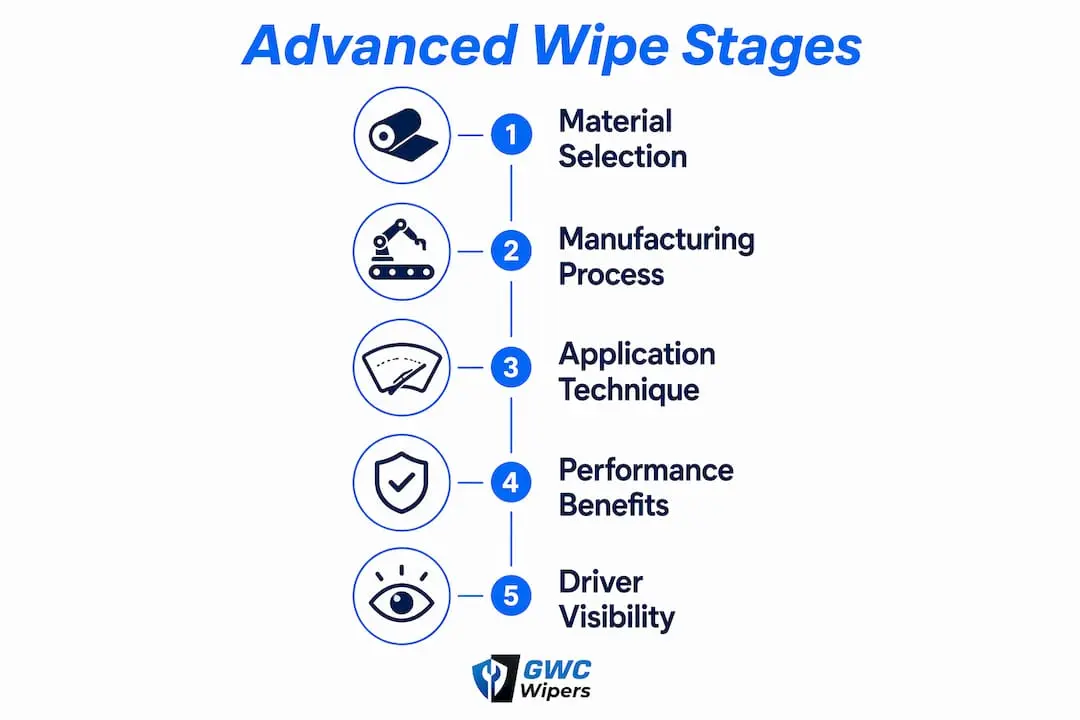
The materials behind advanced wipe technology determine almost everything about its performance. Three nonwoven fabric types dominate the field: spunlace, spunbond, and meltblown. Each serves a different purpose, and choosing the wrong one for an automotive task creates real problems.
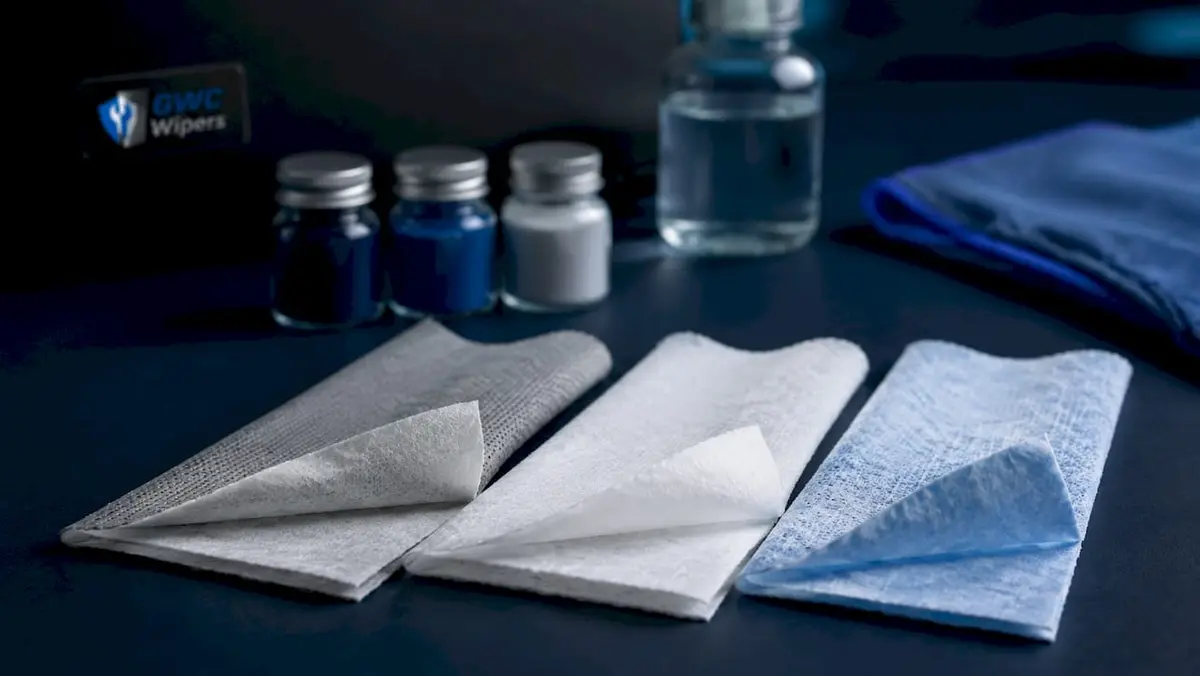
Spunlace technology uses high-pressure water jets to entangle fibres without chemical binders, producing a soft, lint-resistant fabric suited to precision wiping in automotive environments. This matters because micro-lint on a freshly prepared paint surface or a bonding area can cause costly defects that are invisible until the finish cures. Spunbond fabrics, by contrast, are created from thermally bonded polymer filaments. They produce a stronger, coarser material suited to heavy-duty cleaning in workshops but are less appropriate where surface integrity is critical. Meltblown fabrics sit between the two, offering fine fibre structures that trap particles effectively.
| Material | Key strength | Best automotive use |
|---|---|---|
| Spunlace nonwoven | Lint-free, soft surface | Paint prep, glass cleaning |
| Spunbond nonwoven | High tensile strength | Engine bay, chassis wipe-down |
| Meltblown nonwoven | Fine particle capture | Filter-grade and precision cleaning |
Manufacturing advances have added further performance layers. Laser edge sealing limits particle shedding to 3 particles per cm² of 5μm size or smaller, a standard that matters in automotive paint preparation where contamination causes visible defects. Antistatic treatments prevent dust attraction during and after wiping. Precisely controlled lotion or chemical application during production means each wipe delivers a consistent dose of cleaning agent, removing the guesswork from surface preparation.
Pro Tip: When selecting wipes for paint preparation or glass treatment, always check the particle shedding specification. A wipe rated for cleanroom or precision manufacturing use will outperform a generic workshop cloth on any sensitive automotive surface.
How does advanced wipe technology improve driver visibility?
Advanced wipe technology improves driver visibility by eliminating the streaking, smearing, and residue that legacy wiping materials leave behind. The mechanism is straightforward: higher-quality fibres absorb more water faster, and cleaner fibre structures release less contamination onto the surface being wiped.
Professional industrial wipes deliver 100% baseline cleaning efficiency compared to 42% for traditional rags. That gap is significant. A windshield cleaned with a low-grade cloth before a wiper blade is fitted may retain residue that causes immediate streaking once the blade operates. Advanced wipes absorb 6–8 times their own weight in fluid, compared to an inconsistent 3 times for legacy textiles. That absorption capacity means less re-wiping, less surface contamination, and a cleaner starting point for any wiper blade to work from.
The benefits of wipe technology extend directly to wiping efficiency standards that govern how well a wiper blade clears a windshield in a single pass. A blade operating on a contaminated or poorly prepared surface will underperform regardless of its own quality. Advanced surface cleaning before and during maintenance removes that variable entirely.
Practical performance improvements include:
- Reduced streaking on glass surfaces due to lint-free fabric construction
- Faster moisture removal from windshields during pre-service cleaning
- Lower risk of silicone or wax contamination that degrades wiper blade rubber
- Consistent chemical delivery when pre-saturated wipes are used for glass treatment
- Reduced cleaning cycle time, which cuts downtime by up to 75% compared to legacy rag-based methods
Under Australian conditions, where a driver can move from a dust storm in outback New South Wales to heavy coastal rain within hours, these performance margins are not theoretical. They are the difference between a clear windshield and a hazardous one.
What are the latest production innovations enabling advanced wipe technology?
The quality of any wipe product depends heavily on how it is manufactured. Production technology has advanced significantly, and those advances translate directly into more consistent, reliable wipes for automotive professionals.
-
High-speed multi-lane converting. Advanced wet-wipe converting machines reach speeds of up to 3,000 wipes per minute in multi-lane configurations. At that throughput, precision matters more than ever. Any variation in cut size, fold geometry, or saturation level produces inconsistent products that fail in the field.
-
Zero-speed splice systems. These allow production lines to switch between raw material rolls without stopping the machine. The result is uninterrupted output and no quality drop at the splice point. For automotive-grade wipes, where consistency across every unit in a pack is expected, this technology removes a common source of defects.
-
Servo motor tension control. High-speed converting machines with servo motor drives maintain precise stack geometry and fold quality throughout a production run. Consistent folding means consistent dispensing, which matters when a technician needs a wipe to open cleanly and cover the right surface area every time.
-
Precisely controlled wetting systems. Saturation levels are calibrated to within tight tolerances during production. This eliminates the over-wet or under-wet wipes that cause either surface damage or inadequate cleaning. For pre-saturated automotive wipes, this control is the core quality differentiator.
These production advances support the broader innovations in wipe technology that automotive professionals now rely on. A wipe that looks simple in the hand is the product of tightly engineered manufacturing from fibre selection through to final packaging.
How do automotive professionals apply advanced wipe technology?
Selecting the right wipe for the right task is where the benefits of wipe technology become practical. Automotive environments involve multiple surface types, chemical exposures, and cleanliness requirements. A single wipe type does not cover all of them.
Pre-saturated wipes eliminate dosing errors common with dry wipes and deliver consistent chemical application, which is critical for automotive surface preparation. Mixing cleaning protocols without checking substrate compatibility can cause surface degradation or failed quality audits. Pre-saturated wipes remove that risk by standardising the process at the point of manufacture.
Key application principles for automotive professionals:
- Use spunlace wipes for glass, paint, and trim surfaces where lint or fibre contamination is unacceptable
- Use spunbond or heavier nonwoven wipes for engine bays, undercarriage work, and general workshop cleaning
- Choose pre-saturated wipes for chemical-specific tasks such as IPA surface prep before adhesive bonding or paint correction
- Store wipes in sealed packaging to maintain saturation levels and prevent contamination before use
- Avoid reusing single-use wipes, as a used wipe reintroduces the contamination it removed
Ready-to-use wipes improve workflow efficiency by simplifying procedures and reducing error risks in chemical application. They also use less chemical volume overall compared to liquid products applied with dry cloths. For a busy workshop, that efficiency adds up across dozens of cleaning tasks per day.
Pro Tip: For IPA-based surface preparation before applying adhesives or coatings, use 99% IPA pre-saturated wipes rather than 70% IPA. The higher concentration evaporates faster and leaves less residue, which is critical on bonding surfaces.
Minimising hidden waste in wiping processes through standardised, high-purity wipes reduces downtime and defect rates in automotive manufacturing. Standardisation also makes quality control simpler: when every wipe in a batch performs identically, troubleshooting surface defects becomes much easier.
Key takeaways
Advanced wipe technology delivers measurable gains in cleaning efficiency, surface quality, and workflow reliability that directly affect automotive safety and maintenance outcomes.
| Point | Details |
|---|---|
| Material selection matters | Spunlace wipes suit precision surfaces; spunbond suits heavy-duty workshop tasks. |
| Absorption capacity is the key metric | Advanced wipes absorb 6–8 times their weight, versus 3 times for legacy textiles. |
| Pre-saturated wipes reduce error | Consistent chemical dosing prevents surface damage and failed quality checks. |
| Production precision drives consistency | Servo-controlled converting machines maintain fold and saturation quality at scale. |
| Wipe quality affects wiper blade performance | A contaminated windshield undermines even a premium wiper blade from the first stroke. |
Why wipe technology deserves more attention than it gets
I have spent years watching automotive professionals invest heavily in premium wiper blades and then prepare the windshield with a dirty rag or a generic cloth from the bottom shelf. The blade gets the blame when streaking appears, but the real cause is almost always the surface it is working on.
Advanced wipe technology is not a niche concern for cleanroom engineers. It is directly relevant to every technician fitting a new blade, every detailer prepping glass before a ceramic coating, and every driver who wants their wipers to perform the way they were designed to. The flexible wiper design advances we have seen in recent years are only as effective as the surface they contact.
The trend toward sustainable, high-efficiency wiping is also worth watching. Chemical-free cleaning approaches and high-purity standardised wipes are reducing both waste and defect rates across automotive manufacturing. That shift will reach the aftermarket and the workshop floor within a few years. Professionals who understand the materials science now will be better placed to adopt those changes without disruption.
My recommendation: treat your wipe selection with the same rigour you apply to your blade selection. Check the fibre type, the saturation specification, and the particle shedding rating before you commit to a product. The difference in outcome is real, and it shows up on every windshield you service.
— Faisal
Premium wiper blades built on advanced technology
If advanced wipe technology has you thinking about the full picture of windshield performance, the wiper blade itself is the next piece to get right.
Com stocks a range of premium wiper blades engineered for Australian conditions, from the UV exposure of a Queensland summer to the heavy rain of a Victorian winter. Every blade is matched to your specific vehicle make, model, and year using Com’s vehicle selector tool, so you get a perfect-fit wiper blade without the guesswork. Com also covers you with free shipping across Australia, a 30-day money-back guarantee, and a 12-month warranty. If you drive a Mercedes-Benz, Toyota, Mitsubishi, or any other make, Com has a blade built to perform from the first stroke.
FAQ
What is advanced wipe technology in simple terms?
Advanced wipe technology refers to engineered nonwoven fabrics and manufacturing processes that deliver superior absorption, lint-free cleaning, and consistent chemical application compared to traditional cloths or rags.
How does wipe technology work to reduce streaking on glass?
Lint-free spunlace fabrics remove surface contamination without depositing fibres, and pre-saturated formulations deliver a controlled dose of cleaning agent that evaporates cleanly, leaving no residue to cause streaking.
What are the main types of advanced wipes for automotive use?
The three primary types are spunlace wipes for precision surfaces, spunbond wipes for heavy-duty cleaning, and meltblown wipes for fine particle capture and filter-grade applications.
Why are pre-saturated wipes better than dry wipes for surface prep?
Pre-saturated wipes eliminate dosing errors and deliver consistent chemical concentration across every wipe, which prevents surface degradation and ensures reliable results during paint preparation or adhesive bonding.
How does wipe technology affect wiper blade performance?
A windshield cleaned with a high-quality, lint-free wipe gives a wiper blade a contamination-free surface to work from, which directly improves wiping efficiency and reduces streaking from the first stroke.