
What is wiping efficiency: a driver’s guide

TL;DR:
- Wiping efficiency measures how effectively a wiper removes moisture and contaminants from the windscreen relative to effort and material capacity.
- It depends on material quality, blade design, edge condition, and proper maintenance to ensure clear visibility and safety.
Wiping efficiency is defined as how effectively a wiper system removes moisture and contaminants relative to the effort or material capacity involved. For drivers, this translates directly to how clearly you can see through your windscreen in rain, dust, or road grime. The concept covers measurable factors like absorption capacity expressed in millilitres per gram, blade edge quality, and the mechanical action of the wiper itself. Understanding wiping efficiency helps you choose the right blades, maintain them properly, and stay safer on Australian roads in every season.
What is wiping efficiency and how is it measured?
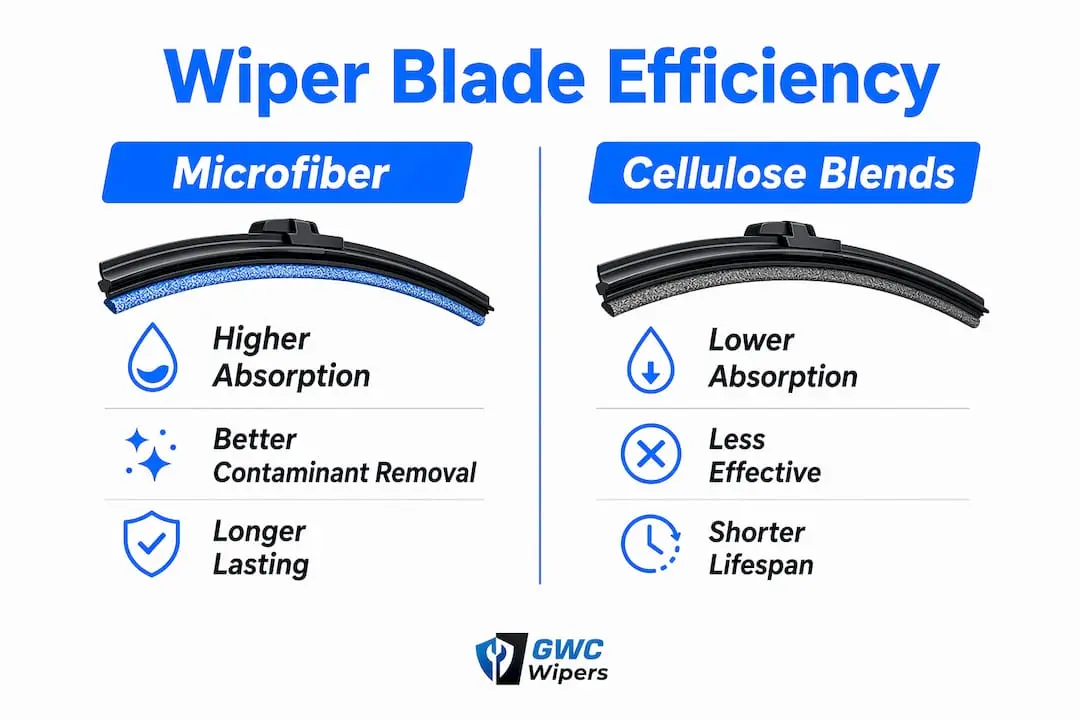
Wiping efficiency is the technical measure of how much contaminant a wiper removes relative to its material mass or mechanical effort. The standard unit for material-based measurement is millilitres per gram (mL/g), which reflects how much liquid a wiper absorbs per unit of its own weight. A higher mL/g figure means the material works harder for its size, which matters when you want a blade that clears your windscreen without smearing.
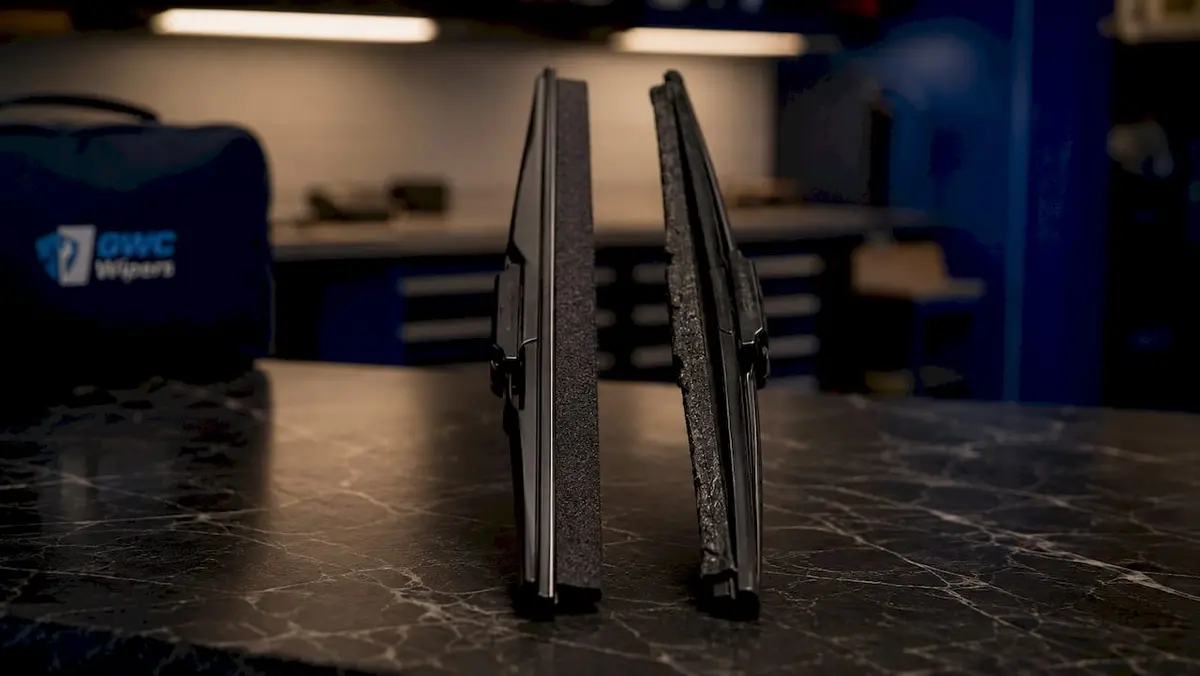
Microfiber materials consistently show higher wiping efficiency than cellulose blends. Cellulose blends may hold more total liquid, but they deliver less efficiency per gram of material. That distinction matters for automotive blades because a heavier, less efficient blade puts more drag on the wiper motor and wears out faster.
Wiping performance evaluation also covers mechanical factors. In wiper ring and seal systems, exclusion efficiency refers to how well the seal prevents dust and moisture from entering mechanical components. High-performance designs typically achieve 95–98% exclusion. That level of protection keeps the wiper mechanism running cleanly over thousands of cycles.
Key measurable factors in wiping effectiveness analysis include:
- Absorption capacity (mL/g): How much fluid the blade material holds relative to its mass.
- Exclusion efficiency (%): How well seals block contaminants from entering the wiper mechanism.
- Contact pressure: How evenly the blade presses against the windscreen across its full length.
- Stroke coverage: The percentage of the windscreen cleared in a single pass.
- Edge quality: Whether the blade edge is clean and consistent, reducing streaking and skipping.
How do wiper materials and designs compare in wiping efficiency?
The material and design of a wiper blade determine most of its real-world performance. Two blades that look identical on the shelf can deliver very different results once fitted to your car.
Microfiber vs cellulose blends
Microfiber outperforms cellulose blends on wiping efficiency per gram. Microfiber lifts and traps contaminants rather than pushing them across the surface. Cellulose blends absorb well in total volume terms, but selecting the right wipe depends on balancing capacity and efficiency for the specific contamination type. On a windscreen, you are dealing with a mix of water, road grime, insect residue, and dust, so a material that traps rather than redistributes is the better choice.
Single-lip vs multi-lip blade designs
Single-lip blades are simpler and lighter. Multi-lip designs create multiple contact points across the windscreen, which improves coverage on curved glass but adds friction. The trade-off is real: excessive rod drag from poor interference fit or surface finish increases friction by 15–40%, reducing mechanical efficiency and shortening component life. Multi-lip blades need precise manufacturing tolerances to deliver their efficiency advantage without accelerating wear.
Edge quality and blade construction
Edge sealing technologies can reduce cross-contamination by 67% and improve wiping efficiency by 40%. That finding applies directly to automotive blades: a blade with a clean, sealed edge leaves a streak-free wipe, while a rough or uneven edge redistributes grime. This is why blade construction quality matters more than marketing claims about material alone.
| Feature | Microfiber blade | Cellulose/rubber blend |
|---|---|---|
| Wiping efficiency (mL/g) | Higher | Lower |
| Contaminant trapping | Lifts and traps | Absorbs and may spread |
| Durability in UV/heat | Moderate | Lower (degrades faster) |
| Edge quality | Depends on manufacturing | Depends on manufacturing |
| Best for | Mixed conditions, all seasons | Light rain, mild climates |
| Cost | Higher | Lower |
Pro Tip: When replacing blades, check the edge by running your fingernail along the rubber lip. Any nicks, cracks, or rough patches mean the blade will streak regardless of its material quality.
What mistakes reduce wiping efficiency and how do you fix them?
Poor maintenance and incorrect technique are the two most common reasons wiper performance drops well before a blade reaches the end of its rated life. Knowing what to avoid saves you money and keeps your windscreen clear.
-
Using the wrong washer fluid. Plain water does not break down road grime or insect residue effectively. Use a quality automotive washer fluid that helps the blade lift contaminants cleanly rather than smearing them.
-
Wiping a dry windscreen. Running your wipers without fluid on a dry screen drags the rubber across glass and accelerates edge wear. Always activate the washer before the wiper on dusty days.
-
Leaving blades in the sun. UV exposure degrades rubber compounds quickly in the Australian climate. Parking in shade or using a windscreen cover extends blade life noticeably. GWC Wipers has a detailed guide on protecting your windscreen wipers that covers this in full.
-
Ignoring wiper chatter. A chattering blade is not just annoying. It signals that the blade is no longer maintaining consistent contact pressure across the windscreen, which means large sections of glass are not being cleared properly.
-
Replacing only one blade. Both blades age at the same rate. Replacing one and leaving the other means your wiping performance is uneven across the windscreen, which creates blind spots in heavy rain.
-
Skipping the annual replacement. Most manufacturers recommend replacing blades every 6–12 months. In harsh Australian conditions, including intense UV, heat, and sudden heavy downpours, the shorter end of that range is the safer choice.
Pro Tip: After fitting new blades, clean your windscreen thoroughly with a glass cleaner before the first use. Old wax, silicone residue, and grime on the glass will immediately degrade a new blade’s wiping efficiency.
The overall wiping system efficiency depends on material, technique, fluid amount, and wiping sequence together. No single factor works in isolation. A premium blade on a dirty windscreen with no washer fluid will still leave streaks.
How does wiping efficiency affect safety and visibility on the road?
Wiping efficiency connects directly to how much of your windscreen is actually clear during a rain event or dusty drive. A blade that removes 90% of water in a single pass gives you a fundamentally different view than one that removes 60% and leaves a film.
The safety implications are concrete:
- Reduced glare: A clean windscreen scatters less light from oncoming headlights at night. A streaky windscreen turns every headlight into a starburst pattern that obscures pedestrians and road markings.
- Faster reaction time: Clear visibility means you process hazards sooner. A smeared or partially cleared windscreen forces your brain to work harder to interpret what it sees, which slows your reaction.
- Lower driver fatigue: Straining to see through a poorly wiped windscreen is tiring. On long drives through Queensland summer storms or Victorian alpine conditions, that fatigue adds up.
- Consistent performance in heavy rain: A high-efficiency blade clears water faster than it accumulates at highway speeds. A worn or low-efficiency blade cannot keep up, leaving a persistent film across your line of sight.
- Contaminant removal beyond water: Australian roads carry red dust, insect debris, and agricultural residue that water alone does not shift. A blade with strong wiping efficiency lifts these contaminants rather than spreading them across the glass.
Unidirectional, overlapping wiping strokes are critical for effective contaminant removal, reducing the risk of dragging dirt back across a surface. Your wiper blade’s arc is designed to replicate this principle. When a blade loses its shape or edge integrity, it can no longer follow that arc cleanly, and the result is recontamination with every stroke.
Key takeaways
Wiping efficiency is determined by material quality, blade design, edge condition, and maintenance together, and no single factor delivers clear visibility on its own.
| Point | Details |
|---|---|
| Efficiency is measured in mL/g | Higher absorption per gram means the blade works harder without adding weight or drag. |
| Edge quality drives streak-free results | A clean blade edge improves wiping efficiency by up to 40% compared to a rough or damaged edge. |
| Technique and fluid matter | Running wipers on a dry screen or without proper washer fluid degrades blade edges and spreads contaminants. |
| Replace both blades together | Uneven blade age creates blind spots across the windscreen in heavy rain. |
| Material choice affects durability | Microfiber outperforms cellulose blends in wiping efficiency per gram, especially in mixed Australian conditions. |
Why I think most drivers underestimate what their wipers actually do
Most drivers treat wiper blades as a set-and-forget item. They replace them when the streaking gets bad enough to be annoying, not when performance actually starts to drop. The problem is that wiping efficiency degrades gradually. You adapt to the worsening view without realising it, and by the time you notice the streaks, you have been driving with compromised visibility for months.
What I find genuinely underappreciated is the role of technique and fluid. A premium blade on a windscreen coated in old wax and silicone will perform worse than a mid-range blade on clean glass with good washer fluid. The system matters, not just the component.
The other thing worth saying plainly: marketing claims about rapid performance in seconds often overlook realistic contact times and mechanical transfer effects, making them unreliable without proper testing context. The same principle applies to wiper blades. A blade marketed as “ultra-clear” or “streak-free” is only as good as its edge quality, its fit to your specific windscreen curve, and how well you maintain it. Claims without validated performance data are just packaging.
My honest advice: treat your wiper blades the way you treat your tyres. Check them regularly, replace them on a schedule rather than waiting for failure, and match them to your actual driving conditions. Drivers in Darwin dealing with monsoon season need a different blade than someone in Adelaide doing mostly dry highway driving. Wiping efficiency is not a universal number. It is a performance outcome that depends on the whole system working together.
— Faisal
Premium wiper blades built for real Australian conditions
Your wiping efficiency is only as good as the blade you fit. GWC Wipers designs and supplies premium wiper blades built specifically for Australian weather, from tropical downpours to outback dust and alpine snow. Every blade is engineered for a precise fit to your vehicle’s windscreen curve, which is what delivers consistent contact pressure and streak-free clearing across the full wipe arc.
GWC Wipers carries blades for a wide range of vehicles, including Toyota wiper blades, Mercedes-Benz GLE-Class blades, and Alfa Romeo Giulietta blades. Use the vehicle selector tool on the GWC Wipers website to find the exact blade for your make, model, and year. Free shipping across Australia, a 12-month warranty, and a 30-day money-back guarantee come standard with every order.
FAQ
What does wiping efficiency mean for car wipers?
Wiping efficiency measures how effectively a wiper blade removes moisture and contaminants relative to its material capacity or mechanical effort. For drivers, it determines how clearly the windscreen is cleared in a single pass.
How do I measure wiping efficiency on my wiper blades?
The primary material measure is absorption capacity in millilitres per gram (mL/g). For practical assessment, check for streaking, skipping, or smearing after each wipe, as these indicate the blade edge or contact pressure has degraded.
What factors affect wiping efficiency the most?
The main factors are blade material, edge quality, contact pressure, washer fluid type, and windscreen cleanliness. The overall system performance depends on all these elements working together, not any single component alone.
How often should I replace wiper blades to maintain performance?
Most manufacturers recommend replacement every 6–12 months. In Australian conditions with high UV exposure and extreme heat, replacing blades closer to the 6-month mark maintains consistent wiping performance.
Does a more expensive blade always mean better wiping efficiency?
Not automatically. Edge quality and fit to your specific windscreen curve matter more than price alone. A well-fitted mid-range blade on clean glass with quality washer fluid will outperform a premium blade on a dirty or waxed windscreen.