
Top automotive wiper technologies for safer driving
TL;DR:
- Australian weather demands durable, high-performance wipers with advanced materials like silicone and graphene.
- Proper wiper selection improves visibility, safety, and cost-efficiency in diverse climates.
- Regular inspection and choosing the right technology can prevent safety risks and reduce long-term expenses.
Unpredictable Australian weather puts your windshield wipers to the test every single day. From torrential summer storms in Queensland to scorching UV exposure across the outback and salty coastal air in Sydney or Perth, your wipers face conditions that would challenge even the most robust blade designs. With dozens of technologies now available, choosing the right wiper is no longer a simple trip to the servo. Get it wrong and you risk streaking, chattering, and critically reduced visibility at the worst possible moment. This guide walks you through the major wiper technologies, their real-world strengths, and how to match them to your vehicle and driving conditions.
Table of Contents
- What to look for in automotive wiper technologies
- Examples of key wiper technologies on the market
- Feature comparison of top wiper technologies
- Matching wiper technologies to your driving and climate needs
- The hidden costs of cutting corners on wiper technology
- Find the ideal wiper technology for your car or fleet
- Frequently asked questions
Key Takeaways
| Point | Details |
|---|---|
| Choose for the climate | The best wiper technology for you depends on your city’s rain, UV levels, and driving demands. |
| Material makes a difference | Newer materials like graphene and silicone greatly outlast and outperform basic rubber blades. |
| Annual checks save headaches | Replace wipers yearly before streaks appear to ensure safe, clear driving in all weather. |
| Compare features before you buy | Look at durability, noise, and UV protection instead of just price or brand. |
What to look for in automotive wiper technologies
To make sense of the options, it’s crucial to know what separates a quality wiper from the rest. Not all blades are created equal, and Australian conditions demand more than the bare minimum.
Durability and material quality sit at the top of the list. Standard rubber degrades quickly under intense UV exposure and ozone, which are both relentless in Australia. Advanced materials like silicone, EPDM (ethylene propylene diene monomer), and graphene composites hold their shape and flexibility far longer. Research confirms that optimised linkage mechanisms can reduce motor torque by 18%, and modern materials like graphene composites improve durability by 25 to 30%. That’s a meaningful difference when you’re replacing blades every six months instead of every year.
Clearing ability and streak resistance matter enormously in heavy rain. A blade that leaves smears or skips across the screen is worse than useless at 100 km/h on a wet highway. Look for designs with consistent edge contact across the full wiper arc.
Aerodynamic features become critical at highway speeds. Blades that lift off the screen at speed leave dangerous blind spots. Designs with built-in spoilers or contoured profiles press the blade firmly against the glass regardless of wind pressure.
Coastal and heat resistance are non-negotiable for many Australian drivers. Salt air accelerates corrosion in metal frames, while extreme heat warps rubber compounds. Understanding the full range of wiper blade types for Australians helps you narrow down what will actually last in your region.
Key factors to evaluate before buying:
- UV and ozone resistance rating
- Frame material (stainless steel vs plastic vs frameless)
- Blade compound (natural rubber, silicone, EPDM, graphene)
- Pressure distribution across the wiper arc
- Noise level and chatter resistance
Pro Tip: Replace your wiper blades every 12 months as a minimum, and always inspect them after summer. Heat is the number one killer of wiper performance in Australia. The weather impacts on wipers guide explains exactly what Australian seasons do to blade compounds.
Examples of key wiper technologies on the market
With clear criteria in hand, let’s look at the standout wiper technologies you’ll see on Australian vehicles.
Traditional frame (conventional) wipers are the most common and the most affordable. They use a metal frame to hold a rubber blade against the screen. They work adequately in light rain, but the multiple pressure points in the frame create uneven contact, which leads to streaking and chatter. In extreme heat, the rubber hardens and the frame can corrode, especially near the coast.
Beam blades are a significant step forward. They’re a single-piece design with no external frame. Instead, a pre-tensioned steel or composite spline curves the blade across the windscreen, distributing pressure evenly from end to end. The result is quieter operation, better rain clearing, and no frame to corrode. They cost more upfront, but the performance difference in heavy rain is noticeable.

Hybrid blades combine the rigid outer shell of a conventional blade with the internal spline of a beam design. You get aerodynamic protection from the shell and even pressure distribution from the spline. They’re a versatile option for drivers who experience both dry heat and heavy seasonal rain.
Specialty and hydrophobic blades take things further. Products like Rain-X Latitude use hydrophobic coatings that cause water to bead and roll off the screen, reducing how hard the wiper has to work. Car and Driver tests found the Rain-X Latitude best overall for hydrophobic performance, the Bosch ICON as the premium pick, and the Trico Flex as the top budget option, all evaluated on water removal, noise, and streak performance in simulated downpour conditions.
Silicone and graphene blades represent the current high end. Silicone stays flexible across a wider temperature range than rubber, and graphene composites add structural strength without adding weight. For Australian drivers dealing with heavy-duty wiper blades requirements on 4x4s and commercial vehicles, these materials offer a clear advantage.
“The best wiper blade is the one that maintains consistent edge contact across the full arc of your windscreen, regardless of speed, temperature, or rain intensity.”
Feature comparison of top wiper technologies
To help you match the right blade to your needs, compare these technologies head-to-head:
| Technology | Durability | Streak resistance | UV/ozone resistance | Aero stability | Cost |
|---|---|---|---|---|---|
| Conventional frame | Low | Moderate | Low | Low | $ |
| Beam blade | High | High | Moderate | High | $$ |
| Hybrid | Moderate to high | High | Moderate | High | $ |
| Hydrophobic specialty | Moderate | Very high | Moderate | High | $$ |
| Silicone | Very high | High | Very high | High | $$ |
| Graphene composite | Very high | Very high | Very high | Very high | $$ |
Graphene-based wipers deliver 25 to 30% longer lifespan and superior resistance to environmental stresses compared to standard rubber designs. That’s not a marginal improvement. Over two or three replacement cycles, the cost difference between a graphene blade and a conventional one narrows considerably.
Silicone also stands out in the data. Empirical testing shows silicone outperforms rubber in Australian UV conditions, retaining 90% of its flex after prolonged UV exposure. Standard rubber can lose significant flexibility after just one Australian summer.
For most private vehicles, a quality beam or hybrid blade hits the sweet spot between performance and price. If you’re managing a fleet or driving in extreme conditions regularly, silicone or graphene composites are worth the investment. Once you’ve selected your technology, the wiper install guide makes fitting them straightforward, and understanding wiper blade performance testing helps you verify you’ve made the right call.
Matching wiper technologies to your driving and climate needs
Now, align these technologies with your location, vehicle, and routine to get optimal performance.
Australia’s climate varies dramatically by region, and the right wiper for a Darwin wet season is very different from what suits a Melbourne winter. Here’s a quick-reference guide:
| Region or use case | Recommended technology | Key reason |
|---|---|---|
| Tropical north (Darwin, Cairns) | Beam or silicone | Heavy rain, high humidity |
| Dry inland (Alice Springs, outback) | Silicone or graphene | Extreme UV, heat, dust |
| Coastal (Sydney, Perth, Brisbane) | EPDM hybrid or silicone | Salt air, UV, varied rain |
| Southern states (Melbourne, Hobart) | Hybrid or beam | Cold, rain, occasional frost |
| 4x4 and off-road vehicles | Heavy-duty beam or graphene | Dust, debris, flex demands |
| Fleet and commercial vehicles | EPDM silicone or graphene | Longevity, low maintenance |
UNIWIPER EPDM blades deliver uniform pressure, UV and excessive temperature resistance, and coastal corrosion protection specifically engineered for Australian vehicles. That kind of local engineering focus matters when generic imported blades simply aren’t designed for our conditions.
Steps to choosing the right blade for your situation:
- Identify your primary climate challenge (UV, heavy rain, coastal salt, cold).
- Match the blade material to that challenge using the table above.
- Confirm the blade design suits your windscreen curve and vehicle type.
- Check the manufacturer’s fit guide for your make, model, and year.
- Inspect and replace after every Australian summer as a minimum.
For 4x4 owners and truck drivers, windscreen size and curvature matter more than most people realise. A blade that fits a standard sedan may not apply even pressure across a larger, more curved commercial windscreen. Always verify fitment before purchasing. The Australian weather impact guide provides further detail on how each climate zone degrades specific blade materials.
Pro Tip: Fleet operators should schedule wiper inspections every six months rather than waiting for driver complaints. By the time a driver reports streaking, visibility has already been compromised for weeks.
The hidden costs of cutting corners on wiper technology
While matching the right technology is essential, it’s just as important to avoid common mistakes driven by upfront price thinking.
Here’s an uncomfortable truth: the cheapest wiper blade on the shelf is rarely the cheapest option over time. Conventional rubber blades in Australian conditions may need replacing every four to six months. A premium silicone or graphene blade that lasts 18 months or more at twice the price is actually the better financial decision, before you even factor in safety.
For fleet operators, the stakes are higher. A driver with degraded wipers in a sudden downpour isn’t just a safety risk. It’s a liability exposure, a potential insurance claim, and a vehicle off the road. We’ve seen fleet managers focus entirely on per-unit blade cost and completely overlook the downstream costs of poor visibility incidents.
The other mistake is waiting for obvious failure. Streaking and chattering are late-stage symptoms. Long before those appear, a degraded blade is already reducing your effective visibility in low-light or wet conditions. Don’t wait for the problem to announce itself. Understanding choosing the right wiper blade from the outset saves money, stress, and risk across the life of your vehicle.
Find the ideal wiper technology for your car or fleet
You now have the knowledge to make a confident, informed decision about wiper technology. The next step is finding the right blade for your specific vehicle.
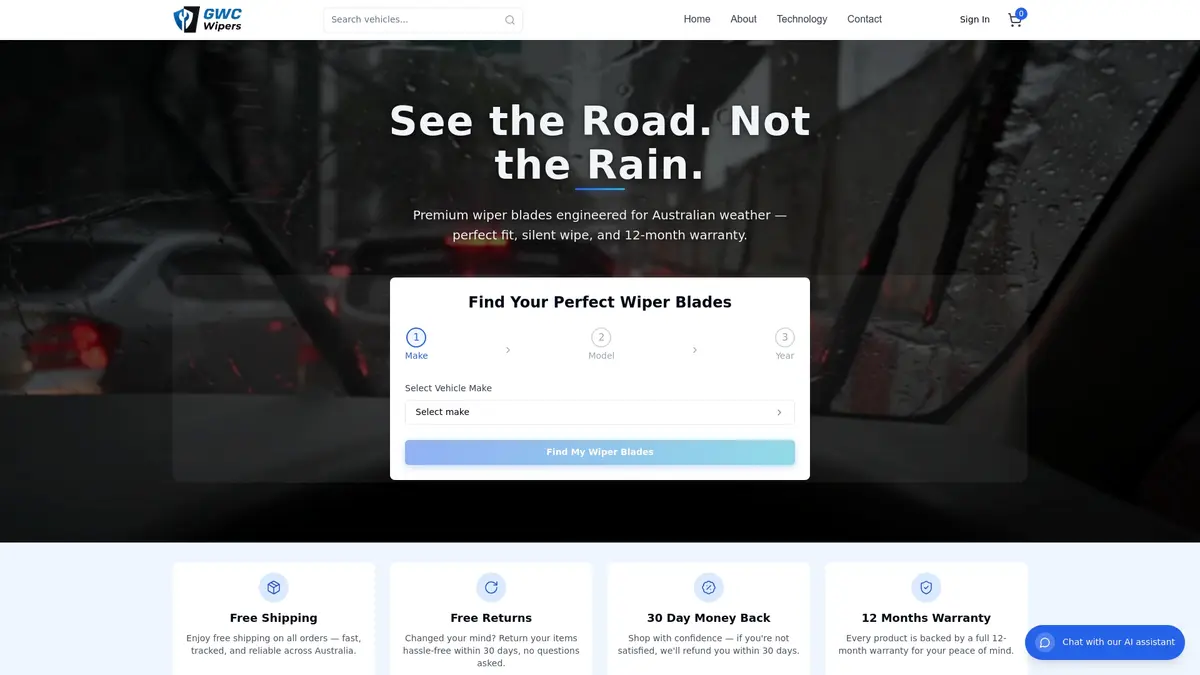
At GWC Wipers, we stock a full range of premium wiper blade technology designed and tested for Australian conditions. Whether you drive a daily commuter, a coastal 4x4, or manage a commercial fleet, our vehicle selector tool matches you to the correct blade by make, model, and year. We also cater to specific vehicles like Alfa Romeo Giulietta wiper blades for drivers who need precision fitment. Every order includes free shipping across Australia, a 12-month warranty, and a 30-day money-back guarantee. Explore the full range of wiper blade options and get the right fit the first time.
Frequently asked questions
How often should I replace my wiper blades in Australia?
You should replace wiper blades at least once a year, or sooner if streaking or noise develops. Car and Driver testing confirms annual replacement as the baseline, with performance assessed under simulated downpour at varying speeds.
Are beam or hybrid blades better for harsh weather?
Beam blades generally outperform others in heavy rain and offer better noise and streak resistance than conventional types. Independent testing confirms beam blade superiority in sustained rain conditions.
Which materials last longest in Australian UV and heat?
Silicone and graphene-based blades retain flexibility and resist UV damage better than standard rubber in Australian climates. Empirical results show silicone retains 90% flex after UV exposure, while graphene composites add 25 to 30% more durability.
Do premium wipers make a difference for fleets?
Yes, premium blades reduce downtime, improve driver visibility, and stand up far better to extreme conditions. UNIWIPER EPDM blades with Memory Spline technology deliver uniform pressure and UV and extreme temperature resistance purpose-built for Australian fleet conditions.