
Why wiper blade quality matters: safer, clearer driving
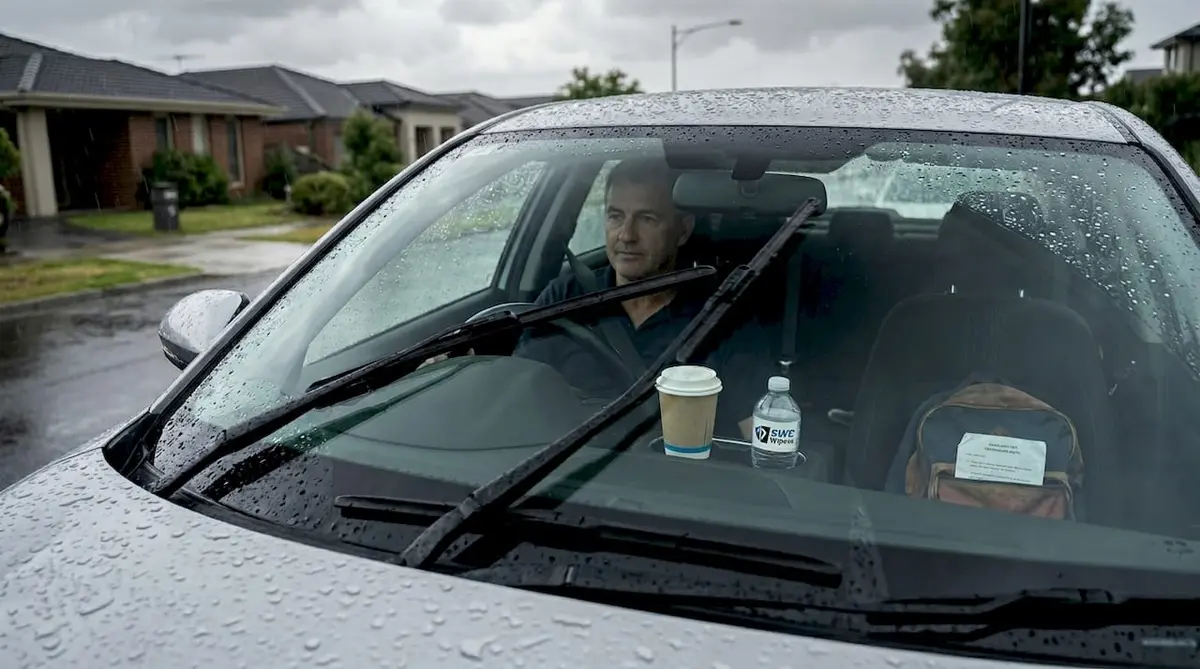
Most drivers give their wiper blades almost no thought until they’re squinting through a streaked windscreen in the middle of a downpour. The truth is, your wiper blades are one of the few components standing between you and zero visibility when conditions turn ugly. Poor quality blades cause streaking, skipping, noise, and reduced visibility in heavy rain, dust, and at highway speeds, putting both car owners and fleet operators at genuine risk. In Australia, where weather can swing from scorching sun to tropical storms within hours, the quality of your blades isn’t a minor detail. It’s a safety decision.
Table of Contents
- What does wiper blade quality really mean?
- How quality impacts safety and visibility
- Durability and cost efficiency for everyday drivers and fleets
- Choosing the right wiper blade for Australian conditions
- What most drivers and fleet managers get wrong about wiper blade quality
- Find the perfect wiper blades for your safety and peace of mind
- Frequently asked questions
Key Takeaways
| Point | Details |
|---|---|
| Safety comes first | High-quality wiper blades make a direct difference to visibility and driver reaction time in bad weather. |
| Premium equals durable | Beam and hybrid blades last longer and handle harsh Australian conditions better than cheap alternatives. |
| True value for fleets | Full beam blades reduce downtime and long-term costs for fleet operators, despite a higher initial price. |
| Match blade to car | Choosing blades designed for your specific car and climate ensures clear vision and maximum lifespan. |
What does wiper blade quality really mean?
When we talk about wiper blade quality, we’re not just talking about how long a blade lasts before it falls apart. Quality covers the rubber compound used, the structural design, and how well the blade fits and conforms to your specific windscreen.
The rubber compound matters enormously. Premium blades use natural rubber or silicone formulations that stay flexible across a wide temperature range. In fact, high-grade blades are engineered to withstand temperatures from -60°C to 260°C and are tested to survive up to 1.5 million wipe cycles without significant degradation. Cheaper blades use inferior compounds that crack, harden, or warp under UV exposure, which is a serious concern given Australia’s intense sun.
Design is equally important. There are three main types to understand:
- Frame (conventional) blades: A metal frame holds the rubber element in place. These are affordable but can lift off the windscreen at high speeds and struggle with curved glass.
- Beam blades: A single piece of pre-tensioned material with no external frame. They maintain consistent pressure across the entire blade length, even on curved windscreens.
- Hybrid blades: Combine an aerodynamic shell with an internal frame, offering weather protection and consistent contact.
Beam and hybrid designs provide consistent contact across curved windscreens, which is especially valuable for modern vehicles and demanding situations like high-speed highway driving or off-road dust. You can learn more about how these designs are assessed through wiper blade performance testing.
Premium wiper blades are tested to endure up to 1.5 million wipe cycles and operate reliably from -60°C to 260°C, ensuring performance through every Australian season.
Pro Tip: If you regularly drive through heavy rain, dusty outback roads, or coastal salt air, a beam or hybrid blade isn’t a luxury. It’s the right tool for the job.
How quality impacts safety and visibility
Now that you know what makes a wiper blade premium, let’s see why those elements make such a difference once the weather turns wild.
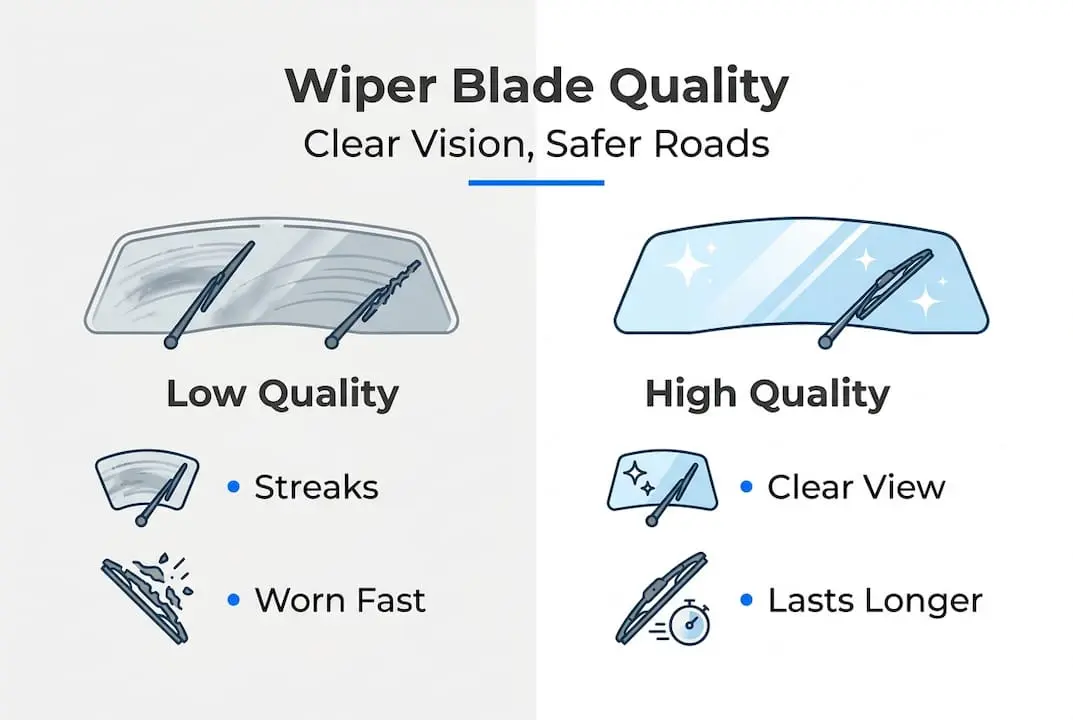
The gap between a low-quality blade and a premium one becomes very clear when you compare real-world performance:
| Performance factor | Low-quality blade | Premium blade |
|---|---|---|
| Visibility in heavy rain | Significant streaking | Near-clear contact |
| Performance at highway speed | Blade lift-off common | Consistent pressure maintained |
| Noise level | Squeaking and chattering | Near-silent operation |
| Dusty conditions | Smearing and skipping | Smooth, even wipe |
| Lifespan under UV exposure | 3 to 6 months | 12 to 24 months |
Streaks and skips aren’t just annoying. They create genuine blind spots at the worst possible moments. Imagine approaching a roundabout in a sudden downpour, with your wipers smearing water rather than clearing it. Your reaction time shrinks because your brain is working harder to process a distorted image.
The three main risks from poor-quality blades are:
- Reduced reaction time: Streaked or blurred vision means you process hazards more slowly, especially at night or in rain.
- Eye strain and fatigue: Constantly compensating for poor visibility tires your eyes faster on long drives.
- Higher crash risk: Compromised visibility in heavy rain and dust directly increases the likelihood of accidents.
For fleet operators, these risks multiply. A single incident involving a commercial vehicle carries significant financial, legal, and reputational consequences. When you have dozens or hundreds of vehicles on the road daily, the standard of every component, including wiper blades, directly affects your safety record. Understanding wiper blade safety concerns is essential for anyone managing a fleet.
Durability and cost efficiency for everyday drivers and fleets
Safety is one thing, but for many motorists and operators, durability and running costs really tip the scales.
A premium wiper blade typically lasts 12 to 24 months under normal Australian conditions. A budget blade in the same environment may need replacing every 3 to 6 months, particularly if the vehicle is parked outdoors and exposed to UV radiation regularly. Over a two-year period, you could be replacing cheap blades four times compared to once for a premium set.
| Blade type | Average lifespan | Replacements over 2 years | Estimated cost over 2 years |
|---|---|---|---|
| Budget frame blade | 3 to 6 months | 4 to 8 times | $80 to $160 |
| Premium beam blade | 12 to 24 months | 1 to 2 times | $60 to $120 |
For fleet operators, the hidden costs go well beyond the price of the blade itself:
- Labour time for frequent replacements across multiple vehicles
- Vehicle downtime while blades are being sourced and fitted
- Risk exposure from blades failing between scheduled service intervals
- Administration burden of managing more frequent parts orders
Full beam blades are preferred over refills for consistent performance across varied fleet vehicles and weather conditions, precisely because they reduce these hidden costs. Refills might look cheaper on a purchase order, but the total cost of ownership tells a different story.
Pro Tip: When evaluating blade costs for your fleet, factor in technician time at your hourly labour rate. A blade replacement that takes 15 minutes per vehicle, multiplied across 50 vehicles four times a year, adds up to significant overhead. Understanding the true picture of wiper refills vs beam blades can shift your thinking fast.
Choosing the right wiper blade for Australian conditions
Being clear on the durability and savings, the next question is which blade is best for your specific car and weather.
Matching a blade to your vehicle isn’t complicated, but it does require a few deliberate steps:
- Identify your vehicle’s make, model, and year. Blade sizing and attachment types vary significantly between manufacturers and model generations.
- Consider your typical driving environment. Coastal drivers face salt air corrosion. Rural drivers deal with dust and debris. Urban drivers encounter frequent stop-start conditions. Each environment stresses blades differently.
- Choose the appropriate blade design. Modern vehicles with curved windscreens benefit most from beam or hybrid blades. Older vehicles with flatter glass may work fine with a quality conventional frame blade.
- Check for aerodynamic requirements. If you regularly drive at highway speeds, look for blades with aerodynamic designs that resist lift-off.
Signs that your current blades need replacing include:
- Visible streaking or smearing after each wipe
- Squeaking, chattering, or skipping during operation
- Rubber that looks cracked, split, or hardened
- Blades that judder rather than glide smoothly
- Reduced visibility even on a clean windscreen
Australia presents some unique challenges. In tropical regions like Far North Queensland, intense seasonal rain combined with extreme heat accelerates rubber degradation. In rural areas, fine dust particles act like sandpaper on the blade edge over time. Coastal environments introduce salt, which corrodes metal frame components. Beam and hybrid designs handle these edge cases far better than conventional frames.
For a practical example of how blade selection works for a specific vehicle, see the options available for the Nissan Leaf, which illustrates how modern vehicle requirements shape the right blade choice.
What most drivers and fleet managers get wrong about wiper blade quality
Here’s an uncomfortable truth: most people only reassess their wiper blades after a near miss. A sudden storm, a moment of panic, a close call at an intersection. That’s when the streaky windscreen finally gets attention. Prevention rarely drives the decision.
The focus tends to land on visible symptoms, squeaking, smearing, the occasional skip, rather than on what’s quietly degrading before those symptoms appear. By the time a blade is visibly failing, it’s already been performing below standard for weeks.
For fleet managers, the temptation to cut costs on blades is understandable but short-sighted. The logic of saving a few dollars per blade across a large fleet sounds appealing until you account for the full picture: more frequent replacements, more labour, more downtime, and a higher probability of a safety incident. The true cost of refills versus premium units rarely favours the cheaper option once all variables are counted.
Pro Tip: Build wiper blade condition into your regular vehicle inspection checklist, not just your annual service. A quick visual check every three months costs nothing and catches degradation before it becomes a visibility problem.
The broader lesson is this: wiper blades are not a commodity. They are a safety component. Treating them like a commodity is where the real risk begins.
Find the perfect wiper blades for your safety and peace of mind
Understanding the true cost and safety benefits of premium wiper blades makes the next step straightforward.
At GWC Wipers, we’ve matched precision-engineered blades to virtually every make and model on Australian roads. Whether you drive a European luxury vehicle like a Mercedes-Benz GLE-Class or a classic Australian favourite like the Ford Laser, we have the right blade for your windscreen. Fleet operators can access bulk solutions designed to reduce downtime and keep every vehicle performing safely. Explore our premium blade technology to see exactly what sets our products apart, and shop with confidence knowing every purchase is backed by free shipping across Australia, a 12-month warranty, and a 30-day money-back guarantee.
Frequently asked questions
How often should wiper blades be replaced in Australia?
Most Australian drivers should replace wiper blades every 6 to 12 months, or sooner if streaking or noise appears. Harsh UV exposure and seasonal storms can accelerate wear significantly.
Are beam or hybrid blades worth the extra cost?
Yes. Beam and hybrid blades deliver longer-lasting, quieter, and clearer performance, particularly on curved windscreens and in demanding Australian weather conditions.
Why do my new wipers skip or make noise?
Skipping or noise on new blades usually means the blade quality is low or the design doesn’t suit your windscreen’s curvature. Switching to a premium vehicle-specific blade typically resolves the issue immediately.
Is it cheaper to buy refills or entire blade units for fleets?
Refills appear cheaper upfront, but full beam units typically save fleet operators more over time by reducing downtime, labour costs, and the risk of inconsistent performance across different vehicles.