
Beam wiper blades: superior performance for Aussie drivers

TL;DR:
- Beam wiper blades offer uniform pressure, better curves conformity, and longer lifespan compared to conventional blades.
- They are highly effective in harsh Australian conditions, especially for curved windscreens and coastal environments.
- Installation and maintenance are simple, with silicone edges providing over a year of reliable performance.
Streaky windscreens are one of the most common complaints from Australian drivers, yet most people never think twice about what’s actually causing the problem. The culprit is almost always the wiper blade design itself. Not all blades are built the same, and if you’re still running a conventional framed blade, you could be compromising your visibility every time it rains. Beam wiper blades represent a genuine step forward in wiper technology, offering cleaner, more reliable wiping across a range of conditions. This guide explains what beam blades are, how they compare to older designs, and why they’re worth considering for your vehicle.
Table of Contents
- What is a beam wiper blade?
- Beam vs. conventional and hybrid wiper blades
- Which vehicles and weather suit beam wiper blades?
- Installation, maintenance, and longevity
- Our perspective: what most drivers miss about wiper blade upgrades
- Find the right beam wiper blades for your car
- Frequently asked questions
Key Takeaways
| Point | Details |
|---|---|
| Uniform pressure design | Beam wiper blades maintain consistent contact for clear, streak-free windscreens in all conditions. |
| Ideal for modern cars | They are especially effective on curved and panoramic Australian windscreens found in today’s new vehicles. |
| Easy installation | Most beam blades use quick-fit adapters, making replacement simple for any driver. |
| Last longer | Silicone-tipped beam blades outlast traditional rubber and require less frequent replacement. |
What is a beam wiper blade?
With poor visibility in mind, let’s break down what actually makes a beam wiper blade different from the blades most drivers have used for years.
At its core, a beam wiper blade is built around a single pre-tensioned spring steel spine rather than a series of metal arms and pivot points. As defined by automotive experts, “a beam wiper blade is a frameless windshield wiper featuring a single pre-tensioned spring steel beam or spine encased in rubber or plastic that applies uniform pressure across the entire length of the blade, conforming to the curved surface of the windshield for streak-free wiping.” That’s a significant design shift from what most of us grew up with.
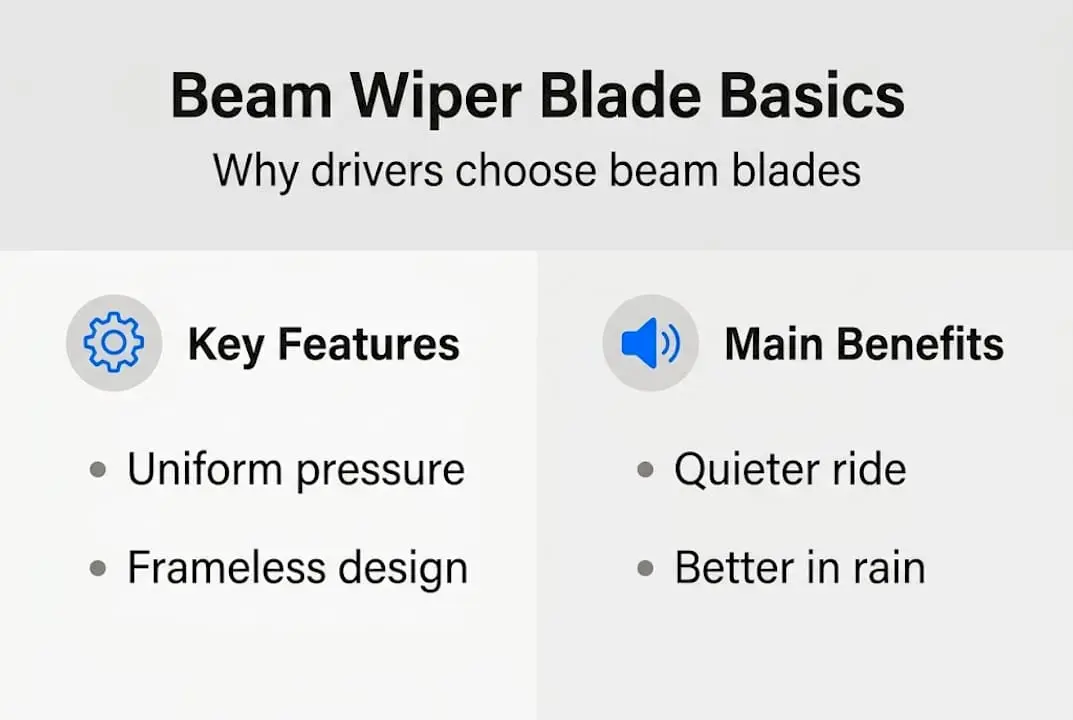
Because there’s no outer metal frame, beam blades are sometimes called frameless wipers. The rubber or plastic casing protects the steel spine from UV exposure, road grit, and salt air, all of which are particularly punishing in Australian conditions. This protection matters: a conventional blade’s exposed frame corrodes over time, losing tension and leaving behind streaks.
Here’s what sets beam blades apart from standard designs:
- Single pre-tensioned steel spine that distributes even pressure from end to end
- Frameless construction with no exposed metal to rust or jam with debris
- Flexible profile that conforms to curved and panoramic windscreens
- Consistent wiping arc with no skipping or chattering at speed
- Longer service life thanks to better materials and fewer mechanical failure points
Beam wiper blades aren’t just a premium option. They’re increasingly the standard fitment on new vehicles because modern windscreen curvatures demand that even pressure distribution.
It’s also worth noting that wiper blade performance testing consistently shows beam blades outscoring conventional designs in streak reduction and wet-weather clarity. For Australian drivers dealing with sudden downpours and blazing UV, that result matters far more than saving a few dollars on a cheaper blade.
Beam vs. conventional and hybrid wiper blades
Now that we’ve defined beam wiper blades, let’s see how they compare to the two other main styles you’ll find on the market.
Conventional blades are the traditional design: a metal frame with multiple pivot points that hold the rubber wiping edge against the glass. They work reasonably well on flat or gently curved screens, but their achilles heel is uneven pressure. As automotive engineers note, “the beam uses a continuous flexible steel strip to distribute even pressure, eliminating the multiple pivot points of conventional framed blades which cause uneven contact, streaking, and wind lift.” In heavy rain or at highway speeds, that wind lift is not just annoying. It’s a safety risk.
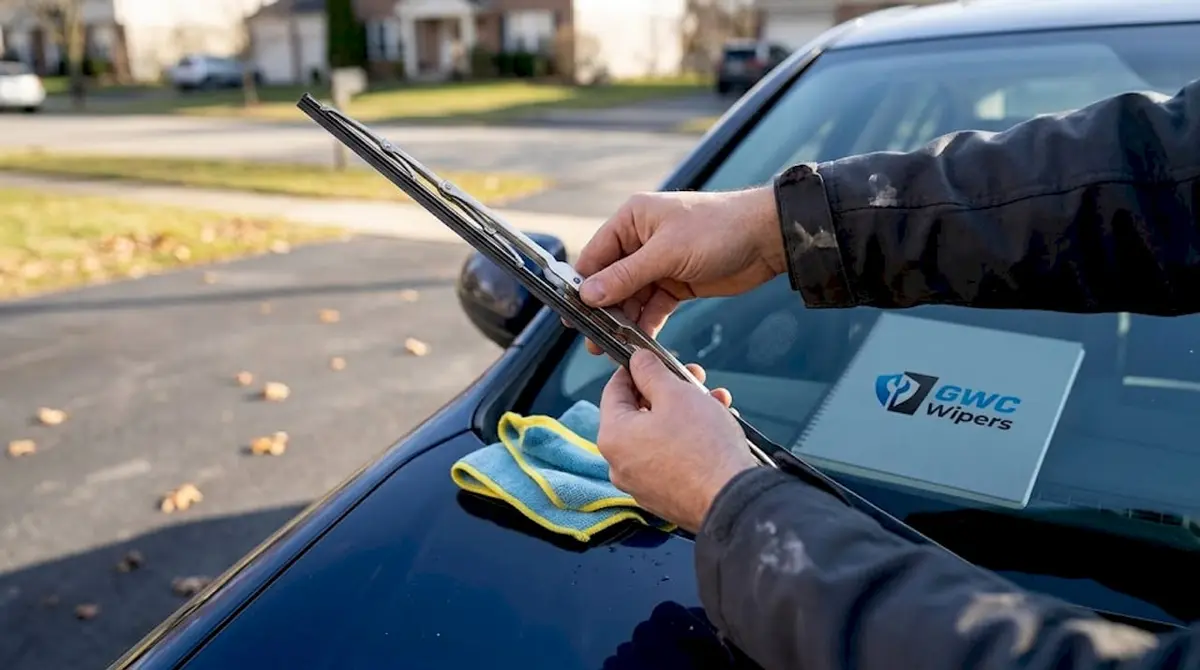
Hybrid blades aim to bridge the gap, combining a protective plastic shell over a conventional frame structure. They handle road grime better than open-frame blades and offer some improvement in contact pressure. However, the underlying frame still creates pivot points, meaning they can’t conform as smoothly to highly curved windscreens as a true beam blade can.
Here’s how the three designs compare across key performance factors:
| Feature | Conventional | Hybrid | Beam |
|---|---|---|---|
| Pressure distribution | Uneven, multi-point | Improved but limited | Uniform, full length |
| Wind lift resistance | Low | Moderate | High |
| Curved windscreen fit | Poor | Moderate | Excellent |
| Weather resistance | Low | Moderate | High |
| Typical lifespan | 6 to 12 months | 12 to 18 months | 12 to 24+ months |
| Noise and chatter | Common | Occasional | Minimal |
Expert consensus from rigorous testing places beam blades above both conventional and hybrid options for curved modern windscreens and harsh driving environments. That result holds true whether you’re driving through a Brisbane summer storm or a frosty Canberra morning.
Exploring the latest wiper blade technology can also help you understand where the industry is heading and why beam blades are now factory-fitted on so many new cars.
Pro Tip: If you live near the coast, a beam blade’s sealed frameless construction is particularly valuable. Salt air and humidity attack exposed metal frames quickly, whereas a beam blade’s encased spine stays protected and performs reliably for much longer.
Which vehicles and weather suit beam wiper blades?
Understanding the technology is useful, but is a beam wiper blade the right choice for your vehicle and region?
The short answer for most Australian drivers is yes. Testing confirms that beam wiper blades outperform other designs on curved modern windscreens and in harsh conditions, and that description covers the majority of vehicles on Australian roads today.
Beam blades are especially well suited to:
- Late-model European, Japanese, and Korean vehicles, which typically feature more pronounced windscreen curvature
- SUVs and crossovers with panoramic or steeply raked windscreens
- Vehicles driven in tropical regions like Queensland and the Northern Territory, where heavy, sudden rainfall is routine
- Coastal vehicles exposed to salt spray and high humidity that corrodes conventional frames
- Alpine and southern drivers in Victoria and Tasmania, where frost and snow demand a blade that won’t clog or lift
You can browse beam blades for modern vehicles to see how well-matched these blades are to current car designs. Drivers with older models needn’t feel left out either. Many beam blades use universal adapters that fit a wide range of arm connector types, so compatibility isn’t usually a problem.
At highway speeds, beam blades also stay quieter than conventional designs. The aerodynamic profile reduces wind resistance, so you won’t get that irritating flutter and chatter at 110 km/h on the freeway. For long regional drives, that reduction in vibration and noise is a genuine comfort improvement, not just a minor detail. Whether you’re checking compatibility for Ford drivers or searching for a fit for your Toyota, beam blades span an impressively wide range of vehicles.
Installation, maintenance, and longevity
Once you’ve selected the right blade, how do you ensure it performs its best over time?
The good news is that fitting a beam wiper blade is straightforward. Most designs use one-click adapters that lock onto your existing wiper arm without tools. Here’s the typical process:
- Lift the wiper arm away from the windscreen until it locks upright.
- Locate the release tab or button on the connector joining the old blade to the arm.
- Press the release and slide the old blade off the arm hook.
- Align the new beam blade’s adapter with the arm hook until it clicks firmly into place.
- Gently lower the arm back against the windscreen and test the blade across the glass.
The whole process takes under five minutes per blade, and you won’t need any special tools or mechanical knowledge.
Once fitted, keeping your blade in good shape is simple. Wipe the rubber edge with a damp cloth every few weeks to remove built-up grime, insects, and road film. Also clean your windscreen regularly with a quality glass cleaner. A dirty windscreen forces the blade to work harder and degrades the wiping edge faster.
Maintaining both the blade and the glass is the single most effective thing you can do to extend the life of any wiper blade.
When it comes to materials, silicone edges outperform rubber significantly in longevity. Silicone resists UV degradation and temperature extremes far better than natural rubber, which is critical in Australia’s harsh sun. A quality silicone-edged beam blade can last well over a year with proper care, compared to six months or less for a budget rubber blade.
For peace of mind, it’s worth testing your wipers for safety at the start of each wet season and replacing them at the first sign of streaking or skipping.
Pro Tip: Run your wipers briefly on a damp windscreen before hitting the road after a dry spell. This re-seats the wiping edge and prevents the dried rubber from scratching the glass on first contact.
Our perspective: what most drivers miss about wiper blade upgrades
There’s a tendency to treat wiper blades as a low-priority consumable, something you replace only when you literally can’t see through the rain. That mindset, while understandable, undersells just how much a quality blade affects daily driving confidence.
We’ve seen it consistently: drivers who upgrade from worn conventional blades to premium beam blades are often surprised not just by the clearer view, but by how much less stressful wet-weather driving becomes. From country storms to coastal city downpours, the reduction in mental effort is real. You’re not squinting through streaks or waiting for the next wiper pass to see if the light ahead is green or red.
In 2026, the right wiper blade is as much a safety upgrade as new tyres or brakes. Exploring safer driving technologies reinforces this point clearly. Upgrading isn’t just about eliminating streaks. It’s about having the confidence to drive safely on every school run, every road trip, and every late-night commute home through a downpour. Don’t wait until your visibility fails to act on it.
Find the right beam wiper blades for your car
Ready to try beam wiper blades for yourself? Making the upgrade is simpler than most drivers expect.
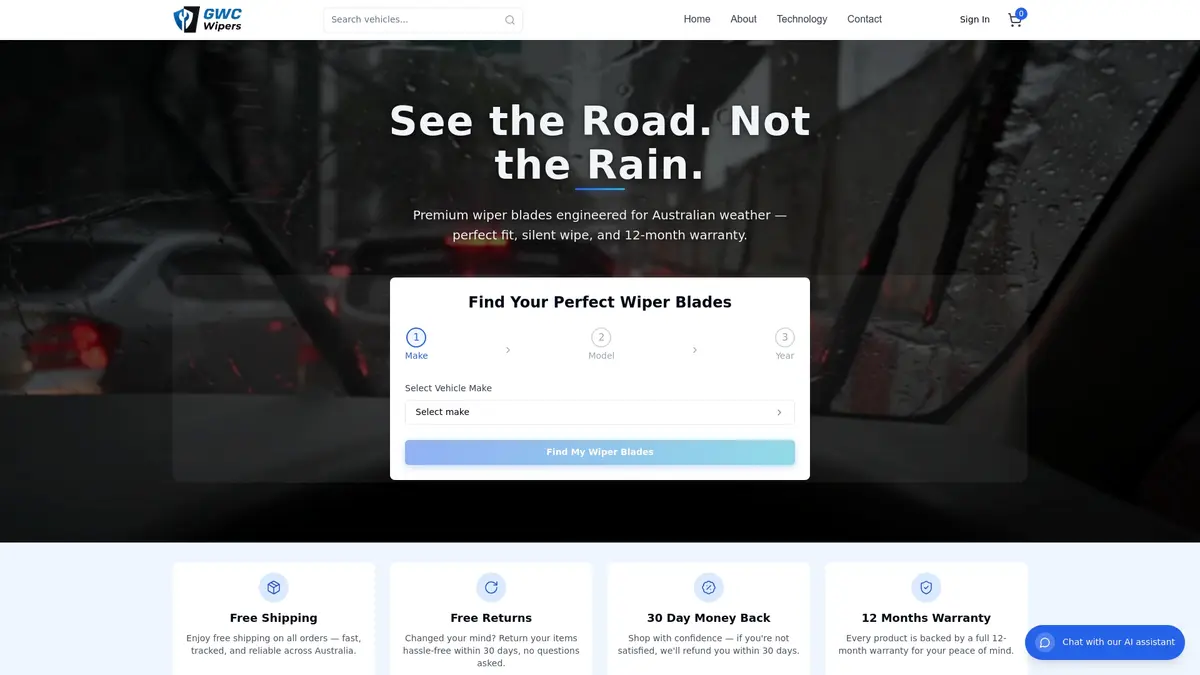
At GWC Wipers, you can search by your vehicle’s make, model, and year to find a perfectly matched beam blade in seconds. Whether you drive a Mercedes-Benz or need Toyota wiper blade options, we stock premium options built for Australian conditions. Every order comes with free shipping across Australia, a 30-day money-back guarantee, and a 12-month warranty for complete peace of mind. If you need help confirming fitment or choosing between blade types, our friendly Australian support team is ready to assist. Browse all wiper blades and find your match today.
Frequently asked questions
Are beam wiper blades better than conventional blades?
Yes. Beam wiper blades provide more uniform contact pressure and conform better to curved windscreens, making them more effective in harsh conditions including heavy rain and high-speed driving.
How long do beam wiper blades last?
With silicone edges, beam blades significantly outlast rubber alternatives, often performing well for over a year with basic cleaning and maintenance.
Can I fit beam wiper blades myself?
Absolutely. Most beam blades include a one-click adapter system that makes DIY installation quick and straightforward, requiring no tools and no mechanical experience.
Do beam wiper blades work well in heavy rain?
Beam blades excel in heavy rain thanks to even pressure distribution and superior wind resistance, which dramatically reduces streaking and prevents lift at speed.