
Common windshield debris types every Australian driver should know
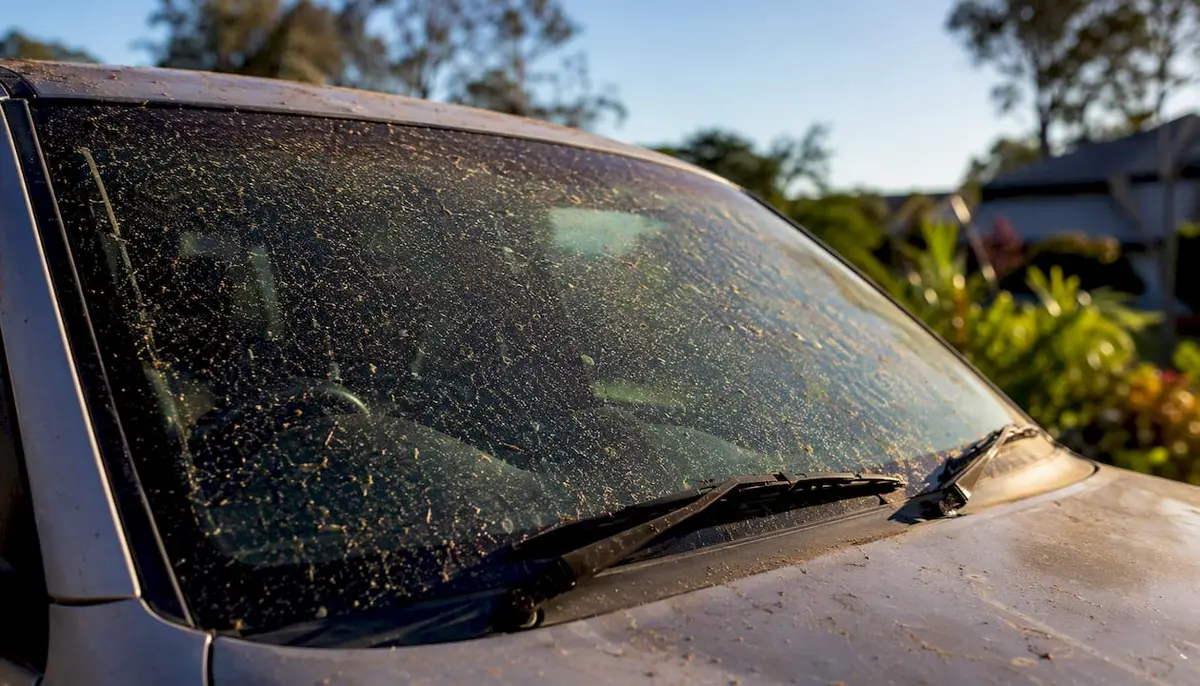
Your windscreen regularly collects various surface contaminants such as dust, bushfire soot and ash, coastal salt spray, tree sap, bird droppings, insect splatter, pollen, road film (wax and silicone), leaves and organic debris, and mineral or hard-water deposits. These are the most common examples of windshield debris affecting Australian drivers, and each one can reduce your visibility or impair wiper performance before you realise there’s a problem.
The immediate action is straightforward: clean the glass first, clean the wiper rubber second, and replace blades only if cleaning doesn’t restore a clear, streak-free wipe.
Quick do/don’t checklist:
- Do rinse the windscreen with water before wiping to loosen dry particles
- Do lift wiper arms and wipe the rubber edge with a damp microfibre cloth
- Do use a dedicated glass cleaner on the surface before testing wiper performance
- Don’t use abrasive powders or scouring pads on glass
- Don’t run dry wipers across a dusty or sooty screen
- Don’t assume a smearing blade needs replacing before you’ve cleaned both surfaces
Pro Tip: Run your wipers once on a wet screen after cleaning. If the smear disappears, the contaminant was the problem. If it persists, the blade itself needs attention.
Key takeaways
Glass condition is the primary limiting factor for wiper performance — clean the windscreen and rubber edge before concluding that a blade needs replacing.
| Point | Details |
|---|---|
| Ten common contaminants | Dust, soot, salt, sap, bird droppings, insects, pollen, road film, leaves, and mineral deposits are the main types affecting Australian drivers. |
| Clean glass first | Road film, wax, and silicone cause most smearing; cleaning both the glass and rubber edge usually restores performance without replacement. |
| Use the clean-glass test | If smear disappears on a freshly cleaned patch, the glass was the issue; if it persists, the blade needs replacing. |
| Legal and safety obligation | Driving with an obscured windscreen can affect roadworthiness and may be an offence under Australian road rules. |
| GWC Wipers for replacement | When replacement is needed, GWC Wipers’ vehicle selector covers over 2,500 models with a 12-month warranty, 30-day returns, and free Australia-wide shipping. |
Table of Contents
- Common windshield debris examples: what they look like and where they collect in Australia
- How windscreen contaminants reduce visibility and damage your wipers
- How to safely remove each type of windscreen contaminant
- When contaminants mean your wiper blades need replacing
- Australian legal and safety context for obscured windscreens
- A note from GWC Wipers on what we see most often
- Ready to replace your wiper blades? GWC Wipers has your fit
- Sources
- FAQ
Common windshield debris examples: what they look like and where they collect in Australia
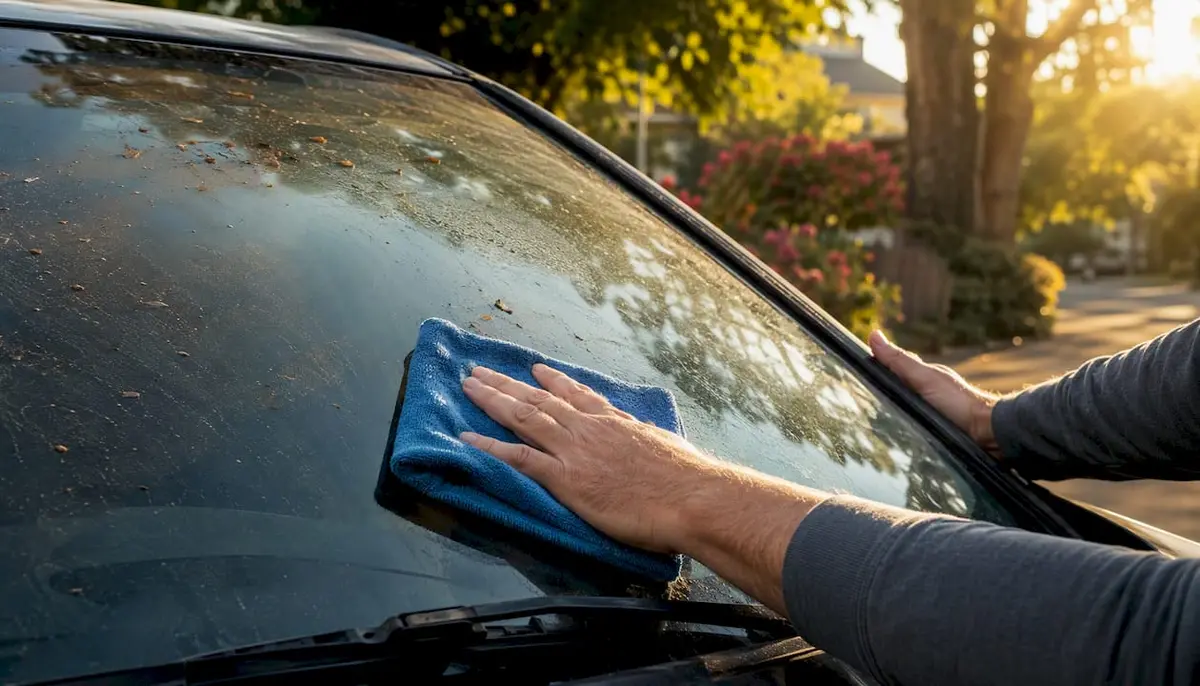
Understanding what each contaminant looks like on your glass helps you treat it correctly and decide whether a clean or a replacement is the right call. Vehicle aerodynamics concentrate water films and solid deposits in predictable zones — primarily the driver-vision area and along the bonnet edge — so these are the first spots to check.
| Contaminant | Typical location on glass | Visual cues | Ease of removal |
|---|---|---|---|
| Dust / outback red dirt | Full screen, bonnet edge | Reddish-brown powder film | Easy (rinse + cloth) |
| Bushfire soot and ash | Full screen, wiper park zone | Grey-black greasy film | Needs glass cleaner |
| Coastal salt spray | Lower screen, edges | White crystalline haze | Easy to moderate |
| Tree sap | Wherever trees overhang | Amber sticky spots | Needs rubbing alcohol |
| Bird droppings | Random, often centre screen | White-grey blobs, acidic | Moderate (soak first) |
| Insect splatter | Lower screen, leading edge | Brown-yellow smears | Easy to moderate |
| Pollen | Full screen in spring | Yellow-green dusty film | Easy (rinse) |
| Road film / wax / silicone | Full screen, wiper path | Greasy rainbow sheen | Needs dedicated cleaner |
| Leaves and organic debris | Wiper park zone, edges | Brown staining, tannins | Easy to moderate |
| Mineral / hard-water deposits | Wherever water pools and dries | White rough spots | Needs specialised cleaner |
Bushfire soot is particularly common across south-eastern and south-western Australia during summer and autumn. It mixes with humidity to form a greasy film that standard water alone won’t shift. Coastal salt spray, common on any run near the ocean, dries to a crystalline haze that looks like fogging from inside the car. Mineral deposits from hard water form rough spots that interrupt a wiper’s smooth path and often need a product specifically formulated to dissolve calcium and silica.
Pro Tip: Check the driver-vision zone and the bonnet-edge strip first — aerodynamic flows concentrate the heaviest deposits there. If those areas are clean, the rest of the screen usually is too.
How windscreen contaminants reduce visibility and damage your wipers
Road film, wax, and silicone on the glass or rubber edge are the most common cause of smearing and hydroplaning — not a worn blade. The wiper lifts off the glass surface on a thin layer of silicone or wax, leaving a greasy arc instead of a clean wipe. Soot and combustion particles from traffic mix with rain to form complex road soil that obscures vision and accelerates blade wear by embedding abrasive grit into the rubber.
Symptom-to-cause quick reference:
- Streaking or smearing → wax, silicone, or road film on glass or rubber
- Chatter or skipping → embedded grit or sand in the rubber edge
- White film after wiping → mineral deposits or wax residue on glass
- Reduced wipe arc → sap or tar holding the blade to the glass
- Squeaking → dry rubber, salt residue, or pollen on a dry screen
Sand and mineral grit act like fine sandpaper on the rubber lip. Over time, they create micro-tears that prevent the blade from maintaining full contact with the glass. Salt spray accelerates this process further, degrading the rubber compound faster than normal UV exposure alone.
Pro Tip: The clean-glass test: clean a small patch of the windscreen thoroughly, then run the blade over it. If the smear disappears on the clean patch, your glass surface is the problem. If it persists, the blade is failing.
How to safely remove each type of windscreen contaminant
Cleaning both the glass and the rubber insert before deciding on a replacement is the approach recommended in manufacturer service bulletins. Most perceived blade failures are actually contaminant problems.
Step-by-step removal by contaminant type:
- Dust and pollen: Rinse with water first to avoid scratching. Apply a spray glass cleaner and wipe with a clean microfibre cloth in straight strokes.
- Bushfire soot and ash: Rinse thoroughly, then apply a dedicated glass cleaner. A second pass with rubbing alcohol on a microfibre cloth removes the greasy residue. Avoid dry-wiping soot — it scratches.
- Coastal salt spray: Rinse with fresh water, then clean with a glass cleaner. For crystallised deposits, a diluted white vinegar solution (1:1 with water) dissolves the salt effectively.
- Tree sap: Apply rubbing alcohol or a dedicated sap remover to a microfibre cloth. Hold it on the spot for 30 seconds to soften the sap, then wipe gently. Never scrape dry sap with a blade or fingernail.
- Bird droppings: Soak with a damp cloth for two minutes before wiping. Bird droppings are acidic and can etch glass if left to dry. For safe removal without damaging paint or glass, use a pH-neutral cleaner rather than household detergent.
- Insect splatter: A dedicated bug remover or diluted dish soap works well. Soak briefly, then wipe with a microfibre cloth.
- Road film, wax, and silicone: Use a dedicated glass cleaner or isopropyl alcohol. Wipe the rubber blade edge with the same product on a cloth — this removes silicone transfer from the rubber itself.
- Mineral deposits: A calcium-dissolving glass treatment or white vinegar soak is needed. A clay bar removes embedded mineral spots that liquid cleaners can’t shift. Avoid abrasive pastes that can scratch glass.
- Leaves and organic debris: Remove physical debris by hand first, then treat tannin staining with a glass cleaner and microfibre cloth.
Safety cautions:
- Never scrape dry contaminants with a metal tool or razor blade unless you are experienced with automotive glass
- Avoid abrasive powders on glass surfaces
- Protect painted panels when applying alcohol or vinegar solutions
- Rinse thoroughly after any acid-based treatment
Pro Tip: After cleaning the glass, wipe the rubber blade edge and the arm pivot point with a cloth dampened with isopropyl alcohol. The pivot is a hidden recontamination source — grime transfers from it back to the rubber on every wipe cycle.
When contaminants mean your wiper blades need replacing
Cleaning resolves most wiper problems, but some signs point clearly to replacement. Persistent smearing on a freshly cleaned windscreen after you’ve cleaned both the glass and the rubber means the blade is deformed or the rubber has hardened beyond recovery.
Inspection checklist:
- Visible cracks, tears, or splits in the rubber lip
- Uneven contact — the blade skips or lifts in sections after cleaning
- Persistent smear on clean glass after the clean-glass test
- Chatter at speed that cleaning doesn’t resolve
- Rubber feels brittle or stiff when you flex it gently
- Blade is more than 12 months old
Replacement decision steps:
- Clean the windscreen thoroughly with a dedicated glass cleaner
- Clean the rubber edge and arm pivot with isopropyl alcohol
- Run the wipers on a wet screen and observe the wipe pattern
- If smear or chatter persists on clean glass, the blade needs replacing
- Check the rubber lip with your finger — any roughness or hardness confirms replacement
Drivers in coastal areas or regions with heavy sand and grit exposure should inspect blades every six months rather than annually. Coastal salt and road grit accelerate rubber wear significantly. When buying replacements, prioritise a perfect fit for your vehicle, an aerodynamic design that maintains pressure at highway speeds, and a natural rubber compound for durability. GWC Wipers’ climate-specific wiper guidance covers replacement cadence across Australian regions in detail.
Pro Tip: Regular replacement is recommended for most Australian drivers, with more frequent replacements advised for those in coastal or high-dust regions due to accelerated wear.
Australian legal and safety context for obscured windscreens
Driving with an obscured windscreen can affect your vehicle’s roadworthiness and may constitute an offence under state road rules across Australia. Visibility is a safety requirement, not a cosmetic preference. Austroads and state road authorities treat a clear, unobstructed windscreen as a basic roadworthiness condition.
Legal-safe actions to take immediately:
- Clean your windscreen before every trip if contaminant build-up is visible
- Avoid driving at night with a smeared or hazy windscreen — oncoming headlights scatter off road film and soot, creating dangerous glare
- Address persistent smear before any long-distance drive
- Check your windshield clarity checklist before a roadworthiness inspection
Aerodynamic flows concentrate debris in the driver-vision zone and near the A-pillars, which are also where modern ADAS sensors and cameras sit. A contaminated screen in these areas affects both your direct sightline and your vehicle’s safety systems simultaneously.
A note from GWC Wipers on what we see most often
Most customers who contact us about smearing wipers find that a thorough clean of both the glass and the rubber edge solves the problem entirely. Soot, road film, and silicone from detailing products are the most frequent culprits. But when cleaning doesn’t restore a clear wipe — especially after 12 months of use or in a coastal environment — a replacement is the right call.
GWC Wipers’ vehicle selector covers numerous makes and models, so finding the correct blade for your car takes under a minute. Every blade comes with a warranty period, a money-back guarantee, and free shipping across Australia. If you’re unsure about fitment, our Australian support team can help you confirm the right match before you order.
Ready to replace your wiper blades? GWC Wipers has your fit
When cleaning isn’t enough, getting the right replacement blade matters more than most drivers realise. A blade that doesn’t match your vehicle’s arm geometry won’t maintain even pressure across the glass, and no rubber compound compensates for a poor fit.
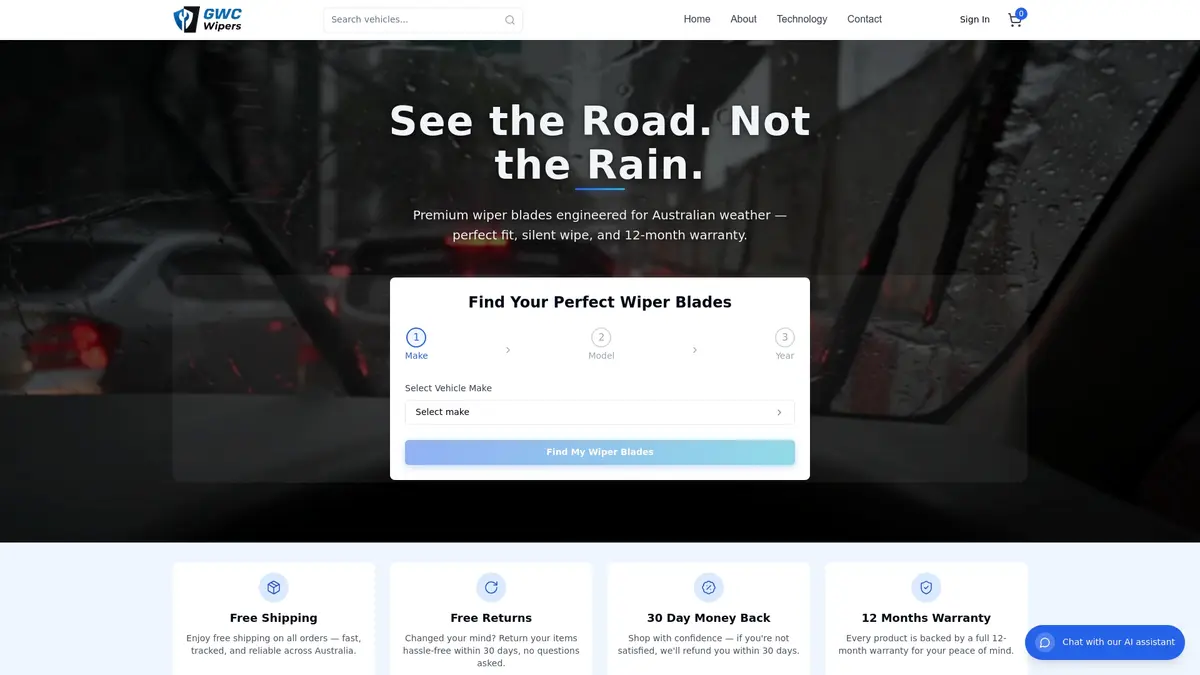
GWC Wipers designs and manufactures premium blades specifically for Australian conditions, with natural rubber construction, aerodynamic pressure distribution, and preassembled adapters for straightforward DIY installation. The vehicle selector tool finds your exact fit in seconds. Every order includes a 12-month warranty, 30-day money-back guarantee, and free Australia-wide shipping.
Browse premium Toyota wiper blades or Mercedes-Benz wiper blades to find your model, or use the selector on the GWC Wipers homepage to confirm fitment for any make and year.
Sources
- The Proper Way to Clean Your Windscreen & Car Windows
- Surface contamination of cars: A review
- How to remove water spots from car windows and windshields
- How To Clean Windshield Wipers For Better Visibility | Chemical Guys
- @TOYOTA
FAQ
What are the most common examples of windshield debris in Australia?
The ten most common surface contaminants are dust, bushfire soot and ash, coastal salt spray, tree sap, bird droppings, insect splatter, pollen, road film (wax and silicone), leaves and organic debris, and mineral or hard-water deposits.
How do I know if smearing is caused by the glass or the blade?
Clean a small patch of the windscreen thoroughly, then run the blade over it. If the smear disappears on the clean patch, the glass surface was the problem; if it persists, the blade needs replacing.
How often should I replace my wiper blades in Australia?
Annual replacement is a reliable rule of thumb for most drivers. Coastal and high-dust regions warrant inspection every six months, as salt spray and road grit accelerate rubber wear.
Can driving with a dirty windscreen be illegal in Australia?
Yes. Driving with an obscured windscreen can affect roadworthiness and may be an offence under state road rules. Australian road authorities treat clear, unobstructed vision as a basic safety and roadworthiness requirement.
Where can I find the right replacement blades for my vehicle?
GWC Wipers’ vehicle selector covers numerous makes and models and identifies the correct blade for your car in seconds, with free Australia-wide shipping, a 12-month warranty, and a 30-day money-back guarantee.