
Climate-specific wiper tips for Australian drivers

TL;DR:
- Choosing climate-specific wiper blades is essential for safe driving across Australia’s diverse weather conditions. Regular maintenance and timely replacement, especially every six months in harsh regions, improve visibility and prevent windscreen damage.
Choosing the right wiper blades for your climate is the single most effective way to maintain clear visibility and road safety across Australia’s wildly variable weather. Climate-specific wiper tips cover everything from blade material selection to maintenance routines built around local conditions, whether you’re dealing with Queensland’s tropical downpours, South Australia’s scorching summers, or Victoria’s frosty mornings. Australia’s UV levels regularly exceeding 8 cause rubber degradation at a rate that drivers in milder climates simply don’t face. Getting your blade choice and care routine right from the start saves money and, more critically, keeps you safe.
1. Climate-specific wiper tips: why Australia is different
Australia’s climate puts wiper blades under stress that most other countries don’t see. Photodegradation and desiccation from intense UV and heat cause rubber to crack and stiffen far faster here than in Europe or North America. A blade that would last two years in the UK may fail within six months in Perth or Darwin. Understanding this reality is the foundation of every good wiper decision you’ll make.
2. What types of wiper blades suit Australia’s diverse climates?
The right blade type depends on your region, your vehicle, and the weather you face most often. The industry recognises three main categories: traditional bracket (conventional) blades, beam blades, and hybrid blades.
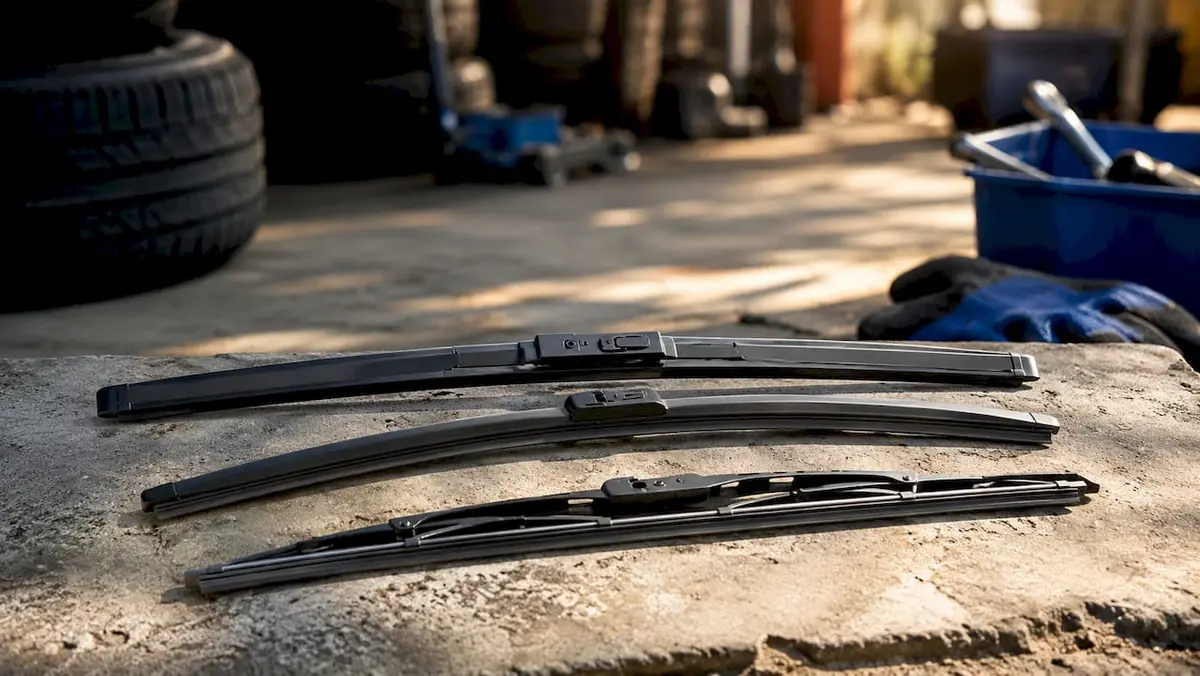
Beam blades are the best choice for most modern Australian vehicles. Beam blades maintain even pressure across the full curve of a modern windscreen, which dramatically improves wipe quality and durability in diverse Australian weather. They have no exposed metal frame, so coastal salt air and outback dust have fewer places to cause corrosion or clogging. For a deeper look at how each type performs locally, the blade types guide from GWC Wipers breaks down the differences clearly.
Silicone vs rubber: which material wins?
- Silicone blades resist UV exposure and extreme heat far better than natural rubber. They also deposit a thin hydrophobic layer on the glass over time, which improves water beading. Silicone is the preferred material for high-UV regions like the Northern Territory, Western Australia, and coastal Queensland.
- Rubber blades are more affordable and perform well in temperate climates with moderate sun exposure, such as Tasmania or the southern highlands of New South Wales.
- Hybrid blades combine a rubber or silicone element inside an aerodynamic shell, offering good all-round performance for drivers who move between climates or face mixed conditions.
Pro Tip: If you park outdoors in a high-UV area, silicone blades are worth the extra cost. They last longer under direct sun and reduce how often you need to replace them.
| Blade type | Best climate | Key advantage |
|---|---|---|
| Beam (silicone) | High UV, coastal, tropical | Even pressure, no metal frame to corrode |
| Beam (rubber) | Temperate, moderate sun | Good wipe quality, affordable |
| Hybrid | Mixed or variable climates | Aerodynamic shell protects the element |
| Conventional | Low-UV, mild regions | Budget-friendly, widely available |
3. How often should you replace wiper blades in different Australian regions?
Experts recommend replacing wiper blades every 6–12 months, with harsher climates requiring replacements closer to every six months. That shorter interval applies to most of Australia, not just the obvious extremes. Drivers in coastal areas face salt air that accelerates rubber and metal degradation. Outback and inland drivers deal with fine dust that acts like sandpaper on the blade edge every time it moves.
Signs your blades need replacing now, regardless of age:
- Streaking or smearing across the windscreen during rain
- Squeaking or chattering on wet glass
- Visible cracking, splitting, or stiffness in the rubber element
- Skipping or lifting off the glass at highway speeds
- Reduced water clearance in heavy rain
Many drivers only check wipers during rain, missing the gradual degradation that happens every sunny day. UV exposure degrades rubber daily, even when the blades aren’t in use. A monthly visual check takes less than two minutes and catches problems before they become a safety issue. The 6-month weather impact guide from GWC Wipers explains exactly how each season affects blade condition.
4. What are effective maintenance practices to extend wiper blade life?
Good maintenance can significantly extend the life of your blades, regardless of climate. These steps are practical, low-cost, and take only minutes.
- Clean blades monthly with warm soapy water and rubbing alcohol. Cleaning with warm soapy water and rubbing alcohol removes tree sap, road grime, and abrasive dust that act like sandpaper on the blade edge. This single habit can double blade lifespan.
- Always use washer fluid before activating your wipers. Running blades on a dry screen accelerates wear and can scratch your windscreen. Even a light mist of fluid before wiping protects the rubber edge.
- Park in shade whenever possible. Parking in shade and using sunshades reduce UV damage to both the blade rubber and the windscreen seal. A reflective sunshade costs very little and makes a real difference in summer.
- Lift your wiper arms off the glass on hot days. When blades sit flat on a hot windscreen, the rubber can bond to the glass and deform. Lifting the arms prevents sticking and cracking during extreme heat.
- Inspect wiper arms for corrosion and alignment. Bent or corroded wiper arms cause uneven pressure across the blade, leading to streaking and accelerated wear on one section. Check that the arm sits flush and applies consistent pressure across the full blade length.
- Wipe the windscreen before long trips. Removing dried insects, bird droppings, and dust before you drive reduces the load on your blades and keeps the glass surface clean.
Pro Tip: Dampen a cloth with rubbing alcohol and run it along the full length of the blade edge. If the cloth picks up black residue, the blade is shedding degraded rubber and needs replacing soon.
For more practical care ideas, the all-season wiper hacks guide from GWC Wipers covers nine tips built specifically for Australian conditions.
5. How to choose and use wipers seasonally for all-weather Australian driving
Seasonal wiper advice matters because Australia’s weather extremes shift dramatically across the calendar. The right blade for a Darwin wet season is not the same blade that handles a Canberra frost.
Summer (October to March): Heavy tropical rains in the north and intense UV across the country make this the most demanding season for blades. Aerodynamic beam blades handle high-speed driving in storms far better than conventional bracket blades, which can lift off the glass above 80 km/h. Check your blades before the wet season starts, not after the first downpour.
Autumn and spring: Variable conditions mean your blades face both dry dusty days and sudden rain. This is the best time to replace blades if you’re on a six-month cycle, so you enter summer and winter with fresh rubber.
Winter (June to August): Drivers in alpine regions of Victoria, New South Wales, and the ACT need wiper blades for snow and ice. Dedicated winter blades have a rubber boot that covers the frame and prevents ice from packing into the mechanism. In milder southern cities like Melbourne and Adelaide, standard beam blades handle winter rain well, but lifting blades off the glass overnight prevents frost bonding.
“The biggest mistake Australian drivers make is treating wipers as a set-and-forget item. Your blades face UV stress every single day, even when it hasn’t rained in weeks. Proactive seasonal checks are the difference between clear vision and a dangerous smear across your windscreen at 100 km/h.”
All-weather tips that apply year-round:
- Replace blades before a long road trip, not after you notice a problem.
- Keep a spare set in the boot if you regularly drive in remote areas.
- Use the correct blade size for your vehicle. An ill-fitting blade leaves unwiped sections and wears unevenly.
- Check that your washer fluid reservoir is full before any long drive or storm season.
The extreme weather wiper design article from GWC Wipers covers how blade construction adapts to Australia’s most demanding conditions.
Key takeaways
Proactive, climate-matched wiper selection and monthly maintenance are the most reliable way to maintain safe visibility across Australia’s diverse and demanding weather conditions.
| Point | Details |
|---|---|
| Replace every 6 months in harsh climates | High-UV, coastal, and dusty regions degrade blades faster than the standard 12-month cycle. |
| Choose silicone or beam blades for most Australians | Beam-style silicone blades resist UV, heat, and coastal salt better than conventional rubber. |
| Clean blades monthly | Warm soapy water and rubbing alcohol remove abrasive grit and can double blade lifespan. |
| Never run wipers on a dry screen | Always activate washer fluid first to protect the blade edge and avoid windscreen scratches. |
| Lift blades in extreme heat | Prevents rubber bonding to hot glass and reduces cracking during summer parking. |
What I’ve learned after years of watching Australian drivers get this wrong
Most drivers I speak with replace their wipers only after they’ve already failed. They notice the smear during a downpour on the freeway, which is exactly the wrong moment to discover the problem. The reactive approach is genuinely dangerous, and it’s also more expensive in the long run because a degraded blade can scratch a windscreen, turning a $30 fix into a $300 one.
The other pattern I see constantly is drivers buying the cheapest conventional blade available, fitting it, and wondering why it lasts three months in Brisbane. The material matters enormously in Australia. A silicone beam blade costs more upfront, but in a high-UV city it outlasts two or three budget rubber blades. The maths favour quality every time.
My honest advice: treat your wipers the way you treat your tyres. You wouldn’t wait until a tyre blows out to check the tread. Check your blades every month, clean them while you’re at it, and replace them on a schedule that matches your climate, not the calendar. For most Australians, that means every six months. For drivers in alpine areas, swap to winter-rated blades before june and back to standard blades in september.
One more thing worth saying: the wiper arm is often overlooked. A corroded or bent arm applies uneven pressure and ruins a good blade within weeks. Spend thirty seconds checking the arm every time you replace the blade. It costs nothing and protects your investment.
— Faisal
Premium wiper blades built for Australian conditions
GWC Wipers designs and supplies wiper blades specifically for Australia’s climate challenges, from tropical wet seasons to alpine frost. The range includes beam-style and silicone blades with aerodynamic profiles that maintain contact at highway speeds and resist UV degradation in high-sun regions. Every blade comes with a vehicle-specific fit guarantee, a 12-month warranty, and free shipping across Australia. Whether you drive a Toyota, Mercedes-Benz, or anything in between, the vehicle selector tool at GWC Wipers matches you to the right blade for your make, model, and year in seconds. Browse premium Toyota wiper blades or check the full Mercedes-Benz wiper range to find your fit today.
FAQ
How often should I replace wiper blades in Australia?
Replace wiper blades every 6–12 months, with drivers in high-UV, coastal, or dusty regions replacing closer to every six months. Australia’s UV intensity degrades rubber faster than in most other countries.
Are silicone wiper blades better than rubber for Australian conditions?
Silicone blades outperform rubber in high-UV and extreme heat environments because they resist photodegradation and deposit a water-repelling layer on the glass. Rubber blades remain a practical choice in cooler, lower-UV regions like Tasmania.
Do I need special wiper blades for snow in Australia?
Drivers in alpine areas of Victoria, New South Wales, and the ACT benefit from dedicated winter wiper blades with a rubber boot that prevents ice from jamming the frame mechanism. Standard beam blades are adequate for frost in milder southern cities.
Can I damage my windscreen by running wipers on a dry screen?
Yes. Running blades on a dry windscreen causes blade drag that accelerates rubber wear and can leave fine scratches on the glass. Always activate washer fluid before wiping, even for light dust.
What is the best wiper blade type for heavy rain in Australia?
Beam-style blades are the best choice for heavy rain because they maintain even pressure across the windscreen curve and don’t lift at highway speeds the way conventional bracket blades can.