
Upgrade your windshield visibility: expert guide for Australian drivers

TL;DR:
- Australia’s harsh weather demands premium, UV-resistant silicone wiper blades for lasting performance.
- Proper installation and regular maintenance are essential to ensure clear visibility in all conditions.
- Choosing the right blade type and pairing it with consistent upkeep prevents streaking and safety risks.
Picture this: you’re driving home on a wet Queensland evening, wipers thrashing back and forth, but all you see is a blurred streak of oncoming headlights. Your standard rubber blades are smearing more than they’re clearing. It’s a situation thousands of Australian drivers face every wet season, and it’s entirely preventable. This guide walks you through understanding local visibility challenges, choosing the right premium wiper blades, installing them correctly, and keeping them performing at their best — so you can drive with confidence no matter what the weather throws at you.
Table of Contents
- Understand the challenges to windshield visibility in Australia
- Choose the right wiper blade for Australian conditions
- Install premium wiper blades: step-by-step process
- Maintain and verify clear visibility over time
- The truth experts won’t tell you about visibility upgrades
- Explore premium wiper blade solutions for your vehicle
- Frequently asked questions
Key Takeaways
| Point | Details |
|---|---|
| Premium benefits | Premium silicone wiper blades outperform regular types for quality, durability, and clarity. |
| Australian challenges | UV, dust, and heavy rain demand advanced wiper blade materials for safe driving. |
| Easy installation | Installing high-performance blades is straightforward with proper guidance and tools. |
| Maintenance matters | Routine cleaning and timely replacement are crucial for ongoing clear visibility. |
Understand the challenges to windshield visibility in Australia
Australia’s climate is unlike anywhere else on earth. In a single week, you might drive through torrential coastal downpours, blistering inland heat, and thick outback dust. Each of these conditions attacks your wiper blades in a different way, and standard blades simply aren’t built to handle all three.
UV radiation is one of the biggest culprits. Australia receives some of the highest UV levels in the world, and prolonged sun exposure causes conventional rubber blades to crack, harden, and lose their flexibility. Once a blade loses its flexibility, it can no longer conform to the curve of your windshield, leaving wide streaks across your field of vision. In dusty regions like Western Australia and South Australia, fine particles act like sandpaper against the rubber edge, accelerating wear even further.
Heavy rain events, particularly in Queensland and New South Wales, demand blades that can clear large volumes of water quickly and consistently. If your blades are already compromised by UV or dust damage, they’ll chatter, skip, and leave dangerous blind spots right when you need clarity most.
Understanding Australian weather and wiper durability helps you appreciate why material quality matters so much here. The conditions that Australian drivers face are genuinely demanding, and that reality should shape every buying decision you make.
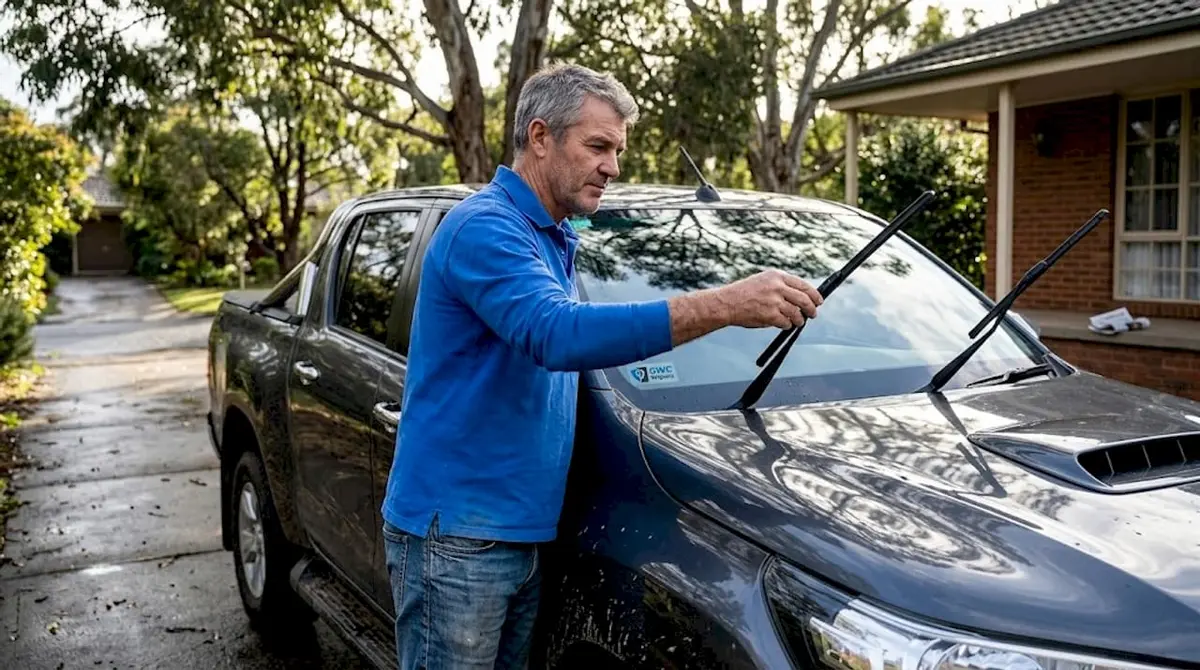
Here’s a quick comparison of how different Australian conditions affect blade performance:
| Condition | Effect on rubber blades | Effect on silicone blades |
|---|---|---|
| High UV exposure | Cracking and hardening | Minimal degradation |
| Heavy rain | Skipping and streaking | Even, consistent wiping |
| Dust and debris | Accelerated edge wear | Greater abrasion resistance |
| Extreme heat | Softening and deformation | Stable performance |
Premium materials make a measurable difference. Silicone blades last 2x longer than traditional rubber per ASTM D1149 testing, which is the industry standard for ozone and UV resistance. That longevity isn’t just about saving money. It means you’re far less likely to be caught with degraded blades during a sudden storm.
Key visibility threats to watch for include:
- UV-induced rubber cracking after prolonged summer exposure
- Dust contamination causing streaking on dry and wet windshields
- Water beading failure when blade edges lose their sharp profile
- Blade chatter on curved windshields due to reduced flexibility
Investing in heavy-duty wipers for Aussie conditions is one of the most practical safety upgrades you can make to any vehicle in this country.
Choose the right wiper blade for Australian conditions
Now that you know the challenges, let’s look at which wiper blades are genuinely up for the task. There are three main types available: conventional frame blades, beam blades, and hybrid blades. Each has distinct strengths and trade-offs.
Conventional frame blades use a metal frame with multiple pressure points to hold the rubber edge against the glass. They’re widely available and affordable, but the exposed metal frame collects dust and grime, and the uneven pressure distribution becomes obvious on curved windshields. In heavy rain, that uneven contact leads to streaking.
Beam blades (also called bracketless or frameless blades) use a single tensioned piece of material that flexes along the entire length of the blade. This design delivers even pressure across the whole wipe arc, which is exactly what curved modern windshields need. There’s no exposed frame to trap debris, and aerodynamic designs mean they stay flat against the glass even at highway speeds.
Hybrid blades combine a protective outer shell with the internal structure of a beam blade. The shell shields the blade from UV and dust, while the internal design maintains even pressure. They’re an excellent all-rounder for Australian conditions.
Premium beam-style and hybrid wiper blades, especially silicone variants, provide even pressure, streak-free wiping, and resist UV, dust, and rain. That combination of qualities is precisely what Australian roads demand.
Here’s how the three types compare across the factors that matter most locally:
| Blade type | UV resistance | Rain performance | Dust resistance | Lifespan |
|---|---|---|---|---|
| Conventional rubber | Low | Moderate | Low | 6-12 months |
| Beam silicone | High | Excellent | High | 18-24 months |
| Hybrid silicone | High | Excellent | Very high | 18-24 months |
When it comes to brands, a few stand out for Australian conditions. Bosch Aerotwin beam blades are widely respected for their aerodynamic profile and consistent pressure. Trico Silicone blades offer excellent UV resistance and are a strong choice for vehicles in high-sun regions. Rain-X Silicone blades also perform well, with a water-repellent silicone compound that conditions the glass as it wipes.
Understanding the best wiper blade types for Australia means looking beyond price and focusing on material and design. Silicone beam or hybrid blades will almost always outperform cheaper rubber alternatives in local conditions.
For vehicles where manufacturer specifications matter, choosing OEM-fit wiper blades ensures the blade geometry matches your windshield curve precisely, reducing the risk of pressure gaps.
Pro Tip: Always choose UV-resistant silicone blades if your vehicle is regularly parked outdoors. The investment pays for itself in extended lifespan and consistent visibility through every season.
Install premium wiper blades: step-by-step process
Once you’ve got the right blades, correct installation is what turns a good product into great performance. Rushed or incorrect fitting is one of the most common reasons drivers experience streaking and noise even with premium blades.
Before you start, gather what you need:
| Item | Purpose |
|---|---|
| New wiper blades | Replacement units |
| Clean microfibre cloth | Windshield and blade cleaning |
| Mild glass cleaner | Remove grime before fitting |
| Owner’s manual | Confirm arm connector type |
Here’s the step-by-step process:
- Park on a flat surface and turn off the ignition. Lift the wiper arm away from the windshield carefully. Most arms have a locking tab that holds them upright. Never let the arm snap back against bare glass — it can crack the windshield.
- Identify your connector type. Australian vehicles use several arm connector styles: hook (J-hook), pinch tab, pin arm, and bayonet. Your new blades should include adaptors. Check your owner’s manual if you’re unsure.
- Remove the old blade. Press the release tab on the connector and slide the blade downward along the arm until it detaches. Note the orientation before removing it.
- Clean the wiper arm and windshield. Use a microfibre cloth and glass cleaner to remove any built-up grime from the arm pivot and the windshield surface. A clean surface means better first contact.
- Attach the new blade. Align the new blade’s connector with the arm and slide it upward until you hear or feel a firm click. Tug gently to confirm it’s locked in place.
- Lower the arm slowly. Guide it back onto the windshield rather than letting it fall. Repeat for the passenger side and rear wiper if applicable.
- Test at low speed on a damp windshield. Run the wipers through several cycles and check for streaks, chattering, or uneven contact.
Following a detailed installation guide for premium blades reduces the chance of errors that compromise performance from day one.
Proper installation of premium blades is what delivers even pressure and streak-free wiping. Skipping steps or forcing connectors can misalign the blade and create the very problems you’re trying to solve.
Noise is another concern worth addressing during installation. If your blades chatter after fitting, the arm tension may be too low or the blade isn’t seated flush. Adjusting the arm angle slightly or confirming the connector is fully locked usually resolves the issue. For a quieter result overall, look for quietest wiper blades designed with noise-dampening materials.
Pro Tip: Before your first real rain, spray a small amount of water on the windshield and run the wipers at low speed. This lets you spot any alignment issues in a controlled setting rather than discovering them mid-storm.
Maintain and verify clear visibility over time
A great install is just the beginning. Keeping your visibility clear requires ongoing care, particularly in Australia where UV, heat, and dust work constantly to degrade even the best blades.
Routine maintenance is straightforward but often overlooked. Many drivers wait until visibility is already poor before replacing or cleaning their blades. By that point, the damage is done and the risk is real.
Here are the key maintenance practices to build into your routine:
- Clean blades monthly. Wipe the rubber or silicone edge with a damp microfibre cloth to remove dust, insect residue, and road grime. This single habit extends blade life noticeably.
- Clean your windshield regularly. A dirty windshield causes blades to work harder and wear faster. Use a quality glass cleaner and avoid leaving wax or polish on the wiper contact area.
- Inspect for wear every six months. Look for cracks, tears, or a rounded edge profile. A blade that has lost its sharp edge will smear rather than wipe.
- Lift blades away from the glass in extreme heat. If your car is parked in direct sun for extended periods, lifting the blades prevents them from bonding to the hot glass surface.
- Replace wiper fluid regularly. Old or contaminated washer fluid leaves residue on the glass that causes streaking even with new blades.
Premium silicone blades resist degradation and maintain visibility longer than conventional types, but they still benefit from regular cleaning and inspection. Silicone’s natural water-repellent properties actually improve over the first few weeks of use as the compound conditions the glass, creating a hydrophobic layer that helps water bead and roll away.

Understanding the importance of regular blade replacement goes beyond convenience. Worn blades reduce your reaction time in wet conditions by limiting how quickly you can read the road ahead. In a country where sudden downpours are common, that matters enormously.
Troubleshooting common issues:
- Streaking usually means the blade edge is worn, dirty, or the windshield has a wax or silicone residue. Clean both surfaces first before replacing the blade.
- Chattering or skipping often points to a blade that isn’t making full contact, either due to incorrect installation or a blade that doesn’t match your windshield’s curvature.
- Squeaking can result from a dry windshield. Always use washer fluid rather than running blades on a dry screen.
Exploring the benefits of premium wiper blades makes it clear that the performance gap between budget and premium options widens significantly over time, especially in harsh Australian conditions.
The truth experts won’t tell you about visibility upgrades
Here’s something most wiper blade articles won’t say directly: the biggest visibility problem in Australian cars isn’t the blades themselves. It’s the assumption that blades are a “set and forget” item.
We’ve seen this pattern repeatedly across thousands of Australian vehicles. A driver buys quality blades, installs them correctly, and then ignores them for two years. By the time the next major storm arrives, those once-premium blades are cracked, hardened, and performing no better than cheap replacements. The material quality that made them worth buying has been undone by neglect.
The other thing worth saying plainly: many drivers underestimate how much their windshield condition affects blade performance. A windshield coated in road film, old wax, or silicone overspray will make even the best blades streak. Upgrading your blades without addressing the glass is like fitting new tyres to a car with misaligned wheels. You’re only solving half the problem.
There’s also a common misconception that beam blades are only worth it for newer vehicles. In reality, any vehicle with a curved windshield benefits from the even pressure distribution that beam blades provide. Older vehicles with conventional frame blades often have noticeably worse visibility simply because the frame design can’t adapt to the windshield’s curve as it ages.
Our experience with Australian drivers also shows that people living in regional and rural areas tend to underestimate dust damage. Dust contamination is subtle. It doesn’t create the obvious smearing that rain does, so drivers don’t notice it until the blade edge is already compromised. If you drive regularly on unsealed roads or through dusty conditions, inspect your blades every three months rather than every six.
Following expert rain visibility tips is valuable, but the deeper lesson is this: premium blades are an investment that only pays off when paired with consistent maintenance and a clean windshield. Make both a habit and you’ll rarely be caught out.
Explore premium wiper blade solutions for your vehicle
You now have everything you need to make a confident, informed decision about your wiper blades. The next step is finding the right fit for your specific vehicle.
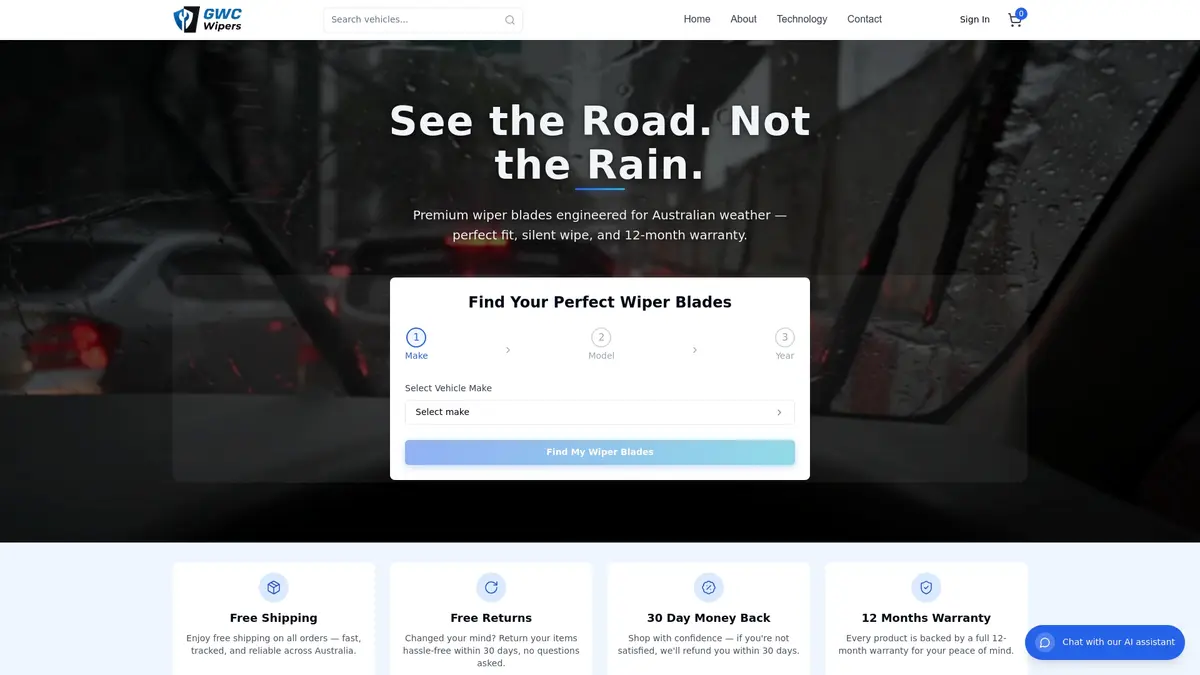
At GWC Wipers, we’ve built our entire range around the realities of Australian driving. Every blade is selected for UV resistance, rain performance, and durability in local conditions. Our vehicle selector tool makes it simple to find the exact blade for your make, model, and year, with no guesswork involved. Whether you drive an Alfa Romeo and need Giulietta premium wiper blades, a Mercedes-Benz and want GLE-Class wiper blades, or a Toyota and are looking for Toyota wiper blades that fit perfectly, we have you covered. Every order includes free shipping across Australia, a 30-day money-back guarantee, and a 12-month warranty.
Frequently asked questions
What makes silicone wiper blades better for Australian drivers?
Silicone blades last 2x longer than traditional rubber per ASTM D1149 testing, and they resist UV exposure, dust abrasion, and heavy rain far more effectively than conventional rubber options.
How often should I replace my wiper blades in Australia?
Premium silicone blades can last 18 to 24 months in typical Australian conditions, but inspecting them every six months helps you catch early wear before it affects your visibility. Beam-style and hybrid blades maintain their performance longer than conventional types.
How do I maintain clear visibility after installing new wiper blades?
Clean your windshield and blade edges monthly, inspect for cracks or worn edges every six months, and address any streaking or noise promptly. Premium silicone blades also condition the glass over time, improving water repellency with regular use.
Can I install premium blades myself or should I get professional help?
Most premium blades are designed for straightforward DIY installation using included adaptors and clear instructions. Following a step-by-step process ensures even pressure and streak-free wiping from the first use.