
Windshield clarity checklist for Australian drivers
TL;DR:
- A windshield clarity checklist helps Australian drivers inspect and maintain their windshields for safety and visibility.
- Regular damage checks, proper cleaning, and timely wiper maintenance prevent accidents caused by obscured vision.
A windshield clarity checklist is a step-by-step inspection and maintenance guide that helps Australian drivers keep their windscreen free of damage, residue, and obstructions that reduce safe visibility. Australian roads present a unique combination of challenges: intense UV exposure, red dust, sudden downpours, and low-angle winter sun that turns a slightly dirty windscreen into a blinding glare trap. Transport for NSW sets clear legal thresholds for windscreen damage, and failing to meet them can mean a failed roadworthy inspection. This guide covers every item on a thorough windscreen clarity check, from spotting a chip to replacing worn wiper blades.
1. Your windshield clarity checklist: start with a damage inspection
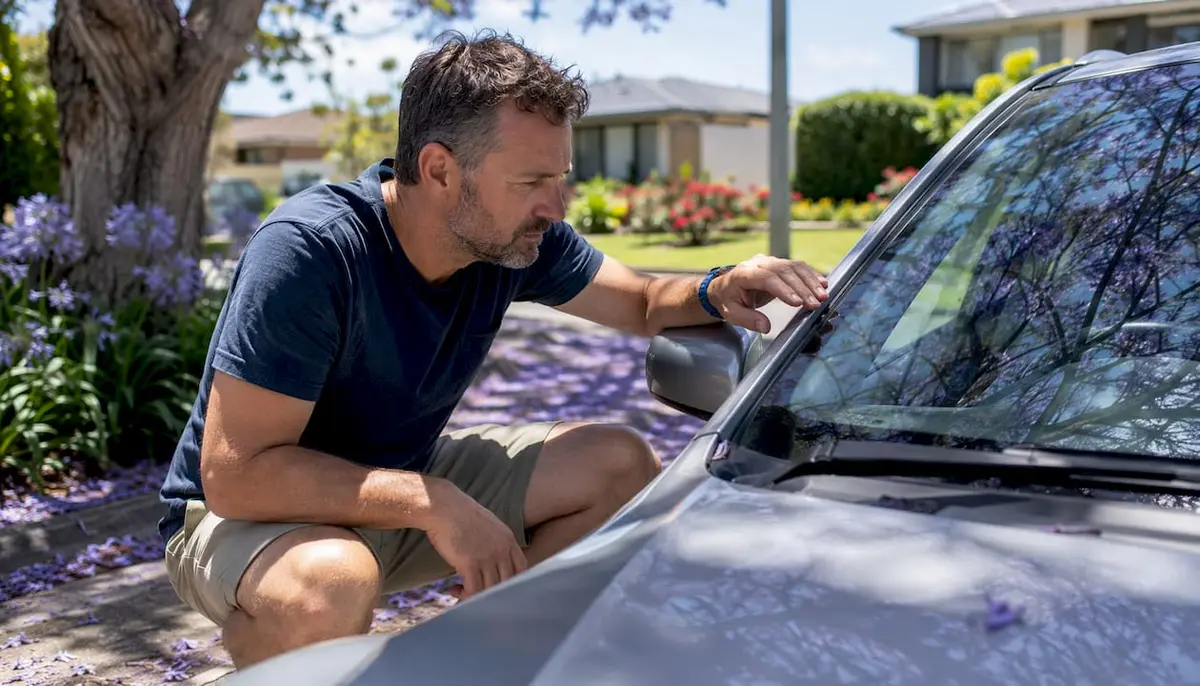
The first step in any windshield clarity checklist is a systematic damage check in good natural light. Park your car in the shade and view the windscreen from multiple angles, including from inside the cabin looking out. Damage that is invisible head-on often becomes obvious at a 45-degree angle.
Transport for NSW classifies chips larger than 2mm or cracks over 150mm in the driver’s direct line of sight as an automatic fail at vehicle safety inspection. That standard defines the “critical vision area” as the zone directly in front of the driver, roughly the width of the steering wheel and extending to the top of the wiper sweep.
Use the fingernail test to assess severity. Run a fingernail across any mark you find: if it catches, the defect is deep enough to refract light and likely illegal in a critical vision zone. For cracks, use a ruler or a printed measurement template to confirm length.
Common damage types to identify:
- Bullseye chip: A circular impact point with a cone-shaped void beneath the glass surface.
- Star fracture: Multiple cracks radiating from a central impact point.
- Edge crack: A crack originating within 50mm of the windscreen edge, which spreads faster due to frame stress.
- Surface haze: Micro-scratches from worn wiper blades or abrasive cleaning, causing diffuse glare rather than a single crack.
| Damage type | Likely repairable? | Action required |
|---|---|---|
| Chip under 2mm, outside critical zone | Yes | Resin repair promptly |
| Chip over 2mm in critical zone | No | Replacement required |
| Crack under 150mm, outside critical zone | Possibly | Assess with professional |
| Crack over 150mm anywhere | No | Replacement required |
| Edge crack (any size) | No | Replacement required |
Pro Tip: Inspect your windscreen early in the morning when low-angle sunlight rakes across the glass. This lighting reveals surface haze and fine scratches that bright overhead light completely hides.
2. Cleaning your windscreen for maximum visibility
Dirty windscreens scatter light, increasing glare during night driving and reducing reaction times in poor weather. That residue is not just cosmetic. It physically disrupts light transmission and turns oncoming headlights into a blinding smear.
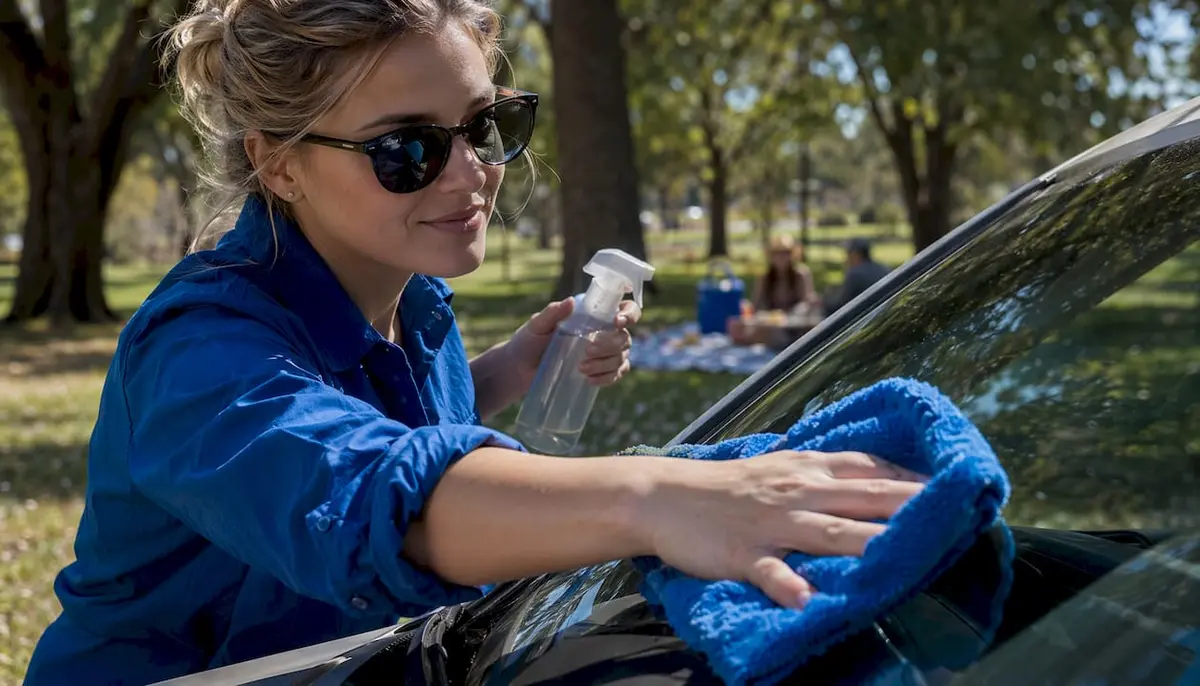
Clean the outside glass with an ammonia-free automotive glass cleaner and a clean microfibre cloth. Ammonia-based products degrade rubber seals and tint films over time. Wipe in overlapping strokes rather than circles to avoid redistributing grime.
The inside of the windscreen is often neglected and builds up a greasy film from off-gassing plastics and air-conditioning residue. Clean it with a separate cloth and glass cleaner, working from the passenger side to avoid awkward angles. A slight haze on the inside surface is one of the most common causes of night-time glare that drivers cannot identify.
Cleaning steps for Australian weather conditions:
- Rinse the outside glass with water to remove loose grit before wiping (skipping this step causes scratches).
- Apply automotive glass cleaner and wipe with a clean microfibre cloth in overlapping horizontal strokes.
- Buff dry with a second dry microfibre cloth to prevent streaking.
- Clean the inside glass with a separate cloth and glass cleaner, working top to bottom.
- Check washer jets are clear and top up washer fluid with an appropriate formula for Australian conditions.
- In dusty regions, rinse the glass daily before driving to prevent fine particles grinding into the surface under wiper pressure.
Managing fogging is a separate task. Interior fogging is caused by cabin humidity, so use your air-conditioning on demist mode rather than recirculated air. In cold mornings, direct airflow to the windscreen and allow 60–90 seconds for the glass to clear before driving.
Pro Tip: Apply a hydrophobic glass treatment to the outside surface every three months. Products like Rain-X cause water to bead and roll off at highway speeds, significantly reducing the workload on your wipers during heavy rain.
3. Wiper blade inspection and maintenance
Wiper blade condition directly impacts windshield clarity. Worn or dirty blades cause streaking and smeared visibility, which is particularly dangerous during sudden downpours on Australian highways. Inspect your blades every time you clean your windscreen.
Lift each blade away from the glass and run two fingers along the rubber edge. A blade in good condition feels smooth and flexible. A blade that is cracked, stiff, or has a torn edge will skip across the glass and leave dry patches in the wiper arc. In Australia’s UV-intense climate, rubber degrades faster than the standard 12-month replacement cycle suggests, particularly in Queensland and the Northern Territory.
Cleaning wiper blades with a damp cloth improves contact and reduces streaking. Wipe along the rubber edge to remove embedded road grime and insect residue. Avoid harsh solvents, which dry out the rubber and accelerate cracking. For a more thorough clean, use a small amount of isopropyl alcohol on the cloth.
For detailed guidance on protecting your blades from heat and debris, the wiper protection tips from GWC Wipers cover nine proven methods that extend blade life in harsh Australian conditions.
Signs your wiper blades need replacing:
- Streaking or smearing that persists after cleaning the blade.
- A chattering or skipping sound during the wiper stroke.
- Visible cracks, tears, or stiffness in the rubber edge.
- A lifted section of blade that loses contact with the glass.
- Reduced water clearance in heavy rain, leaving wet patches in the wiper arc.
Pro Tip: Lift your wiper blades off the glass when parking in direct sun for extended periods. Heat from the glass surface accelerates rubber degradation and can permanently deform the blade profile, causing uneven contact.
4. Repair vs replacement: making the right call
Resin repairs are effective for minor chips within specific size limits. Resin repairs typically restore 80–95% of visual clarity and are suitable for chips under 25–30mm located outside the critical vision area, provided the damage has not penetrated the inner laminate layer. Most repairs take under 30 minutes and cost significantly less than a full replacement.
Act quickly when you spot a chip. Temperature changes, vibration, and moisture cause chips to spread into cracks within days. A chip repaired on the same day it occurs is far less likely to spread than one left for a week.
Full windshield replacement becomes necessary when damage falls into any of the following categories:
- Cracks over 150mm in length anywhere on the windscreen.
- Any damage within the critical vision area that exceeds 2mm.
- Edge cracks, which spread under frame stress and cannot be stabilised with resin.
- Damage that has penetrated the inner laminate layer.
- Damage near ADAS cameras or sensors, which prevents proper operation of lane assist or automatic braking systems.
Modern vehicles with Advanced Driver Assistance Systems (ADAS) require camera and sensor recalibration after windshield replacement. Skipping recalibration means your lane-keeping assist, automatic emergency braking, and forward collision warning systems may not function correctly. Always confirm with your repairer that recalibration is included in the replacement service. For a full assessment of what qualifies under local roadworthy standards, a mobile roadworthy inspection can confirm whether your windscreen meets the legal threshold before you book a repair.
5. Routine maintenance checklist to protect your windscreen long-term
Consistent vehicle windshield maintenance prevents the gradual build-up of damage and residue that reduces clarity over time. A short routine performed every two weeks takes less than 15 minutes and significantly extends both glass and wiper life.
Washer system maintenance is often overlooked but is one of the most practical steps in a clear view checklist. Check washer fluid levels monthly and use a formula appropriate for Australian conditions. In summer, a washer fluid with a cleaning agent removes insect residue more effectively than plain water. In dusty inland areas, increase the frequency of fluid top-ups.
Fortnightly maintenance checklist:
- Rinse the windscreen exterior with water before wiping to prevent scratching from loose grit.
- Clean both wiper blades with a damp cloth, removing grit and insect residue from the rubber edge.
- Check washer jet alignment: jets should spray the centre of the wiper arc, not the bonnet or the roof.
- Inspect the rubber seal around the windscreen edge for cracking or lifting, which allows water ingress.
- Check the inside glass for haze and clean with a separate microfibre cloth.
- Inspect wiper blades for cracking, stiffness, or torn edges and replace immediately if found.
Protecting wipers from UV damage is a year-round task in Australia. Parking in shade or a garage significantly slows rubber degradation. When shade is unavailable, lifting the blades off the glass during extended parking reduces heat transfer from the glass surface. For more practical advice on clear visibility in rain, GWC Wipers provides expert guidance specific to Australian wet-weather driving.
Pro Tip: Replace both wiper blades at the same time, even if only one shows visible wear. Blades age at the same rate, so a blade that looks acceptable today will likely fail within weeks of its partner.
Key takeaways
A windshield clarity checklist covering damage inspection, cleaning, wiper condition, and timely repair is the most reliable way to maintain safe visibility on Australian roads year-round.
| Point | Details |
|---|---|
| Inspect for damage regularly | Use the fingernail test and a ruler to check chips and cracks against Transport for NSW thresholds. |
| Clean inside and outside glass | Interior haze from plastic off-gassing causes night-time glare; clean both surfaces every fortnight. |
| Maintain wiper blades | Clean blades with a damp cloth and replace at the first sign of streaking, cracking, or skipping. |
| Act fast on chips | Resin repairs restore up to 95% clarity and prevent chips spreading into costly cracks. |
| Recalibrate ADAS after replacement | Any windshield replacement on a vehicle with ADAS sensors requires professional recalibration. |
What I have learned from years of watching drivers ignore their windscreens
Most drivers only notice their windscreen when a crack appears or a wiper starts screaming across dry glass. The slow build-up of haze, micro-scratches, and wiper smear happens so gradually that it becomes the new normal. By the time a heavy rain event hits, visibility is already compromised before the first drop falls.
The detail that surprises most people is how much the inside of the windscreen contributes to the problem. Drivers spend money on glass treatments for the outside and never touch the interior surface. A greasy film on the inside glass turns every oncoming headlight into a starburst. Cleaning it takes three minutes and makes a more noticeable difference than most external treatments.
The other pattern I see repeatedly is drivers replacing a single wiper blade when one fails and leaving the other. Both blades age together. Replacing only one means the second will fail within weeks, usually during the worst possible weather. Replacing both at the same time is the only approach that makes sense.
The intersection of wiper condition and glass cleanliness is where most visibility problems originate. A clean windscreen with a worn blade still smears. A good blade on a hazy windscreen still reduces clarity. Both need to be right at the same time. Building a short fortnightly check into your routine, rather than waiting for a problem to appear, is the single most effective habit an Australian driver can adopt.
— Faisal
Premium wiper blades matched to your vehicle
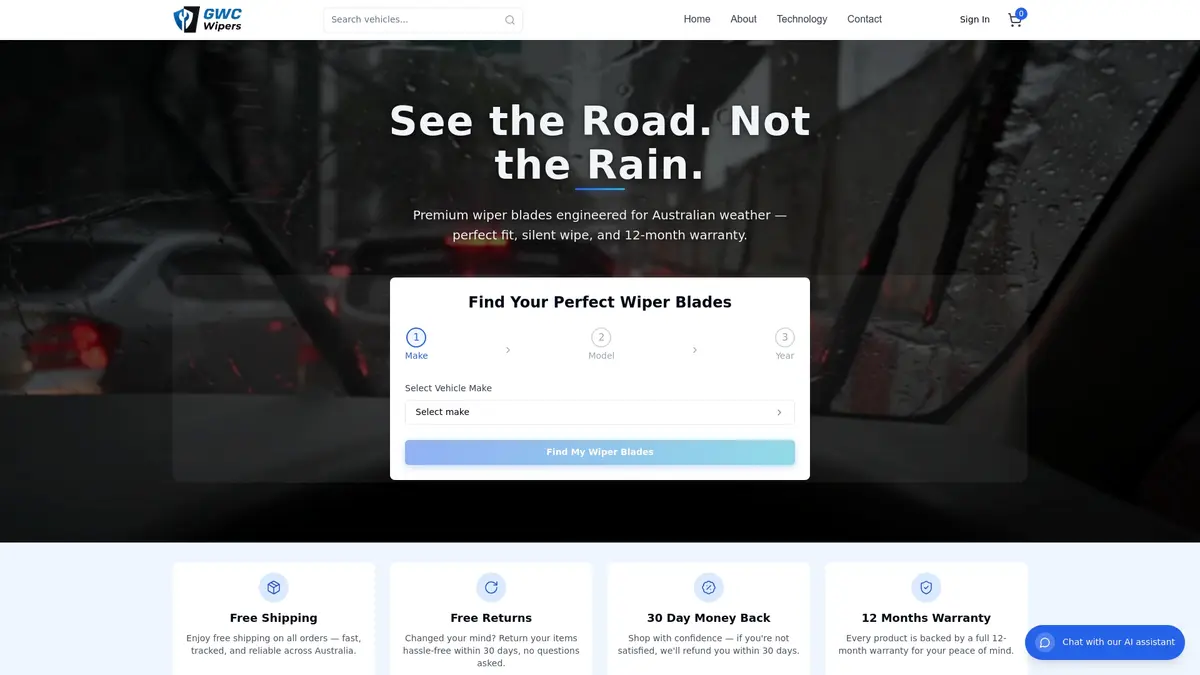
Your windscreen care routine is only as good as the blades doing the work. GWC Wipers stocks premium wiper blades designed and tested for Australian weather conditions, from tropical downpours to scorching summer heat. Every blade comes with a perfect fit guarantee, a 12-month warranty, and free shipping across Australia. The vehicle selector tool at GWC Wipers matches blades to your exact make, model, and year in seconds. Whether you drive a Holden Astra, a Mitsubishi Pajero Sport, or a European model, GWC Wipers has a blade built for your vehicle and your conditions.
FAQ
What is the critical vision area on an Australian windscreen?
The critical vision area is the zone directly in front of the driver, roughly aligned with the steering wheel and within the wiper sweep. Transport for NSW classifies any chip over 2mm or any crack in this zone as a roadworthy fail.
How do I know if my windscreen chip needs repair or replacement?
A chip under 25–30mm located outside the critical vision area is generally repairable with resin. Any chip over 2mm in the critical vision area, any crack over 150mm, or any edge crack requires full replacement under Australian roadworthy standards.
How often should I replace my wiper blades in Australia?
Replace wiper blades at least once a year, or sooner if you notice streaking, skipping, or visible rubber damage. Australia’s UV intensity degrades rubber faster than in cooler climates, so drivers in Queensland and the Northern Territory should inspect blades every six months.
Does windshield replacement require ADAS recalibration?
Yes. Any vehicle fitted with ADAS cameras or sensors mounted on the windscreen requires professional recalibration after replacement. Without recalibration, lane assist, automatic emergency braking, and forward collision warning systems may not operate correctly.
What washer fluid should I use in Australia?
Use an automotive washer fluid with a cleaning agent rather than plain water. In summer and dusty inland areas, a formula with insect-removal properties clears residue more effectively. Plain water can leave mineral deposits and does not cut through road grime or insect residue efficiently.