
Honda wiper lifespan guide: get more from your blades
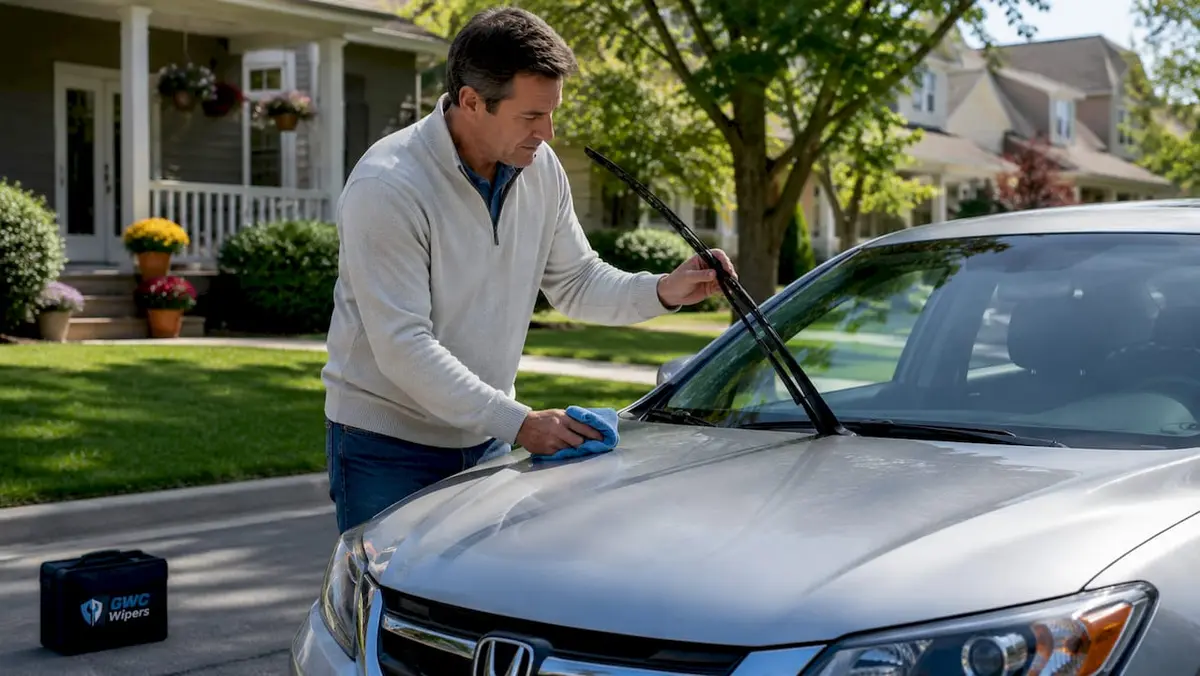
TL;DR:
- Honda wiper blades typically last 6 to 12 months depending on climate and usage. Using silicone blades and performing quarterly inspections can extend their lifespan up to 36 months, especially in harsh conditions. Regular maintenance and timely replacement ensure clear visibility and safety on the road.
Honda wiper blade lifespan is defined as the period your blades maintain clear, streak-free visibility, typically lasting 6–12 months depending on climate and usage. In harsh Australian conditions, that window can shrink to 6–9 months. In mild climates with regular care, blades can perform well for up to 24 months. This honda wiper lifespan guide covers everything you need: expected lifespan ranges, what shortens or extends blade life, practical maintenance steps, and how to choose the right replacement. Getting this right is not just about convenience. Clear visibility is a safety requirement on every road.
How long do Honda wiper blades last?
Honda wiper blades typically last 6–12 months under standard conditions. That range shifts significantly based on where and how you drive. Up to 46% of drivers fail to inspect their wipers regularly, which means many are driving with degraded blades long past their effective life.
What shortens Honda wiper life expectancy
Several environmental factors accelerate rubber degradation on Honda blades.
- UV exposure: Australia’s intense sun breaks down rubber compounds faster than in cooler climates. Blades parked in direct sunlight daily can harden and crack within months.
- Road salt and pollutants: Coastal drivers and those in areas with heavy traffic face chemical contamination that strips the blade’s edge.
- Ice and frost: Lifting blades off the glass in winter prevents freezing, but many drivers skip this step and cause micro-tears in the rubber.
- Infrequent use: Blades left stationary for long periods bond slightly to the glass and lose their flexibility.
Lifespan by blade type
The material of your blade makes a measurable difference to Honda wiper life expectancy.
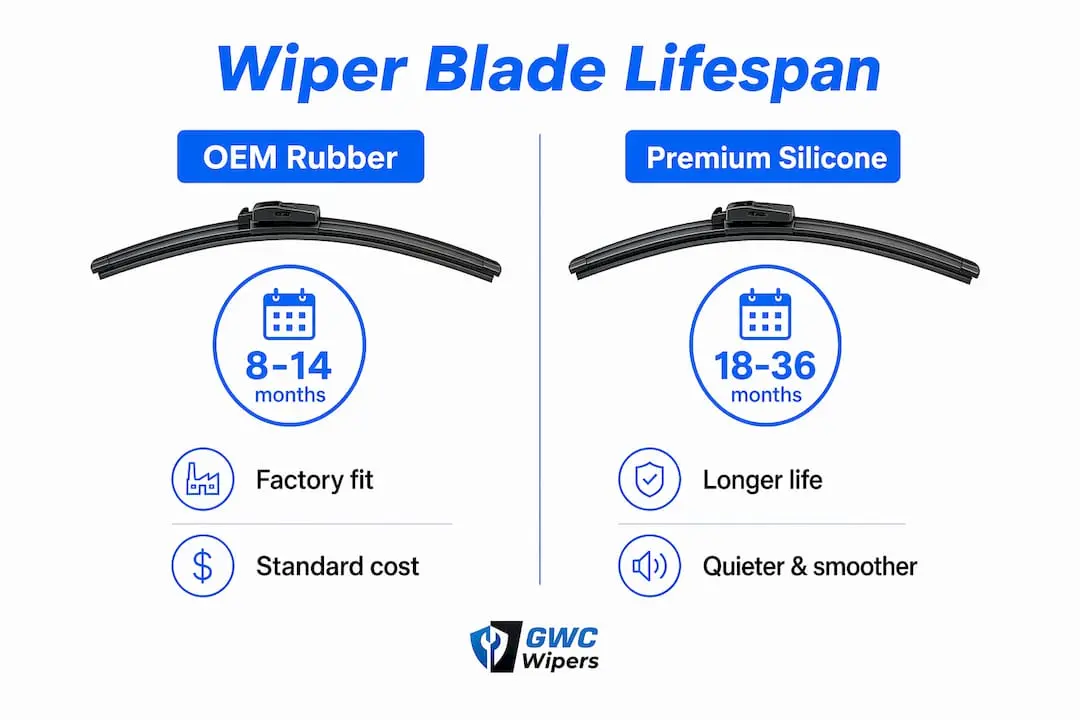
| Blade type | Typical lifespan | Key advantage |
|---|---|---|
| OEM rubber blades | 8–14 months | Factory fit for Honda curved glass |
| Premium silicone aftermarket | 18–36 months | Quieter, better water beading, longer life |
Premium silicone blades last 18–36 months compared to 8–14 months for standard OEM rubber blades. That difference adds up to real savings over two or three replacement cycles.
Silicone blades can also extend blade lifespan by around 40% compared to conventional rubber. For Honda drivers in Queensland or Western Australia dealing with extreme heat and UV, that uplift is significant.
How to inspect and maintain your Honda wiper blades
Quarterly inspection is the single most effective maintenance habit for Honda owners. Safety organisations recommend replacing wipers every 6–12 months and inspecting them at least four times per year. A five-minute check every three months catches problems before they affect visibility.
What to look for during inspection
Run through these checks each quarter:
- Streaking: Lift the blade and run your finger along the rubber edge. Any roughness or nicks will leave streaks on the glass.
- Rubber cracks: Visible cracking along the blade body means UV damage has set in. Replace without delay.
- Loss of flip: The rubber edge should snap back cleanly when you flex it. Loss of rubber flip is a more reliable replacement indicator than visible damage alone. If the edge stays bent or moves sluggishly, the blade has lost its ability to clear water properly.
- Chatter or skip: If blades bounce across the glass rather than gliding, the issue is often wiper arm tension or a dirty windscreen rather than the blade itself.
Pro Tip: Test rubber flexibility monthly by gently bending the blade edge back and forth. If it does not snap back firmly, replace the blade even if it looks undamaged.
Cleaning techniques that extend blade life
Cleaning wipers monthly with a damp cloth removes contaminants and extends blade life by several months. This is the most overlooked step in Honda windshield wiper maintenance. Use a cloth dampened with mild soapy water and wipe along the full length of the rubber edge. Rinse with clean water and allow to dry before lowering the blade back onto the glass.
Squeaking noises are more often caused by dirty glass and wax buildup than by blade failure. Before assuming a blade is worn out, clean the windscreen thoroughly with a glass cleaner. A clay bar treatment removes embedded contaminants that cause blades to skip and chatter. This single step often resolves noise complaints without any replacement needed.
For Honda drivers in hot climates, the guide on maintaining Honda wipers in heat covers additional steps specific to Australian summer conditions.
Tools and supplies for Honda wiper maintenance
| Item | Purpose |
|---|---|
| Microfibre cloth | Wipe blade rubber without scratching |
| Mild dish soap | Remove grease and road film |
| Glass cleaner | Clear windscreen of wax and residue |
| Clay bar | Remove embedded contaminants from glass |
| Silicone spray | Condition rubber to slow UV degradation |
When and how should you replace Honda wiper blades?
Over 70% of Honda owners delay wiper blade replacement by 3–6 months beyond recommendations. That delay increases the risk of impaired visibility and, in wet conditions, the risk of an accident. Waiting for visible damage is the most common mistake. Proactive replacement aligned with seasonal changes is the safer approach.
Key warning signs that replacement is overdue
- Persistent streaking that cleaning does not fix
- Squeaking or chattering that continues after windscreen cleaning
- Rubber detachment from the blade frame
- Visible tears, cracks, or hardening along the rubber edge
- Water clearing poorly at highway speeds
Delayed replacement carries a risk beyond visibility. Worn blades with exposed metal or hard rubber can scratch rear glass permanently, a repair that cannot be polished out. Rear wiper blades degrade 25–50% faster than front blades due to heavier grime and salt exposure. Replace front and rear blades at the same time.
Replacement timing and approach
| Step | Action |
|---|---|
| Choose timing | Replace at seasonal changes, especially after winter |
| Buy in pairs | Always replace both front blades together |
| Include the rear | Rear blades wear faster and are often forgotten |
| Check arm condition | Inspect wiper arm tension and pivot points |
| Test after fitting | Run wipers on a wet screen to confirm even contact |
The best time to replace Honda wiper blades is at the start of autumn and again in spring. These seasonal transitions bring the heaviest rain in most Australian regions. Fitting fresh blades before the rain arrives means you are never caught with degraded rubber in a downpour.
For a broader set of wiper protection tips that apply across all seasons, Com has a dedicated guide covering nine proven methods.
Choosing the right wiper blades for your Honda
OEM blades offer an excellent factory fit for Honda’s curved windscreen geometry. They are designed to match the specific arc of each model’s glass, which means consistent contact pressure across the full sweep. The trade-off is lifespan. OEM rubber blades typically last 8–14 months before performance drops noticeably.
Why premium silicone aftermarket blades perform better
Premium silicone aftermarket blades outperform OEM rubber in high-speed and varied weather conditions. The advantages are measurable:
- Longer lifespan: 18–36 months versus 8–14 months for OEM rubber
- Quieter operation: Silicone glides more smoothly across glass, reducing chatter
- Water beading: Silicone deposits a thin hydrophobic layer on the glass over time, improving visibility even between wiper strokes
- UV resistance: Silicone compounds resist heat and UV degradation better than natural rubber
The higher upfront cost of silicone blades is offset by fewer replacements over a two to three year period. For Honda drivers in Australia’s variable climate, from tropical north Queensland to cold southern winters, silicone blades deliver more consistent performance year-round.
Pro Tip: Use a vehicle selector tool when buying aftermarket blades. Honda models vary in wiper arm attachment type across model years. Confirming your make, model, and year before purchasing prevents fitment issues.
Fitment considerations for Honda vehicles
Multi-fit adapters solve most attachment compatibility issues between aftermarket blades and Honda wiper arms. Most premium aftermarket blades include a set of adapters in the packaging. If you are unsure which adapter suits your Honda, Com’s Honda wiper blade selector matches blades to your exact vehicle with a perfect fit guarantee.
Key takeaways
Honda wiper blades last 6–12 months on average, but silicone aftermarket blades, quarterly inspections, and monthly cleaning can extend effective lifespan to 36 months in the right conditions.
| Point | Details |
|---|---|
| Standard lifespan | Honda wiper blades last 6–12 months; harsh climates reduce this to 6–9 months. |
| Silicone blades last longer | Premium silicone blades last 18–36 months, roughly double the life of OEM rubber. |
| Monthly cleaning matters | Wiping blades with a damp cloth monthly removes contaminants and extends blade life. |
| Rear blades wear faster | Rear wiper blades degrade 25–50% faster than front blades and need simultaneous replacement. |
| Replace proactively | Over 70% of Honda owners delay replacement; aligning changes with seasonal shifts reduces risk. |
What I have learned from years of watching Honda owners get this wrong
Most Honda owners I speak with treat wiper blades as a reactive purchase. The blade fails visibly, they notice it during a rainstorm, and then they replace it in a panic. That pattern is both predictable and avoidable.
The detail that surprises people most is the rubber flip test. You do not need to wait for streaking to know a blade is past its best. Flex the rubber edge with your fingers. If it does not snap back cleanly, the blade is done, regardless of how it looks. I have seen blades with no visible cracks that were completely ineffective because the rubber had lost its tension.
Rear wipers are the most neglected component on any Honda. Drivers focus on front visibility and forget that the rear glass matters just as much when reversing or checking traffic in rain. Rear blades wear faster and cause permanent scratching when left too long. Replacing all blades at once, front and rear, is the only sensible approach.
My honest recommendation is to invest in silicone blades and set a calendar reminder for quarterly checks. The cost difference over two years is minimal. The performance difference in a heavy downpour on a motorway is not.
— Faisal
Premium Honda wiper blades, delivered across Australia
When your Honda wiper blades are due for replacement, getting the right fit matters as much as getting the right blade type.
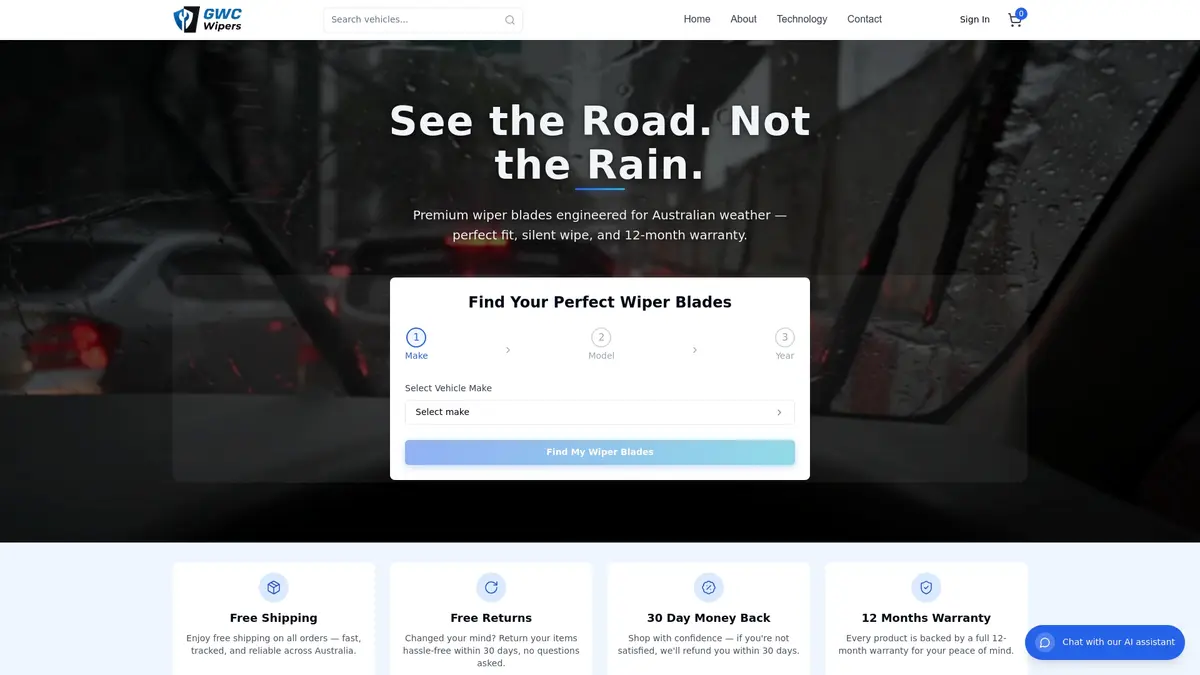
Com stocks a full range of Honda wiper blades suited to Australian weather conditions, from the tropical north to cold southern winters. Every blade comes with a perfect fit guarantee, a 12-month warranty, and free shipping across Australia. The vehicle selector tool on the Com website matches your exact Honda make, model, and year to the correct blade in seconds. If you are ready to replace your blades before the next rainy season, Com makes the process straightforward and reliable.
FAQ
How long do Honda wiper blades typically last?
Honda wiper blades last 6–12 months under standard conditions. In harsh climates, that drops to 6–9 months; in mild climates with regular maintenance, blades can last up to 24 months.
What are the signs of worn wiper blades on a Honda?
The main signs are persistent streaking, squeaking or chattering that continues after cleaning, visible rubber cracks, and poor water clearing at speed. Loss of rubber flexibility is an early indicator even before visible damage appears.
How often should I inspect my Honda wiper blades?
Quarterly inspection is the recommended standard. A quick check every three months catches wear early and prevents degraded blades from impairing visibility during wet weather.
Are silicone wiper blades worth it for Honda vehicles?
Silicone blades last 18–36 months compared to 8–14 months for OEM rubber blades. They also run quieter, bead water more effectively, and resist UV degradation better, making them well suited to Australian conditions.
Should I replace the rear wiper blade at the same time as the front blades?
Yes. Rear wiper blades degrade 25–50% faster than front blades due to greater grime and salt exposure. Replacing all blades at the same time prevents rear glass scratching and keeps visibility consistent across the vehicle.