
Find the perfect wiper blade fit: Key differences explained
TL;DR:
- Wiper blade fit depends on length, connector type, and blade design for reliability.
- Correct fitting ensures safety by preventing streaks, detachment, and blind spots during Australian weather.
- Model-specific blades outperform universal options in fit security and performance.
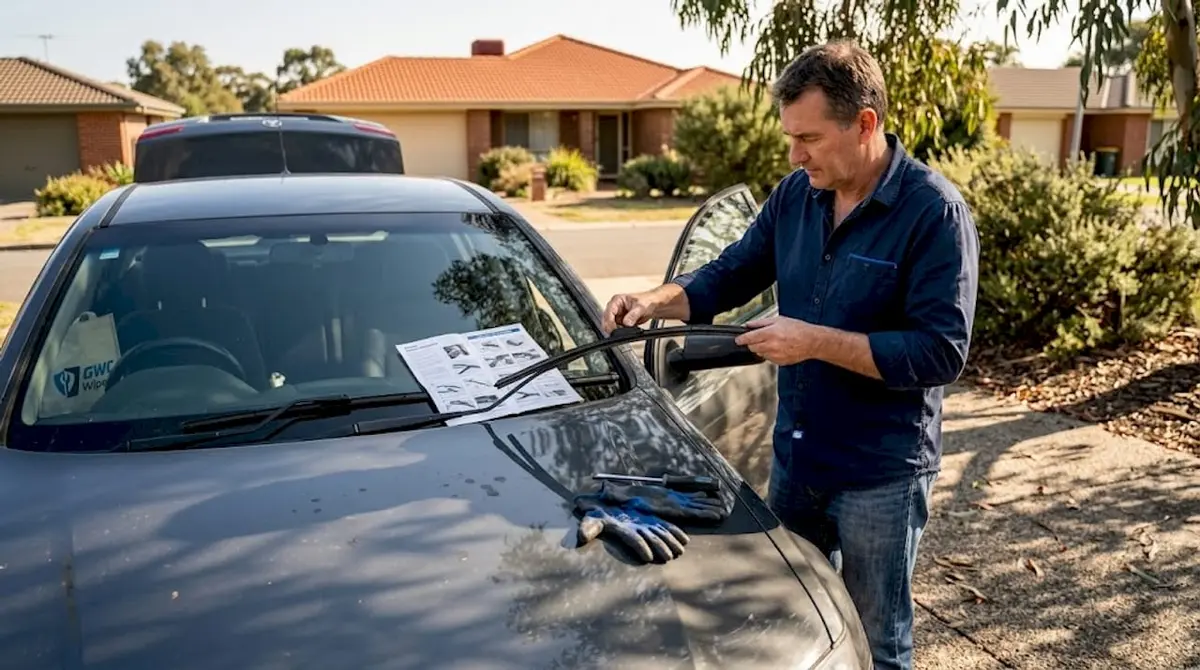
There are few things more frustrating than fitting new wiper blades only to find they streak across your windscreen, lift at highway speed, or leave a wide strip of rain completely unwiped. For Australian drivers dealing with sudden summer downpours, dusty outback roads, or coastal salt air, the wrong blade fit is more than an inconvenience — it is a genuine safety issue. Wiper blade fit depends on length, connector type, and blade design; get any one of these wrong and you risk poor pressure, detachment, or blind spots at the worst possible moment. Understanding the differences puts you firmly in control.
Table of Contents
- What determines wiper blade fit?
- Comparing connector types: Which fits your car?
- How blade length and design impact fit
- Real-world fitment: Common mistakes and expert solutions
- Why ‘universal’ wiper blades rarely offer a perfect fit
- Find the perfect fit for your vehicle with GWC Wipers
- Frequently asked questions
Key Takeaways
| Point | Details |
|---|---|
| Fit depends on three factors | Wiper blade fit is based on length, connector type, and blade design for every vehicle. |
| Wrong fit risks safety | Incorrect blade size or connector can impair visibility and cause dangerous detachment. |
| No true ‘universal fit’ | Model-specific blades provide the best results for Australian roads and weather. |
| Check both front and rear | Front and rear wipers usually need different lengths and sometimes connectors. |
What determines wiper blade fit?
Wiper blade fit is not a single measurement. It comes down to three distinct factors, and all three need to line up for your blades to perform reliably in Australian conditions.
Length is the most obvious factor. Blades are typically measured in millimetres or inches, and most vehicles use different lengths for the driver and passenger sides. Too long and the blade hits your trim; too short and it leaves unwiped patches across your field of vision. Even a 25mm difference can create a blind zone that matters enormously during a heavy Queensland downpour or a sudden Melbourne storm. You can find your correct wiper blade size by checking your vehicle’s owner manual or using a fitment tool.
Connector type is where many drivers come unstuck. The connector is the small adaptor that links the wiper blade to the wiper arm on your car. The most common types you will encounter are:
- J-Hook: The most widely used connector in Australia, available in 9x3mm and 9x4mm sizes.
- Bayonet: A pin-style connector found on many European vehicles.
- Pinch Tab: Common on Ford and some Holden models, released by squeezing a tab on the side.
- Side Pin and Top Lock: Less common but found on select Japanese and Korean makes.
Each connector style requires a blade specifically designed or adapted to accept it. Using the wrong connector forces a poor connection, which affects the downward pressure the blade applies to your windscreen.
Blade design is the third factor, and it is one that suits Australian conditions particularly well when chosen correctly. Conventional blades use a metal frame to hold the rubber element against the glass. Beam blades are frameless, made from a single curved strip of rubber or silicone that applies even pressure from edge to edge. Hybrid blades combine both, using a shell over an internal frame. In high UV environments and areas with significant heat like Western Australia or inland New South Wales, beam blades hold up far better because there are no exposed metal parts to corrode or warp.
Pro Tip: When replacing blades, always check the size for both the driver and passenger sides separately. They are almost never the same length on the same vehicle.
Comparing connector types: Which fits your car?
Connectors are the unsung heroes securing your blades firmly to the wiper arm. Get the connector wrong and even a premium blade will fail to maintain consistent contact across your windscreen.
Here is a practical comparison of the three most common connector types you will find on Australian vehicles:
| Connector type | Common vehicles | How to identify | Key advantage |
|---|---|---|---|
| J-Hook | Most Japanese, Korean, and Australian models | Hook shape on the arm tip | Widest compatibility |
| Bayonet | BMW, Mercedes-Benz, Audi | Straight pin through the arm | Secure lock under high speed |
| Pinch Tab | Ford Ranger, older Holden models | Side tab on the arm | Easy release and refit |
To find your connector type, follow these steps:
- Lift the wiper arm away from the windscreen and lock it upright.
- Look at the tip of the arm where the blade attaches. Note the shape — is it a hook, a straight pin, or does it have a side tab?
- Measure the width of the hook if it is a J-Hook, as 9x3mm and 9x4mm are not interchangeable.
- Cross-reference your vehicle make, model, and year using a wiper fitment guide or the vehicle handbook.
- Purchase a blade confirmed to include that specific connector, or a blade supplied with multiple adaptor options.
A wrong connector leads to detachment or uneven pressure, both of which compromise your visibility at speed. Once you have confirmed your connector, make sure you are confident about installing your blades correctly before heading out on the road.
How blade length and design impact fit
Once you know your connector, the next area where car owners regularly go wrong is length and blade design. These two factors determine how thoroughly your wiper clears the windscreen and how long it lasts under Australian weather extremes.

Australian vehicles require different blade lengths for front and rear wipers. Front blades are generally longer, often ranging from 500mm to 700mm depending on the model. Rear blades are shorter, typically between 280mm and 400mm, and many use a different connector type altogether. Blade design also influences fitment and performance, particularly across different automotive brands and models, so you cannot simply pick the closest size and assume it will work.
Here is a practical guide to blade design by vehicle and climate:
| Blade type | Best for | Australian climate suit | Watch out for |
|---|---|---|---|
| Conventional | Older vehicles, budget replacements | Mild, temperate climates | Metal frame rusts in coastal salt air |
| Beam | Newer vehicles, performance focus | High UV, heat, heavy rain | Higher upfront cost |
| Hybrid | Mid-range vehicles, mixed conditions | All-round Australian use | Heavier than beam blades |
The key problems caused by incorrect length include:
- Too long: The blade tip contacts window trim or the A-pillar, causing juddering, damage to the seal, and premature rubber wear.
- Too short: A section of the driver’s critical sightline remains wet and unwiped, creating a genuine hazard during heavy rain.
- Mismatched front and rear: The rear window often has a steeper curve, so using a blade designed for flat windscreens will reduce contact pressure and leave smears.
For clarity on sizing across all popular Australian makes and models, the wiper blade sizing guide walks you through the full process step by step.
Pro Tip: If you drive in areas with frequent hail, heavy dust, or salt spray, silicone beam blades offer superior durability compared to conventional rubber. The investment pays off quickly when you are not replacing blades every few months.
Real-world fitment: Common mistakes and expert solutions
Knowing the features is one thing, but fitment in the real world presents its own set of challenges. The mistakes below come up repeatedly, and most are easy to avoid once you know what to watch for.
- Fitting the same blade to both sides. Many drivers assume both front blades are the same length. They almost never are. Always measure or confirm both sizes independently before purchasing.
- Ignoring newer arm designs on late-model vehicles. Many vehicles produced after 2018 use pin-style or flatlock connectors rather than the traditional J-Hook. If your new blade comes with a J-Hook adaptor and nothing else, it may not be compatible.
- Mixing front and rear blade types. Rear wiper blades are specifically designed for the angles and curves of rear glass. Using a front blade on the rear, or vice versa, will result in poor contact and streaking.
- Not checking pressure evenness after installation. After fitting, run the wipers on low speed with a light spray of water. Any skipping, juddering, or streaking indicates uneven pressure, which usually means the connector is not fully locked or the blade length is slightly off.
- Purchasing universal blades without checking connector compatibility. Universal blades often include a range of adaptors but do not always fit securely. A blade that rocks slightly on the arm will not apply even pressure.
“The most common call we receive is from drivers who fitted a blade that seemed right but left a stripe of water across their line of sight. Nine times out of ten, it comes down to either a 25mm size difference or a connector that was not fully locked.”
Wrong length, connector, or design creates real visibility and safety risks, particularly on Australian highways during summer storms. If you are ever uncertain, check how professionals approach fitting blades professionally for a step-by-step walkthrough.
Why ‘universal’ wiper blades rarely offer a perfect fit
Here is something most wiper blade marketing does not tell you: the word universal is, more often than not, a compromise. We have worked with dozens of makes and models across Australia, and what we consistently see is that blades marketed as universal either do not lock on correctly or shift under pressure at speed.
Australian climatic extremes make this even more significant. In Cairns, blades face constant humidity and heavy rain. In Adelaide in summer, they bake under 40-plus degree heat. In the Blue Mountains, they scrape ice off glass in winter. A blade designed for every vehicle cannot be optimised for your vehicle in your climate.
Our thoughts on sizing, detailed in our thoughts on sizing, make clear that model-specific blades consistently outperform universal alternatives in both fit security and contact pressure. When you invest in a blade built for your exact make and model, you get consistent performance and longer service life. The convenience of a universal blade is rarely worth the trade-off in visibility.
Find the perfect fit for your vehicle with GWC Wipers
At GWC Wipers, we make it straightforward to get the right blades for your exact vehicle. Our model-specific lookup tool means you are never guessing about length, connector type, or blade design.
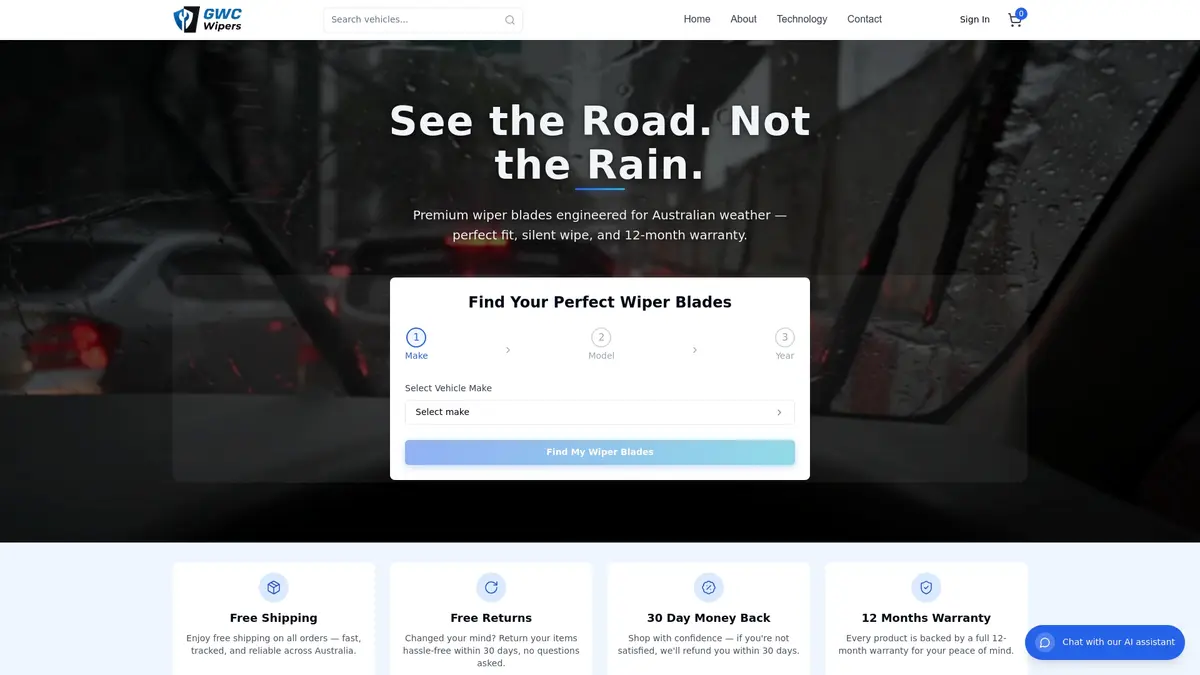
Whether you drive a popular family sedan or manage a mixed fleet, we stock premium, Australian weather-tuned blades with a 12-month warranty, free shipping across Australia, and a 30-day money-back guarantee. Browse wiper blades for Toyota or Mercedes-Benz wiper blades by model, or shop all wiper blades to find your perfect match. Our Australian support team is ready to help if you have any fitment questions.
Frequently asked questions
What happens if my wiper blade is too long or short?
A blade that is too long hits your trim, causing damage and juddering, while a blade that is too short leaves sections of your windscreen unwiped and compromises your sightline in wet conditions.
How do I know which wiper connector my car needs?
Lift the wiper arm and examine the tip shape, then match it to common connectors like J-Hook, Bayonet, or Pinch Tab. Your vehicle’s owner manual will also list the required connector type.
Is there really a difference between universal blades and model-specific blades?
Yes. Model-specific blades provide a secure fit and consistent pressure, whereas universals may not lock on firmly, which leads to detachment or poor pressure and reduces visibility during heavy rain.
Do rear wiper blades fit differently to front blades?
Yes. Rear blades are typically shorter and may use a different connector type, because wiper fit depends on length, connector, and design, and rear glass has a different angle and curve compared to the front windscreen.