
Types of wiper mounting systems: a practical guide

TL;DR:
- J-Hook is the most common wiper mounting system, used on approximately 70% of passenger vehicles worldwide. It is essential to identify your vehicle’s system to prevent streaking, blade detachment, and arm damage during replacement. Confirming the correct mounting type before purchase and installation ensures reliable wiper performance and safety.
Wiper mounting systems are the mechanical connectors between a wiper arm and a wiper blade, and choosing the wrong type causes poor contact, streaking, and potential arm damage. The industry recognises four principal types of wiper mounting systems: J-Hook, Pinch Tab, Side Pin, and Top Lock. J-Hook dominates the market at approximately 70% of passenger vehicles worldwide, followed by Pinch Tab at 15%, Side Pin at 8%, and Top Lock at 7%. Understanding which system your vehicle uses is the first step toward reliable wiper performance, whether you are an automotive engineer specifying replacements or a DIY enthusiast doing the job yourself.
1. What are the most common types of wiper mounting systems?
The J-Hook connector, also called the hook-type or U-hook mount, is the global standard for wiper attachment styles. It features a curved metal hook that clips over a corresponding pin on the wiper blade adapter. Installation requires lifting the wiper arm, aligning the hook over the pin, and pressing down until you hear a firm click. Its dominance across Asian, North American, and many Australian vehicles makes it the default starting point when identifying your mounting mechanism.
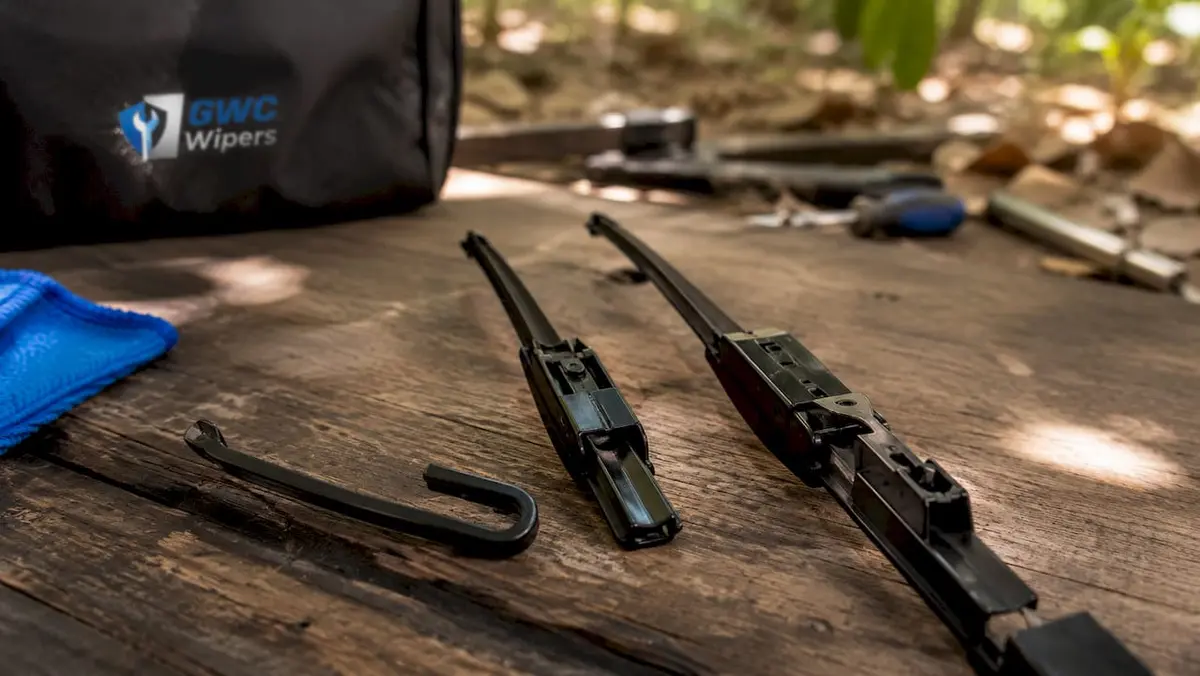
Pinch Tab mounting is the second most common wiper bracket type. The blade attaches by pressing two side tabs simultaneously while sliding the connector onto the arm. Toyota Camry and Hyundai Sonata models from the mid-2000s onward frequently use this system. The tabs lock the blade securely, but worn tabs are a common failure point that causes the blade to rattle at highway speeds.
Side Pin connectors use a horizontal pin that enters from the side of the wiper arm rather than from above. You slide the adapter sideways onto the pin until it locks. This system appears on several European and some older Japanese models. The lateral entry angle makes it less intuitive for first-time installers, but the connection is mechanically solid once seated correctly.
Top Lock, also called the Top Pin system, uses a vertical pin that inserts downward into the blade connector from the top of the arm. It is the least common of the four main types, found on select Volkswagen and Ford models. The vertical insertion means gravity assists the connection, but the pin must be fully engaged or the blade will lift at speed.
Pro Tip: Most new wiper blades include adapters for multiple arm configurations in the box. Check the adapter kit before purchasing a separate connector, as the correct one may already be included.
2. How regional and manufacturer preferences shape wiper system designs
Geography drives mounting system choice more than most drivers realise. Asian and North American vehicles predominantly use J-Hook systems, reflecting the high production volumes of Japanese and Korean manufacturers who standardised on this connector decades ago. Australian vehicles largely follow this pattern, given the prevalence of Toyota, Mazda, Hyundai, and Mitsubishi on local roads.
European manufacturers take a different path. Bayonet and Push Button systems are common in European vehicles that prioritise aerodynamic, low-profile arm designs. These mounting mechanisms sit flush against the windscreen, reducing wind lift at autobahn speeds. The design evolution reflects both stylistic preferences and genuine airflow engineering. Understanding automotive surface technology helps explain why European manufacturers invest in flush-fitting wiper systems that reduce drag and noise.
Aerodynamic considerations also influence the arm profile itself. Flat blade wiper systems, which use a spoiler-integrated design rather than a traditional metal frame, require specific mounting points that differ from conventional bracket-style blades. Fitting a flat blade onto an arm designed for a conventional blade without the correct adapter produces uneven pressure distribution across the glass.
Forcing a blade onto a mismatched wiper arm can permanently damage the arm assembly, resulting in costly repairs and compromised visibility. Always confirm the mounting type before applying any pressure during installation.
3. Step-by-step installation methods for each mounting type
Getting the installation right matters as much as choosing the correct connector. Incorrect installation causes uneven pressure distribution, leading to streaking and noise. Follow these steps for each system.
J-Hook installation:
- Lift the wiper arm away from the windscreen and hold it upright.
- Locate the release tab on the underside of the blade connector.
- Press the tab and rotate the blade downward to unhook it from the arm.
- Align the new blade’s J-Hook adapter over the arm pin.
- Press firmly until the connector clicks into the locked position.
- Lower the arm gently onto the glass. Never let it snap back uncontrolled.
Pinch Tab installation:
- Lift the arm and identify the two side tabs on the existing blade connector.
- Pinch both tabs simultaneously and slide the blade toward the arm end to release.
- Slide the new blade’s Pinch Tab adapter onto the arm from the same direction.
- Push until both tabs click outward, confirming the lock.
Side Pin installation:
- Lift the arm and locate the horizontal pin on the arm end.
- Align the blade’s side-entry slot with the pin.
- Slide the blade laterally onto the pin until the locking tab engages.
- Tug the blade gently away from the arm to confirm it is seated.
Top Lock installation:
- Hold the arm upright and align the blade’s top slot directly above the vertical pin.
- Press the blade straight down onto the pin.
- Confirm the locking clip has engaged by attempting to lift the blade off.
Pro Tip: Place a folded cloth on the windscreen before lifting the wiper arm. If the arm springs back unexpectedly, the cloth protects the glass from impact damage.
Rear wiper arms deserve separate attention. Rear wipers typically use a single connector type that differs from front arms, and the blades are shorter with different operating mechanics. Rear arms do not lock in the upright position, so always support the arm manually during blade changes to prevent it from falling and cracking the rear glass.
4. How to select the correct wiper mounting system and adapters
Selecting the right wiper mounting system starts with confirming your vehicle’s year, make, and model before purchasing anything. A one-digit error in the model year can mean a completely different arm profile. Use a vehicle-specific lookup tool or manufacturer fitment guide to confirm the arm type before ordering.
Multi-fit adapters cover several connector types in a single blade purchase. They suit drivers who want a universal solution, but they introduce one risk: installing the wrong adapter from the kit. A blade fitted with a J-Hook adapter onto a Side Pin arm will appear to sit in place but will not lock correctly. The blade lifts at speed and leaves streaks across the driver’s field of vision.
The table below summarises the four main mounting systems, their typical vehicle groups, and key selection considerations.
| Mounting system | Typical vehicle group | Key selection consideration |
|---|---|---|
| J-Hook | Asian, North American, most Australian | Confirm pin diameter: 9mm vs 6mm variants exist |
| Pinch Tab | Mid-range Japanese and Korean models | Check tab condition on existing blade before reuse |
| Side Pin | Select European and older Japanese models | Confirm lateral entry direction: left or right |
| Top Lock | Select European models (e.g., Volkswagen, Ford) | Verify pin height matches blade slot depth |
Common mistakes include selecting a blade by length alone and ignoring the connector type, or assuming all J-Hook arms use the same pin diameter. A blade that fits loosely or requires force to attach is the wrong fit. Always confirm a secure lock before driving.
Pro Tip: For model-specific fitment, check the wiper blades by make section on Com’s website. The vehicle selector filters by year, make, and model to return only compatible options.
Key takeaways
Correct mounting system identification is the single most important step in any wiper blade replacement, because an incompatible connector causes blade detachment, streaking, and arm damage regardless of blade quality.
| Point | Details |
|---|---|
| J-Hook is the global standard | J-Hook covers approximately 70% of passenger vehicles, making it the most likely system on Australian roads. |
| Regional preferences vary significantly | European vehicles favour Bayonet and Push Button systems; Asian and Australian vehicles lean toward J-Hook and Pinch Tab. |
| Forced installation causes permanent damage | Fitting a blade onto a mismatched arm can damage the wiper arm assembly and compromise visibility. |
| Rear wipers use different connectors | Rear wiper arms use a distinct connector type and require manual support during blade changes. |
| Vehicle lookup tools prevent errors | Confirming year, make, and model before purchase eliminates the most common fitment mistakes. |
What I’ve learned from watching drivers get wiper fitment wrong
Most wiper installation errors I see come from one assumption: that any blade of the correct length will fit. Length is the last thing to check, not the first. The mounting connector determines whether the blade contacts the glass evenly, and an uneven contact point is what causes the streaking that drivers blame on blade quality.
The second pattern I notice is drivers forcing adapters. Mounting systems require precise locking tension engineered to maintain uniform contact and prevent blade detachment at high speeds. When a connector does not click into place easily, that is the system telling you the fit is wrong. Forcing it past that resistance bends the arm tab or cracks the adapter housing.
For DIY enthusiasts, the most reliable habit is to photograph the existing blade connector before removal. That image tells you the mounting type, the entry direction, and the adapter profile. You can match it against a fitment guide in seconds. Engineers specifying fleet replacements should document the mounting type per vehicle class in their maintenance records, because a fleet mixing J-Hook and Pinch Tab vehicles will generate avoidable errors if technicians assume uniformity.
Maintenance frequency also connects to mounting type. Pinch Tab connectors wear faster than J-Hook systems in high-UV environments like outback Queensland or the Northern Territory, because the plastic tabs degrade under prolonged sun exposure. Replacing blades every six months rather than annually is the right call for vehicles parked outdoors in those conditions.
— Faisal
Wiper blades matched to your mounting system, ready to ship
Finding the right blade for your specific mounting system should not require guesswork. Com stocks wiper blades compatible with J-Hook, Pinch Tab, Side Pin, and Top Lock connectors, with each product listing confirming the included adapters and compatible arm types.
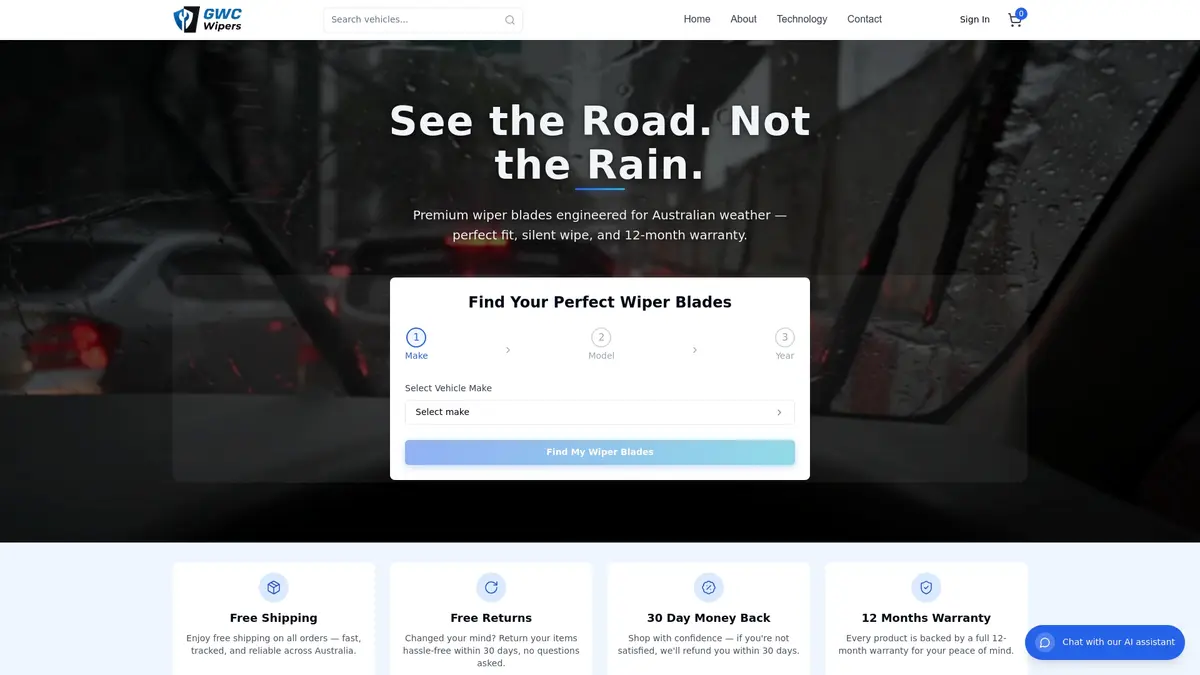
The vehicle selector on Com’s website filters results by year, make, and model, so you see only blades that fit your arm configuration. European vehicle owners can browse Mercedes-Benz GLE-Class wiper blades or Toyota wiper blades for Asian and Australian models, with each option backed by a 12-month warranty, a 30-day money-back guarantee, and free shipping across Australia.
FAQ
What is the most common wiper mounting system?
J-Hook is the most common wiper mounting system, used on approximately 70% of passenger vehicles worldwide. It is the default system on most Asian, North American, and Australian vehicles.
Can I use a multi-fit adapter on any wiper arm?
Multi-fit adapters cover several connector types but must be installed with the correct adapter selected for your specific arm. Fitting the wrong adapter from the kit produces a loose connection that lifts at speed.
How do I know which wiper mounting system my car uses?
Lift the wiper arm and examine the end profile: a curved hook indicates J-Hook, side tabs indicate Pinch Tab, a horizontal pin indicates Side Pin, and a vertical pin indicates Top Lock. A vehicle-specific fitment guide confirms the type if the profile is unclear.
Do rear wipers use the same mounting system as front wipers?
Rear wiper arms typically use a different connector type from front arms and have shorter blades with distinct operating mechanics. Always check the rear arm separately rather than assuming it matches the front.
What happens if I install a wiper blade with the wrong mounting system?
Forcing a blade onto a mismatched arm can permanently damage the wiper arm assembly and cause uneven pressure distribution, resulting in streaking, noise, and potential blade detachment at high speeds.