
Fix Wiper Streaks After Replacement in 10–15 Minutes in Australia
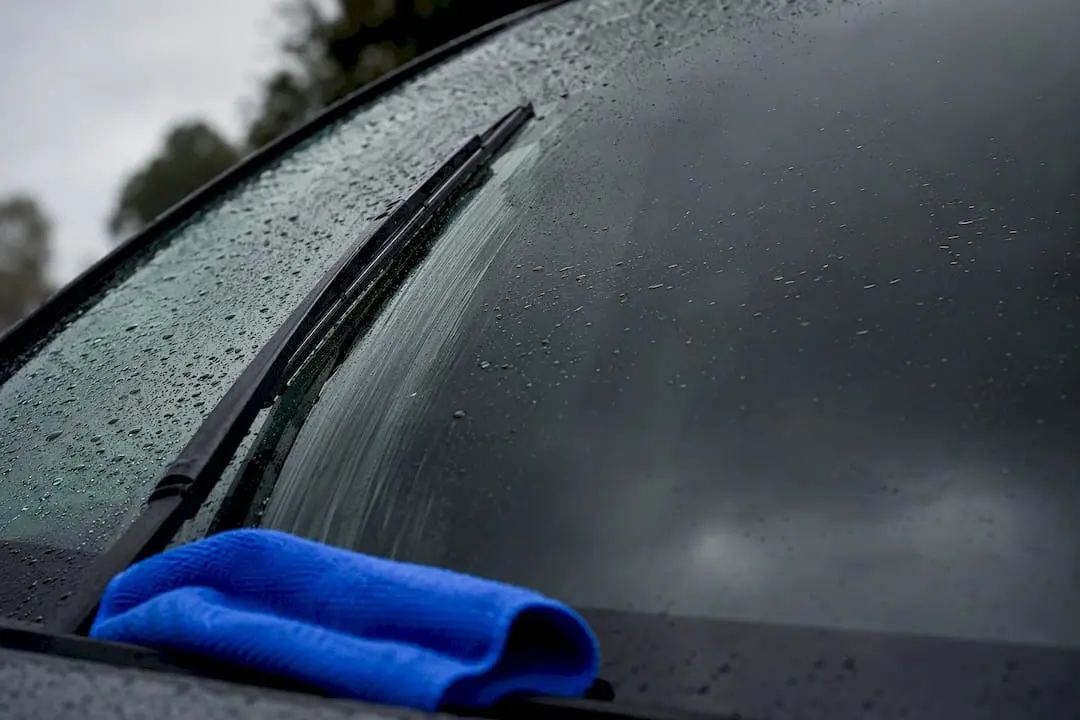
Most new-wiper streaking comes down to contamination on the glass or blade, not a defective blade. A thin film of wax, silicone or road grime stops the rubber from sitting flush against the windscreen. Clean both surfaces, flush the washer fluid, check the fit, then retest before you consider a replacement blade faulty.
TL;DR:
- Contamination from wax, silicone, or road grime on the glass or blade rubber is the primary cause of streaking with new wipers, not defective blades.
- Proper cleaning of both the windscreen and blade with isopropyl alcohol or dedicated cleaners usually resolves streaking issues faster and cheaper than replacing blades.
- Mechanical problems such as loose fitting, bent arms, or misaligned nozzles often cause streaks or skipping, requiring inspection and adjustment rather than cleaning.
- Old, cracked, or hardened rubber from UV and heat exposure cannot be fixed with cleaning and should be replaced approximately every 12 months.
- Using high-quality, fresh washer fluid and maintaining habits like wiping the blade and cleaning the glass extend blade life and prevent streaking.
Table of Contents
- Quick troubleshooting checklist for wiper streaks after replacement
- Why contamination causes streaking even with new blades
- Checking installation, arm tension and nozzle alignment
- Why washer fluid quality and freshness matter
- Signs a blade needs replacing, not cleaning
- Preventive habits that stop streaking coming back
- Does your windscreen glass or coating affect wiper performance?
- A specialist’s take on why drivers replace blades too soon
- Ready to replace your blades? Get the right fit the first time
- Sources
- FAQ
Quick troubleshooting checklist for wiper streaks after replacement
Before you assume the new blades are duds, run through this sequence. Each check takes a couple of minutes, and testing between steps tells you exactly which fix solved the problem rather than guessing.
- Inspect the blade rubber and glass for visible grime, wax haze or chips in the edge.
- Clean the blade rubber by wiping the full length with isopropyl alcohol or a dedicated wiper cleaner. Repeat until the cloth comes away clean.
- Clean the windscreen with an ammonia-free glass cleaner or rubbing alcohol, removing wax overspray, rain-repellent residue and road film.
- Replace the washer fluid if it’s old or a cheap, watered-down mix. Run the pump several times to purge the old fluid from the lines.
- Check blade fit and seating, confirming it’s the correct size for your vehicle and fully clicked or hooked into the arm.
- Test the wipers after each step rather than doing everything at once, so you know which fix actually worked.
This order matters. A contaminated windshield surface is often the primary cause of streaking, and cleaning only one surface, the blade or the glass, often leaves the problem half solved. If you clean the blade but leave a waxy film on the glass, you’ll still get the same smear pattern with a brand-new blade that you had with the old one.
Pro Tip: Fold a microfibre cloth around the blade rubber and pinch it while running the blade through your fingers. If the cloth picks up a grey or black residue, that’s silicone and wax buildup transferring off the rubber. Keep wiping until the cloth stays clean.
Why contamination causes streaking even with new blades
A wiper blade only clears water properly when the rubber edge makes even, unbroken contact with the glass. Wax, silicone-based detailing sprays, rain-repellent residue, road film, tree sap and exhaust deposits all leave a hydrophobic film that sits between the rubber and the glass. That film breaks up the water sheet instead of letting the blade push it away cleanly, which shows up as streaking, juddering or chatter.
This is why brand-new blades often perform worse than the worn set you just took off. The old blades had already worn a channel through the contamination; the new edge hits it fresh. Cleaning both the blade rubber and the glass is faster and usually cheaper than replacing blades again, and it’s the step most drivers skip because they assume a new blade should just work out of the box.
Checking installation, arm tension and nozzle alignment
Sometimes the blade is clean, the glass is clean, and it still streaks or skips in patches. That points to a mechanical issue rather than a contamination one.
- Confirm the blade clicks or locks fully into the arm connector. A loose fitting lets the blade twist mid-sweep.
- Run your finger along the arm to feel for bends or corrosion that could throw off the contact angle.
- Watch the blade at highway speed. If it lifts off the glass or flutters, the arm has lost spring tension.
- Check washer nozzles for clogs or misalignment. A jet that sprays low or to one side leaves dry patches the blade then drags across.
Chattering at speed or a blade lifting off the glass usually points to incorrect blade angle or lost arm tension, and no amount of cleaning fixes that. Clear a blocked nozzle with a fine pin, and redirect it gently with a needle if the spray pattern misses the sweep area. If the arm itself feels weak, that’s an arm replacement, not a blade problem.
Why washer fluid quality and freshness matter
Cheap or ageing washer fluid is one of the most overlooked causes of new-wiper streaking. Old or diluted washer fluid can leave a lubricant film that causes blades to judder and streak, especially if it’s been sitting in the reservoir over summer.
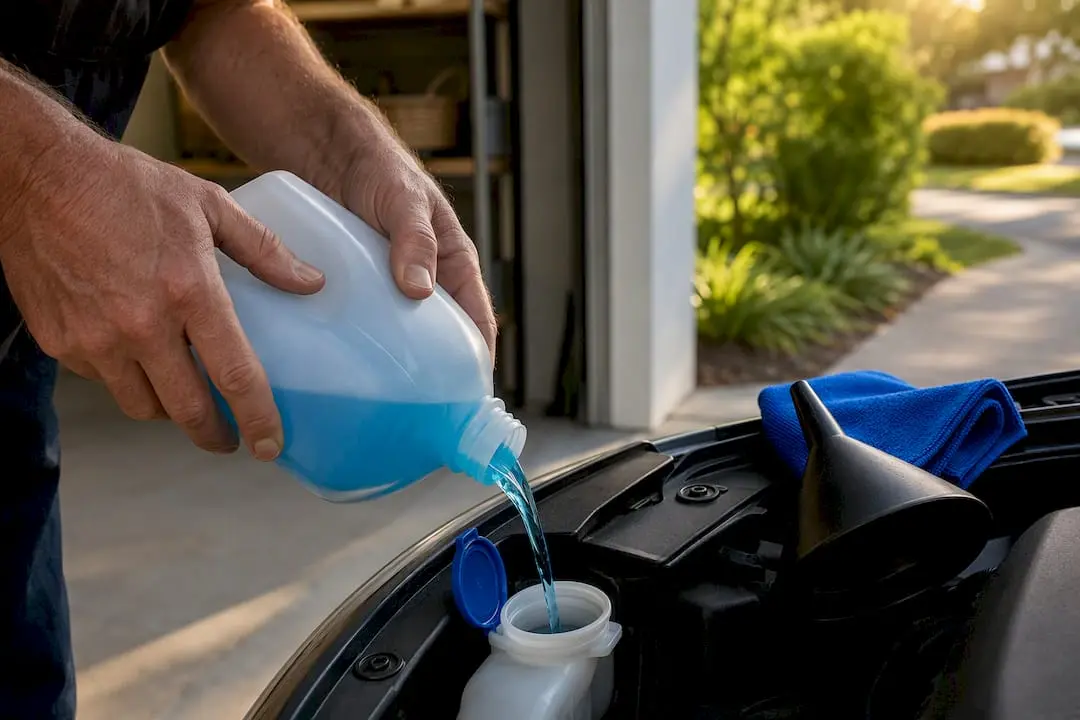
Drain the tank by running the washer pump repeatedly until it stops dispensing, then refill with a fresh, quality fluid. Cheap fluid is mostly water and weak detergent, while premium fluids with bug and grime additives cut through residue far more effectively. While you’re there, check the pump actually primes quickly and the spray lands evenly across the glass rather than pooling in one spot.
Signs a blade needs replacing, not cleaning
Cleaning and adjustment fix most streaking, but not all of it. Some symptoms mean the rubber itself has failed and no amount of degreasing will bring it back.
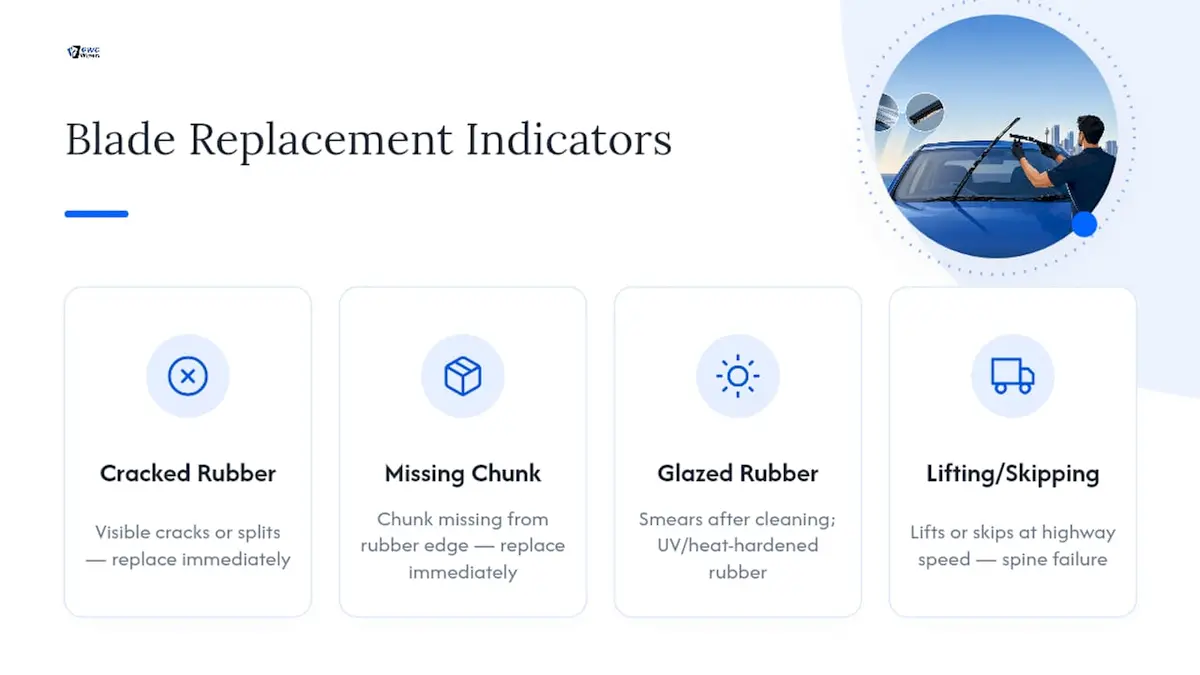
Visible cracks, splits or a chunk missing from the rubber edge call for immediate replacement. A blade that still smears a freshly cleaned windscreen usually has hardened or “glazed” rubber from UV exposure and heat, and that stiffness doesn’t soften again. Lifting or skipping at highway speed after you’ve ruled out a loose fit or weak arm tension points to structural failure in the blade’s internal spine.
As a general rule, check your blades every 12 months and replace sooner if you park outdoors, drive daily in strong sun, or notice any of these signs. Heat and UV exposure age rubber faster than most Australian drivers expect.
Preventive habits that stop streaking coming back
A few small habits keep new blades performing the way they should for longer, rather than repeating this troubleshooting cycle every few months.
- Wipe the blade rubber with a damp cloth whenever you’re at the fuel pump. It takes ten seconds and clears dust before it bakes onto the edge.
- Clean the glass with a dedicated glass cleaner after every wax or detailing session. Wax overspray on the windscreen is one of the most common causes of new-blade streaking.
- Check washer nozzles every month or two for dust or insect blockages, particularly after long highway trips.
- Use a premium washer fluid year round rather than switching to cheap stock in warmer months.
If your car has a hydrophobic ceramic or SiO2 coating on the windscreen, expect a short adjustment period. These coatings help water bead and reduce how often you need to wipe, but an unevenly applied or partly worn coating creates patchy beading that looks like streaking until the coating wears in evenly or is reapplied. Most coatings need reapplication every four to six weeks with regular driving.
Pro Tip: Practical maintenance like this restores wiper performance and extends blade life without needing a replacement, so treat these habits as part of owning the car, not an extra chore. For a deeper walkthrough of cleaning technique, see our guide to cleaning wiper blades and glass.
Does your windscreen glass or coating affect wiper performance?
Yes. The glass itself, and anything applied to it, changes how a wiper blade behaves even when the blade is brand new and perfectly clean. Older windscreens develop microscopic pitting from years of sand, grit and wiper friction. That pitted surface scatters the rubber’s contact pressure unevenly, so even a good blade can leave faint streaks that cleaning alone won’t fully remove.
Aftermarket tinted or ceramic-coated windscreens introduce their own variable. A quality hydrophobic coating, applied evenly, genuinely reduces streaking because water beads and rolls off before the wiper even needs to clear it. A patchy or half-worn application does the opposite, creating inconsistent friction across the sweep that mimics a bad blade.
Factory-tinted glass and acoustic laminated windscreens, common on newer vehicles, generally don’t behave differently to standard glass for wiper contact. The variable that matters most is surface condition, not the glass type itself. A windscreen with years of stone chips, wiper wear and old coating residue will streak with almost any blade until it’s properly cleaned or, in worst cases, professionally polished. If you’ve cleaned the blade, cleaned the glass and checked fitment and it still streaks in the exact same spot every time, that’s usually a sign the glass surface itself, not the blade, is the root cause.
A specialist’s take on why drivers replace blades too soon
Most streaking complaints I see after a fresh blade install trace back to something the driver did days earlier without realising it, like a wax job, a fuel stop with a dirty squeegee, or six months of stale washer fluid sitting in the reservoir over a hot Australian summer. The blade gets blamed because it’s the newest thing in the system, but it’s usually the last thing to actually fail.
The habit I’d challenge is the instinct to reorder a blade the moment it streaks. Testing after each corrective step isolates the root cause and avoids needless purchases, and that discipline saves more money and frustration than any premium blade on its own. Clean first, test, then decide. If you want the deeper mechanics of what “streak-free” actually means at the rubber-to-glass level, our piece on streak-free wiping walks through it properly, and our causes and fixes breakdown covers scenarios this guide didn’t have room for.
— Faisal
Ready to replace your blades? Get the right fit the first time
If you’ve worked through the checklist and the streaking is still there after cleaning, fresh fluid and a fitment check, the blade itself has likely reached the end of its life. That’s where GWC Wipers is the more direct route than a generic auto parts aisle. Every blade is matched to your exact make, model and year through our vehicle selector, so you’re not guessing at a “universal fit” that half-seats and streaks again in six months.

Every blade is backed by a fitment guarantee, a 30-day money-back guarantee and a 12-month warranty, with free shipping across Australia and DIY guides included so fitting the new blade takes minutes, not a workshop visit. If persistent smearing pointed you toward a silicone residue issue rather than a worn blade, our guide to fixing silicone wiper smearing is worth a read before you buy. Otherwise, head to the GWC Wipers vehicle selector and enter your car’s details to find the exact blade built for it, then follow the included guide to fit it yourself.
Sources
- Why brand-new wiper blades can leave worse streaks than the ones you just replaced
- How To Clean Windshield Wipers For Better Visibility | Chemical Guys
- Windshield wipers streak even when new — here’s the fix — ClearlyLearned
FAQ
Why do my new wipers streak straight after installation?
New wipers almost always streak because of contamination left on the glass or blade rubber, such as wax, silicone spray residue or road film, rather than a faulty blade. Clean both surfaces and refresh your washer fluid before assuming the blade itself is defective.
How long does it take new wiper blades to “break in”?
Most blades settle into an even sweep pattern within a few hundred wipe cycles, roughly one to two weeks of normal driving. If streaking hasn’t improved after that and you’ve already cleaned the glass and blade, check fitment and arm tension instead of waiting longer.
Can dirty washer fluid cause streaking on new wipers?
Yes. Old or diluted washer fluid can leave a lubricant film that makes blades judder and streak, even with a brand-new blade. Draining the reservoir and refilling with a quality bug-and-grime fluid usually resolves it within one or two uses.
How do I know if I need a new blade instead of just cleaning?
Visible cracks, chunks missing from the rubber edge, or persistent smearing on a freshly cleaned windscreen mean the rubber has hardened and won’t recover with cleaning. Lifting or skipping at highway speed after you’ve confirmed fitment and arm tension also points to a blade that needs replacing.
Where can I find the correct wiper blades for my car?
GWC Wipers’ vehicle selector matches blades to your exact make, model and year, backed by a fitment guarantee, 30-day money-back guarantee and 12-month warranty. Current prices for each model-specific blade are listed on the GWC Wipers site.