
2 Fixes That Stop Silicone Wipers Smearing for Australian Drivers

Silicone wipers smearing usually comes down to two things: contamination on the glass or blade, and a fit or pressure problem, not a faulty blade. Silicone can leave a thin hydrophobic film that causes temporary haze, but that’s rarely the whole story. Start by cleaning your windscreen and the wiper’s rubber edge with isopropyl alcohol, then retest. If streaking persists once the glass is clean and the blade is seated correctly, it’s time to replace it.
TL;DR:
- Contamination from wax, rain-repellent sprays, and road residues is the primary cause of silicone wiper smearing, not the blade itself.
- Proper cleaning with isopropyl alcohol or vinegar mixture and ensuring the glass and blade are free of oil and grime can resolve most smearing issues.
- Incorrect installation, such as wrong length, improper arm angle, or weak spring pressure, often causes new blades to streak and should be checked before replacing.
- Silicone blades tend to last longer but may show lower wipe coverage in certain conditions and can leave a temporary haze during break-in.
- When cleaning and fitment checks fail, replacing the blade with a properly matched part built for your vehicle improves smear resistance and overall performance.
Table of Contents
- Why silicone wipers smear: materials, residue and common pitfalls
- Step-by-step cleaning to remove haze and residue
- Fitment checklist: installation errors that make new blades smear
- Keeping silicone blades streak-free for longer
- When to stop cleaning and replace the blade
- Why GWC Wipers recommends this fix first
- A quick checklist before you call it a lost cause
- Fixed the fit, still smearing? Try a blade built for it
- Sources
- FAQ
Why silicone wipers smear: materials, residue and common pitfalls
Silicone wiper blades work differently to natural rubber ones. They glide over glass with a hydrophobic coating that repels water rather than simply pushing it aside, and that coating can transfer a faint film onto the windscreen. If that coating goes on unevenly, or the blade is still in its break-in period, you can see a milky haze across your line of sight for the first few hundred wipes. This isn’t a defect; it settles once the coating wears in evenly.
The much more common culprit is contamination, not the blade itself. Wax from a recent car wash, rain-repellent treatments, road film, and squashed insects all sit on glass as an invisible oily layer, and a wiper simply drags that film back and forth instead of clearing it. Detailing sprays containing silicone are particularly good at this. Even a brand-new blade will smear across a dirty windscreen.
Mechanical wear plays a role too. Common causes include:
- Hardened or glazed rubber edges from age, heat, or UV exposure, which stop making even contact with the glass
- Bent or twisted wiper arms that throw off the angle of contact across the sweep
- Weak arm springs that no longer hold enough downward pressure for a clean wipe
- Wrong blade length or a loose connector that lets the blade chatter or lift mid stroke
Independent testing backs up the trade-off here: silicone blades tend to outlast rubber in durability testing, but some tests have shown lower wipe coverage in certain conditions, which lines up with the smearing complaints many drivers report.
Step-by-step cleaning to remove haze and residue
Before you touch the blade itself, clean the glass. Most smear complaints trace back to what’s sitting on the windscreen, not what’s wrong with the wiper.
- Mix your cleaning solution. Use isopropyl alcohol at full strength, or a white vinegar and water mix at a 1:3 ratio. A quality automotive glass cleaner works too.
- Wipe down the entire windscreen first, using a clean microfiber towel, working in overlapping passes until the glass squeaks under your finger.
- Lift the wiper arm and run a soaked microfiber cloth along the full length of the rubber edge, folding the cloth as you go so you’re not just smearing the grime back onto the blade.
- Rinse the glass with plain water and let it air dry, then run the wipers dry to check the result.
- Retest with washer fluid or a light spray of water. If smearing is gone, you’ve solved it. If a faint haze remains, repeat the process once more.
Cleaning both surfaces matters because removing oily films from the glass and the rubber edge is what actually clears most smearing, not treating the blade in isolation. For a deeper look at the underlying causes, our guide on why wipers streak breaks down the mechanics further.
If a chemical haze survives repeated cleaning, particularly from a failed hydrophobic treatment or old detailing residue baked into the glass, a specialist glass polish or clay bar treatment can shift it. Partner guides on streak-free glass cleaning methods cover this escalation well if home cleaning isn’t cutting it.
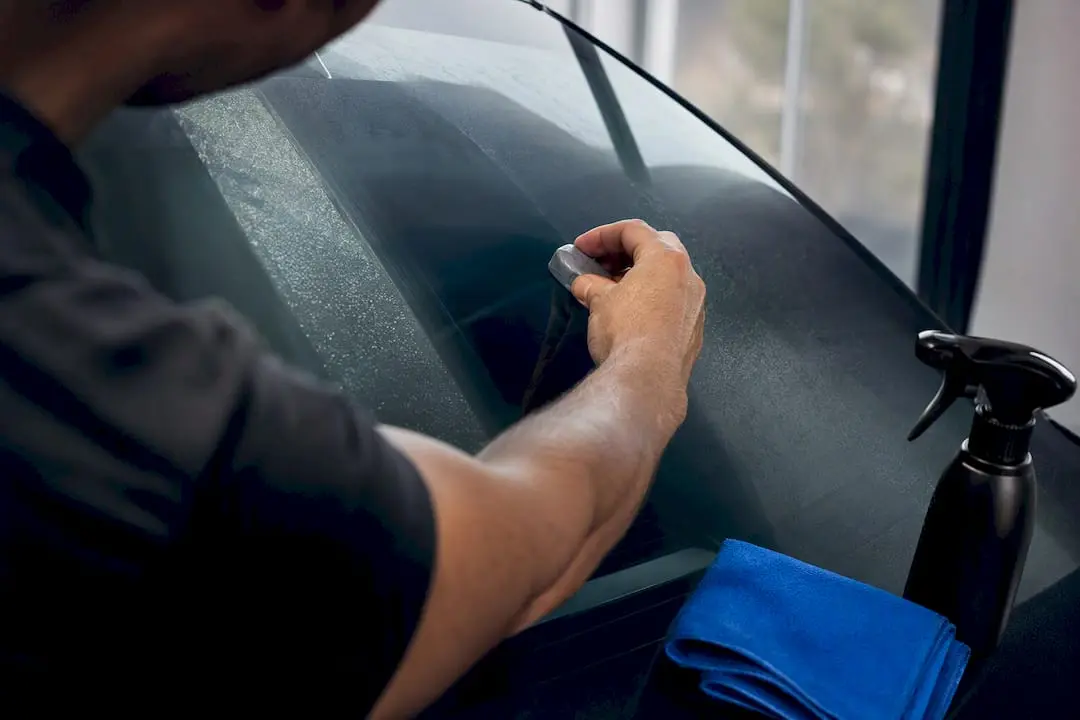
Pro Tip: Never use paper towel on wiper blades. It leaves fibres and micro-scratches on the rubber edge that trap grime and make the next smear worse, not better.
Fitment checklist: installation errors that make new blades smear
A brand-new blade smearing is almost always a fit problem, not a product fault. Run through this before assuming the blade is bad:
- Confirm the correct length and connector type for your specific make, model, and year, and check driver and passenger sides aren’t swapped
- Check the arm angle sits square to the glass along the whole sweep, not tilted at one end
- Test spring pressure by pressing the arm down; it should resist firmly, not flop loosely
- Look at the rubber’s contact pattern on a dry windscreen for any gaps or lifting
- Run a damp-screen contact test: mist the glass, run the wipers, and watch for streaked or unwiped bands
Workshop diagnostics consistently point to installation errors rather than blade age as the reason new blades streak. A slightly bent arm can often be gently re-angled by hand to restore full contact, no replacement needed. Our step-by-step installation guide walks through correct seating if you want a visual reference.
Keeping silicone blades streak-free for longer
Regular upkeep is what separates a blade that lasts its full life from one that starts smearing again within weeks. Aim to wipe down your blades and glass every two to three weeks, and always give both a clean after waxing, applying a rain-repellent treatment, or a full detail, since these are the moments residue is most likely to transfer onto the blade edge.
A few product notes worth following:
- Stick to washer fluid designed for automotive glass rather than household glass cleaners with added ammonia, which can degrade rubber and silicone over time
- Avoid silicone-based dashboard or trim polishes near the windscreen, since overspray settles on glass and blades alike
- In hot, high-UV climates, silicone tends to hold up better against cracking than untreated rubber, though extreme heat can make some residues on the surface unstable
For drivers in particularly harsh conditions, our notes on choosing wipers for heatwave conditions go into which material suits which climate.
Pro Tip: Lift your wipers off the glass during long parking stints in direct sun. It stops the rubber baking against hot glass, which is one of the fastest ways to harden an edge and start smearing again.
When to stop cleaning and replace the blade
Cleaning and fit checks solve most smearing, but not all of it. Cracked, nicked, or folded rubber won’t respond to any amount of alcohol or vinegar, and a hardened, glazed edge that’s lost its flexibility needs replacing outright.
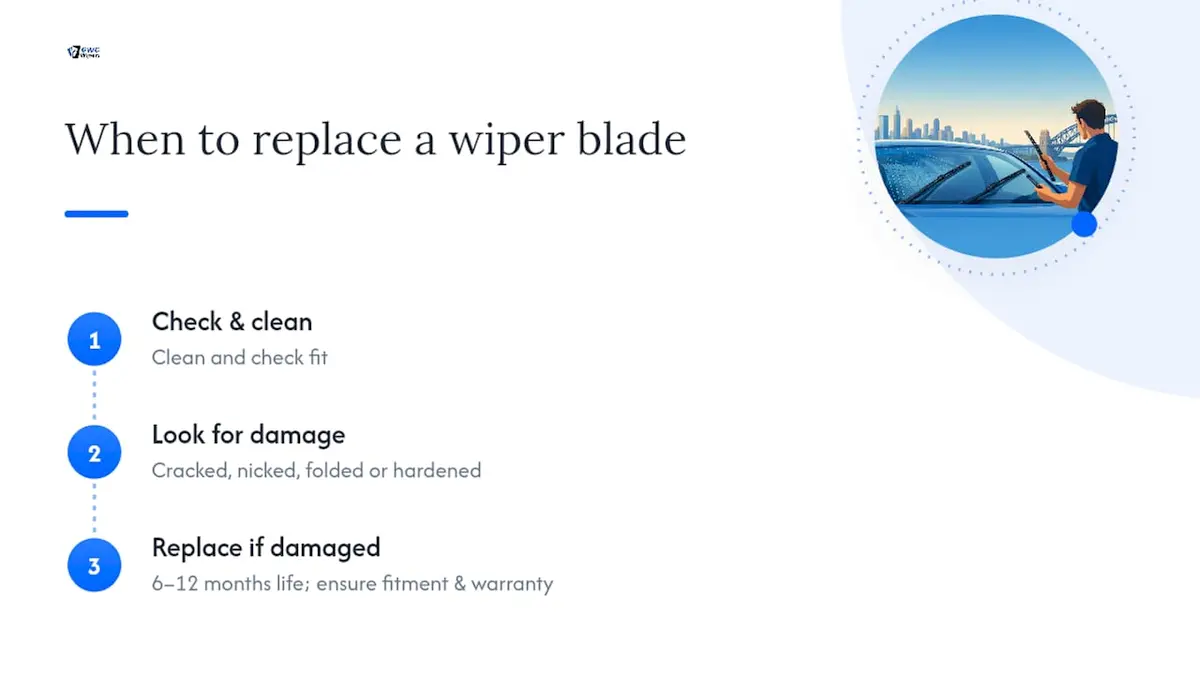
Expect a working lifespan of roughly six to twelve months for most blades, shorter in harsh sun or dusty conditions, longer with regular cleaning and covered parking. Once you’re replacing, factor in a fitment guarantee and a proper warranty, not just upfront price, since a wrongly sized blade brings the smearing problem straight back.
Why GWC Wipers recommends this fix first
We built our vehicle selector tool around one problem: smearing that traces back to wrong sizing or a mismatched connector, not a bad blade. It matches your make, model, and year against fitment data for over 2,500 vehicles, so you’re not guessing on length or arm type.
Our blades use segmented pressure distribution across the full sweep, addressing the uneven contact that causes streaking on curved windscreens, along with preassembled adapters that remove the guesswork installers usually get wrong. Every blade carries a 12-month warranty and a 30-day money-back guarantee, because a fitment issue should never be your ongoing problem to manage.
A quick checklist before you call it a lost cause
My two-minute routine when a smear report comes in: clean the glass, wipe the blade edge, check the arm is seated square, then test on a damp screen. If streaking survives all four steps, or the rubber’s visibly cracked or hardened, that’s your signal to get the fit checked professionally or replace the blade.
— Faisal
Fixed the fit, still smearing? Try a blade built for it
Com is the practical next step when cleaning and fitment checks haven’t stopped the streaking. Rather than guessing at a generic replacement, our vehicle selector matches your exact make, model, and year to a blade engineered with segmented pressure distribution and a preassembled connector, so poor contact and loose seating stop being the problem.

Every blade ships with free shipping across Australia, a 12-month warranty, and a 30-day money-back guarantee, so testing it against your current smearing issue carries no real risk. If you’re driving a Mercedes-Benz, browse our Mercedes-Benz wiper range built for that fitment, or check our Toyota wiper blades if that’s what’s parked in your driveway. Run your rego through the selector, confirm your fit, and order the size matched to your car.
Sources
Practical cleaning and diagnostic guidance drew on Chemical Guys’ wiper cleaning method, Tom’s Auto Center on skip and smear causes, and MotorTrend’s wiper blade testing.
- The best wiper blades for 2026: tested picks
- How To Clean Windshield Wipers For Better Visibility | Chemical Guys
- Your wipers smear because you’re replacing them wrong, not because they’re old
FAQ
What are the disadvantages of silicone wiper blades?
Silicone blades can leave a temporary hydrophobic haze during break-in and may show lower wipe coverage in some conditions compared with rubber, though they generally last longer overall.
Why are my new wiper blades smearing?
New blades smear almost always due to fitment issues, wrong length, poor connector seating, or a bent arm, rather than a fault in the blade itself.
How do I stop my windscreen wipers from smearing?
Clean the windscreen and the wiper’s rubber edge thoroughly with isopropyl alcohol or a diluted vinegar solution, confirm the blade is the correct fit, then run a damp-screen contact test to check the wipe pattern.
Why are my windshield wipers leaving smears?
The two most common reasons are contamination on the glass (wax, road film, insect residue) and a mechanical fit problem like a weak spring or bent arm; cracked or hardened rubber that cleaning can’t fix means it’s time to replace the blade.