
Benefits of frameless wipers: the complete driver’s guide
TL;DR:
- Frameless beam wipers outperform traditional framed blades in visibility, durability, and cold-weather performance due to their continuous pressure distribution and aerodynamic design. They resist ice buildup, reduce wind noise, and last longer, making them ideal for Australian drivers across diverse climates. Proper fit and installation are essential for optimal performance, and upgrading to these blades improves safety during wet, icy, and high-speed conditions.
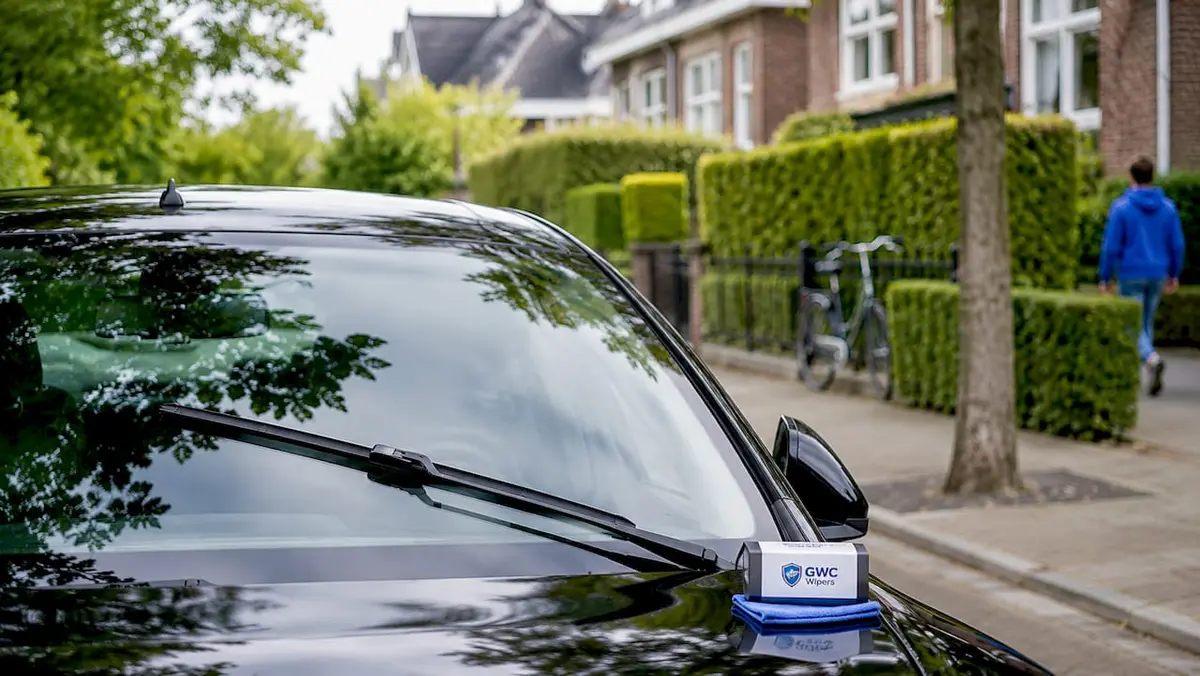
Frameless wipers, known in the industry as beam blade wipers, are automotive windshield wipers built around a single flexible spring-steel spine with no external metal frame. That design delivers continuous, even pressure across the full length of the blade, which is the core reason the benefits of frameless wipers outperform traditional framed blades in nearly every driving condition. Brands like Bosch Aerotwin and Valeo Silencio have made beam blades the standard fitment on most new vehicles sold in Australia today, and for good reason. Whether you drive through Sydney downpours, Alpine snowfields, or long stretches of outback highway, the difference in visibility and reliability is real and measurable.
1. How do frameless wipers improve wiping performance and visibility?
The single biggest frameless wiper advantage is pressure distribution. Frameless beam blades use a pre-tensioned spring-steel strip to maintain continuous contact along the entire blade length. Traditional framed wipers rely on a series of hinged pressure points, which means sections of the blade can lift away from the glass on curved modern windshields, leaving streaks.

Modern windshields are not flat. They curve both horizontally and vertically to improve aerodynamics and cabin space. A frameless blade flexes to match that curve precisely, so every millimetre of rubber stays in contact with the glass. The result is a single, clean wipe with no missed patches.
Key performance improvements you will notice:
- No streaking on curved glass because pressure is applied uniformly
- Cleaner wipes in heavy rain due to consistent rubber-to-glass contact
- Quieter operation with fewer moving parts creating vibration
- Better performance in sleet and light snow where partial contact causes smearing
Pro Tip: If your current wipers leave a thin film of water in an arc pattern, that is a classic sign of uneven pressure from a worn framed blade. A beam blade will eliminate that pattern immediately.
2. What aerodynamic advantages do frameless wipers offer at highway speeds?
At speeds above 80 km/h, wind becomes a serious problem for traditional wiper blades. The raised metal frame acts like a sail, catching airflow and lifting the blade away from the glass. Aerodynamic frameless beam designs use flexible spines and integrated spoilers to convert that same airflow into downforce, pressing the blade more firmly against the windshield.
This is the physics that separates beam blades from framed blades on the freeway. The spoiler runs along the back of the blade and redirects wind pressure downward. The faster you drive, the more downforce is generated, which means wiping consistency actually improves at speed rather than deteriorating.
The practical benefits of aerodynamic wipers at highway speeds include:
- Reduced blade lift at speeds above 100 km/h on motorways
- Less vibration and chatter for a steadier view through the glass
- Lower wind noise inside the cabin during wet weather driving
Streamlined wiper designs reduce wind noise by up to 30% compared to traditional framed blades. That is a meaningful reduction for long-distance drivers on the Hume Highway or Pacific Motorway who spend hours at freeway speeds in wet conditions. Beam wipers provide minimal drag and vibration reduction, improving the quiet and safe driving experience on highways.
3. In what ways do frameless wipers outperform traditional wipers in winter and ice conditions?
Traditional framed wipers have multiple exposed metal joints along their length. In freezing conditions, those joints collect ice and snow, which locks the frame rigid and prevents the blade from conforming to the glass. The result is streaking, skipping, and in severe cases, complete loss of contact across large sections of the windshield.
Frameless beam blades resist ice buildup because there are no exposed joints for ice to pack into. The sealed, flexible spine simply flexes through light ice and snow accumulation without losing contact. This matters for Australian drivers in the Snowy Mountains, the Victorian Alps, and elevated parts of Tasmania and Western Australia where overnight freezing is common.
Frameless wiper advantages in cold conditions:
- No joint freezing because there are no exposed hinges to lock up
- Continuous contact maintained even when light ice forms on the blade
- No need for dedicated winter blades in most Australian cold-weather conditions
Dedicated winter wipers are largely unnecessary when you fit modern frameless beam blades. That saves you the cost and hassle of a seasonal swap. One important note: if ice bonds directly to the windshield glass itself, no wiper blade will clear it safely. Always clear bonded ice with a scraper before operating your wipers.
Pro Tip: Before a cold snap, lift your frameless blades off the glass when parked overnight. This prevents the rubber from freezing to the windshield surface, which is the one winter failure mode that frameless design cannot prevent on its own. You can find more guidance in our snow-resistant wiper guide for Australian conditions.
4. How does durability and lifespan compare between frameless and traditional wipers?
Lifespan is one of the most practical reasons to choose frameless wipers. Conventional framed wipers last 6–12 months, while frameless beam wipers typically last 12–18 months. That longer lifespan comes from even pressure distribution across the blade, which prevents the uneven rubber wear that shortens framed blade life.
Framed blades concentrate pressure at their contact points. Over time, those points wear faster than the rest of the blade, creating an uneven edge that streaks and skips. Frameless blades wear evenly from end to end, so the rubber edge stays consistent for longer.
The table below compares the two blade types across the factors that matter most to Australian drivers:
| Feature | Frameless beam blade | Traditional framed blade |
|---|---|---|
| Lifespan | 12–18 months | 6–12 months |
| Windshield conformity | Excellent on curved glass | Moderate, depends on pivot points |
| Ice and snow resistance | High, no exposed joints | Low, joints freeze and lock |
| Wind noise at speed | Up to 30% quieter | Higher due to raised frame profile |
| Replacement frequency | Less frequent | More frequent |
| Upfront cost | Slightly higher | Lower |
The cost comparison is worth examining carefully. Frameless blades cost more upfront, but you replace them roughly half as often. Over two years, the total cost of ownership is comparable or lower with frameless blades, and you get better performance throughout.
5. What should car owners consider when choosing frameless wipers?
Frameless wipers are the right choice for most Australian drivers, but a few factors determine whether they are the best fit for your specific vehicle and driving habits.
Compatibility and adapter types
Not every vehicle uses the same wiper arm connection. Frameless blades come with adapter kits that cover the most common hook, pinch-tab, and side-pin fittings. Proper installation and adapter compatibility are crucial to maximise performance and avoid chatter or streaking. A mismatched adapter is the most common reason a quality frameless blade underperforms after fitting.
Driving habits and climate
The choice between frameless and framed blades depends on driving habits, climate, and vehicle. If you drive frequently at highway speeds, in heavy rain, or in cold alpine conditions, frameless is the clear choice. If you drive short urban distances in a dry climate and rarely exceed 60 km/h, a quality framed blade may serve you adequately at lower cost.
True beam vs hybrid designs
Understanding real frameless beam systems versus hybrids matters because some designs include partial structural elements that affect performance. A true beam blade has no external frame at all. A hybrid blade wraps an aerodynamic shell around a traditional frame, offering some aerodynamic benefit but retaining the exposed joints that cause ice problems. Read the product specifications carefully before buying.
Key questions to ask before purchasing:
- Does the blade include the correct adapter for your wiper arm type?
- Is it a true beam blade or a hybrid with a partial frame?
- Does the manufacturer offer a fit guarantee for your specific make, model, and year?
Pro Tip: Use a vehicle selector tool before ordering to confirm the exact blade size and adapter type for your car. GWC Wipers offers a step-by-step installation guide that walks you through fitting frameless blades correctly the first time.
Key takeaways
Frameless beam wipers outperform traditional framed blades across visibility, durability, aerodynamics, and cold-weather resistance, making them the better choice for most Australian drivers.
| Point | Details |
|---|---|
| Superior pressure distribution | A spring-steel spine delivers continuous contact across curved windshields, eliminating streaks. |
| Longer lifespan | Frameless blades last 12–18 months versus 6–12 months for framed blades, reducing replacement frequency. |
| Better at speed | Integrated spoilers convert wind into downforce, maintaining contact and reducing cabin noise by up to 30%. |
| Cold-weather reliability | No exposed joints means no ice lock, removing the need for dedicated winter blades in most Australian conditions. |
| Fit and installation matter | Correct adapter selection and proper fitting are the difference between peak performance and frustrating chatter. |
Why I think most drivers underestimate what their wipers actually do
Most car owners replace wipers only when visibility becomes dangerous. I understand that instinct, but it misses something important. A wiper blade that is six months past its prime is not just annoying. It is actively reducing your reaction time in wet weather because your brain is working harder to interpret a smeared, streaked view of the road ahead.
What I have found after years of working with Australian drivers across different climates is that the switch to frameless beam blades is one of the most underrated vehicle upgrades available. It costs less than a tank of fuel, takes ten minutes to fit, and the improvement in wet-weather visibility is immediate and obvious.
The misconception I hear most often is that frameless blades are only worth it for luxury vehicles or performance cars. That is not accurate. A Toyota Corolla or Mitsubishi Triton driven through a Queensland wet season benefits just as much as a Porsche Cayenne on a mountain road. The physics of pressure distribution and aerodynamics apply regardless of the badge on the bonnet.
One thing I will say honestly: noise and vibration complaints about frameless blades almost always trace back to a poor fit or the wrong adapter, not the blade design itself. Noise and vibration usually stem from poor fit and airflow issues rather than the blade design. Get the fit right and the blade will perform exactly as advertised.
My recommendation is straightforward. If your framed blades are due for replacement, do not replace them with the same type. Spend a little more on a quality frameless beam blade with a fit guarantee and you will not look back.
— Faisal
Upgrade your wipers with GWC Wipers
If you are ready to experience the real-world difference that frameless beam blades make, GWC Wipers has you covered across hundreds of Australian vehicle makes and models. Every blade comes with a perfect fit guarantee, free shipping across Australia, and a 12-month warranty so you can buy with confidence.
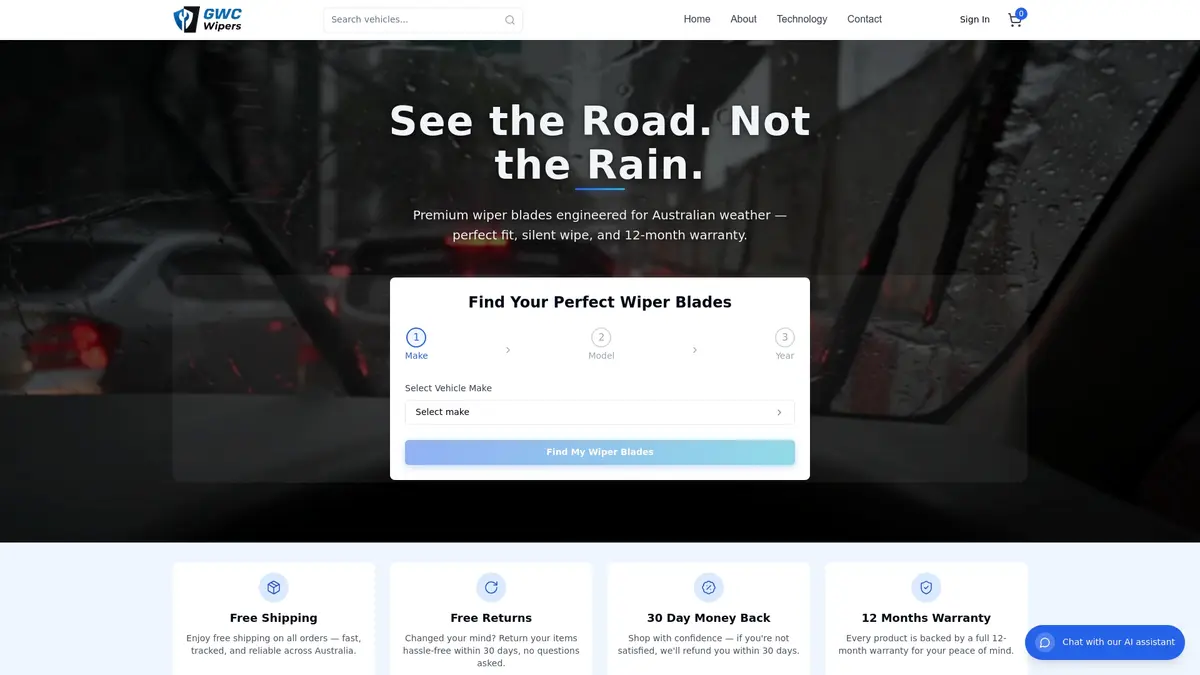
Whether you drive a Toyota, a Mercedes-Benz GLE-Class, or a Land Rover Discovery Sport, GWC Wipers stocks the right frameless blade for your specific vehicle. Use the vehicle selector tool on the GWC Wipers website to find your exact match by make, model, and year. Upgrading takes ten minutes and the improvement in wet-weather visibility is immediate. Clear vision is not optional on Australian roads. Get the blade that delivers it.
FAQ
What is a frameless wiper blade?
A frameless wiper blade, also called a beam blade, uses a single flexible spring-steel spine with no external metal frame to deliver continuous pressure across the full blade length. Brands like Bosch Aerotwin and Valeo Silencio are well-known examples of this design.
How long do frameless wipers last compared to traditional blades?
Frameless beam wipers typically last 12–18 months, compared to 6–12 months for conventional framed blades. Even pressure distribution prevents the uneven rubber wear that shortens framed blade life.
Are frameless wipers better in heavy rain?
Yes. Frameless blades maintain continuous contact with curved windshields by distributing pressure evenly along the blade, which eliminates the streaking and skipping that framed blades produce in heavy rain.
Do frameless wipers work in snow and ice?
Frameless beam blades resist ice buildup because they have no exposed metal joints to freeze and lock. This makes them reliable in Australian alpine conditions without needing a separate set of dedicated winter blades.
Are frameless wipers harder to install than traditional blades?
Frameless blades are no harder to install than traditional blades. They come with adapter kits for common wiper arm types, and correct adapter selection is the most important step to getting a rattle-free, streak-free result.