
How to handle frozen wipers: an Australian guide
TL;DR:
- Frozen windshield wipers bond to the glass by ice, making them dangerous to operate if mishandled. Using gentle thawing methods, such as warm interior air and de-icing solutions, prevents damage to the glass, blades, and motor. Applying proper prevention habits and avoiding harsh tools or chemicals keeps wipers functioning reliably through winter.
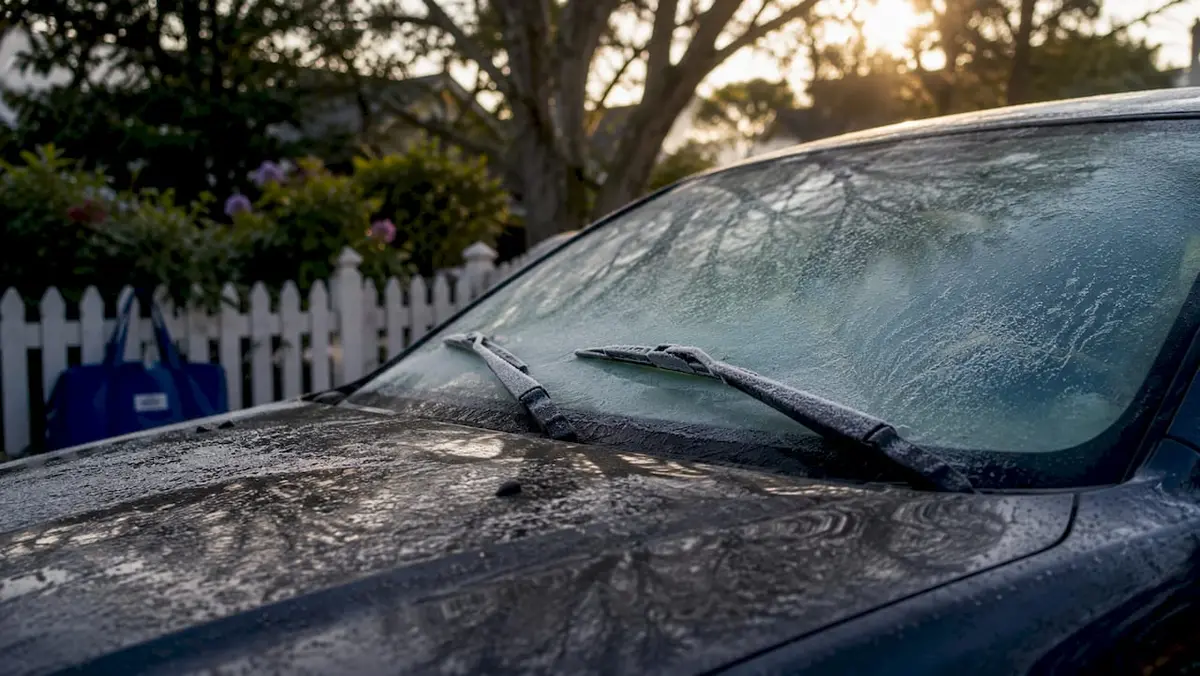
Frozen windshield wipers are defined as wiper blades and arms bonded to the windscreen by ice, making them immovable and dangerous to operate. Knowing how to handle frozen wipers correctly protects your glass, your wiper motor, and your rubber blades from costly damage. Australian drivers in alpine regions like the Snowy Mountains, the Victorian High Country, and even parts of the ACT and Tasmania face this problem regularly through the winter months. RACV and RACT both publish guidance on safe defrosting, and their core message is consistent: gentle thawing beats brute force every time. Getting this wrong can crack your windscreen or burn out your wiper motor before you have even left the driveway.
What tools and materials do you need to safely handle frozen wipers?
The right equipment makes car wiper ice removal safe and straightforward. Gathering these items before a frost hits means you are never scrambling on a cold morning.
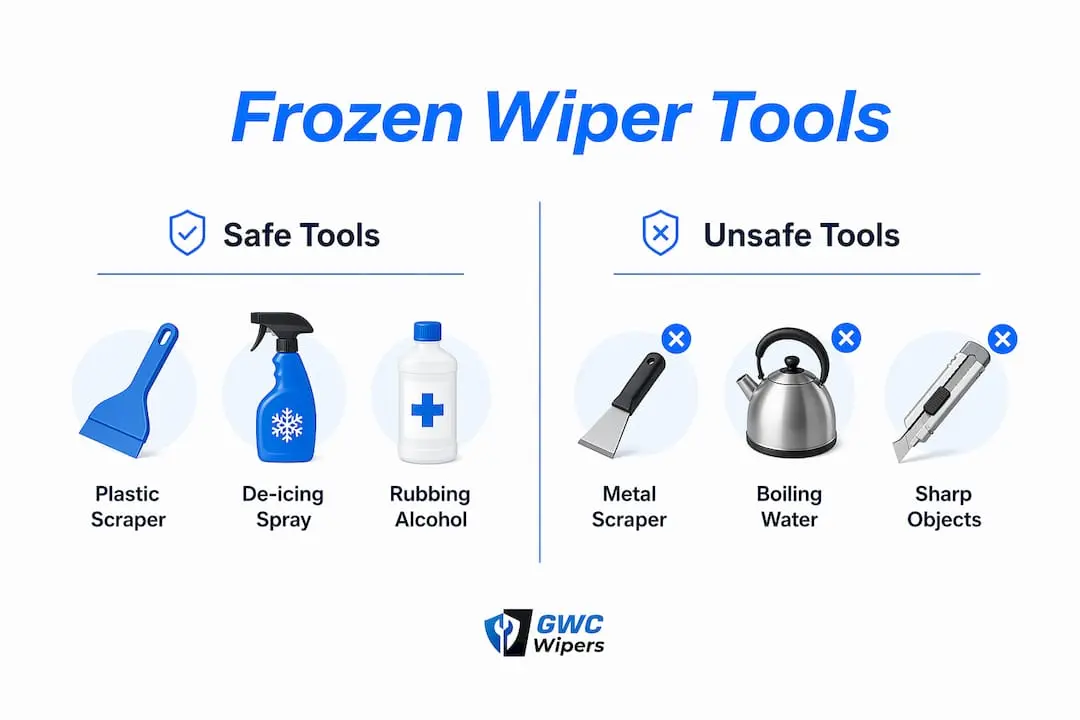
Safe tools and materials to keep in your car:
- A plastic ice scraper (never metal, which scratches glass)
- A purpose-made de-icing spray from an automotive retailer
- A DIY de-icing solution: 3 parts vinegar to 1 part water, or 2 parts rubbing alcohol to 1 part water
- Winter-grade washer fluid rated for below-freezing temperatures
- A soft microfibre cloth for wiping blades dry after thawing
The vinegar-water and rubbing alcohol-water mixtures melt ice without damaging rubber or glass. They are genuinely effective and cost almost nothing to prepare at home.
What to avoid entirely:
- Boiling or hot water poured directly onto the glass
- Metal scrapers or any sharp-edged tool
- Household chemicals like WD-40 or washing-up liquid, which accelerate rubber deterioration and corrode paintwork
| Tool or fluid | Safe to use? | Reason |
|---|---|---|
| Plastic ice scraper | Yes | Removes ice without scratching glass |
| Rubbing alcohol solution | Yes | Melts ice, safe on rubber and glass |
| Vinegar-water mix | Yes | Effective de-icer, no damage to seals |
| Winter-grade washer fluid | Yes | Prevents fluid lines from freezing |
| Boiling water | No | Causes thermal shock and glass cracking |
| Metal scraper | No | Scratches and chips glass surface |
| WD-40 or dish soap | No | Damages rubber blades and paintwork |
Pro Tip: Mix your rubbing alcohol solution in a small spray bottle and keep it in your bag or inside the car. Leaving it in the boot overnight means it may freeze too.
How do you safely defrost frozen wipers without causing damage?
A step-by-step approach to thawing icy wipers protects both the motor and the rubber blades. Rushing this process is where most damage occurs.
-
Start your engine and activate the rear and front defrost settings. Allow the heating system to warm the glass gradually from the inside. This is the safest first step because it avoids any direct contact with the frozen blades.
-
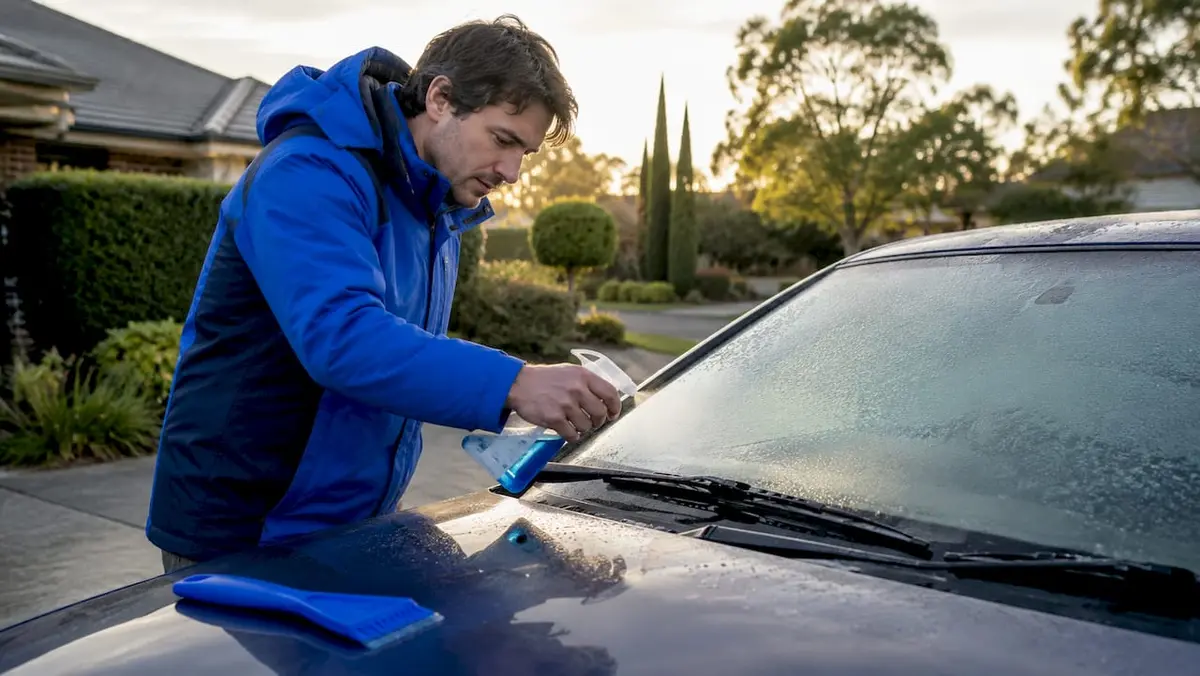
Spray your de-icing solution around the blade edges and along the wiper arms. Work from the base of each arm outward. The solution breaks the ice bond without you needing to apply force.
-
Wait 5–10 minutes before touching the blades. Patience here prevents torn rubber. The combination of engine heat and de-icer does the work for you.
-
Use a plastic scraper gently if ice remains. Slide it under the blade edge rather than pressing down hard. Never lever the blade away from the glass with force.
-
Confirm the blades move freely before switching the wipers on. Lift each blade slightly by hand to check it is no longer bonded to the glass.
-
Switch wipers on only once the glass is clear. Running wipers against frozen glass burns out the motor and tears the rubber. This single mistake causes more wiper damage than any other.
“Motor strain and blade rubber tearing occur if wipers activate before ice is thawed. Always confirm the glass is clear before switching the system on.”
Pro Tip: Many modern vehicles have rain-sensing wipers that can mistake melting ice for rain and trigger automatically. Turn this feature off before you begin defrosting.
Checking your vehicle’s settings takes ten seconds and can save you a costly motor replacement. This is one of the most overlooked tips for icy wipers among everyday drivers.
Common mistakes to avoid when dealing with frozen wipers
Most wiper damage in winter comes from a handful of repeated errors. Recognising these habits is the first step to breaking them.
The most damaging mistakes drivers make:
- Pouring hot or boiling water on the windscreen. Rapid thermal shock cracks glass immediately, and on modern vehicles with embedded sensors, recalibration costs can be significant.
- Activating wipers before the ice has thawed. The motor strains against the resistance, and the rubber tears along the blade edge. Even one incident can shorten blade life considerably.
- Leaving wipers switched on when you park overnight. If the blades freeze to the glass while the wiper system is armed, the motor attempts to start against solid ice the next morning.
- Using metal scrapers or sharp tools. These scratch the glass surface and nick the rubber seal along the blade, causing streaking and reduced visibility.
- Applying household chemicals as a quick fix. Products like WD-40 and washing-up liquid seem convenient, but they degrade rubber and strip protective coatings from paintwork over time.
“Improper de-icing chemicals accelerate corrosion and rubber deterioration, threatening both safety and the appearance of your vehicle.”
Lifting wipers unnecessarily is another habit worth reconsidering. Repeated lifting in cold conditions accelerates wear on the internal metal springs inside the wiper arms. Weakened springs produce uneven pressure across the blade, which causes streaking and poor wipe quality long after winter ends. Lift wipers only when you have a clear reason to do so, not as a default habit every frosty night.
A good winterise car checklist covers wiper care alongside tyre pressure, battery condition, and fluid levels. Treating wipers as part of a broader winter preparation routine keeps the whole system working reliably.
How do you prevent your wipers from freezing in the first place?
Prevention is far less work than dealing with frozen blades on a cold morning. These habits take minutes to build and save real time and money across winter.
Practical prevention strategies:
- Apply a thin layer of rubbing alcohol or cooking oil to blade edges before an overnight frost. These coatings act as barriers against ice adhesion. Wipe the blades clean before using the wipers to avoid smearing on the glass.
- Use a windscreen cover or an old towel across the glass. This keeps frost off the glass entirely and means the blades never bond to ice in the first place.
- Switch to winter-grade washer fluid. Fluid rated for sub-zero temperatures prevents blockages in the washer jets and avoids icy residue building up on the glass during use.
- Keep blades and the windscreen clean. Dirt and grime increase the surface area for ice to grip. A clean glass surface bonds less aggressively with frost.
- Inspect blades regularly and replace them when worn. Cracked or split rubber holds ice more readily than a fresh blade. Wiper blade maintenance every six to twelve months is the standard recommendation for Australian conditions.
| Prevention method | Effort level | Effectiveness |
|---|---|---|
| Rubbing alcohol barrier on blades | Low | High |
| Windscreen cover or towel | Low | Very high |
| Winter-grade washer fluid | Low | High |
| Regular blade cleaning | Low | Moderate |
| Timely blade replacement | Moderate | Very high |
Pro Tip: Old socks pulled over each wiper blade work surprisingly well as overnight covers. They are free, reusable, and keep the rubber off the frozen glass entirely.
Lifting wipers away from the glass overnight is a popular tip, but use it selectively. Repeated cold exposure when lifted degrades the internal metal springs, leading to uneven pressure and streaking. Reserve lifting for nights when heavy frost is certain, and use a cover instead as your default approach. For a broader set of strategies, the wiper protection guide from GWC Wipers covers nine proven methods suited to Australian conditions.
Key takeaways
Handling frozen wipers safely requires gentle thawing, the right tools, and consistent prevention habits to protect your blades, motor, and glass throughout winter.
| Point | Details |
|---|---|
| Never use hot water | Thermal shock cracks glass and can trigger costly sensor recalibration. |
| Thaw before activating wipers | Running blades on frozen glass burns out the motor and tears rubber. |
| Use safe de-icing solutions | Rubbing alcohol or vinegar-water mixes melt ice without damaging blades or glass. |
| Prevent with barriers and covers | Rubbing alcohol coatings and windscreen covers stop ice bonding overnight. |
| Maintain blades year-round | Regular inspection and timely replacement reduce ice adhesion and improve wipe quality. |
What I have learned from Australian winters and frozen wipers
By Faisal
The mistake I see most often is drivers treating frozen wipers as a problem to solve quickly rather than carefully. A kettle of boiling water feels like the obvious answer at 7:00 AM when you are running late. The result is a cracked windscreen and a repair bill that ruins the week.
What actually works is boring but reliable: start the engine, turn on the defrost, spray a proper solution, and wait. The five minutes you spend waiting costs nothing. The motor replacement you avoid costs several hundred dollars.
I have also noticed that the lifting-wipers-overnight advice gets repeated without the important caveat. Lifting blades occasionally on a severe frost night is fine. Lifting them every single night through winter accelerates spring wear and leads to streaking by September. A windscreen cover or a pair of old socks over the blades is a better default.
The other thing worth saying plainly: blade quality matters more in winter than any other season. Worn rubber holds ice, tears more easily against frozen glass, and smears rather than wipes when temperatures drop. Replacing blades before winter, not after they fail, is the habit that separates drivers who have clear visibility from those who do not. The all-season wiper tips from GWC Wipers are worth reading before the cold sets in.
Proper wiper care is not complicated. It just requires doing the right things consistently rather than reaching for the nearest shortcut.
— Faisal
Premium wiper blades built for Australian winters
If your blades are cracked, streaking, or struggling to clear the glass cleanly, winter is the worst time to delay a replacement. GWC Wipers designs and manufactures premium wiper blades built specifically for Australian weather conditions, from alpine frost to coastal humidity. Every blade comes with a perfect fit guarantee, a 12-month warranty, and free shipping across Australia. The vehicle selector tool on the GWC Wipers website matches you to the correct blade for your make, model, and year in seconds. Whether you drive a Toyota, a Mercedes-Benz, or a Land Rover, there is a blade designed to perform through every season. Browse the full range and get your vehicle ready before the next frost hits.
FAQ
Can I pour warm water on frozen wipers?
Warm water is safer than boiling water, but thermal shock from any sudden temperature change can still crack glass. A de-icing spray or rubbing alcohol solution is the recommended approach.
Why are my wipers frozen to the windscreen?
Wipers freeze to the windscreen when moisture between the rubber blade and the glass surface drops below zero degrees Celsius overnight. This is most common after rain followed by a sharp temperature drop.
How do I thaw wipers without damaging the motor?
Start the engine, activate the front defrost setting, and apply a de-icing solution. Confirm the blades move freely before switching the wiper system on.
Should I lift my wipers every night in winter?
Lifting wipers occasionally before a heavy frost is reasonable, but doing it every night accelerates spring wear. A windscreen cover or blade barrier coating is a better daily habit.
What is the best DIY de-icing solution for wipers?
Mix 2 parts rubbing alcohol with 1 part water in a spray bottle. This solution melts ice quickly and is safe on both rubber blades and glass.