
All-season wiper hacks: 9 tips for Australian drivers
TL;DR:
- Proper wiper maintenance, including regular cleaning and using physical ice barriers, can extend blade life in Australian conditions.
- Choosing the right blade type for your climate and replacing blades every 6 to 12 months ensures optimal windshield visibility year-round.
All-season wiper hacks are practical, easy-to-apply methods that improve your wipers’ effectiveness and extend their life throughout the year. Australian drivers face a punishing mix of UV exposure, heavy summer downpours, and frosty winter mornings in alpine regions. These conditions degrade rubber faster than most drivers realise. The good news is that a handful of proven techniques, recommended by organisations like NAPA and AAA, can keep your blades performing well between replacements. This article covers the most effective wiper maintenance hacks, from cleaning routines to blade selection, tailored specifically for Australian conditions.
1. All-season wiper hacks: start with a proper cleaning routine
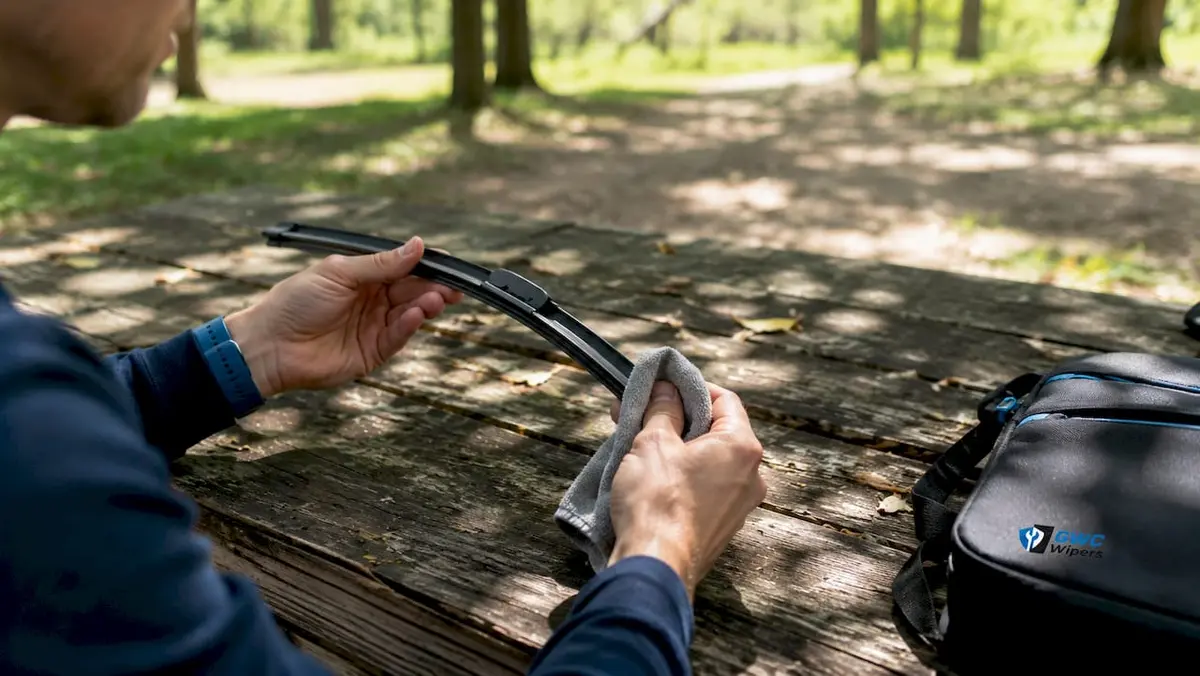
Regular cleaning every 2–4 weeks extends blade life by 30% or more. That single habit does more for your wipers than most other hacks combined.
The correct method uses mild soap, warm water, and a microfibre cloth. Wipe along the rubber edge in one direction, not back and forth. This removes the road grime, insect residue, and dust that cause streaking and chattering on your windshield.
For a deeper clean, isopropyl alcohol restores blade effectiveness by removing oxidised rubber from the blade edge. Use it sparingly. Overuse accelerates rubber degradation rather than reversing it.
- Use mild soap and warm water as your standard cleaner
- Apply isopropyl alcohol only when streaking persists after a soap wash
- Avoid petroleum-based products entirely; they attract grit and cause faster wear
- Use a clean microfibre cloth, not a paper towel or rag
Pro Tip: Always support the wiper arm with your hand when cleaning the blade. If the arm snaps back onto a dry windshield, it can crack the glass.
For more on why streaks appear and how to fix them, the causes of wiper streaking guide from GWC Wipers covers the full picture.
2. Use physical barriers to stop blades freezing overnight
Physical barriers like socks or clothespins prevent ice bonding and can save you 10–15 minutes of scraping time on a cold morning. This is the most underrated winter hack for drivers in Canberra, the Blue Mountains, and Victoria’s alpine areas.
The method is straightforward. Pull your wiper arms away from the glass before parking overnight, then slide an old sock or a purpose-made synthetic cover over each blade. The barrier stops the rubber bonding to the glass as temperatures drop.
The clothespin trick works differently. Clip a clothespin to the wiper arm to hold it slightly away from the glass without fully lifting it. This creates a small gap that prevents direct contact and ice formation.
- Old socks work well as a free, reusable cover
- Synthetic wiper covers are available at most auto parts stores
- The clothespin method suits drivers who prefer not to lift the arm fully
Pro Tip: Lifting wiper arms in icy weather carries a real risk. Spring snap-back can shatter your windscreen if the arm releases suddenly. Always use a soft support and never leave arms raised for extended periods.
Petroleum-based products like WD-40 attract dirt and grit, causing faster wear and potential glass damage. Physical barriers outperform chemical solutions in icy conditions every time.
3. Flip or rotate blades to get more life from the rubber
Flipping a wiper blade exposes a fresh rubber edge and delays the need for replacement. Most conventional wiper blades are symmetrical, which means the rubber strip can be reversed to present an unworn surface to the glass.
The process takes about five minutes per blade. Release the blade from the wiper arm using the standard tab or hook mechanism, remove the blade, reverse its orientation, and reattach it. The blade now contacts the glass on the opposite edge.
This method only works while the rubber is still structurally intact. If you see cracks, tears, or chunks missing from the rubber, flipping will not help. Inspect the blade carefully before attempting this.
- Lift the wiper arm carefully and support it
- Press the release tab and slide the blade off the arm
- Inspect the rubber strip for cracks or tears
- Reverse the blade orientation and reattach firmly
- Test the blade on a wet windshield before driving
Pro Tip: Do this at your next car wash when the rubber is already wet and pliable. A wet blade is easier to inspect and reattach cleanly.
4. Choose the right blade type for your Australian climate
All-season blades offer versatility but are not the ultimate solution for extreme conditions. DENSO advises selecting blade type based on your local climate rather than relying on a one-size-fits-all label.
Australia’s climate varies dramatically. Drivers in Darwin or Cairns deal with intense UV and monsoon rain. Drivers in Hobart or the Snowy Mountains face frost and ice. A standard all-season blade handles moderate conditions well but struggles at the extremes.
| Blade type | Key benefit | Best suited for |
|---|---|---|
| Beam (bracketless) | Aerodynamic, even pressure across the blade | Coastal and tropical regions with heavy rain |
| Hybrid | Combines beam pressure with a protective shell | Variable climates, most Australian suburbs |
| Winter-specific | Rubber boot shields the frame from ice buildup | Alpine areas, Canberra, southern Victoria |
| Standard all-season | Affordable, widely available | Mild climates with moderate rainfall |
For a detailed comparison of blade technologies, the wiper blade types guide from GWC Wipers explains which design suits each Australian region.
High-quality washer fluid with detergents is critical year-round. Water alone leads to poor cleaning, glass grime, and chattering. Use a fluid formulated for your season, and top it up regularly.
Replace both blades at the same time. AAA advises against replacing only the driver’s side blade. The passenger blade degrades at a similar rate and will fail shortly after if left in place.
5. Protect blades from UV damage in summer
UV exposure is the primary cause of rubber hardening and cracking in Australian conditions. A blade that looks fine in june can be brittle and streaking by december after months of direct sun.
The simplest protection is to park in the shade or a garage whenever possible. If you park outdoors regularly, lift your wiper arms away from the glass during the hottest part of the day. This prevents the rubber from bonding to a superheated windshield and deforming under the weight of the arm.
Applying a UV-protective windshield treatment to the glass also reduces heat transfer to the blade. Products designed for exterior car care can help protect both the glass and the rubber from prolonged sun exposure.
6. Build a seasonal wiper maintenance schedule
A seasonal approach to wiper care prevents problems before they affect your visibility. Australian weather follows predictable patterns, and your maintenance routine should match them.
| Season | Key risk | Recommended action |
|---|---|---|
| Summer (Dec–Feb) | UV damage, rubber hardening | Park in shade, lift blades when parked, inspect monthly |
| Autumn (Mar–May) | Pollen and dust buildup | Clean blades every 2 weeks, top up washer fluid |
| Winter (Jun–Aug) | Frost, ice bonding in alpine areas | Use physical blade covers overnight, check rubber flexibility |
| Spring (Sep–Nov) | Sap, pollen, and first heavy rains | Deep clean blades, replace if rubber shows cracking |
Wiper blades should be replaced every 6–12 months depending on climate. NAPA recommends a 6-month cycle for drivers in intense UV or icy conditions. Spring and late autumn are the natural replacement points for most Australian drivers.
How Australian weather affects blade lifespan across different regions is covered in detail in the Australian weather and wiper blades guide from GWC Wipers.
7. Keep washer fluid topped up and use the right formula
Washer fluid is not an afterthought. The wrong fluid, or an empty reservoir, turns a minor smear into a visibility hazard within seconds.
Plain water is the worst choice year-round. In summer, it evaporates quickly and leaves mineral deposits on the glass. In winter, it freezes in the reservoir and lines. A quality washer fluid with detergents cleans more effectively and protects the system in both extremes.
Choose a fluid rated for your local conditions. Tropical and coastal drivers need a formula that cuts through insect residue and road film. Alpine and southern drivers need a fluid with a freeze rating below the lowest overnight temperature in their area.
8. Inspect blades before every long drive
A quick visual inspection before a long drive takes 60 seconds and can prevent a dangerous situation on a wet highway. Most blade failures are visible before they become critical.
Run your finger along the rubber edge. A healthy blade feels smooth and slightly flexible. A blade ready for replacement feels stiff, has visible cracks, or has sections of rubber that have separated from the frame.
Check the wiper arm tension as well. A weak spring means the blade lifts off the glass at highway speeds, leaving a dry strip in the centre of your field of vision. If the arm feels loose or the blade skips at speed, the arm may need replacement alongside the blade.
9. Match blade size and fitting to your vehicle
Fitting the wrong blade size is one of the most common DIY mistakes. A blade that is too short leaves uncleaned sections at the edges. A blade that is too long can contact the A-pillar or the opposite blade, causing noise and uneven wear.
Every vehicle has a specific driver and passenger blade size, and these are often different lengths. Check your owner’s manual or use a vehicle selector tool to confirm the correct size before purchasing. GWC Wipers’ nine proven protection tips also cover fitting checks as part of a full maintenance routine.
Fitting type matters as well. Hook arms, pinch tabs, and bayonet fittings each require a specific blade connector. Using the wrong connector puts stress on the arm and can cause the blade to detach at speed.
Key takeaways
Consistent maintenance and climate-aware blade selection are the two most effective all-weather windshield care habits for Australian drivers.
| Point | Details |
|---|---|
| Clean every 2–4 weeks | Regular cleaning with mild soap extends blade life by 30% or more. |
| Use physical barriers in winter | Socks or clothespins prevent ice bonding and save scraping time on cold mornings. |
| Replace both blades together | AAA advises replacing driver and passenger blades at the same time for consistent performance. |
| Match blade type to your climate | Beam, hybrid, and winter-specific blades each suit different Australian regions. |
| Replace every 6–12 months | NAPA recommends a 6-month cycle in harsh UV or icy conditions. |
What I’ve learned after years of watching drivers get this wrong
Most DIY wiper advice focuses on hacks in isolation. Clean the blade, flip it, cover it overnight. These are all useful. The mistake I see repeatedly is treating hacks as a substitute for timely replacement rather than a complement to it.
A blade that is cracked, stiff, or missing rubber chunks will not be saved by isopropyl alcohol or a clever flip. At that point, you are delaying a $20–$40 fix while risking a $300 windshield repair or, worse, reduced visibility on a wet road. The hacks in this article buy you time and extend the life of blades that are still in good condition. They are not a workaround for neglect.
The other thing I notice is that Australian drivers in regional areas tend to under-replace. A blade that survives a mild Sydney winter can be destroyed by a single summer in Broken Hill or a frost season in the Snowy Mountains. Climate matters more than calendar. If you drive in a harsh environment, check your blades every three months, not every six.
The best routine is simple: clean monthly, inspect seasonally, replace on schedule, and use the right blade for your region. The hacks make that routine more effective. They do not replace it.
— Faisal
Premium wiper blades for every Australian vehicle at GWC Wipers
GWC Wipers stocks a wide range of premium wiper blades built for Australian conditions, from tropical Queensland to alpine Victoria. Whether you drive a Toyota, Mercedes-Benz, Ford, or Mitsubishi, the vehicle selector tool matches you to the correct blade size and fitting in seconds.
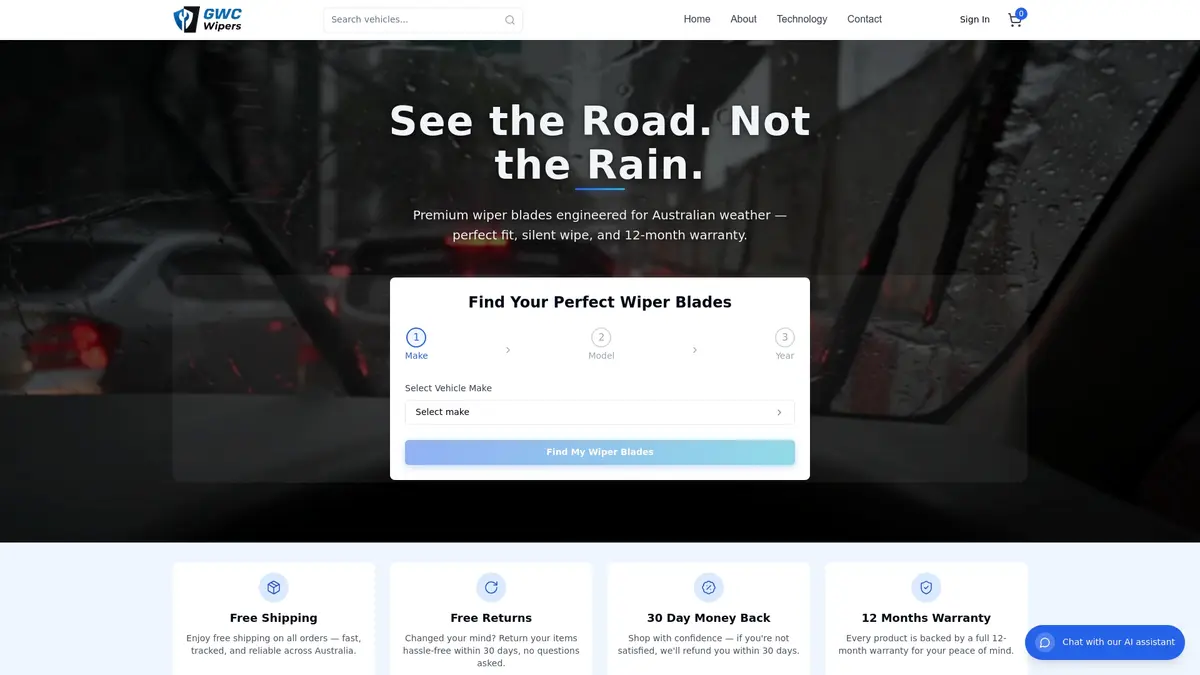
All orders include free shipping across Australia, a 30-day money-back guarantee, and a 12-month warranty. If you drive a Toyota, browse the full range of Toyota wiper blades to find the right fit. Mercedes-Benz owners can find model-specific options including blades for the Mercedes-Benz GLC-Class and the full Mercedes-Benz range. GWC Wipers’ friendly Australian support team is available to help if you are unsure which blade suits your vehicle.
FAQ
How often should I clean my wiper blades?
Clean your wiper blades every 2–4 weeks, or after every car wash. Regular cleaning with mild soap and warm water extends blade life by 30% or more.
Can I use WD-40 on my wiper blades?
No. Petroleum-based products like WD-40 attract dirt and grit, causing faster rubber wear and potential glass damage. Use isopropyl alcohol sparingly for a deeper clean instead.
How do I stop my wipers freezing to the windshield overnight?
Place an old sock or synthetic cover over each blade before parking in cold conditions. This prevents the rubber bonding to the glass and saves significant scraping time in the morning.
When should I replace my wiper blades?
Replace blades every 6–12 months. NAPA recommends a 6-month cycle for drivers in high UV or icy climates. Always replace both blades at the same time for consistent wiping performance.
Are all-season wiper blades suitable for all Australian conditions?
All-season blades handle moderate conditions well but are not the best choice for extreme cold or intense UV environments. DENSO advises selecting blade type based on your specific regional climate for reliable year-round performance.