
Unsafe wiper blades: how to spot them and act fast
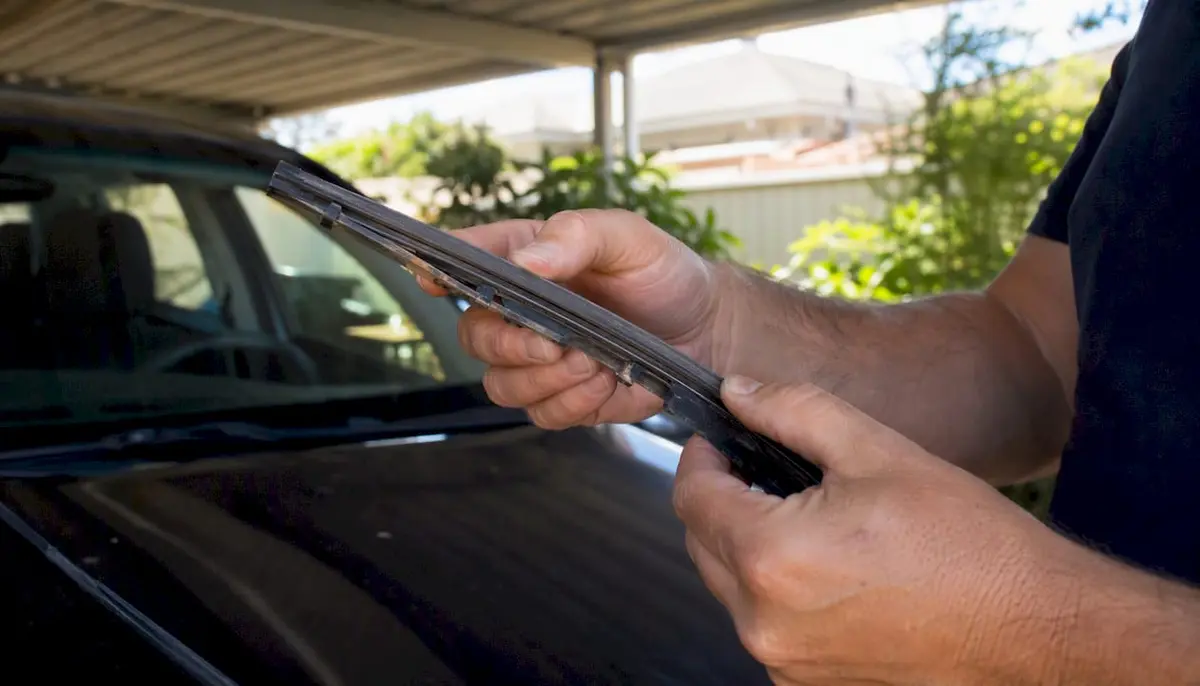
Your wiper blades are showing signs of damaged windshields when you see any of these indicators of unsafe windshields: persistent streaks or smears after each wipe, sections of glass the blade skips entirely, loud squeaking or chattering during operation, visible cracks or splits in the rubber, or exposed metal frame making contact with the glass. Any one of these means your blades are no longer doing their job, and your visibility in rain is compromised.
Here is what each indicator looks like in practice:
- Streaks or smears: A greasy or watery line left behind after the blade passes, often worse on the driver’s side.
- Skipped sections: Dry patches that appear mid-sweep, leaving part of your view uncleared.
- Squeaking or chattering: Audible noise on every pass, from a dry squeak to a rapid juddering rattle.
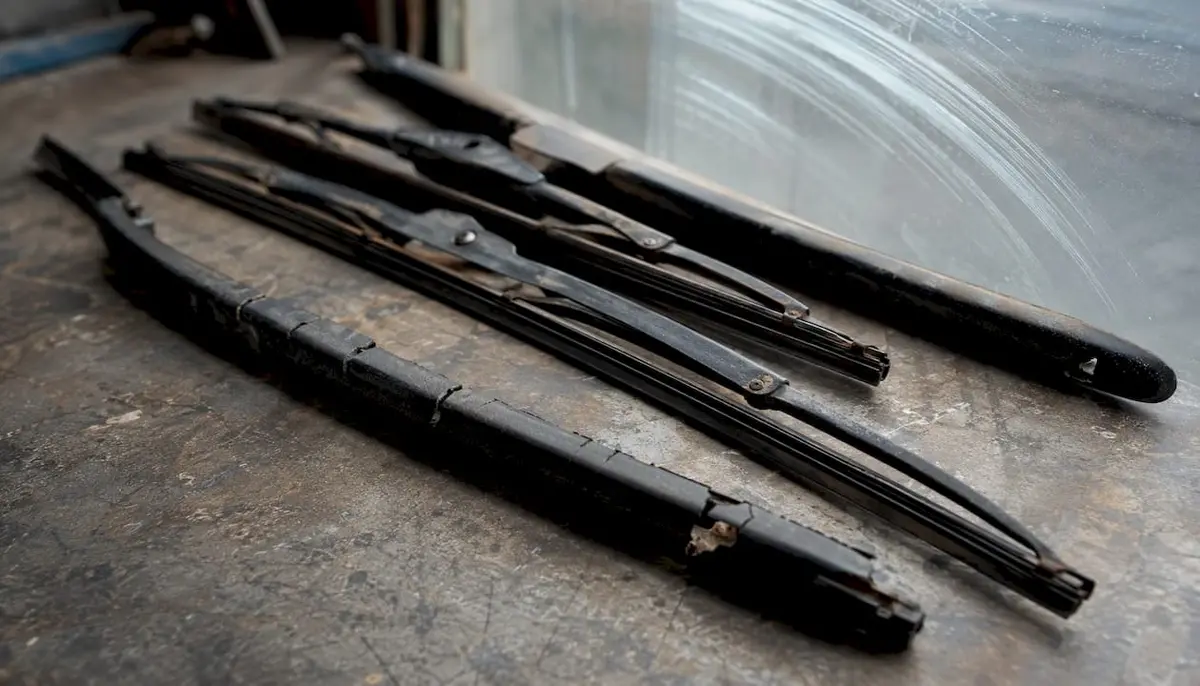
- Cracked or split rubber: Visible splits, flaking, or missing chunks along the blade edge.
- Exposed frame or metal: The rubber has worn so far back that the metal arm or frame contacts the glass directly.
If you spot any of these, do a quick roadside check and replace the blades before your next drive in rain.
Key takeaways
Worn wiper blades are the primary indicators of unsafe windshields for Australian drivers, and replacing them every 6–12 months prevents both visibility loss and permanent glass damage.
| Point | Details |
|---|---|
| Five core indicators | Streaks, skipped sections, squeaking or chattering, cracked rubber, and exposed frame all signal unsafe blades. |
| Replace every 6–12 months | Australian UV, heat cycles, coastal salt, and pollen often require replacement closer to six months. |
| Run the spray test | Washer-fluid spray at low and high speed reliably reveals streaking, skipping, and chatter before rain does. |
| Protect your glass | Frame contact from worn blades causes micro-scratches that permanently increase glare and reduce clarity. |
| GWC Wipers fitment tool | Use the vehicle selector at gwcwipers.com.au to confirm the correct blade for your make, model, and year. |
Table of Contents
- What does a 30-second roadside check involve?
- How to inspect your wiper blades up close
- How does the in-car spray test reveal failure modes?
- Why do worn wiper blades create a genuine safety hazard?
- When should you replace wiper blades in Australian conditions?
- How do you pick the right replacement wiper blade?
- How do you replace wiper blades yourself?
- Why Australian conditions make regular wiper checks non-negotiable
- GWC Wipers: vehicle-fit blades delivered across Australia
- Sources
- FAQ
What does a 30-second roadside check involve?
Pull off the road safely before you start. With the engine off and wipers at rest, work through these checks:
- Visual sweep: Walk to the front of the vehicle and scan both blades for obvious cracks, tears, or missing rubber.
- Tactile check: Run your finger along the full length of the rubber edge. It should feel smooth and flexible, not stiff, brittle, or ragged.
- Spray test: Use your washer fluid button or a small spray bottle to wet the screen, then run the wipers once and watch for streaks, skips, or chatter.
- Listen: Note any squeaking or juddering during that single pass.
- Frame check: Look for any metal or plastic frame sitting proud of the rubber, which signals the rubber has receded.
If two or more of these checks flag a problem, replacement is the right call, not a delay.
Pro Tip: A quick wipe of the blade rubber with a damp cloth can sometimes clear a light film of road grime or pollen and temporarily restore a cleaner wipe. If streaking persists after cleaning, the rubber itself is worn and cleaning will not fix it.
How to inspect your wiper blades up close
A thorough inspection takes about three minutes and confirms what the roadside check suggested.
- Lift the wiper arm carefully. Most arms lock in the raised position. Never let the arm snap back onto a dry screen.
- Run your fingertip along the rubber edge. Feel for splits, hardened sections, or areas where the rubber has pulled away from the backing strip.
- Inspect for cracks and tears. Hold the blade up to the light and look along its length. Visible splits or missing chunks mean the blade cannot make clean contact and needs replacing immediately.
- Check for exposed metal or a bent frame. If the metal frame is visible through the rubber, or the frame looks kinked, the blade will scratch your glass on the next wet drive.
- Check contact across the full sweep. Lower the arm gently onto a wet screen and observe whether the rubber lies flat end-to-end or lifts in the middle or at the tips.
Uneven contact usually means a warped rubber edge or a bent tension strip, both common after prolonged UV exposure.
A short note on local contaminants: gum and tree sap, heavy pollen deposits, and coastal salt residue can all mimic blade failure by creating a film on the rubber. Clean the blade first, then re-test. If the problem persists, the rubber is the issue, not the glass.
How does the in-car spray test reveal failure modes?
A washer-fluid spray test reproduces rain conditions reliably and separates true blade failure from glass contamination. Here is how to run it safely:
- Park off the road with the engine running and hazard lights off.
- Activate the washer fluid to wet the full width of the windscreen.
- Run the wipers at low speed and watch the glass closely for streaks, dry patches, or juddering.
- Switch to high speed and observe whether the blade lifts away from the glass at the top of the arc.
- Note any audible chatter or squeak at either speed.
What each result tells you:
- Continuous streaking at both speeds points to worn or hardened rubber that can no longer conform to the glass.
- Skipped dry patches on every pass indicate a warped edge or a bent frame that prevents even contact.
- Loud chatter or judder signals hardened rubber or a rubber surface that has lost its factory coating through age or heat cycles.
- Blade lifting at speed suggests the aerodynamic profile has failed, usually from a bent or corroded frame.
A failed spray test is a clear signal to replace before your next drive in rain. Driving with blades that fail this test in a downpour reduces your effective visibility significantly.
Why do worn wiper blades create a genuine safety hazard?
Worn blades do more than leave a smear. When rubber degrades and the frame contacts the glass, micro-scratches accumulate on the windscreen and permanently increase glare, particularly at night or in low-angle sun. That kind of damage cannot be wiped away.
The specific risks include:
- Reduced peripheral vision in heavy rain: Uncleared sections at the edges of the sweep leave blind spots exactly where hazards appear first.
- Glare from streaks in low sun: A smeared screen in morning or afternoon light scatters sunlight directly into your eyes, masking pedestrians and cyclists.
- Night-time glare from micro-scratches: Oncoming headlights scatter across scratched glass, creating a halo effect that makes distance judgement harder.
- Delayed hazard detection: Any reduction in clarity extends the time between seeing a hazard and reacting to it, which compounds stopping distance at highway speeds.
Replacing blades on the recommended 6–12 month cycle keeps the glass clear and prevents the kind of surface damage that requires professional polishing or screen replacement to fix.
When should you replace wiper blades in Australian conditions?
The baseline replacement window is every 6–12 months, but Australian conditions often push that closer to six months. Local temperature swings, intense UV, and debris accelerate rubber hardening faster than the manufacturer’s general guidance assumes.
Replace earlier than the 12-month mark if any of these apply:
- The vehicle has been parked outdoors through a long dry summer, particularly in Queensland, Western Australia, or the Northern Territory.
- You park regularly under eucalyptus or other native trees, where sap and pollen coat and degrade the rubber edge.
- The vehicle operates near the coast, where salt air accelerates corrosion of the frame and dries out rubber faster.
- You notice any of the performance indicators above before the 12-month mark.
For fleet operators, the practical approach is to add a wiper check to every 6-month service and to every pre-wet-season inspection. Blades that have sat unused through a dry season are often harder and more brittle than blades that have been used regularly.
GWC Wipers backs its blades with a 12-month warranty and a 30-day money-back guarantee, which gives fleet managers a clear planning horizon for replacement cycles. For tips on reducing wear between replacements, the wiper protection guide covers practical steps suited to Australian conditions.
How do you pick the right replacement wiper blade?
Fitment comes first. A blade that is the correct length and arm type for your vehicle makes full contact across the sweep; a generic blade that is even slightly too long or short leaves uncleared sections from the first use. Use a vehicle-selector tool that matches by make, model, and year before you buy anything.
Beyond fit, these features matter in Australian conditions:
- Natural rubber construction: Stays flexible across a wider temperature range than synthetic compounds and resists UV cracking longer.
- Beam vs conventional frame: Beam blades apply pressure along the full blade length via an internal tension strip, which eliminates the pressure points that conventional frames create and reduces the chance of uneven contact.
- Aerodynamic design: Keeps the blade pressed against the glass at highway speeds, preventing the lifting that causes missed sections.
- Corrosion resistance: Frames exposed to coastal salt or heavy rain need treated or coated steel, or a frameless design, to avoid rust that warps the tension strip.
- Preassembled adapters: Blades that arrive ready to fit your arm type cut installation time and reduce the risk of fitting errors.
- Warranty terms: A 12-month warranty signals the manufacturer stands behind the rubber quality.
Pro Tip: When fitting new blades, do not wipe the rubber edge before the first use. Many quality blades carry a factory graphite coating that ensures quiet, smooth operation from the first wipe. Wiping it off removes that protection permanently.
If you notice windscreen scratches before fitting new blades, it is worth checking whether the glass needs attention first. A partner resource on avoiding windscreen damage covers practical steps to prevent further deterioration.
How do you replace wiper blades yourself?
Replacing wiper blades is a straightforward DIY task for most vehicles. Follow these steps:
- Lift the wiper arm to the raised position and support it so it cannot snap back.
- Locate the release tab on the blade-to-arm connector (hook, pin, or pinch type) and press or slide it to release the old blade.
- Slide the old blade off the arm and set it aside.
- Attach the new blade by aligning the correct preassembled adapter with the arm type and pressing until you hear or feel the clip seat.
- Lower the arm gently onto the screen. Never let it drop from the raised position onto dry glass.
- Run the spray test at both speeds to confirm full contact and no chatter.
Safety cautions worth keeping in mind:
- Always support the arm when the blade is removed. An arm that snaps onto a bare screen can crack the glass.
- Check the clip orientation before pressing the new blade home. A blade seated at the wrong angle will lift or skip immediately.
- Inspect the glass for existing scratches before fitting the new blade. If frame contact has already marked the screen, the scratches will remain even with a perfect new blade.
The GWC Wipers step-by-step installation guide covers arm types and adapter fitting in detail for over 2,500 vehicle models.
Why Australian conditions make regular wiper checks non-negotiable
Australia’s climate is genuinely harder on wiper rubber than most international replacement guides account for. The combination of prolonged UV exposure, extreme heat cycles between summer days and cool nights, heavy pollen loads from native vegetation, and coastal salt air creates a degradation environment that shortens blade life in ways that are not always visible until the first wet drive of the season.
Fleet operators face a particular risk: vehicles that sit parked between jobs or through dry periods arrive at the wet season with blades that look intact but have hardened beyond effective use. A quick spray test before the first rain of the season takes 30 seconds and can prevent a dangerous situation on a busy road.
For private owners, the simplest habit is to check blades every time you check tyre pressure, roughly every 6 months, and to replace them without waiting for a wet-weather failure. The windshield clarity checklist is a useful reference to keep that habit consistent.
GWC Wipers: vehicle-fit blades delivered across Australia
When your inspection confirms it is time to replace, GWC Wipers offers a direct path to the right blade for your vehicle. The vehicle-selector tool matches by make, model, and year across more than 2,500 models, so you get a confirmed fit before you order, not after.
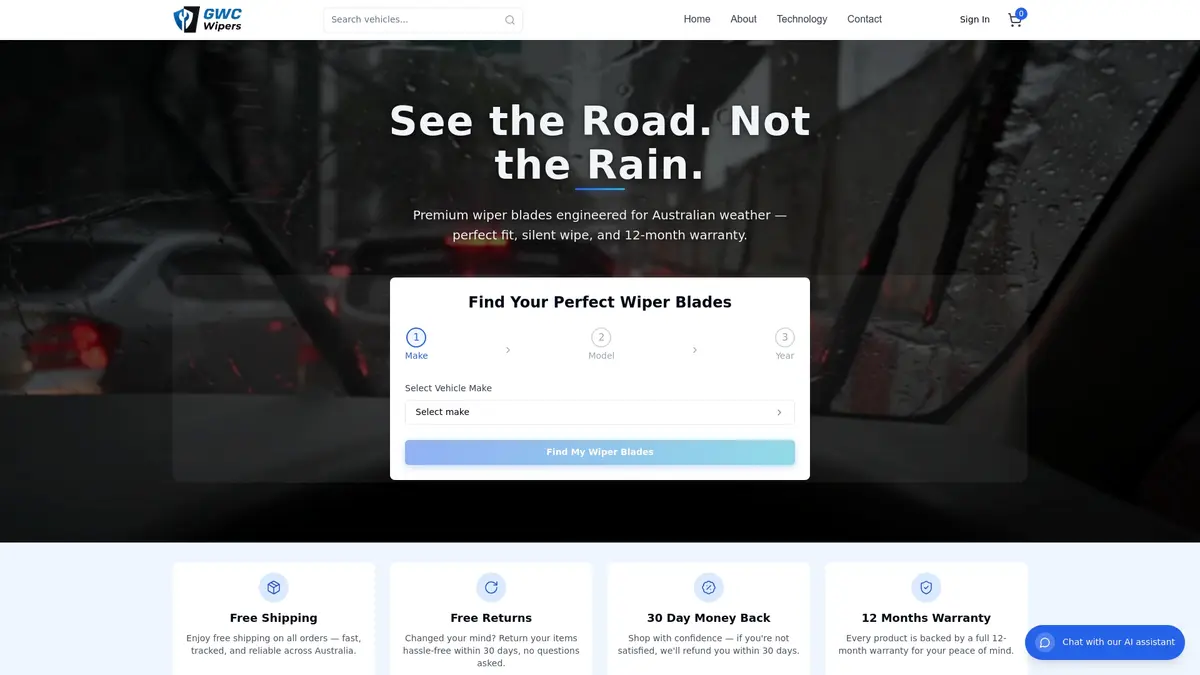
Every blade is built from natural rubber with an aerodynamic design, advanced segmented pressure distribution, and corrosion-resistant construction suited to Australian heat, UV, and coastal conditions. Preassembled adapters mean no guesswork at installation. Backing that up: free shipping Australia-wide, a 30-day money-back guarantee, and a 12-month warranty on every blade.
Whether you drive a Toyota, a Mercedes-Benz, or a Mitsubishi, use the vehicle selector at gwcwipers.com.au to find your exact fit and place your order today.
Sources
- 5 Signs You Need to Replace Your Windscreen Wipers | O’Brien® AutoGlass
- How Long Do Car Wiper Blades Last? Replacement Guide
- Good Wiper Blades Every Driver Needs in QLD Rain
- Change windscreen wipers | RAC
FAQ
What are the main indicators that wiper blades are unsafe?
The five key indicators are persistent streaks or smears, sections of glass the blade skips, audible squeaking or chattering, visible cracks or splits in the rubber, and exposed metal frame contacting the glass. Any one of these warrants immediate replacement.
How often should wiper blades be replaced in Australia?
The standard replacement interval is every 6–12 months, but Australian UV exposure, heat cycles, coastal salt, and heavy pollen loads often mean blades need replacing closer to the six-month mark.

Can worn wiper blades damage the windscreen?
Yes. When rubber wears away and the metal frame contacts the glass, it creates micro-scratches that permanently increase glare and reduce clarity, particularly at night and in low-angle sun.
How do I test my wiper blades without waiting for rain?
Activate your washer fluid to wet the full screen, then run the wipers at low and high speed. Streaking, skipped patches, or audible chatter during this spray test confirms the blades need replacing.
How do I find the right replacement blade for my vehicle?
Use a vehicle-selector tool that matches by make, model, and year. GWC Wipers covers over 2,500 models and ships Australia-wide with a 30-day money-back guarantee and 12-month warranty on every blade.