
How industry standards boost wiper blade safety in 2026
TL;DR:
- Industry standards ensure wiper blades meet performance, safety, and durability benchmarks.
- Properly standardized blades provide clearer visibility and reduce accident risks in harsh Australian conditions.
- Choosing OEM-compliant, standards-tested wipers enhances safety and longevity across diverse climates.
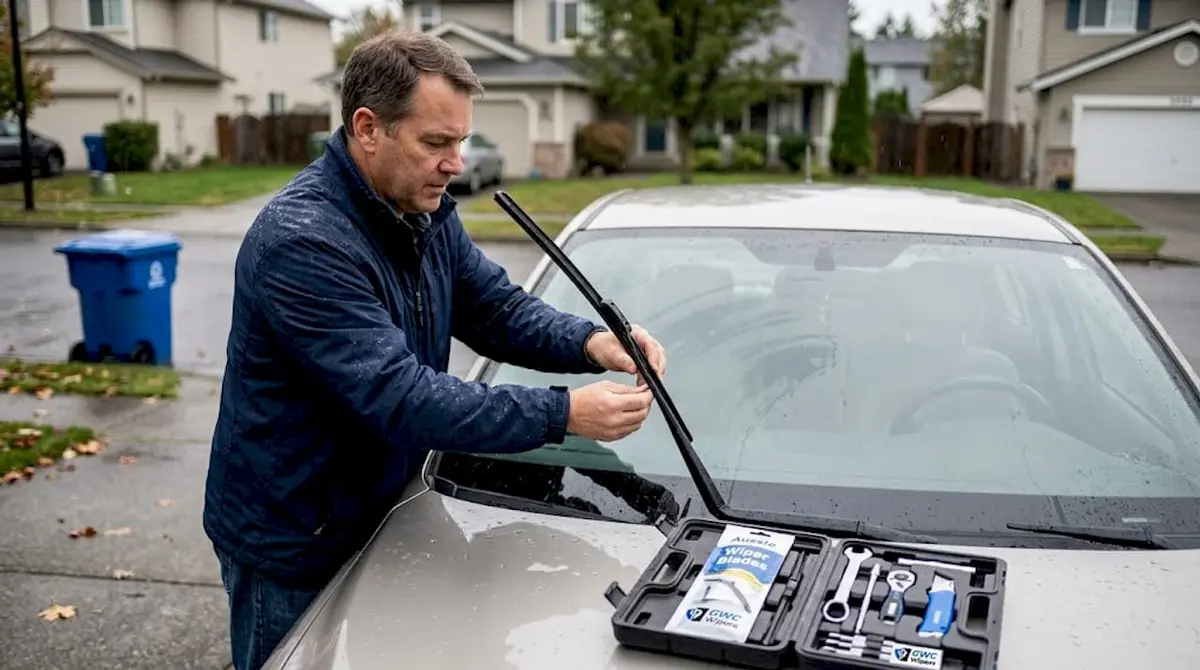
Wiper blades are easy to overlook until the moment they fail you in a downpour on the Pacific Highway or during a blinding summer storm in Queensland. Not all wiper blades are built equal, and the difference between a premium, standards-compliant blade and a cheap importer’s product can mean the gap between a clear view and a dangerous one. Visibility-related accidents account for over 30% of preventable road incidents, and industry standards exist precisely to close that gap. Understanding how those standards work gives you a genuine advantage when choosing wipers for your vehicle.
Table of Contents
- What are industry standards for wiper blades?
- How standards influence wiper blade performance and reliability
- Comparing wiper blade types: How standards shape your choices
- Why OEM standards and fitment matter for Australian drivers
- Why most drivers underestimate the impact of wiper standards
- Find wiper blades that meet and exceed industry standards
- Frequently asked questions
Key Takeaways
| Point | Details |
|---|---|
| Standards save lives | Wiper blade industry standards help prevent visibility-related road accidents by ensuring consistent performance. |
| Australian conditions matter | Blades tested for UV and heat perform better and last longer in Australian weather. |
| Fit is critical | Blades made to OEM standards guarantee the safest and most effective fit for your vehicle. |
| Innovation drives reliability | New materials like silicone and graphene meet and exceed standards for durability and performance. |
What are industry standards for wiper blades?
With the risks made clear, it is important to understand exactly what we mean by ‘industry standards’. In the context of wiper blades, an industry standard is a documented, tested set of minimum performance criteria that every blade sold in a regulated market must meet. These are not suggestions or guidelines. They are benchmarks that manufacturers must satisfy before their products reach your windscreen.
Three key organisations define these benchmarks for Australian drivers. The SAE (Society of Automotive Engineers) publishes the widely referenced SAE J903 standard, which covers everything from minimum wiped area to wiper frequency and material durability. The ADR (Australian Design Rules) are mandatory federal vehicle standards administered by the Department of Infrastructure, and they incorporate SAE-aligned performance requirements. The UN ECE (United Nations Economic Commission for Europe) sets regulations like UN R45 that influence global product compliance, including goods sold here in Australia.
So what do these standards actually check? The core requirements span several performance areas:
- Minimum wiped area: The blade must clear a defined percentage of the windscreen, ensuring your field of vision is genuinely useful.
- Wipe frequency: The blade must operate within a set speed range, measured in cycles per minute, to clear rain effectively.
- Durability: Blades are subjected to hundreds of thousands of wipe cycles to confirm they do not degrade prematurely.
- Material testing: Rubber and silicone compounds are assessed for ozone resistance, UV stability, and performance at temperature extremes.
“Industry standards define minimum performance, safety, and reliability of wiper blades, covering wiped area, frequency, durability, and material quality.”
When you buy a blade that meets these requirements, you benefit from real wiper performance testing protocols that have been refined over decades. This is exactly what separates a reliable wiper from a bargain-bin gamble. Wiper blade quality is not a marketing term when there is a technical standard behind it.
How standards influence wiper blade performance and reliability
Now that you know what standards are, let’s look at the direct impact on wiper performance and reliability in real driving conditions.
One of the most demanding requirements found in standards like SAE J903 is the durability test. Blades must survive 500,000 wipe cycles under load, equivalent to years of regular use, without losing contact pressure or leaving streaks. Ozone and UV exposure tests simulate the punishment that Australian sunlight inflicts on rubber compounds. A blade that passes these tests will not crack, harden, or lose flexibility after a summer sitting under the harsh sun in Western Australia or South Australia.
Here is a step-by-step overview of what a standards-based wiper test actually examines:
- Contact pressure check: Verifies the blade presses evenly across the windscreen arc with no skipping.
- Wipe clarity assessment: Measures what percentage of the wiped area is streak-free after each pass.
- Temperature cycling: Exposes blades to both freezing and high-heat conditions to test compound flexibility.
- UV and ozone ageing: Accelerated weathering tests that predict real-world degradation in sunlight-heavy climates.
- Noise and chatter evaluation: Confirms the blade operates quietly, reducing driver distraction.
- End-of-life wipe quality: Tests whether the blade still performs adequately after the full 500,000-cycle run.
Material innovation is where standards push manufacturers to do better. Silicone compounds, for instance, retain 90% flexibility after UV testing, a result that conventional rubber simply cannot match. This is not incidental. It is a direct outcome of standards that force testing under realistic Australian conditions.
For more on how newer materials and designs are changing the market, see our guide on wiper technology advancements. If you are ready to upgrade, our step-by-step installation guide makes it straightforward to fit your new blades correctly.
Pro Tip: When shopping for replacement wipers, ask whether the product listing specifies compliance with SAE J903 or ADR requirements. If a manufacturer cannot confirm this, that silence tells you something important.
Comparing wiper blade types: How standards shape your choices
The type of wiper blade you choose is guided by these standards, and here is how different designs stack up.
There are three main blade types you will encounter when browsing for replacements:
- Conventional blades use a metal frame with multiple pressure points to hold the rubber element against the glass. They are cost-effective and widely available. Conventional blades currently hold a 43.42% market share in 2026, making them the most common choice globally.
- Beam blades (also called bracketless or frameless blades) use a pre-tensioned, curved piece of material that hugs the windscreen contour without a metal frame. They offer better aerodynamic performance in high-speed driving and are the fastest-growing segment in the market.
- Hybrid blades combine a protective shell with an internal frame, blending the pressure distribution of a beam blade with the structure of a conventional design. They perform strongly in mixed weather conditions like those seen across much of coastal Australia.
| Blade type | Aerodynamic performance | UV and heat resistance | Standards compliance | Best suited for |
|---|---|---|---|---|
| Conventional | Moderate | Moderate | Generally SAE J903 compliant | City driving, budget-conscious buyers |
| Beam | High | High (silicone options) | Fully standards compliant | Highway driving, varied climates |
| Hybrid | High | High | Fully standards compliant | Mixed city and highway, harsh weather |
Graphene composites, an emerging material being incorporated into premium beam and hybrid blades, improve durability by 25 to 30% compared to standard rubber. For Australian drivers who face intense UV, dust, and sudden heavy rain, this is a meaningful performance gain.
Pro Tip: If you are upgrading from a conventional blade, look for beam or hybrid options that specify silicone or graphene-enhanced rubber. The performance difference in a sudden summer storm is immediately noticeable.
For a detailed breakdown of which type suits your driving habits, our guide on wiper blade types for Australian drivers covers each option in practical detail.
Why OEM standards and fitment matter for Australian drivers
Design and build quality are crucial, but fitting the right blade matters just as much.
OEM (Original Equipment Manufacturer) standards refer to the specifications set by your vehicle’s manufacturer for every component fitted at the factory, including wiper blades. When a wiper blade meets OEM standards, it is engineered to match your windscreen’s curvature, arm attachment type, and required contact pressure. OEM standards guarantee exact vehicle fit, which directly affects how well the blade clears your windscreen and how long it lasts.
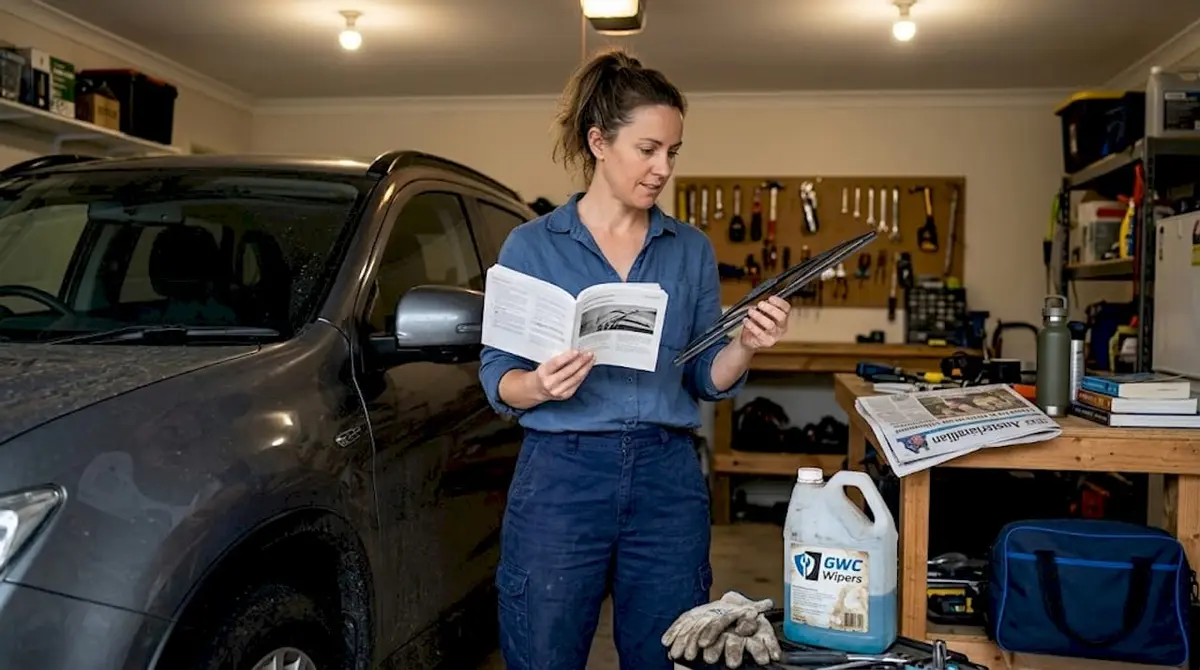
A generic blade that does not conform to OEM fitment specifications may seem fine at first glance. In practice, poor fitment causes uneven contact pressure, leading to streaking, skipping, and premature wear on the rubber compound. In wet conditions, this can reduce your visibility significantly at the moments you need it most.
| Fitment type | Contact pressure | Wipe clarity | Blade lifespan | Safety outcome |
|---|---|---|---|---|
| OEM or OEM-compliant | Even and consistent | Streak-free | Up to 12 months or more | High visibility, lower risk |
| Generic or ill-fitting | Uneven, pressure gaps | Streaking and skipping | Often 3 to 6 months | Reduced visibility, higher risk |
Here are the key reasons to choose OEM or OEM-compliant aftermarket blades:
- They seat correctly on your vehicle’s wiper arm without adapters that can loosen over time.
- They maintain the designed contact pressure across the full arc of the windscreen.
- They are less likely to lift at highway speeds due to correct aerodynamic profiling.
- They are sized to match your vehicle’s specific driver and passenger arm lengths.
Our detailed guide on OEM-fit wiper blades explains how to confirm fitment for your specific make and model before you buy.
Why most drivers underestimate the impact of wiper standards
Most Australian drivers only think about their wipers when something goes wrong. That is completely understandable because when standards work, they are invisible. The blade clears the rain, you see the road, and you never have cause to question the engineering behind it.
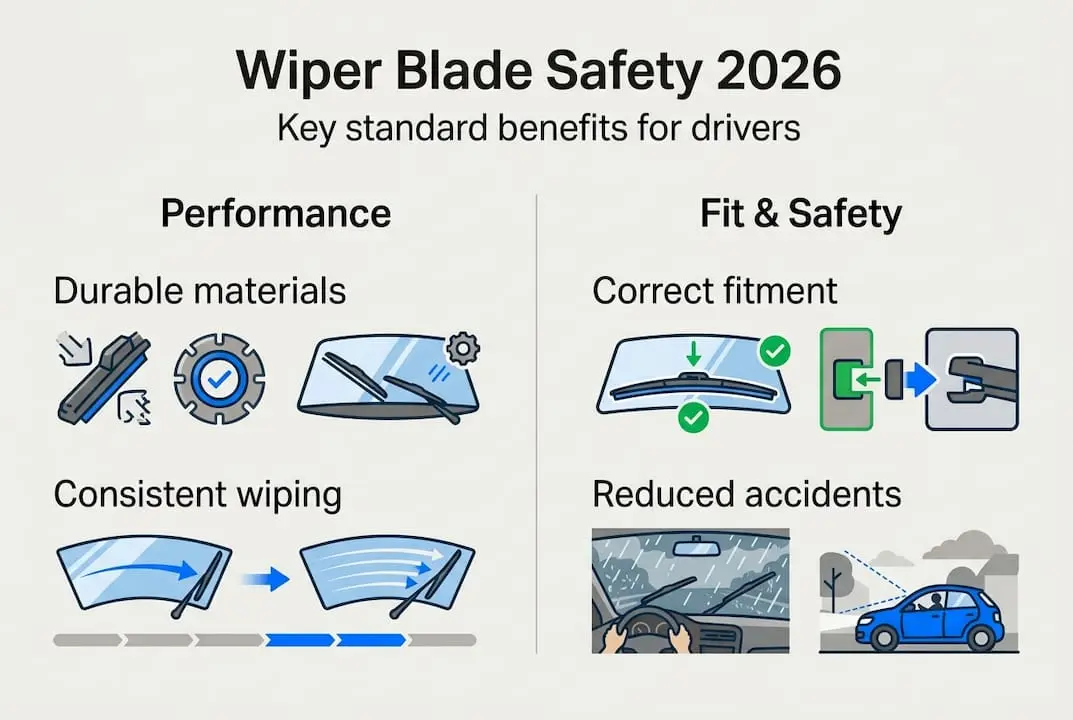
But here is the perspective worth sitting with: the Australian climate is one of the most demanding environments for wiper blades in the world. Intense UV radiation, sudden tropical downpours, red dust storms, and alpine cold can all occur across different parts of the country. Standards are not designed for average conditions. They exist precisely to cover the edge cases that catch drivers off guard.
Global regulations like EU GSR2 and UN R45 raise the minimum bar for every product that enters the Australian market. This means that when you choose a blade from a reputable supplier, you are benefiting from international safety consensus, not just local guidelines.
Choosing blades that exceed minimum standards, rather than merely meeting them, gives you an extra margin of confidence. In a climate as variable as ours, that extra margin is not a luxury. It is the smart, safety-conscious decision. Learn more about how blade quality and safety connect in our dedicated guide.
Find wiper blades that meet and exceed industry standards
Armed with this knowledge, you can now confidently select the right wipers for your vehicle, blades that are tested, compliant, and built for the conditions you actually drive in.
At GWC Wipers, every blade in our range is selected for compliance with SAE J903 and OEM fitment standards, with options in silicone and advanced materials suited to Australian weather. Our vehicle selector tool makes it simple to find the exact blade for your make and model. Whether you drive a Mercedes-Benz or a Toyota, we have a standards-compliant, performance-tested option ready to ship free across Australia, backed by our 30-day money-back guarantee and 12-month warranty.
Frequently asked questions
What is the main standard used for wiper blades in Australia?
The main standard is SAE J903, which sets minimum requirements for wiped area, wipe frequency, and durability testing. The Australian Design Rules reference aligned performance criteria for vehicles sold locally.
Why do some wiper blades last longer in Australian conditions?
Blades made from UV and heat-resistant materials like silicone retain 90% flexibility after UV testing, unlike conventional rubber which can crack and harden under intense Australian sunlight. Graphene-enhanced compounds add further durability in harsh climates.
How do I know if my replacement wipers follow industry standards?
Check whether the manufacturer lists compliance with SAE J903, ADR requirements, or UN ECE regulations, and confirm that OEM fitment is specified for your vehicle’s make, model, and year.
Do industry standards really reduce accident risk?
Yes. International research confirms that proper wiper standards help prevent over 30% of visibility-related road accidents by ensuring blades perform reliably in the conditions drivers actually face.