
What causes wiper blade noise: a 2026 guide

TL;DR:
- Wiper blade noise mostly results from friction caused by residue films, dry surfaces, or worn rubber at the glass interface. Proper cleaning of both the windscreen and blade rubber often resolves noise issues before blade replacement becomes necessary. Regular maintenance, including cleaning and ensuring proper lubrication, can extend blade life and eliminate squeaks without unnecessary costs.
Wiper blade noise is defined as the friction sound produced when rubber blades drag, skip, or chatter across a windshield due to residue build-up, insufficient lubrication, or deteriorated rubber. Most Australian drivers assume the noise means they need new blades, but that assumption is often wrong and expensive. Environmental film build-up on both the glass and blade rubber is a frequent cause of excessive noise and chatter, and a proper clean often resolves it completely. Understanding what causes wiper blade noise puts you in control of the fix before you spend a cent on replacements.
What causes wiper blade noise on your windscreen?
Wiper blade noise originates at the rubber-to-glass interface. When that contact surface is disrupted by residue, dryness, or physical blade damage, the rubber stops gliding and starts dragging. The result is a squeak, chatter, or skipping sound that worsens with each wipe cycle. Wiper noise typically arises from friction at this rubber-glass interface caused by build-up and lubrication factors, not necessarily blade failure.

Three primary causes account for the vast majority of wiper noise complaints in Australian conditions. First, invisible films of road oil, pollen, wax, and car-wash residue bond to the glass and create drag. Second, insufficient lubrication from low washer fluid or clogged nozzles forces the rubber across a dry surface. Third, worn or hardened rubber loses its flexibility and can no longer maintain even contact with the glass. Each cause produces a slightly different sound and responds to a different fix.
How environmental films and residue cause wiper noise
Your windscreen may look spotless, but a thin invisible film can still be present, increasing friction and producing squeaks with every wipe. This film forms from road oils, exhaust particles, pollen, wax from car-wash products, and silicone-based tyre dressings that mist onto the glass. In Australian conditions, where UV exposure is intense and temperatures regularly exceed 35°C, heat bakes this residue onto the glass surface, making it far more stubborn than a standard wash can remove.

Standard car washing with soap and water rarely breaks down this bonded film. The residue sits in a thin layer that feels smooth to the touch but creates measurable drag under the wiper blade. Over time, the film transfers onto the blade rubber itself, compounding the friction problem. Repeated cleaning cycles are sometimes needed to fully remove baked-on residue, a cause that most drivers underestimate.
The most effective cleaning approach targets both the glass and the blade rubber separately. For the glass, use a dedicated automotive glass cleaner or isopropyl alcohol on a microfibre cloth, working in circular motions to lift the bonded film. For the blade rubber, wipe along the length of the blade with a damp cloth or a rubber-specific cleaner to remove transferred residue.
Common residue sources that cause wiper noise include:
- Road oils and exhaust deposits that mist onto the windscreen during driving
- Pollen and organic matter that bonds to glass in warm, humid conditions
- Wax and silicone from car-wash products and tyre dressings
- Mineral deposits from hard tap water used during washing
Pro Tip: After washing your car, run a clean microfibre cloth across the windscreen. If it drags or squeaks, residue film is present and needs a dedicated glass cleaner before you blame the blades.
Does washer fluid affect wiper squeaking?
Lubrication is the most overlooked variable in wiper noise. Running wipers on dry glass or in light rain increases friction noise because the rubber has no fluid layer to glide on. Light drizzle is often the worst scenario because it provides just enough moisture to activate the wipers but not enough to properly wet the glass surface.
Low washer fluid is the simplest lubrication problem to fix, but clogged or misdirected nozzles are a less obvious culprit. Clogged washer nozzles reduce lubrication and cause increased friction noise even when the reservoir is full. Nozzles can become blocked by mineral deposits from hard water or debris, and they can shift direction over time so fluid misses the wiper sweep zone entirely.
Follow these steps to troubleshoot lubrication-related wiper noise:
- Check the washer fluid reservoir and top it up with a quality automotive washer fluid, not plain water, which lacks the surfactants needed to break down road film.
- Activate the washers and observe where the spray lands. It should cover the full wiper sweep area on both driver and passenger sides.
- Use a fine pin or nozzle-clearing tool to unblock any clogged jets, then re-test spray direction.
- If noise disappears immediately after applying washer fluid but returns as the glass dries, the cause is lubrication rather than blade wear.
Pro Tip: A quick diagnostic test: spray washer fluid and listen. If the squeak stops for a few wipes then returns, your problem is lubrication, not the blade itself. This single observation can save you the cost of an unnecessary replacement.
Why worn or misaligned blades cause chatter and skipping
Worn or hardened rubber blades chatter or skip rather than glide smoothly, producing a distinctive rhythmic noise across the windscreen. Rubber deteriorates through UV exposure, ozone, heat cycling, and simple age. In Australian summers, UV degradation accelerates significantly compared to cooler climates, meaning blades can harden and crack within 12 months in high-exposure regions.
Incorrect wiper arm tension is a separate but related cause. When the arm spring weakens or the blade is incorrectly installed, contact pressure becomes uneven across the blade length. The sections with insufficient pressure lift off the glass and skip, while sections with too much pressure drag and squeak. Adjusting arm tension or correcting the installation often resolves this without any blade replacement.
The table below compares the noise types and likely causes to help you diagnose your specific problem:
| Noise type | Likely cause | First action |
|---|---|---|
| Continuous squeak | Residue film or dry glass | Clean glass and blade rubber |
| Rhythmic chattering | Worn or hardened rubber | Inspect blade for cracks and stiffness |
| Skipping or hopping | Incorrect arm tension or misalignment | Check installation and arm spring |
| Streaking with noise | Blade edge damage or debris | Wipe blade edge, replace if torn |
Signs that blade wear is the actual cause of your wiper noise include:
- Visible cracks or tears along the rubber edge
- Stiffness when you flex the blade by hand
- Uneven or ragged wiping edges that leave streaks
- Blades that have been in service for more than 12 months in Australian conditions
For a deeper look at how noise reduction in wipers works at a design level, the blade material and contact geometry both play a significant role in long-term quiet performance.
Should you clean first before replacing wiper blades?
The most common and costly mistake Australian drivers make is replacing blades that only needed cleaning. Stellantis TSB 23-005-26 explicitly states that blades are often replaced unnecessarily when cleaning alone removes the noise. This technical service bulletin, covering 2023 to 2026 model year vehicles, instructs technicians to verify that cleaning eliminates noise before recommending any replacement. That is OEM-level guidance telling you to clean first.
“Verify cleaning effectiveness before blade replacement and use only OEM parts for warranty compliance.” — Stellantis TSB 23-005-26
Invisible residue is routinely misidentified as blade wear because the glass looks clean to the naked eye. Drivers feel the squeak, assume the rubber is worn, and buy new blades. The new blades then pick up the same residue film within days and squeak again. The underlying cause was never addressed. Cleaning the glass properly before fitting any new blade is not optional. It is the step that determines whether the replacement will actually work.
Repeated cleaning may be necessary when residue has been baking onto the glass through multiple Australian summers. One clean may reduce noise without eliminating it entirely. A second or third cleaning session with a stronger glass cleaner or clay bar treatment will progressively remove the remaining film. Cleaning both the windshield and blade rubber regularly prevents the accumulation that leads to dragging and squeaking in the first place.
Pro Tip: Before buying replacement blades, spend five minutes cleaning your windscreen with isopropyl alcohol and wiping down the blade rubber with a damp cloth. Test the wipers. In many cases, the noise is gone before you reach the checkout.
Key takeaways
Wiper blade noise is caused by friction at the rubber-glass interface, and cleaning the windscreen and blade rubber resolves the majority of cases before any replacement is needed.
| Point | Details |
|---|---|
| Residue film is the top cause | Invisible oils, pollen, and wax bond to glass and create drag that produces squeaking. |
| Lubrication matters | Running wipers on dry glass or with clogged nozzles increases friction noise significantly. |
| Worn rubber causes chatter | Hardened or cracked blades skip across the glass rather than glide, producing rhythmic noise. |
| Clean before you replace | Stellantis TSB 23-005-26 confirms cleaning often eliminates noise that drivers attribute to worn blades. |
| Arm tension affects noise | Misaligned or low-tension wiper arms create uneven pressure that causes skipping and squeaking. |
My take on diagnosing wiper noise the right way
Most drivers I speak with have already bought replacement blades by the time they start asking questions about wiper noise. That frustrates me, because the diagnosis is straightforward if you follow a logical sequence. The first question is always: when does the noise occur? If it happens on a dry screen or in light drizzle and stops after applying washer fluid, the cause is lubrication. If it persists regardless of fluid, you are dealing with residue, worn rubber, or a tension issue.
I have seen brand-new premium blades squeak within a week of installation on a windscreen that was never properly cleaned. The residue film was still there, and the new rubber picked it up immediately. That experience reinforced something I now consider non-negotiable: clean the glass thoroughly before fitting any blade, new or old. A clay bar treatment on heavily contaminated glass makes a noticeable difference that a standard wash never achieves.
The other thing I would push back on is the assumption that any noise means the blades are finished. Rubber quality and wiper blade coatings have improved considerably, and a well-maintained premium blade in Australian conditions should last well beyond 12 months. Regular washer fluid checks, nozzle maintenance, and a monthly wipe-down of the blade rubber will extend that life further. Noise is a symptom. Treat the cause, not just the symptom.
— Faisal
Find the right wiper blades for your vehicle
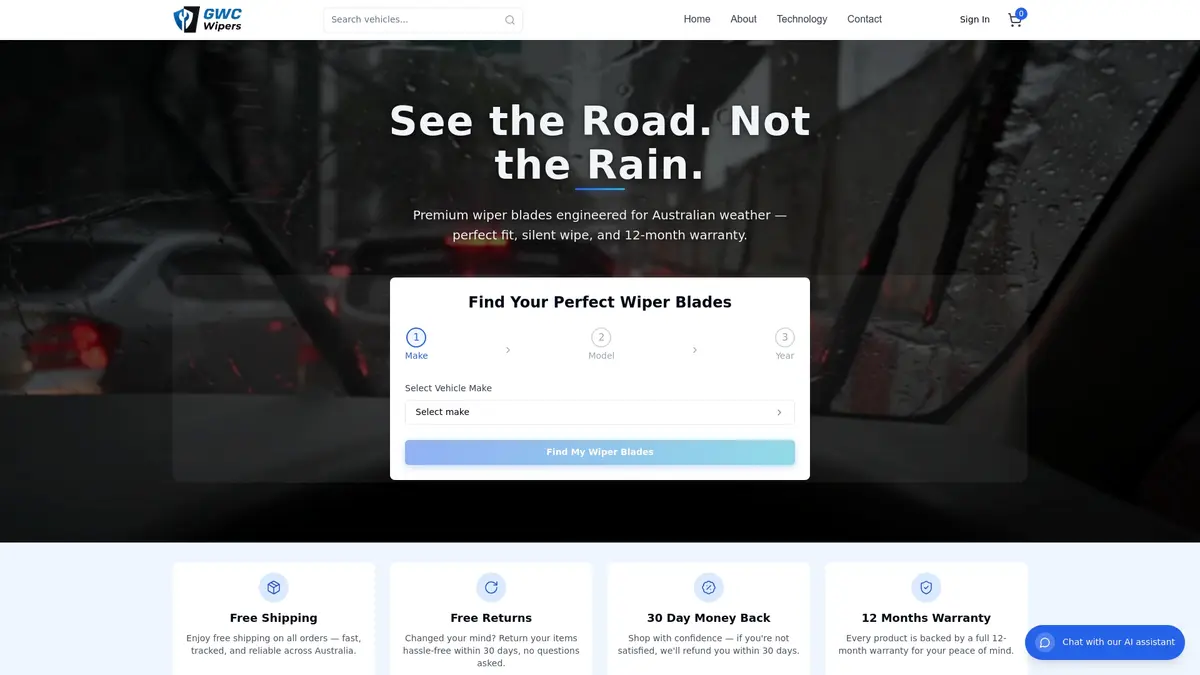
If cleaning has not resolved your wiper noise, or your blades show clear signs of wear, GWC Wipers stocks premium replacement blades designed specifically for Australian conditions, including UV-resistant rubber and aerodynamic designs that maintain consistent contact pressure at highway speeds. The vehicle selector tool on the GWC Wipers website matches blades to your exact make, model, and year so you get a perfect fit every time. Drivers of European vehicles can find Alfa Romeo Giulietta wiper blades and Mercedes-Benz GLE-Class blades with free shipping across Australia and a 12-month warranty included. Getting the right blade for your vehicle is one of the most reliable wiper blade noise solutions available.
FAQ
What is the most common cause of wiper blade noise?
The most common cause is an invisible residue film on the windscreen formed by road oils, pollen, and wax that increases friction under the blade. Cleaning both the glass and blade rubber removes this film and eliminates the noise in most cases.
Why do my wipers squeak in light rain but not heavy rain?
Light rain provides insufficient lubrication for the blade to glide smoothly, while heavy rain fully wets the glass and reduces friction. Noise worsens during light rain due to intermittent lubrication, which is a common scenario that points to a lubrication rather than a blade-wear problem.
Can I fix wiper chatter without replacing the blades?
Yes. Wiper chatter caused by residue or incorrect arm tension can often be resolved by cleaning the glass and blade rubber, then checking the wiper arm for proper alignment and spring tension. Adjusting arm tension restores even contact pressure and eliminates skipping without any replacement needed.
How do I know if my wiper blades actually need replacing?
Replace blades when you see visible cracks, tears, or fraying along the rubber edge, or when the rubber feels stiff and inflexible. If the blade has been in service for more than 12 months in Australian UV conditions and cleaning no longer reduces noise, replacement is the right call.
Does washer fluid type affect wiper noise?
Yes. Plain water lacks the surfactants needed to break down road film, so it provides less lubrication than a quality automotive washer fluid. Using the correct washer fluid reduces friction at the glass surface and is one of the simplest wiper blade noise solutions available to any driver.