
How wiper blade coatings boost visibility and performance
TL;DR:
- Wiper blade coatings reduce friction, smearing, and judder for clearer visibility.
- Ceramic-coated blades last longer and perform reliably in Australia’s extreme weather conditions.
- Proper maintenance and choosing the right coating enhance wiper performance and lifespan.
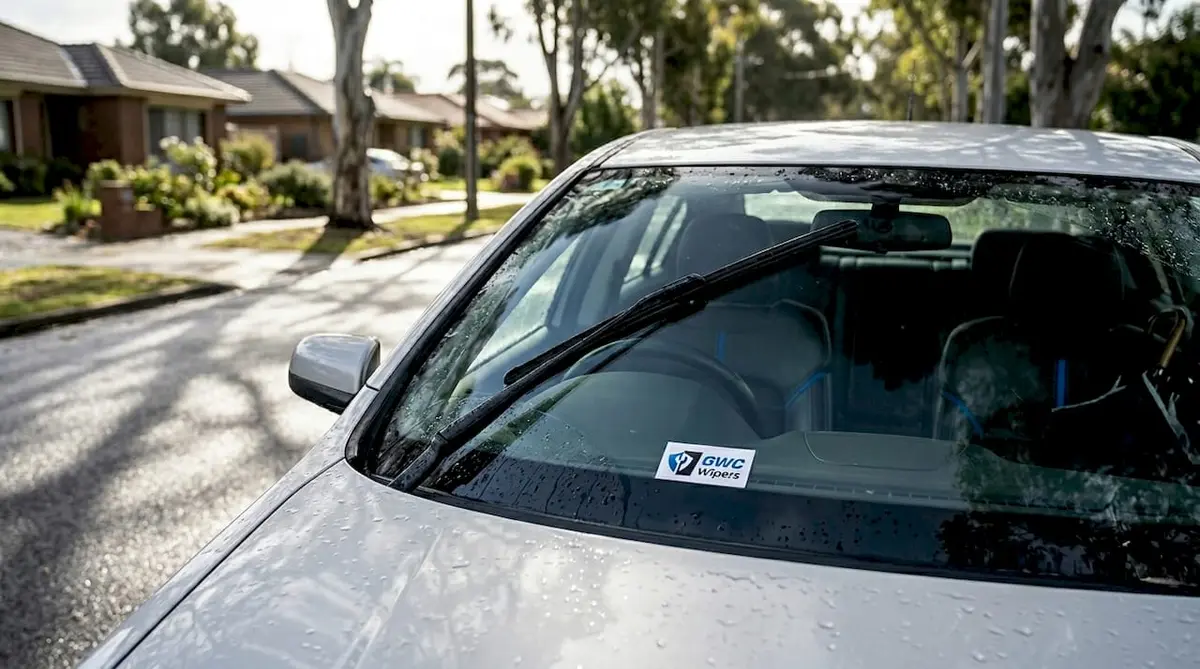
You’ve fitted quality wiper blades, yet the moment a summer storm hits or the morning sun glares off a dusty windscreen, you’re still squinting through smears and streaks. The blades look fine. So what’s going wrong? The answer, more often than not, lies in the coating. Most Australian drivers focus on blade material when shopping for wipers, but it’s the coating that determines how smoothly rubber or silicone contacts glass, how well it resists UV degradation, and whether it clears water in one clean sweep. This guide breaks down exactly how wiper blade coatings work, what the test data says, and how you can protect your investment for the long haul.
Table of Contents
- What are wiper blade coatings and why do they matter?
- How coatings help prevent smearing and judder for clear visibility
- Evidence from cycle and temperature tests for coated blades in car use
- Best practices to keep coated blades in optimal condition for automotive use
- Why coatings, not just blade material, make the real difference in Australia
- Upgrade your wipers for true all-weather performance
- Frequently asked questions
Key Takeaways
| Point | Details |
|---|---|
| Coatings matter most | Wiper blade coatings, not just blade materials, are key for lasting clarity and smooth operation. |
| Prevents smearing | Well-chosen coatings dramatically reduce streaks and skipping, even in unpredictable Australian weather. |
| Proven durability | Ceramic-silicone coatings can deliver three times the lifespan of standard blades and withstand harsh climates. |
| Simple upkeep helps | Regular cleaning and gentle use keep coated blades performing like new for longer. |
What are wiper blade coatings and why do they matter?
A wiper blade coating is a thin layer of material applied to the wiping edge or body of the blade. It sits between the rubber or silicone compound and your windscreen, and its job is to manage friction, repel contaminants, and protect the blade from environmental wear. Think of it as the interface layer that determines the quality of every single wipe.
Modern coatings come in several main types, each with its own strengths:
- Silicone coatings: Applied to the blade edge, silicone coatings condition the glass over time, creating a mild water-repelling effect. They are flexible across a wide temperature range and resist UV exposure well.
- Ceramic coatings: Bonded to silicone blades, ceramic coatings minimise friction, boost longevity, and protect across extreme temperatures. They are increasingly popular for premium automotive applications.
- PTFE (polytetrafluoroethylene) coatings: Often called Teflon coatings, PTFE creates an exceptionally slippery surface that reduces drag on the glass. It’s common in mid-range wipers and delivers noticeably quieter operation.
- Graphite coatings: One of the older technologies, graphite is applied to natural rubber blades to reduce initial friction and prevent squeaking. It’s reliable but less durable than silicone or ceramic alternatives.
For Australian drivers, the choice of coating matters beyond simple preference. Our climate swings from intense UV in Queensland summers to freezing overnight temperatures in alpine Victoria and New South Wales. Ozone levels in Australian cities can also accelerate rubber degradation faster than many overseas markets account for. A coating that manages UV exposure and ozone attack is not a luxury here; it’s a practical necessity.
Coatings are best understood as friction managers. They don’t just sit on the surface for appearance. They actively reduce the resistance between blade and glass, which means less judder, quieter operation, and a cleaner wipe every time. Poor wiper blade quality often comes down to inadequate or degraded coatings rather than the base material failing outright.
Pro Tip: If your wipers are squeaking on a clean, wet windscreen, the coating is likely worn or contaminated. A simple wipe of the blade edge with isopropyl alcohol can temporarily restore performance, but replacement is the proper fix.
How coatings help prevent smearing and judder for clear visibility
Smearing and judder are the two most common complaints from Australian drivers, and both trace back to friction. When a wiper blade drags across glass instead of gliding, it deposits uneven pressure along the wipe arc. That uneven pressure creates streaks. When the blade skips or bounces rather than maintaining contact, you get judder, that irritating chattering sound and broken wipe pattern that leaves half the screen uncleared.
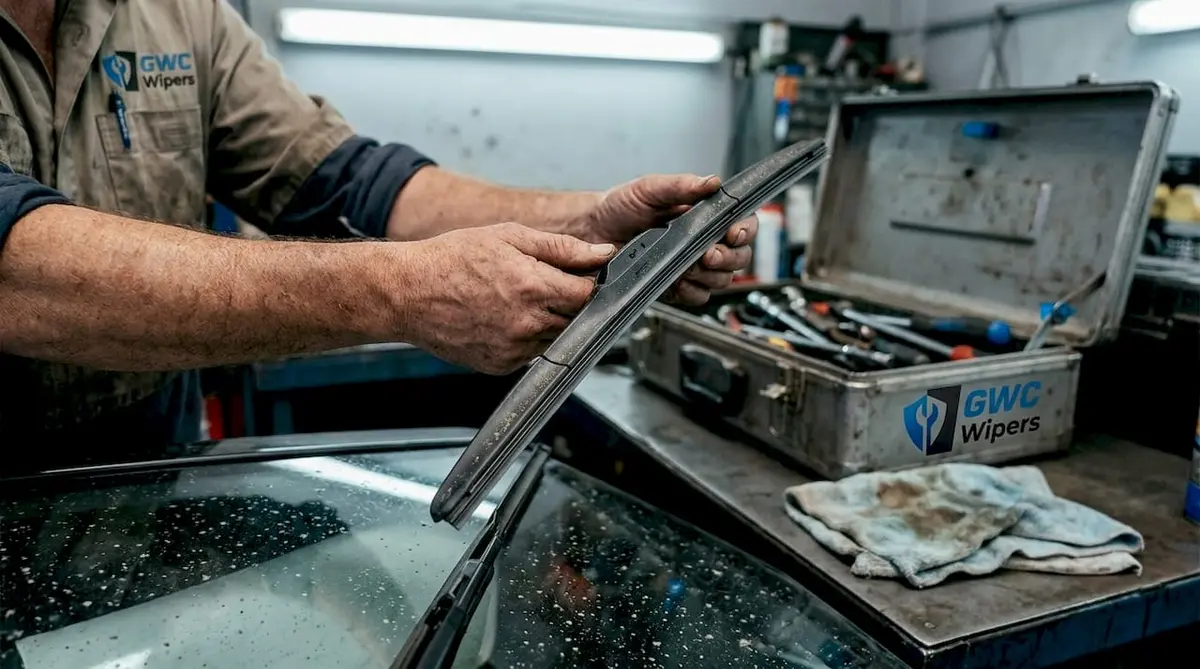
Coatings solve both problems by creating a consistent, low-friction interface between blade and glass. With friction reduced, the blade maintains even contact across the full sweep, clearing water in a single pass without bouncing.
Here’s what typically causes streaks and judder in Australian conditions:
- Degraded coatings from prolonged UV or ozone exposure, leaving the blade edge rough and uneven
- Road dust and grime deposits that build up on the blade, increasing drag and causing skip
- Dried tree sap or insect residue on the windscreen that catches the blade edge mid-wipe
- Incorrect blade tension combined with a worn coating, amplifying bounce on curved glass
There is one important edge case worth knowing. If your windscreen has been treated with a ceramic coating product, that surface needs to be properly cured and polished to a smooth finish. A ceramic windshield coating that hasn’t been finished correctly can actually cause wiper smearing, because the blade catches on microscopic surface irregularities rather than gliding over them. If you’ve recently had your windscreen coated and smearing has started, the glass surface itself may need attention before you blame the blades.
Clear visibility in Australian weather isn’t just about having good blades. It’s about the complete system: coated blades working on a clean, smooth windscreen.
Australia’s combination of heavy rain events, red dust from inland roads, and salt air in coastal areas means wiper blades face more varied contamination than in many other countries. Keeping up with a visibility checklist for Aussie weather and committing to regular wiper replacement are the two most practical steps you can take to keep smearing and judder under control.
Evidence from cycle and temperature tests for coated blades in car use
It’s one thing to talk about coatings in theory. It’s another to look at what standardised testing actually shows about how they perform under real-world stress.
Wiper blades are tested using automated cycle machines that replicate the back-and-forth sweep of a wiper arm across a glass surface. These tests run continuously, measuring when the blade begins to streak, skip, or lose contact integrity. Temperature chambers add another layer of challenge, exposing blades to extreme heat and cold to simulate the full range of Australian and global driving conditions.
The results for ceramic-coated silicone blades are striking. Tested to 1.5 million cycles, these blades operate reliably from below freezing to over 65 degrees Celsius, covering the full spectrum from alpine winters to outback summers. Standard rubber blades with basic graphite coatings typically begin to degrade noticeably between 400,000 and 600,000 cycles, showing increased streaking and edge cracking well before ceramic-coated alternatives.
| Blade type | Estimated cycle life | Operating temperature range | Common failure mode |
|---|---|---|---|
| Standard rubber with graphite | 400,000 to 600,000 cycles | 0°C to 60°C | Edge cracking, streaking |
| Silicone with PTFE | 800,000 to 1,000,000 cycles | -10°C to 70°C | Coating wear, minor judder |
| Ceramic-coated silicone | Up to 1,500,000 cycles | -34°C to 70°C+ | Minimal under normal use |
For Australian drivers, the temperature range data is particularly relevant. Parked cars in Darwin or Western Australia can see interior temperatures exceeding 70 degrees Celsius on hot days, and the windscreen and blade surface absorb significant radiant heat. Blades that soften or deform under this heat will lose their precise wiping edge, leading to streaks the next time rain falls.
The longevity advantage is real. Premium coated blades can last up to three times longer than standard alternatives, which means fewer replacements, less waste, and more consistent visibility across the seasons. Understanding how weather affects wiper durability helps you choose the right blade for your specific region, and reviewing a wiper blade testing guide gives you a clear framework for evaluating any product claim you encounter.

Best practices to keep coated blades in optimal condition for automotive use
Even the best-coated blade will underperform if it’s not maintained properly. The good news is that caring for coated wiper blades is straightforward and takes only a few minutes each month.
Here is a simple routine to follow:
- Clean the blade edge monthly. Use a soft cloth dampened with isopropyl alcohol and wipe along the full length of the blade. This removes accumulated dust, grime, and insect residue that cause drag and streaking.
- Inspect the blade for damage. Look for cracks, tears, or areas where the coating appears worn or discoloured. A blade that looks damaged on close inspection will perform poorly regardless of how new it is.
- Clean your windscreen before inspecting blade performance. A dirty windscreen will make even a perfect blade look like it’s streaking. Use a quality glass cleaner and a microfibre cloth before assessing wiper performance.
- Lift blades away from the glass when parked in direct sun. This reduces heat transfer to the blade edge and prevents the rubber or silicone from bonding to hot glass.
- Replace blades on schedule. Most coated blades perform best when replaced every 12 months in Australian conditions, or sooner if you notice any degradation in performance.
One of the less obvious benefits of low-friction coatings is that they also protect your wiper motor. Low-friction coatings reduce strain on the wiper motor, extending the durability of the entire system. A blade that drags creates resistance that the motor must work harder to overcome, accelerating wear over time.
Pro Tip: Never use petroleum-based cleaners or harsh solvents on coated blades. These strip the coating rapidly and can cause the rubber or silicone to swell and distort. Stick to isopropyl alcohol or purpose-made wiper blade cleaning products.
For squeaking that persists after cleaning, check whether the wiper arm tension is correct. An arm that presses too lightly won’t maintain contact across the full sweep, while one pressing too hard accelerates coating wear. If you’re unsure about the installation process, a detailed guide on installing wiper blades walks you through every step clearly.
Why coatings, not just blade material, make the real difference in Australia
Here’s a perspective most drivers don’t hear: the wiper blade industry spends considerable effort marketing material upgrades, silicone versus rubber, beam versus conventional, and those distinctions do matter. But the single biggest leap in real-world performance usually comes from the coating, not the base compound.
We’ve seen drivers upgrade from standard rubber to premium silicone and report only marginal improvement, then switch to a ceramic-coated silicone blade and notice an immediate, dramatic difference in clarity and quietness. The silicone base was already good. The coating was what unlocked consistent, reliable performance across changing seasons.
Australia’s weather doesn’t follow a script. You can drive through a dust storm in the morning and a tropical downpour in the afternoon. Coatings are what allow a blade to adapt to those conditions without losing performance. Material alone can’t solve the friction problem that heat, UV, and contamination create over time.
Focusing on true wiper quality means looking at the full picture: base material, coating type, and how well both are suited to your local conditions. Drivers who understand this consistently get more from their blades and spend less time replacing them.
Upgrade your wipers for true all-weather performance
If this article has clarified one thing, it’s that the coating on your wiper blade is doing more work than you probably realised. Choosing a blade with the right coating for Australian conditions is one of the simplest, most cost-effective upgrades you can make for year-round visibility and safety.
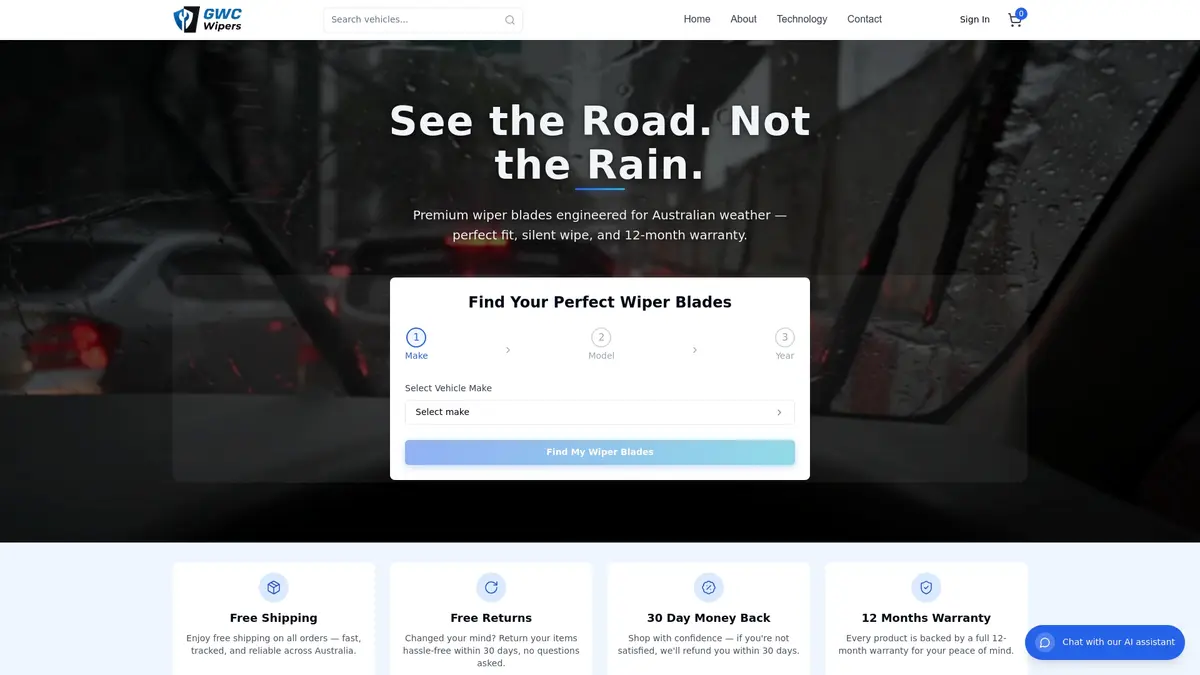
At GWC Wipers, we stock premium wiper blades engineered specifically for Australian weather, with advanced ceramic-silicone options designed to outperform standard alternatives in heat, rain, and dust. Whether you drive a Mercedes-Benz or a Toyota, our vehicle selector makes it easy to find the exact fit for your make, model, and year. Every purchase includes free shipping across Australia, a 12-month warranty, and a 30-day money-back guarantee. Your visibility is worth it.
Frequently asked questions
Do wiper blade coatings actually increase blade lifespan?
Yes, advanced coatings like ceramic on silicone wipers can triple blade lifespan over standard blades due to reduced friction and wear, with testing showing up to 1.5 million wipe cycles.
Will coated wiper blades prevent all windscreen streaks?
Coated blades greatly reduce streaks, but a ceramic windshield coating that hasn’t been properly finished on the glass surface can still cause smearing regardless of blade quality.
How do I maintain coated wiper blades for best results?
Clean the blade edge monthly with isopropyl alcohol, inspect for wear, avoid harsh solvents, and replace blades every 12 months or sooner if performance drops.
Are premium coatings worth it for Australia’s weather?
Absolutely. Premium coatings maintain clear vision and last significantly longer under Australia’s harsh sun, heavy rain, and dust exposure, with ceramic-coated silicone blades operating reliably across extreme temperature ranges.