
Top tips for clear visibility in rain: Expert advice
TL;DR:
- Choosing the right wiper blade type and material significantly improves visibility in heavy Australian rain.
- Regular inspection and prompt replacement of worn wipers are crucial for safety and clear vision.
- Silicone blades offer longer lifespan and better performance compared to rubber, especially under harsh UV conditions.
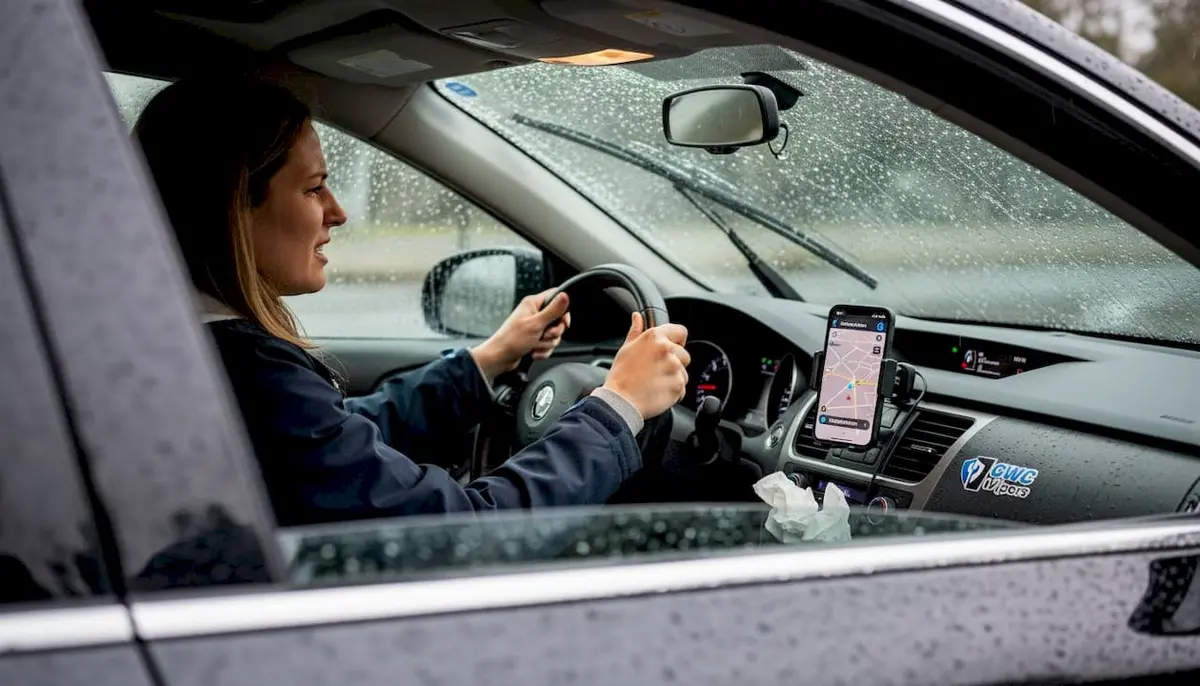
Driving through a heavy downpour on an Australian road is not just uncomfortable, it can be genuinely dangerous. Poor visibility is a leading factor in wet-weather accidents, and your wiper blades are the single most important line of defence between you and a blurred windscreen. Yet most drivers give their wipers almost no thought until something goes wrong. The good news is that a few smart choices, backed by real testing and local expertise, can dramatically improve your safety in rain. This guide walks you through everything you need to know, from choosing the right blade type to spotting failure before it costs you.
Table of Contents
- How to evaluate wiper blades for rainy conditions
- Recommended wiper blade brands and models for Australia
- How to spot wiper blade problems before they lower your visibility
- Rubber vs silicone: Which wiper material works best for Aussie rain?
- Why most drivers miss out on clear rain visibility: An expert’s truth
- Find your perfect wiper blades for rain-ready driving
- Frequently asked questions
Key Takeaways
| Point | Details |
|---|---|
| Choose beam or hybrid blades | They perform best in heavy rain and resist wind lift for clearer vision. |
| Upgrade to silicone for durability | Silicone wipers last longer and offer superior performance in Australia’s climate. |
| Check for wear signs | Look for streaking, squeaking, or reduced clearing and replace wipers promptly. |
| Select trusted brands | Australian-tested brands like Bosch, Rain-X, and Trico are proven in harsh rain and sun. |
| Maintenance matters | Regular inspection and timely replacement of wiper blades can prevent poor visibility and accidents. |
How to evaluate wiper blades for rainy conditions
With the stakes of poor visibility made clear, the most impactful upgrade you can make is selecting the right wiper blades. Not all blades are built the same, and the differences matter enormously when rain is hammering your windscreen at 100 km/h on the highway.
There are three main blade types you will encounter: beam blades, hybrid blades, and traditional frame-style blades. For Australian rain conditions, beam and hybrid blades are the clear frontrunners. Beam-style or hybrid wiper blades provide even pressure distribution, resist aerodynamic lift, and conform to curved windscreens, making them the most reliable choice in heavy rain and at highway speeds.
When evaluating any blade, look for these key performance qualities:
- Even pressure distribution across the full length of the blade for streak-free clearing
- Aerodynamic stability to prevent the blade lifting away from the glass at speed
- Flexible rubber or silicone wiping edge that conforms to your windscreen’s curve
- UV resistance to prevent cracking and hardening under the Australian sun
- Corrosion-resistant components to handle coastal humidity and heavy rain
Australian summers are brutal on wiper materials. UV exposure accelerates rubber degradation faster here than in many other climates, which is why understanding the Australian weather impact guide is so important when choosing blades that will last. Blades that perform well in mild European conditions may fail within months under Queensland or Northern Territory sun.
Pro Tip: Look for blades with a hydrophobic coating on the wiping edge. These coatings transfer a water-repelling layer onto your windscreen with each pass, improving visibility even when your wipers are not in motion. This is particularly useful in light drizzle where intermittent wiping still leaves smear.
The regular replacement benefits extend beyond just clear vision. Fresh blades also protect your windscreen from scratching caused by worn rubber dragging grit across the glass, which is a repair cost far greater than a new set of blades.
Recommended wiper blade brands and models for Australia
Now that you know what to look for, here are the top performers tested by automotive experts and trusted by Australian drivers.
Reliable brands for Australia include Bosch Aerotwin and Icon for even pressure and durability, Rain-X Latitude for its hydrophobic coating that excels in rain, Trico ExactFit and Silicone for UV resistance and quiet operation, Valeo Ultimate for dual-pressure performance, and TRIDON TechBeam for local design and strong value.
| Brand and model | Best feature | Price tier | Best use case |
|---|---|---|---|
| Bosch Aerotwin | Even pressure, durable build | Mid to premium | All-round performance |
| Rain-X Latitude | Hydrophobic coating | Mid | Heavy rain, highway driving |
| Trico Silicone | UV resistance, quiet | Mid to premium | High UV, frequent rain |
| Valeo Ultimate | Dual pressure points | Mid | Curved windscreens |
| TRIDON TechBeam | Local design, value | Budget to mid | Everyday Aussie conditions |
Here is a quick breakdown of what sets each brand apart:
- Bosch Aerotwin: Tension spring technology ensures the blade hugs the windscreen evenly. Excellent build quality and widely available across Australia.
- Rain-X Latitude: The standout for water repellency. The hydrophobic treatment builds up over time, making rain bead off your glass even between wiper passes.
- Trico Silicone: Built for the quietest wiper blades experience, with a silicone edge that resists UV cracking and operates smoothly in both wet and dry conditions.
- Valeo Ultimate: Dual-pressure design suits vehicles with pronounced windscreen curves, delivering consistent contact across the full sweep arc.
- TRIDON TechBeam: Designed with Australian conditions in mind, offering strong performance at a more accessible price point. A solid choice if you want heavy-duty wipers without the premium price tag.
“For Australian drivers, Rain-X leads for water repellency in heavy rain, while Bosch sets the benchmark for overall build quality and longevity.”
When choosing between these brands, think about your primary driving environment. Coastal and tropical drivers should prioritise UV resistance and corrosion protection. Highway commuters will benefit most from aerodynamic beam designs. City drivers who face frequent stop-start rain may find hydrophobic coatings the most practical advantage.
How to spot wiper blade problems before they lower your visibility
To maintain strong visibility, you need to know when your wipers are letting you down before it is too late. Wiper failure rarely happens without warning. The signs are there if you know what to look for.
Here are the most common symptoms of wiper blade decline, in order of how they typically appear:
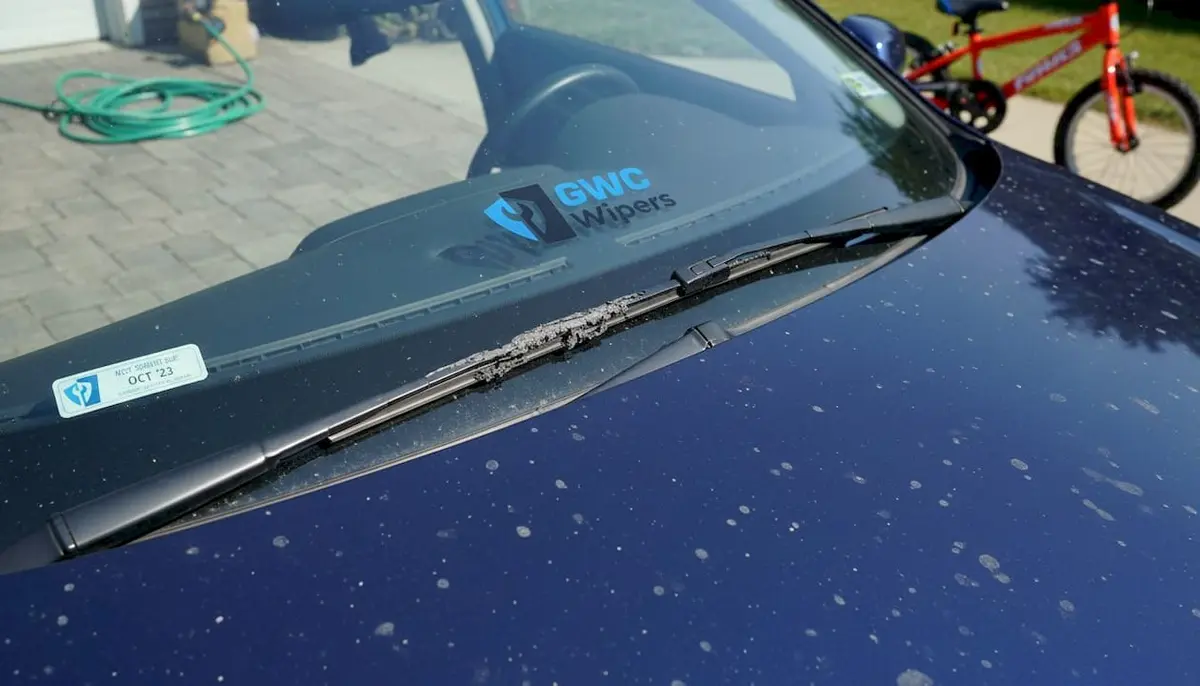
- Streaking or smearing: The rubber has hardened or cracked and is no longer making clean contact with the glass. This is usually the first sign of ageing.
- Skipping or chattering: The blade bounces across the windscreen rather than gliding smoothly. This indicates uneven pressure from a worn or bent frame.
- Squeaking: Often caused by grime buildup on the blade or glass, but persistent squeaking after cleaning points to a deteriorating wiping edge.
- Reduced clearing in rain: The blade is moving but leaving significant water behind. At this stage, your visibility is genuinely compromised.
- Visible damage: Splits, tears, or exposed metal on the blade are clear indicators that replacement is overdue.
Signs of wiper failure include streaking, smearing from hardened rubber, skipping from uneven pressure, squeaking from grime, and reduced clearing in rain. Testing in actual rain or with a simulated water spray gives you the most accurate read on blade condition.
To test your blades, run them in actual rain or pour water over your windscreen and activate the wipers. Watch for any of the symptoms above. A blade that looks fine when dry can reveal serious problems the moment water hits the glass.
Pro Tip: Check your wiper blades every time you fill up with fuel. A quick visual inspection takes ten seconds and can alert you to cracking or deformation before you are caught in a downpour.
The wiper blade safety case for timely replacement is straightforward. Worn blades reduce your reaction time in wet conditions by limiting how clearly you can see the road ahead. Replacing blades every 6 to 12 months, or at the first sign of decline, is one of the simplest and most cost-effective safety habits you can build.
Rubber vs silicone: Which wiper material works best for Aussie rain?
After understanding failure symptoms, comparing the two main wiper materials will help you make the best all-weather choice for Australian conditions.
Rubber is cheaper but degrades faster under Australian UV exposure, typically lasting 6 to 9 months. Silicone is a premium option but offers 2 to 3 times the lifespan, making it the more cost-effective choice for frequent rain drivers over time.
| Feature | Rubber blades | Silicone blades |
|---|---|---|
| Average lifespan | 6 to 9 months | 18 to 24 months |
| Price | Lower upfront | Higher upfront |
| Rain performance | Good when new | Excellent throughout lifespan |
| UV resistance | Poor to moderate | Excellent |
| Noise level | Moderate | Low to silent |
| Hydrophobic effect | None | Yes, builds over time |
Here is what this means in practice:
- Rubber blades are a reasonable short-term option if you replace them diligently every six months. However, in high-UV regions like Western Australia or Queensland, they can degrade even faster, sometimes within four months during summer.
- Silicone blades maintain their flexibility and wiping performance far longer. The silicone edge also deposits a hydrophobic layer on your windscreen with each pass, which actively improves rain visibility over time.
For the premium wiper blades guide, the consensus is clear: silicone offers better long-term value for Australian drivers who face both intense UV and heavy rain. If you are comparing local wiper brands, you will also find that Australian-designed silicone blades are increasingly engineered for our specific climate extremes.
“For Australian rain, silicone’s higher upfront cost is justified by its longevity and consistent performance across seasons.”
The practical takeaway is simple. If you live in a region with intense sun and regular rain, silicone is the smarter investment. Rubber blades are not without merit, but they require more frequent attention and replacement to maintain safe visibility.
Why most drivers miss out on clear rain visibility: An expert’s truth
Here is something most wiper blade articles will not tell you. The biggest visibility problem on Australian roads is not a lack of product options. It is driver inertia. Most people replace their wipers only when the smearing becomes unbearable, which means they spend weeks or months driving with compromised vision without realising how much they are missing.
The conventional thinking is that frequent cheap replacements are just as good as investing in premium blades. Our experience testing blades across Australian conditions tells a different story. Drivers who switch to hydrophobic beam-style or hybrid silicone blades consistently report fewer stressful moments in heavy rain. The difference is not subtle. It is the kind of upgrade that makes you wonder why you waited.
Budget blades and OEM replacements often use the minimum viable rubber compound. They clear water, but they do not enhance visibility the way a hydrophobic silicone blade does. You can explore wiper blade alternatives if you are weighing up your options, but the pattern is consistent: premium materials and aerodynamic design deliver measurably better outcomes in Australian rain. The cost difference per year is modest. The safety difference is not.
Find your perfect wiper blades for rain-ready driving
Ready to make the switch? Getting the right blades for your vehicle has never been easier.
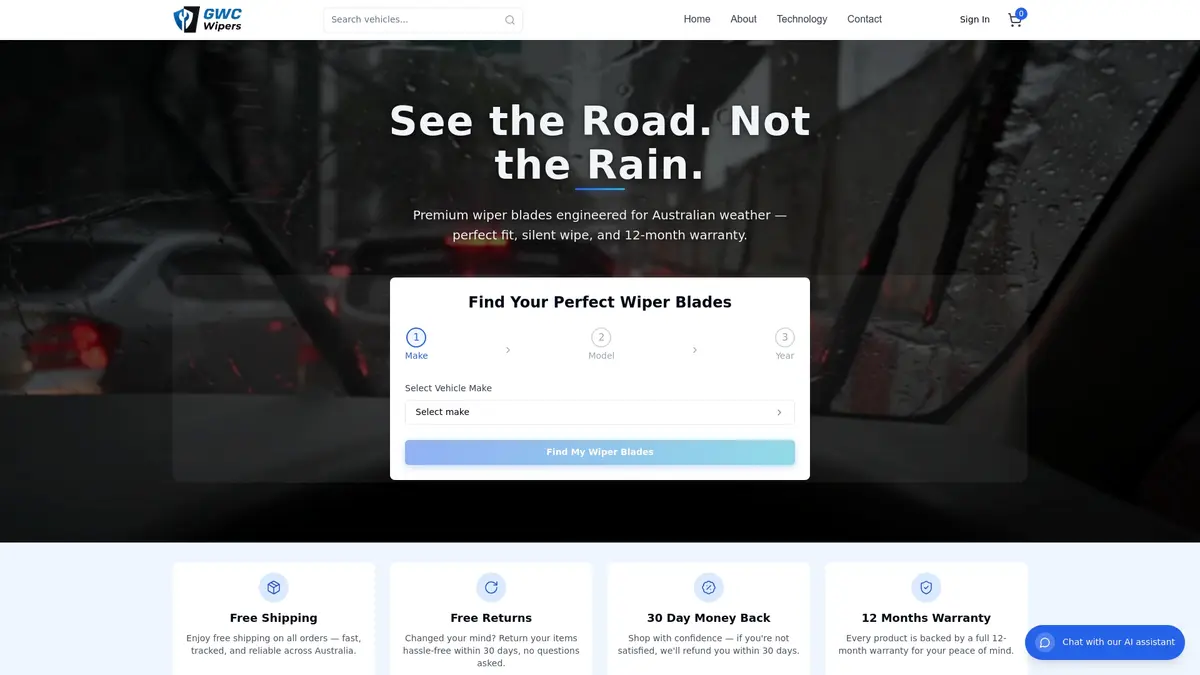
At GWC Wipers, you can browse by your vehicle’s make and model to find blades proven for Australian rain and backed by local expertise. Whether you drive a Mercedes-Benz or a Toyota, our fitment tool matches you to the right blade in seconds. Every order comes with free shipping across Australia, a 30-day money-back guarantee, and a 12-month warranty. Explore all wiper blade options and find your perfect match today. Do not wait for the next downpour to discover your wipers are not up to the job.
Frequently asked questions
How often should I replace my wiper blades in Australia?
Replace your wiper blades every 6 to 12 months or as soon as you notice streaking, squeaking, or missed spots. In high-UV regions, check them more frequently as heat accelerates rubber degradation.
What wiper blade type is best for heavy rain?
Beam-style or hybrid wiper blades offer the best performance and visibility in heavy rain and at highway speeds, providing even pressure and resisting aerodynamic lift.
Is silicone really better than rubber for wipers?
Silicone wiper blades last 2 to 3 times longer and resist UV degradation, making them the better choice for Australian drivers who face frequent rain and harsh sun.
How do I know if my wipers are failing?
Check for streaking, chattering, squeaking, or poor clearing in rain. These are reliable signs that your wiper blades need replacing before your next wet-weather drive.
Are premium wiper blades worth the money for Aussie drivers?
Yes. Beam blades outperform in heavy rain and premium silicone lasts significantly longer under Australian UV, making them a worthwhile investment for both safety and long-term value.