
Stop Wiper Lift at 80 km/h: Fitment Fixes for Australian Drivers
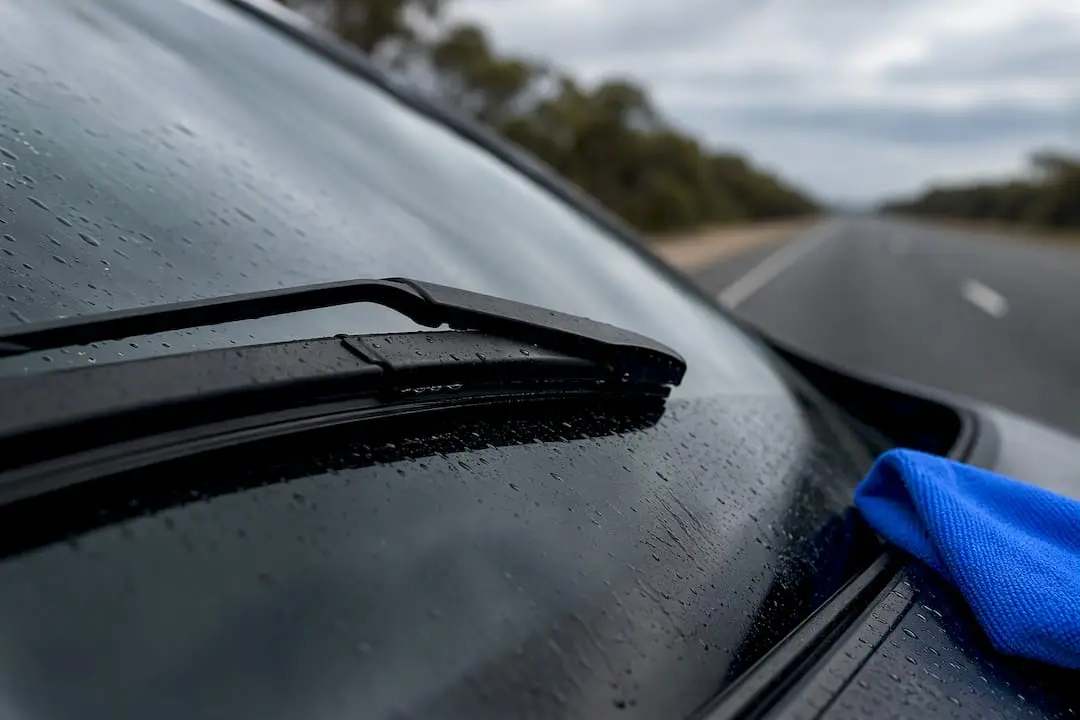
Wiper lift at speed almost always comes down to aerodynamics or fitment, not a mystery fault in your wiring. If a large patch of your windscreen stays streaked or uncleared at highway speed, slow down and increase your following distance rather than pushing on half blind. This guide walks through the causes, the quick fixes worth trying, how to choose a blade that resists lift, and when the problem has moved beyond a DIY job.
TL;DR:
- Wiper lift at high speeds is mainly caused by aerodynamic factors like blade profile and fitment issues, not wiring faults.
- Proper fitment, including correct length, fully engaged clips, and vehicle-specific blades with built-in spoilers, is essential to prevent lift.
- Conduct staged speed tests, starting with static checks and low-speed runs, before driving at highway speed to confirm the fix.
- Replacing blades with a model-specific, aerodynamically designed beam blade improves stability and reduces lift at highway speeds.
- Avoid unnecessary blade replacement; focus on correct fitment and condition-based checks to ensure optimal performance and safety.
Table of Contents
- What causes wiper lift at speed
- Quick fixes you can try right now
- Choosing a blade that resists lift
- Installing wipers correctly and testing at speed safely
- When to stop driving and when to see a mechanic
- How GWC diagnoses and fixes high-speed lift
- The diagnostic order most drivers get backwards
- Get the fitment right the first time
- Sources
- FAQ
What causes wiper lift at speed
Most wipers that behave perfectly in the driveway start misbehaving the moment you hit 80 or 100 km/h, and that jump is the biggest clue. Aerodynamic lift builds as airflow strikes the blade’s profile: a flat frame blade with no spoiler catches wind under its top edge and gets pushed away from the glass, exactly when you need clear vision most. It’s the same principle that lifts a car’s rear end without a spoiler, just scaled down to a strip of rubber.
Fitment errors are the second big culprit. A blade that’s the wrong length for your model, or one whose adaptor isn’t fully seated, has less surface tension holding it flat against the curve of the windscreen. RACQ’s replacement guidance is blunt about this: every claw or adaptor has to lock in, or the blade can shift and lift under load.
Beyond the blade itself, several other mechanisms contribute:
- Weak arm spring tension: a tired spring can’t hold enough downforce at speed, even with a perfect blade fitted.
- Bent arm or pivot play: physical damage changes the angle of contact across the glass.
- Hardened or split rubber: ageing rubber flutters unevenly in airflow instead of sitting flat.
- Blocked washer jets or dirty glass: grime creates uneven friction that mimics a lift symptom — following a streak-free cleaning method helps maintain optimal glass clarity for accurate diagnosis.
- Mismatched blade pairing: a beam blade on one side and a cheap frame blade on the other creates uneven aerodynamic behaviour across the windscreen.
Separating “lifts only on the highway” from “wipes poorly at any speed” narrows things down fast, and it’s worth doing before you spend money on parts you don’t need.
Quick fixes you can try right now
Before anything else, pull back your speed and give yourself more room if visibility drops. Safe Transport Victoria’s winter driving advice recommends slowing down and lengthening your following distance whenever rain or spray cuts your sightline, and that applies just as much on a dry highway with a lifting blade as it does in a downpour.
Work through this sequence in a safe, stationary spot before you draw any conclusions:
- Inspect the rubber. Run a finger along the edge. Cracks, splits, hardening, or a rounded rather than sharp wiping edge mean it’s time to replace, and always replace both blades as a pair so wear and profile match.
- Confirm fitment. Check that the driver and passenger blades are the correct lengths for your model, not just “close enough,” and that the connector type matches your arm.
- Check every claw and adaptor. RACQ warns that a blade can lift or scratch the glass if even one clip isn’t fully locked in.
- Test with washer fluid. Spray and run the wipers at idle in a car park to see if the flutter or lift shows up at low speed too.
- Hold off on the highway. If you can’t confirm the fix, stick to lower-speed roads until you’ve sorted it.
Pro Tip: If your current blade has no visible spoiler or wind deflector along its spine, that’s often the whole story. A beam blade with a built-in aerodynamic profile can solve a lift problem that no amount of reseating will fix.
Choosing a blade that resists lift
Guessing a length off the old blade is how most lift problems start in the first place. Match your replacement to your exact make, model, and year, and to the correct driver or passenger position. Length alone doesn’t guarantee a stable fit if the connector or profile is wrong for your vehicle.
Beam blades generally handle highway airflow better than traditional framed blades because they distribute pressure evenly along a single flexible spine, with no metal skeleton for wind to grab. Framed blades can still perform well if they carry a functional spoiler and the frame joints aren’t worn, but that spoiler needs to be intact, not cracked or missing.
When comparing options, look for:
- Segmented pressure distribution along the blade length, so the whole edge stays in contact rather than just the centre.
- An aerodynamic profile or built-in spoiler, particularly if you regularly drive at highway speed.
- Preassembled, corrosion-resistant adaptors that lock straight onto your factory arm without extra parts.
- Vehicle-specific fitment data, not a generic “universal fit” length chart.
If you drive a dual-cab ute, fitment matters even more given the steeper windscreen rake on models like the Toyota Hilux and Ford Ranger, where the wrong profile shows up as lift almost immediately at open-road speed. A vehicle-specific, tested blade with a fitment guarantee is a safer bet than a bargain length chosen off a shelf chart.
Installing wipers correctly and testing at speed safely
A correct install rules out one of the two biggest causes of lift in a matter of minutes, so it’s worth doing properly rather than rushing it.
- Lift the arm. Put it into service position if your model has one, then raise it fully away from the glass.
- Release and slide. Press the release tab and slide the old blade off, then slide the new one on until you hear or feel it click into place.
- Check every claw. Confirm each adaptor or claw is fully engaged before you let the arm move, since RACV notes that this step usually takes seconds but is where most installs go wrong.
- Lower the arm slowly. Letting it snap down can crack the glass or misalign the blade before you’ve even driven off.
- Test in stages. Try a static wipe with washer fluid, then a low-speed street test, then a controlled highway run in clear, dry conditions.
Watch for consistent glass contact, no flutter, no fresh streaking, and no rattle from the connector during that final stage. If lift persists after a correct, vehicle-specific install, the fault has moved from the blade to the arm or linkage.
When to stop driving and when to see a mechanic
If a lifted blade leaves a large patch of windscreen uncleared, or you genuinely can’t see the road ahead, that’s your line: pull back your speed immediately and don’t press on at highway pace.
Some faults sit beyond what a new blade can fix:
- A visibly bent wiper arm or one with play in the pivot.
- Weak spring tension that leaves the blade barely touching the glass.
- Jerky or irregular wiper motion, or grinding noise from the motor.
- Wipers that only work on one speed setting or stop mid-sweep.
It’s also worth checking your model against the national vehicle recalls register, since driven-gear failure inside a wiper motor has been the subject of a real Australian recall and can quietly erode visibility long before the blade itself looks like the problem. A mechanic dealing with these faults will typically inspect or replace the arm, service the pivot and spring, or replace the linkage or motor gear assembly.
How GWC diagnoses and fixes high-speed lift
We built a testing checklist around exactly this problem because “lifts at 80 km/h” is one of the most common questions we get from Australian drivers. Our approach starts with separating aerodynamic and fitment faults from wear, then confirming the fix with a staged speed test rather than a guess.
Every blade is designed with segmented pressure distribution and an aerodynamic profile intended to stay flat under highway airflow, with preassembled adaptors to simplify fitment. Our vehicle selector matches blades to your exact make, model, and year rather than a generic length chart, and our fitment pages for models like the Toyota Hilux and Ford Ranger reflect the steeper windscreen angles that make lift more common on those utes in the first place.
The diagnostic order most drivers get backwards
Most advice online treats wiper lift as a replace-and-hope problem: buy a new blade, fit it, and see what happens. That approach wastes money because it skips the diagnostic step entirely. The research consistently points to fitment and aerodynamics as the dominant causes at highway speed, ahead of simple rubber wear, yet rubber wear is what most people jump to fix first because it’s the cheapest and most obvious guess.
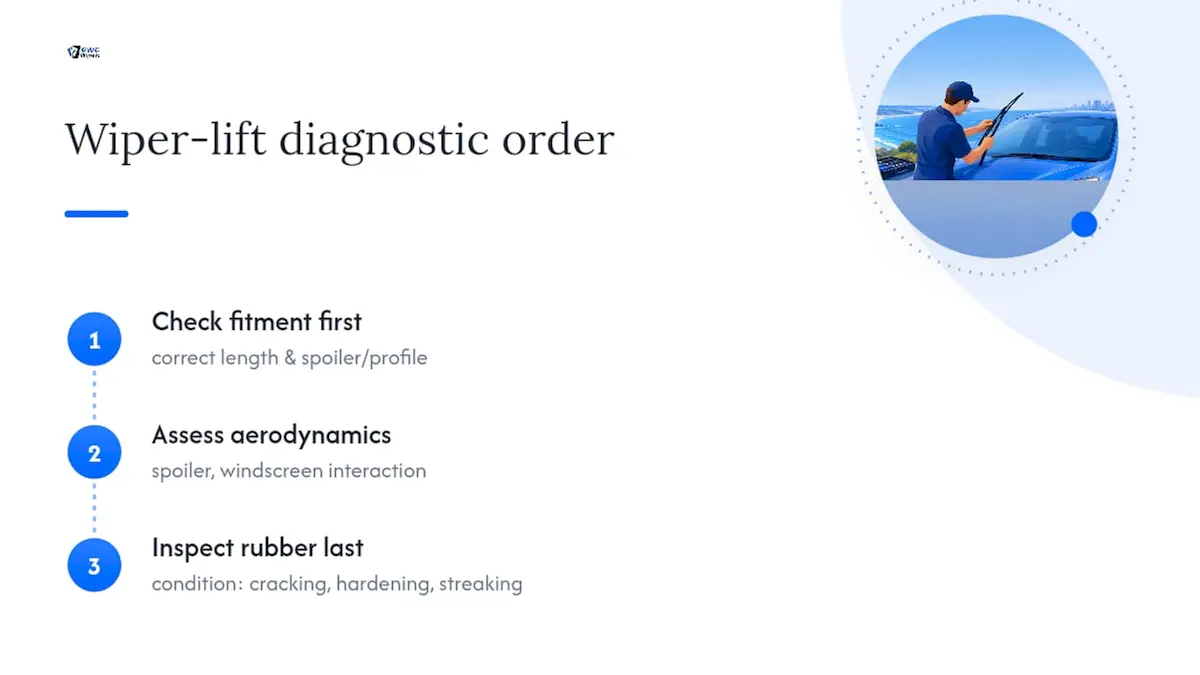
My view, working through the causes and fixes above: check fitment and profile before you touch the rubber. A brand-new blade in the wrong length or without a spoiler will lift just as badly as the worn one you replaced, and you’ll be back here in a fortnight blaming the new part instead of the real cause.
The conventional wisdom of “just replace it generally every six to 12 months depending on condition” isn’t wrong, but it’s incomplete. Condition-based replacement, checking for cracking, hardening, and streaking, matters more than a calendar date, and it means nothing if the blade was never the right length or profile for your windscreen to begin with. Get the fitment right first. Everything else, including how often you need to replace the rubber, becomes a much simpler question once that’s sorted.
— Faisal
Get the fitment right the first time
Most high-speed lift traces back to a blade that was never right for your windscreen, not a design flaw in wiper blades generally. That’s why we build our range around vehicle-specific fitment rather than a generic length chart: an aerodynamic profile, segmented pressure distribution, and preassembled adaptors matched to your exact make, model, and year.
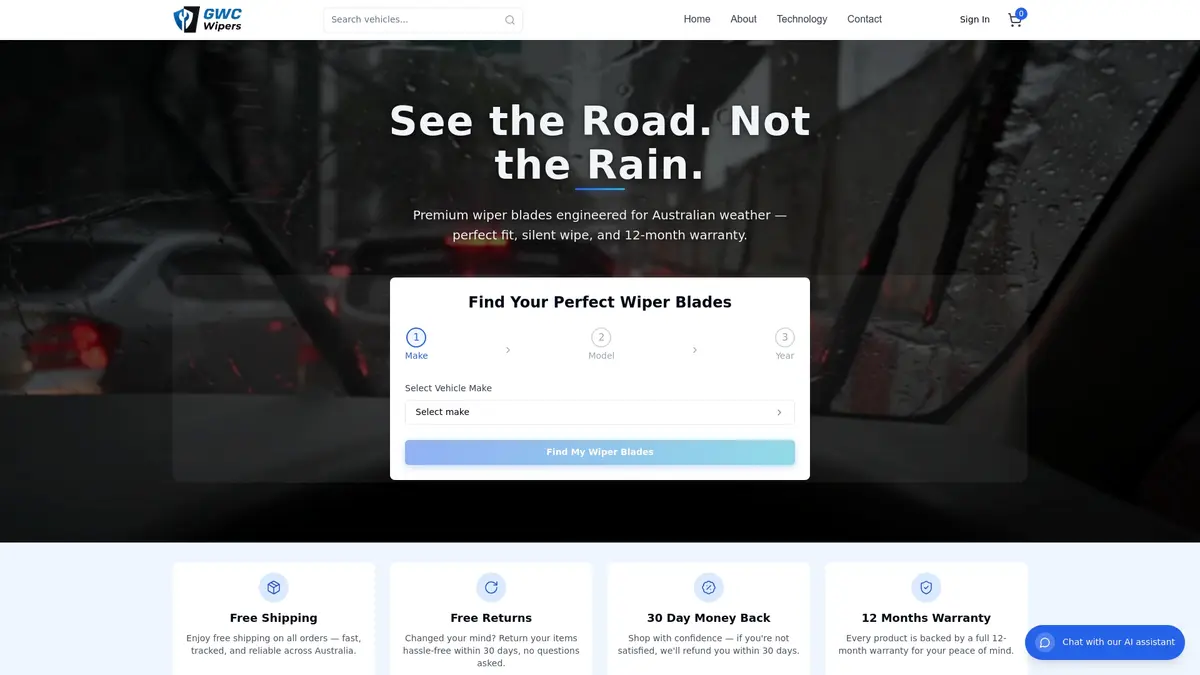
Head to our Perfect Fit selector and enter your make, model, and year to see the blades tested for your windscreen’s exact rake and connector type, including dedicated fitment pages for the Toyota Hilux and Ford Ranger. Orders are backed by a 30-day money-back guarantee and a 12-month warranty to cover fitment or performance issues. Find your vehicle, confirm the fit, and get a blade built to stay flat at highway speed rather than fight the wind.
Sources
For guidance beyond this article, RACQ’s step-by-step replacement guide and RACV’s maintenance advice cover installation and condition-based replacement in detail. Safe Transport Victoria has practical advice on driving safely when visibility drops, and the national recalls register is worth checking if you suspect a motor fault rather than a blade issue.
- How to change wiper blades | RACQ
- Easy DIY car maintenance tips and safety checks | RACV
- Drive safely this winter | Safe Transport Victoria
- REC-000485 - GENERAL MOTORS AUSTRALIA AND NEW ZEALAND PTY LTD - Holden COMMODORE AND CAPRICE 2011 - 2014 | Vehicle Recalls
FAQ
Can you speed up windshield wipers to test for lift?
Yes, a controlled speed test is the right way to confirm a fix. Start static with washer fluid, then test at low speed, then move to a clear, dry highway run, watching for flutter or an uncleared patch at each stage.
What does it mean if your wiper is lifting off the glass?
It usually means airflow is getting under the blade’s edge, or the blade isn’t correctly seated in its arm. Common causes include a missing spoiler, the wrong blade length, a weak arm spring, or worn rubber that no longer sits flat, and RACQ’s guidance points to unengaged claws as a frequent trigger.
Why do my wipers only seem to work properly at high speed?
This is the reverse pattern and usually points to a mechanical fault rather than aerodynamics, such as a linkage or motor gear issue rather than the blade itself. If wipers behave inconsistently across speeds rather than lifting specifically at highway pace, it’s worth having the arm and motor checked rather than replacing the blade again.
Are you supposed to lift wiper blades off the glass when parking?
In genuinely icy or frosty conditions, lifting the blades away from the glass overnight can stop them freezing to the windscreen. Outside of frost risk, leaving them down is fine, and lifting them unnecessarily just adds wear to the arm’s spring tension over time.
How often should I replace wiper blades that keep lifting?
Replace based on condition rather than a fixed date. RACV recommends every six to 12 months depending on wear, but cracking, hardening, or streaking are the real signals, and a vehicle-specific blade with the correct profile will resist lift for longer than a generic replacement of the same age.