
Eco-friendly wiper options: your guide for Australian drivers
What are the best eco-friendly wiper options for Australian drivers?
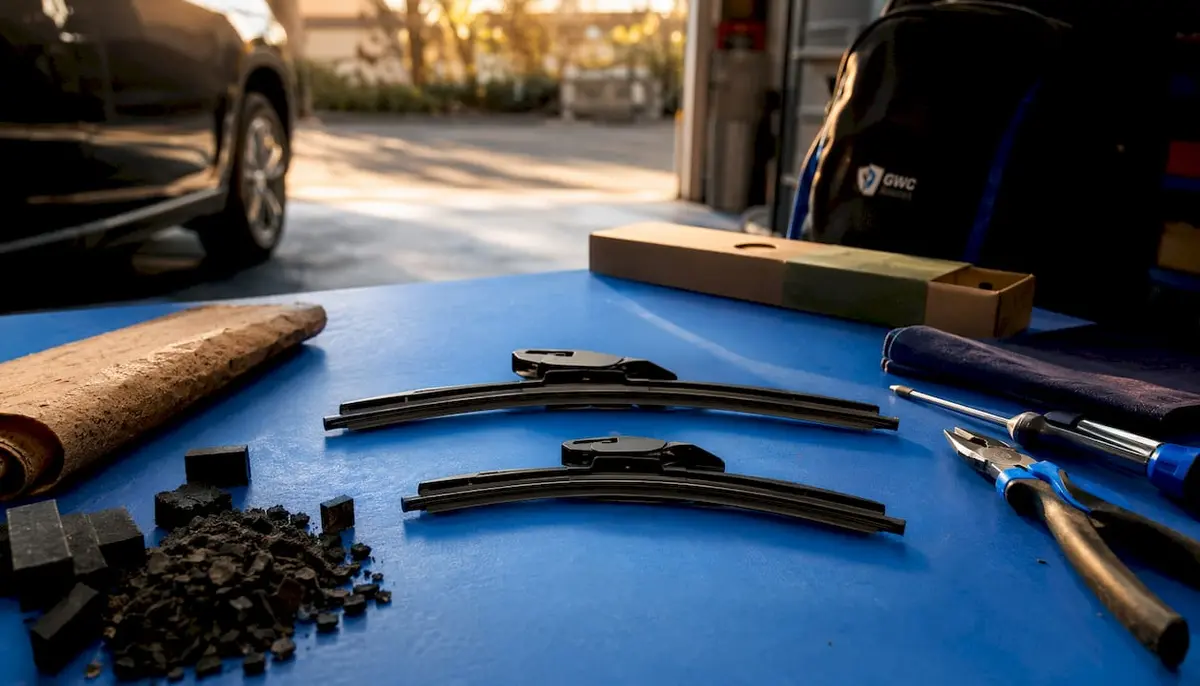
Sustainable wiper blades fall into three main categories: natural rubber blades, silicone blades, and blades incorporating recycled materials in their frames and components. Each offers a different balance of environmental benefit, performance, and price, and all three are available to Australian drivers through local and online retailers.
- Natural rubber blades use renewable hevea tree rubber, biodegrade more readily than synthetic alternatives, and deliver excellent wiping efficiency straight out of the box.
- Silicone blades last 1.5 to 2 times longer than natural rubber, reducing replacement frequency and the waste that comes with it.
- Recycled-material blades incorporate components such as frames with up to 15% recycled steel and end clips with up to 50% recycled plastic, cutting reliance on virgin resources.
- Advanced composite blades combine graphene-enhanced silicone or bio-based rubber compounds for both durability and a reduced carbon footprint.
GWC Wipers is a trusted Australian provider of premium wiper blades designed for local conditions, offering a vehicle selector tool, free shipping, and a 30-day money-back guarantee across the full range.
Table of Contents
- What materials make a wiper blade genuinely eco-friendly?
- Silicone vs natural rubber: which performs better in Australian conditions?
- Sustainability goes beyond the blade: manufacturing, packaging, and end-of-life
- Why GWC Wipers is the right choice for eco-conscious Australian drivers
- GWC Wipers: premium blades matched to your vehicle
- Key takeaways
- FAQ
What materials make a wiper blade genuinely eco-friendly?
The rubber compound is where most of the environmental story lives, but the frame, clips, and packaging all contribute to a blade’s true sustainability profile.
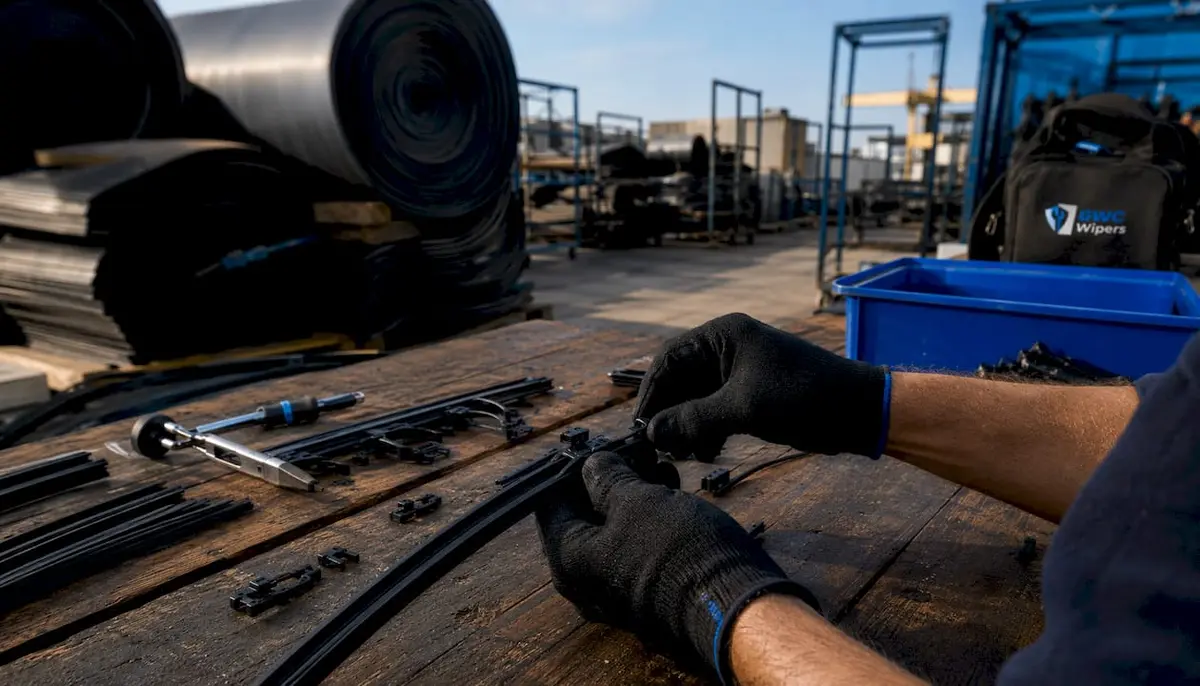
Rubber compounds have shifted considerably. Natural rubber sourced from certified hevea plantations is renewable and biodegrades far faster than petroleum-derived synthetic rubber. More advanced formulations blend natural rubber with synthetic rubber derived from sugar cane and vegetable oils, replacing most of the fossil-fuel-based content. Valeo’s Canopy range, for example, uses a rubber compound made from over 80% natural, renewable, or recycled materials, including carbon black recovered from recycled tyres.
Frames and structural components are the next frontier. Manufacturers now incorporate recycled steel and recycled plastics into wiper frames and end clips. Frames with up to 15% recycled steel and clips with up to 50% recycled plastic are already in production, reducing the demand for virgin materials without compromising structural integrity.
Packaging is often the most visible sustainability signal. Blades shipped in 100% recyclable cardboard printed with water-based, solvent-free inks eliminate the single-use plastic sleeves that have dominated the aftermarket for decades.
- Renewable rubber from hevea trees and sugar-cane-derived synthetics
- Recycled carbon black from end-of-life tyres
- Frames with recycled steel content
- End clips using recycled plastic
- Fully recyclable cardboard packaging with water-based inks
Pro Tip: When assessing a brand’s sustainability claims, look for third-party verification. Bureau Veritas, one of the world’s leading independent certification bodies, has validated lifecycle analyses for wiper blades — that kind of external sign-off carries far more weight than a manufacturer’s self-declared “green” label.
Silicone vs natural rubber: which performs better in Australian conditions?
Australia’s climate is genuinely demanding. A driver in Darwin faces relentless UV exposure and tropical downpours; one in Melbourne deals with cold, wet winters and scorching summers. The right blade material depends heavily on where you live and how you drive.
“Drivers should choose wiper materials based on local climate. Silicone is better in sunny regions for durability, while natural rubber suits rainy regions because of its immediate wiping performance.” — Industry insight, Roof Rack World
Silicone blades hold up exceptionally well under UV exposure and heat, which makes them the stronger choice for Queensland, the Northern Territory, and Western Australia’s sun-drenched interior. They last 1.5 to 2 times longer than natural rubber and deposit a hydrophobic film on the windscreen that causes water to bead and roll off. The upfront cost is higher, but the extended lifespan means fewer replacements and less waste over time.
Natural rubber blades deliver superior wiping efficiency and quieter operation from the first use. They are cost-effective and widely stocked, making them the practical choice for annual replacement cycles in wetter climates like Tasmania or coastal New South Wales. The trade-off is faster degradation under prolonged UV exposure.

Key differences at a glance:
| Feature | Silicone | Natural rubber |
|---|---|---|
| Lifespan | 1.5–2× longer | Standard |
| UV/heat resistance | Excellent | Moderate |
| Upfront cost | Higher | Lower |
| Wipe quality (initial) | Good after bedding in | Excellent immediately |
| Water-repellent effect | Yes (hydrophobic film) | No |
| Best for | Sunny, hot climates | Wetter, cooler climates |
One maintenance point worth knowing: silicone blades require a clean windscreen to perform at their best. The hydrophobic film can cause streaking on glass that has road grime or wax residue, which is sometimes mistaken for blade failure. A quick windscreen clean resolves it. For guidance on wiper blade replacement and care in different conditions, general automotive maintenance resources can help you build a reliable routine.
Understanding how Australian weather impacts your wiper blades across seasons is the most reliable way to decide which material suits your vehicle and region.
Sustainability goes beyond the blade: manufacturing, packaging, and end-of-life
Choosing a greener blade material is a solid start, but the full environmental picture includes how the blade is made, how it arrives at your door, and what happens when you replace it.
Manufacturing practices have a significant impact. Energy-efficient production facilities, reduced water consumption, and localised manufacturing all lower a product’s carbon footprint before it even reaches a retailer. Valeo’s Canopy blades, manufactured in France rather than Asia, generate roughly half the transport-related CO2 emissions of equivalent blades shipped from overseas — a direct result of shorter supply chains.
Packaging innovation has accelerated. Switching to recyclable cardboard printed with water-based, solvent-free inks removes single-use plastic from the aftermarket supply chain entirely. This is one of the most straightforward wins available to manufacturers, and it is increasingly becoming the industry standard.
End-of-life disposal is where Australian drivers can take a more active role. Wiper blades are composite products, combining rubber, steel, and plastic, which makes kerbside recycling impractical. Some manufacturers are developing take-back programmes aligned with circular economy principles, designing blades for easier disassembly so materials can be recovered and reused. In Australia, contacting your local council or a specialist automotive recycler is currently the most reliable disposal route.
Sustainability strategies manufacturers are implementing:
- Energy-efficient production with reduced water use
- Localised manufacturing to cut transport emissions
- 100% recyclable cardboard packaging with water-based inks
- Elimination of single-use plastic from packaging
- Recycled steel and plastic content in structural components
- Circular economy design for easier end-of-life disassembly
- Manufacturer take-back programmes for used blades
Why GWC Wipers is the right choice for eco-conscious Australian drivers
GWC Wipers is built around one straightforward idea: premium wiper blades designed specifically for Australian conditions, backed by genuine customer support and a commitment to quality materials. For drivers who want reliable, climate-specific wiper performance without compromising on sustainability, GWC Wipers delivers a practical and trustworthy option.
The brand’s vehicle selector tool takes the guesswork out of fitment. Enter your make, model, and year, and you get a precise match, backed by a perfect fit guarantee. DIY installation guides are included, so you can fit your new blades confidently at home without a workshop visit.
Key reasons Australian drivers choose GWC Wipers:
- Premium materials suited to Australia’s UV intensity, heat, and variable rainfall
- Perfect fit guarantee across a wide range of makes and models
- Free shipping across Australia, including regional areas
- 30-day money-back guarantee and a 12-month warranty on every blade
- Vehicle selector tool for fast, accurate fitment
- DIY installation guides for straightforward at-home fitting
- Extensive compatibility covering popular Australian vehicles including Toyota, Mitsubishi, Mercedes-Benz, and more
Whether you drive a Toyota Hilux through Queensland’s wet season or a Mercedes-Benz GLE in Melbourne’s variable winters, GWC Wipers has a blade engineered to handle it. The brand’s focus on extreme weather wiper performance means you are not buying a generic product adapted for Australian roads — you are buying one built for them.
GWC Wipers: premium blades matched to your vehicle
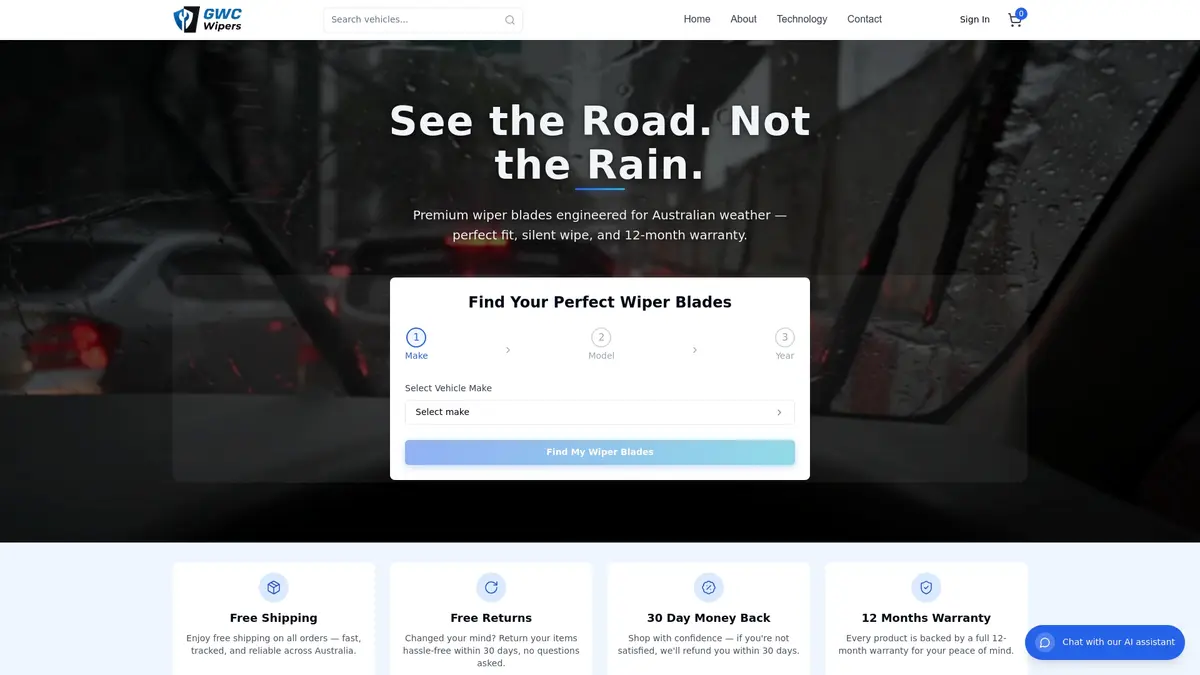
GWC Wipers gives environmentally conscious Australian drivers a clear path to a better blade without the uncertainty of generic aftermarket products. The vehicle selector tool matches you to the right blade in seconds, the perfect fit guarantee removes the risk, and free shipping means your new blades arrive without a trip to the shops.
For Toyota owners, the Toyota wiper blade range covers the full model lineup with blades built for Australia’s toughest conditions. Mercedes-Benz drivers can find their exact match in the Mercedes-Benz wiper blade range, with options suited to everything from urban commuting to regional driving. Mitsubishi owners are equally well covered through GWC’s Mitsubishi wiper blade range.
Every purchase comes with a 12-month warranty and a 30-day money-back guarantee. Use the vehicle selector at gwcwipers.com.au to find your perfect fit today.
Key takeaways
Silicone wiper blades last significantly longer than natural rubber and suit Australia’s sun-heavy climates, while recycled-material blades and sustainable packaging round out a genuinely eco-conscious choice.
| Point | Details |
|---|---|
| Silicone lasts longer | Silicone blades last significantly longer than natural rubber, reducing replacement waste. |
| Match material to climate | Silicone suits sunny, hot regions; natural rubber performs better in wetter, cooler climates. |
| Recycled components matter | Frames with up to 15% recycled steel and clips with up to 50% recycled plastic lower virgin resource use. |
| Packaging counts | Fully recyclable cardboard with water-based inks eliminates single-use plastic from the supply chain. |
| GWC Wipers | GWC Wipers offers premium, climate-suited blades for Australian drivers with a perfect fit guarantee and free shipping. |
FAQ
Is there an alternative to windshield wipers?
No passive technology has reliably replaced windshield wipers for everyday driving. Hydrophobic coatings and nanocoatings reduce wiper dependency in light rain, but none perform adequately in heavy downpours, making quality wiper blades the only practical solution for Australian road safety.
Is silicone or natural rubber better for wiper blades?
Silicone blades last 1.5 to 2 times longer and resist UV and heat better, making them the stronger choice in sunny Australian climates. Natural rubber wipes more efficiently from the first use and suits wetter, cooler regions where annual replacement is standard practice.
Is windshield wiper fluid environmentally friendly?
Most conventional wiper fluids contain methanol and synthetic detergents that can harm waterways. Eco-conscious drivers should look for biodegradable, non-toxic formulations, which are increasingly available through automotive retailers in Australia.
What is the best material for windscreen wipers?
Silicone is generally the most durable and UV-resistant material, making it well suited to Australia’s harsh sun. For drivers in wetter climates who prefer immediate wipe quality and a lower upfront cost, natural rubber remains a reliable and widely available choice.