
Why investment in durable wipers pays off

TL;DR:
- Most drivers overlook wiper blade quality, risking impaired visibility, safety hazards, and increased long-term costs. Investing in durable, high-quality blades suited for Australian conditions ensures better performance, longer lifespan, and avoids costly repairs. Proper selection, maintenance, and proactive replacement are essential for safety and cost-efficiency.
Most vehicle owners treat wiper blades like an afterthought, reaching for the cheapest option on the shelf without a second thought. That approach costs more than you might expect. The real case for why investment in durable wipers matters sits at the intersection of road safety, vehicle protection, and long-term running costs. Whether you manage a single car or a commercial fleet across regional Australia, the blades on your windscreen directly affect your visibility, your reaction time, and your wallet. This article breaks down exactly what you gain by choosing quality wipers and what you risk by skipping that upgrade.
Table of Contents
- Key takeaways
- Why investment in durable wipers improves safety
- Material and design: what actually affects lifespan
- How Australian conditions shorten blade life
- The real cost of cheap wipers
- Choosing quality wipers: practical guidance
- My take on what most drivers get wrong
- GWC Wipers: durable blades for Australian vehicles
- FAQ
Key takeaways
| Point | Details |
|---|---|
| Safety depends on blade quality | Worn or cheap blades cause streaking and impaired vision, raising your risk on wet roads. |
| Material choice determines lifespan | Silicone blades outlast rubber by years, resisting UV, heat, and ozone far more effectively. |
| Australian conditions accelerate wear | Intense UV, coastal salt, and temperature extremes degrade standard blades faster here than in milder climates. |
| Durable blades reduce total cost | Longer replacement intervals and fewer windscreen repairs offset the higher upfront price of quality wipers. |
| Fitment and sourcing matter | Blades matched to your vehicle make, model, and local conditions perform better and last longer. |
Why investment in durable wipers improves safety
Your wiper blades are one of the few components on your vehicle that work directly against reduced visibility. When they fail, the consequences are immediate. Streaking and smearing during rain indicate the rubber edge has degraded, leaving bands of water across your field of vision instead of clearing it. On a motorway or in heavy rain, that loss of clarity is genuinely dangerous.
For fleet operators, the risk compounds quickly. Drivers covering long distances in variable weather experience higher fatigue when their wipers are poor quality. Poor wiping performance increases driver fatigue, reducing reaction time and raising the likelihood of incidents. A preventable equipment issue becomes a workplace safety problem with real financial and legal consequences.
There are also regulatory standards worth knowing. FMVSS No. 104 defines minimum wiper performance criteria, requiring wipers to clear defined zones of the windscreen to a specified standard. Durable, well-constructed blades are designed to meet and maintain those standards across their full service life, not just when new. Understanding more about wiper performance testing can help you make sense of what those standards mean in practice.
Consider what happens when a blade starts to fail mid-journey:
- Streaks across the driver’s direct line of sight create visual distraction.
- Smearing at high wiper speeds leaves a film that reduces contrast against headlights and road markings at night.
- Squeaking and chattering indicate uneven rubber contact, meaning portions of the windscreen are never properly cleared.
- Lifted blade edges, particularly at highway speeds, stop the rubber from making consistent contact with the glass.
“Treating wipers as safety components rather than consumables is the shift that separates drivers who manage risk from those who ignore it until something goes wrong.”
The benefits of durable wipers in this context are not abstract. They translate directly to a clearer, safer view of the road at the moment you need it most.
Material and design: what actually affects lifespan
Not all wiper blades are built the same, and the differences in material and construction explain most of the lifespan variation you see between budget and premium products.
Natural rubber is the most common and affordable option. It performs well in mild, temperate conditions but degrades faster when exposed to ozone, UV light, or temperature extremes. Most budget blades use natural rubber compounds that show their age within six to twelve months under Australian conditions.
Synthetic rubber blends improve on natural rubber by incorporating additives that resist UV and ozone degradation. They hold their edge shape longer and tend to wipe more evenly through a broader temperature range, which matters when you are driving from a hot, dusty inland area into a wet coastal region on the same trip.

Silicone is where the performance gap becomes most obvious. Silicone blades last significantly longer than standard rubber, often performing well for multiple years versus the typical six to twelve months. Silicone also deposits a hydrophobic layer onto the glass as it wipes, which causes water to bead and roll off even between wiper strokes. That property alone improves visibility in light rain without the wipers running continuously.
| Blade material | Typical lifespan | UV resistance | Hydrophobic coating | Best suited for |
|---|---|---|---|---|
| Natural rubber | 6 to 12 months | Low | No | Mild, temperate climates |
| Synthetic rubber blend | 12 to 18 months | Medium | No | Mixed Australian conditions |
| Silicone | 2 to 3 years or more | High | Yes | Harsh UV, heat, varied climates |
Blade design also matters. Conventional frame blades are the traditional metal bracket style. They distribute pressure through multiple contact points but trap debris and ice in the frame, which accelerates uneven wear. Beam blades use a single curved strip of material without a frame, applying even pressure across the entire blade length. Hybrid blades combine both approaches, using an aerodynamic shell over an internal frame. For Australian drivers dealing with high temperatures and UV exposure, beam and hybrid blades generally outperform conventional frame designs because there is no metal frame to corrode or hold heat against the rubber.
Pro Tip: When comparing products, check whether the manufacturer publishes information about rubber compound quality, wiping arc performance, and adapter lock force. Quality control features like these are reliable indicators of a blade built to last, not just to sell.
How Australian conditions shorten blade life
Australia is not a forgiving environment for wiper blades. The combination of intense UV radiation, extreme heat, coastal salt air, and sudden heavy downpours creates a set of conditions that accelerates rubber degradation far beyond what manufacturers in milder climates design for by default.

Wiper degradation is driven by UV and ozone exposure, washer fluid chemicals, road debris, and mechanical pressure. In Australian cities like Darwin or Broken Hill, UV index levels regularly reach extreme categories. A rubber blade sitting on a parked windscreen in direct summer sun is quietly hardening and cracking even when it has not been used at all.
Here is what Australian drivers are specifically dealing with:
- UV radiation: Direct sun hardens natural rubber compounds within months, causing the wiping edge to crack and lose flexibility. A blade that appears intact may already be too stiff to make proper contact with the glass.
- Extreme heat: Surface temperatures on a parked windscreen in summer can reach 80°C or higher. This accelerates oxidation of the rubber and weakens the bond between the rubber and any reinforcing materials.
- Coastal salt: Salt air causes corrosion on metal frame components and degrades rubber surfaces, particularly in cities like Sydney, Brisbane, and Perth where coastal driving is routine.
- Temperature swings: Moving between air-conditioned vehicles and hot exteriors, or driving from the outback into a wet climate zone, puts the rubber through rapid expansion and contraction cycles that shorten its working life.
- Dust and debris: In inland and regional areas, fine dust particles act as an abrasive against the wiping edge every time the blade runs across a lightly wet windscreen.
For detailed guidance on how Australian weather impacts your specific blades across seasons, it is worth understanding the regional variation across the country. A blade that works well in Melbourne’s cool, wet winters may last half as long under the relentless sun of Queensland. Choosing wipers validated or specifically engineered for local conditions is not a marketing line. It is a practical decision that directly affects how often you are replacing blades and whether they are protecting your windscreen in the meantime.
The real cost of cheap wipers
The price tag on a budget wiper set is straightforward. The total cost of running cheap wipers is much harder to see upfront, and consistently higher than most drivers realise.
Start with replacement frequency. Quality wipers replaced every twelve to twenty-four months cost less in cumulative parts spend than cheap blades replaced every three to six months. The labour or time cost of replacement adds up too, especially for fleet operators managing dozens of vehicles. Each replacement event is a scheduling task, a parts order, and a technician’s time.
Then consider the damage risk. Metal frames exposed by rubber wear can scratch the windscreen surface, creating permanent distortion in the driver’s field of vision. Windscreen replacement on a modern vehicle, particularly one with integrated rain sensors or camera systems, runs into hundreds or thousands of dollars. That cost makes even premium wipers look like a bargain.
There is also the motor. Degraded wiper blades cause excess friction against the glass, putting strain on the wiper motor over time. Motor replacement is a labour-intensive repair. For a fleet vehicle, it means downtime and a repair bill that could have been avoided entirely.
- Budget blades fail faster, increasing replacement frequency and cumulative parts cost.
- Worn frames scratch windscreens, creating repair bills that dwarf the cost of quality blades.
- Degraded rubber strains wiper motors, adding mechanical repair costs to the equation.
- Driver dissatisfaction and safety incidents carry indirect costs that are rarely included in a parts budget comparison.
Cheaper blades tend to cost more across the full ownership period once you account for replacement frequency and associated damage risks. The advantages of investing in wipers that are built to last are clearest when you look at total cost of ownership rather than the shelf price alone.
Choosing quality wipers: practical guidance
Selecting the right durable wiper blades starts with fitment. A blade that does not correctly match your vehicle’s arm attachment type, arc radius, and length will never wipe evenly, regardless of the rubber quality. Always verify compatibility with your specific make, model, and year before buying.
Once fitment is confirmed, evaluate the quality indicators that actually predict performance:
- Material specification: Look for silicone or high-grade synthetic rubber compounds rather than natural rubber in blades designed for Australian conditions.
- Warranty length: A genuine twelve-month or longer warranty signals that the manufacturer is confident in the blade’s durability. Blades with no warranty or short warranty periods are telling you something.
- Construction details: Beam or hybrid blade designs outperform conventional frame blades in high UV and high heat environments. Check whether the frame, if present, uses corrosion-resistant materials.
- Supplier credibility: Purchase from suppliers with local expertise and genuine product knowledge. Generic products without clear specifications or traceability are a risk.
Maintenance extends blade life meaningfully. Clean the rubber edge with a damp cloth every time you wash your vehicle. Avoid using the wipers dry to clear dust, since that abrasion shortens the edge quickly. If you park outdoors regularly, lifting the blades away from the glass in summer reduces heat transfer and slows hardening.
Replace blades proactively rather than reactively. Waiting for a blade to fail during rain means you are already in a safety risk situation. Scheduling replacement before each wet season, or at every vehicle service, keeps performance consistent.
Pro Tip: Good sourcing relies on matching blade specs to your local climate and vehicle requirements. Fleet operators particularly benefit from establishing a consistent specification rather than allowing ad hoc purchasing that introduces performance variables across a vehicle pool.
For fleet-specific guidance on selecting durable wipers, aligning blade design, fitment, and maintenance schedules across your vehicles is the approach that genuinely reduces downtime and warranty claims.
My take on what most drivers get wrong
I have seen the same pattern repeat consistently across individual drivers and fleet operators alike. The wiper blade decision gets made at the lowest possible cost, often at the last minute when the existing blades have already failed. The real cost of that approach never shows up clearly on a single invoice, so it keeps happening.
What I have learned from years working with vehicle operators is that the drivers who resist spending on quality wipers are also the ones paying for windscreen repairs they could not explain, dealing with motor issues that seemed to come out of nowhere, and replacing blades more often than anyone in their team bothers to track. The costs are there. They are just distributed across different line items and different time periods.
The other thing I would say is that are durable wipers worth it for the average driver? Absolutely, and not just for safety reasons. The peace of mind of knowing your visibility is reliable in a sudden downpour on the way to work, or in a summer storm on a regional highway, is genuinely valuable. You do not think about it when it is working. You notice it immediately when it is not.
My advice to anyone balancing budget against performance is to treat wiper blade quality the same way you treat tyre quality. You would not put the cheapest available tyres on your vehicle and assume they perform as well as a reputable brand. The same logic applies to wipers, and the consequences of getting it wrong are just as real.
— Faisal
GWC Wipers: durable blades for Australian vehicles
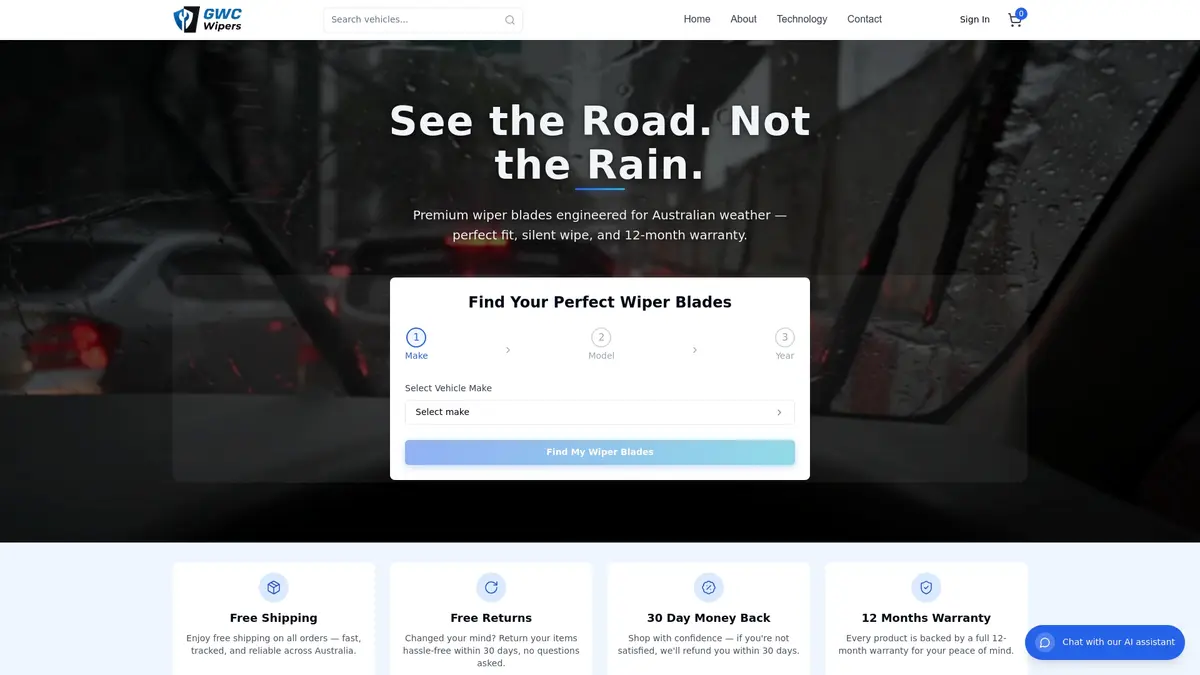
GWC Wipers designs and manufactures premium wiper blades built specifically for Australian driving conditions, from coastal humidity to outback UV and everything in between. Whether you drive a Toyota, Mercedes-Benz, or Volvo, the vehicle selector tool at GWC Wipers identifies the exact blade for your make, model, and year in seconds. Browse the full range of Toyota wiper blades or explore options for Mercedes-Benz vehicles, all backed by a 12-month warranty, 30-day money-back guarantee, and free shipping across Australia. Every product is matched for correct fitment, and detailed installation guides make DIY replacement straightforward. If you need guidance selecting the right blade for your fleet or vehicle, the GWC Wipers support team is ready to help.
FAQ
Are durable wipers actually worth the extra cost?
Yes. Silicone wiper blades last significantly longer than budget alternatives and reduce the cumulative cost of replacement, windscreen damage, and motor strain over time.
How often should I replace wiper blades in Australia?
Automotive experts recommend replacing wiper blades every 6 to 12 months, though Australia’s UV exposure and heat can shorten that interval for natural rubber blades significantly.
What are the main signs that my wiper blades need replacing?
Streaking, smearing, squeaking, and chattering during use all indicate that the rubber edge has degraded and the blade is no longer making consistent contact with the glass.
Do silicone blades really perform better than rubber in Australian conditions?
Yes. Silicone offers greater durability and water-repellent properties that suit Australia’s intense UV and heat far better than natural rubber compounds, making it the preferred choice for long-term performance.
What should fleet operators look for when buying wiper blades in bulk?
Fleet operators should prioritise consistent blade specifications matched to each vehicle type, choose suppliers with verified quality control, and align replacement schedules with regular servicing rather than waiting for blades to fail in the field.