
Why offer wiper blade installation services in Australia

TL;DR:
- Proper wiper blade installation by a trained technician ensures clear visibility and safety on Australian roads. It prevents streaking, smearing, and potential damage that can lead to costly repairs or inspection failures. Regular, correct maintenance and timely replacement of blades are crucial for optimal performance in Australia’s harsh conditions.
Professional wiper blade installation is defined as the fitting of correctly sized, properly secured wiper blades by a trained technician or a knowledgeable vehicle owner following manufacturer specifications. For Australian car owners and fleet operators, understanding why offer wiper blade installation services matters comes down to one fact: defective wiper blades rank at the top of vehicle safety inspection failures across Australia. Poor visibility during rain is not a minor inconvenience. It is a direct road safety risk, and the condition of your wiper blades determines whether your windscreen stays clear when it counts most.
Why offer wiper blade installation services: the safety case
Wiper blade installation services exist to prevent the visibility failures that worn or misfit blades cause on Australian roads. Worn blades cause streaking, skipping, and smearing across the windscreen, leaving drivers with a distorted view during rain, storms, and heavy dust. These symptoms are not cosmetic. They increase driver fatigue and reaction time, particularly on long regional drives or during sudden downpours common in Queensland and the Northern Territory.
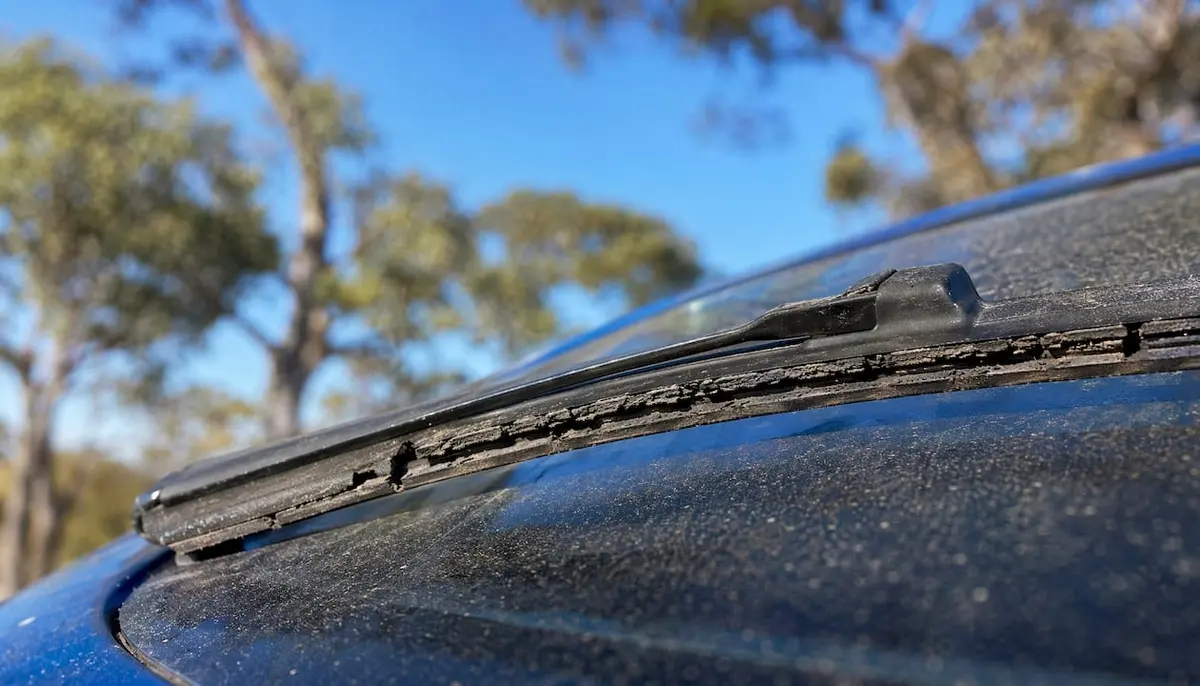
Professional installation ensures blades sit flush against the glass and apply even pressure across the full wipe arc. When a blade fits correctly, it clears water in a single, clean pass. When it does not, the driver compensates by leaning forward, slowing down, or relying on instinct rather than clear sight.
The wiper blade installation benefits go beyond comfort. Safety agencies and roadworthy inspection programmes in Australia list wiper condition as a primary check item. A vehicle that fails this check faces grounding, fines, or costly re-inspection fees. Addressing blade condition proactively through a proper installation service removes that risk entirely.
Key signs that installation quality has failed include:
- Streaking or smearing that persists after cleaning the glass
- A chattering or skipping sound during operation
- Uneven pressure leaving dry patches on the windscreen
- Visible gaps between the blade rubber and the glass surface
- Blades lifting away from the screen at highway speeds
Pro Tip: Lift your wiper arms away from the glass and run your finger along the rubber edge. If you feel nicks, hardness, or cracking, the blade needs replacing regardless of how recently it was installed.
Each of these signs points to either a worn blade or an installation error. Both are preventable with the right service and the right product.
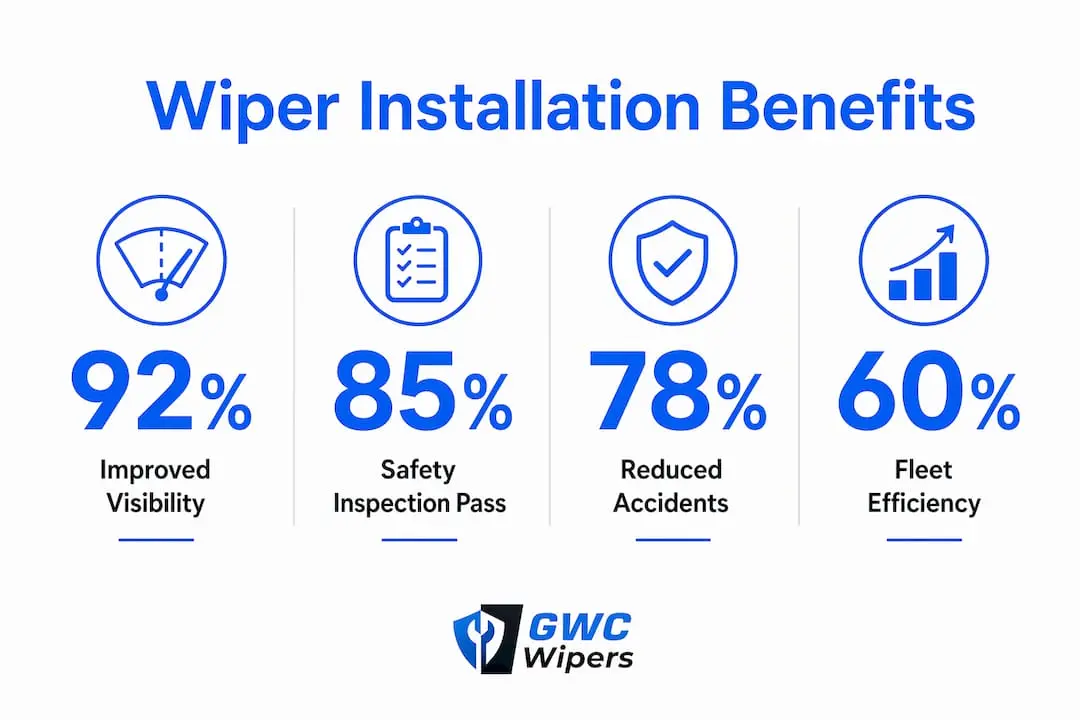
How do fleet operators benefit from wiper installation services?
Fleet operators carry a maintenance responsibility that private car owners do not. Every vehicle in a commercial fleet must meet roadworthy standards at all times, and integrating wipers into maintenance reduces emergency labour and downtime costs that catch fleet managers off guard.
The wiper blade service advantages for fleets are practical and measurable. A driver grounded by a failed roadworthy inspection costs far more than a scheduled blade replacement. Small maintenance actions like timely wiper replacement also reduce insurance claims and emergency repairs across the fleet. The value of wiper blade services becomes clear when you calculate the cost of one avoidable incident against the cost of a set of quality blades fitted correctly.
A structured approach to fleet wiper maintenance includes these steps:
- Assign a wiper inspection interval for each vehicle class, typically every six months or after 12,000 kilometres in high-use conditions.
- Maintain a vehicle-specific log recording blade brand, size, installation date, and next replacement date for every unit in the fleet.
- Specify blade type by application, using silicone-coated blades for vehicles operating in UV-heavy or high-heat environments such as outback routes.
- Schedule replacements proactively, not reactively. Waiting for a driver to report a problem means the vehicle has already operated in a compromised state.
- Pair wiper checks with tyre and brake inspections so the full safety system is reviewed at the same service point.
Pro Tip: Fleet managers who use a fleet maintenance checklist that includes wiper blade line items catch replacement needs before they become compliance issues.
Proactive wiper replacement planning with vehicle-specific tracking avoids emergency repairs and aligns directly with Australian fleet safety regulations. The fleet that logs its wiper history is the fleet that passes inspections without surprises.
What goes wrong with DIY wiper blade replacement?
DIY wiper blade replacement is possible, but the margin for error is wider than most drivers expect. Incorrect installation impairs wiping efficiency and risks damage to both the wiper arm and the windscreen glass. A blade that is not locked into its connector properly will lift, rattle, or drag across the glass, leaving scratches that cannot be reversed.
The most common DIY errors include:
- Selecting the wrong blade length for the driver or passenger side
- Failing to engage the wiper lock mechanism fully, leaving the blade loose
- Fitting a blade type incompatible with the vehicle’s arm connector style
- Forcing a universal blade onto a vehicle that requires a specific profile
- Forgetting to replace both blades simultaneously, leaving uneven wiping performance
Replacing both wiper blades at the same time is a standard practice that many DIY replacements skip. One new blade paired with one worn blade produces uneven wiping. The driver still experiences reduced visibility on the side with the older blade.
There is also a time cost to DIY installation. A driver who spends 20 minutes searching for the right blade size, fitting it incorrectly, and then refitting it has not saved money. A professional service completes the job correctly in minutes, with the right blade confirmed by make, model, and year. For fleet operators managing dozens of vehicles, the time efficiency of a professional installation service compounds significantly across the whole fleet. You can read more about the risks of self-installation before deciding which approach suits your situation.
Best practices for wiper installation and maintenance in Australia
Australian conditions demand more from wiper blades than most other climates. UV exposure, extreme heat, red dust, and sudden heavy rain all degrade blade rubber faster than mild temperate conditions. Following best practices for wiper installation and maintenance extends blade life and keeps your vehicle compliant.
The table below outlines the key standards for correct installation and ongoing maintenance:
| Practice | Recommendation | Why it matters |
|---|---|---|
| Blade size selection | Match exact make, model, and year specifications | Wrong sizes leave uncleaned zones on the windscreen |
| Blade material | Silicone-coated for UV and heat exposure | Silicone blades resist UV and heat better than standard rubber |
| Installation check | Confirm wiper lock is fully engaged after fitting | A loose blade causes poor wiping and potential glass damage |
| Replacement interval | Every 6–12 months depending on climate and use | Australian UV and heat accelerate rubber degradation |
| Simultaneous replacement | Replace driver and passenger blades together | Uneven blade age produces uneven wiping performance |
| Maintenance between replacements | Clean blade rubber with a damp cloth monthly | Removes dust and debris that cause premature wear |
Preventive maintenance at this level prevents costly repairs to windscreen glass and wiper motor systems. A blade that drags grit across the glass does not just reduce visibility. It etches the glass surface over time, turning a $30 replacement into a $300 windscreen repair.
For Australian drivers in coastal areas, salt air adds another degradation factor. Rinsing the blade rubber after beach driving and inspecting the wiper arm for corrosion keeps the full system performing correctly. GWC Wipers provides climate-specific wiper guidance for drivers across different Australian regions, from tropical north Queensland to the alpine conditions of the Snowy Mountains.
The importance of wiper services also extends to the wiper arm itself. A bent or corroded arm applies uneven pressure, which no blade can compensate for. Check the arm spring tension at every blade replacement. If the arm does not press the blade firmly against the glass, the arm needs attention before a new blade will perform correctly.
Key takeaways
Professional wiper blade installation is the single most reliable way to maintain clear visibility, pass safety inspections, and prevent avoidable damage to your windscreen and wiper system.
| Point | Details |
|---|---|
| Safety inspection compliance | Defective wiper blades are a leading cause of vehicle inspection failures in Australia. |
| Fleet cost reduction | Integrating wiper replacement into scheduled maintenance cuts emergency labour and downtime costs. |
| DIY installation risks | Incorrect fitting causes poor wiping, glass damage, and uneven performance across both blades. |
| Silicone blades for Australian conditions | Silicone-coated blades resist UV, heat, and dust better than standard rubber in harsh climates. |
| Replace both blades together | Fitting one new blade alongside one worn blade leaves uneven wiping and reduced visibility. |
Why I think wiper blades deserve more respect in any maintenance programme
After years of working with Australian vehicle owners and fleet operators, the pattern I see most often is this: wiper blades get replaced reactively, after a driver complains, after a roadworthy failure, or after a near-miss in heavy rain. That is the wrong order of events.
The installation quality matters as much as the blade itself. I have seen premium blades perform poorly because the wiper lock was not fully engaged, or because the arm connector type was mismatched. The blade was right. The installation was not. The result was the same as fitting a worn blade.
For fleet operators, I would argue that wiper blade tracking is one of the easiest wins in a fleet maintenance programme. The cost per vehicle is low. The compliance benefit is immediate. And the risk of not doing it, a driver caught in a storm with degraded blades, is not a risk worth carrying.
For private car owners, the advice is simpler. Check your blades before the wet season, not during it. If you are not confident about fitting them correctly, use a service that is. The step-by-step installation guide from GWC Wipers is a solid starting point if you want to do it yourself with confidence. But when in doubt, get it done properly. Your visibility on a wet road is not the place to cut corners.
— Faisal
Premium wiper blades and fitting support from GWC Wipers
GWC Wipers supplies premium wiper blades built for Australian conditions, with a vehicle selector tool that confirms the correct blade for your exact make, model, and year.
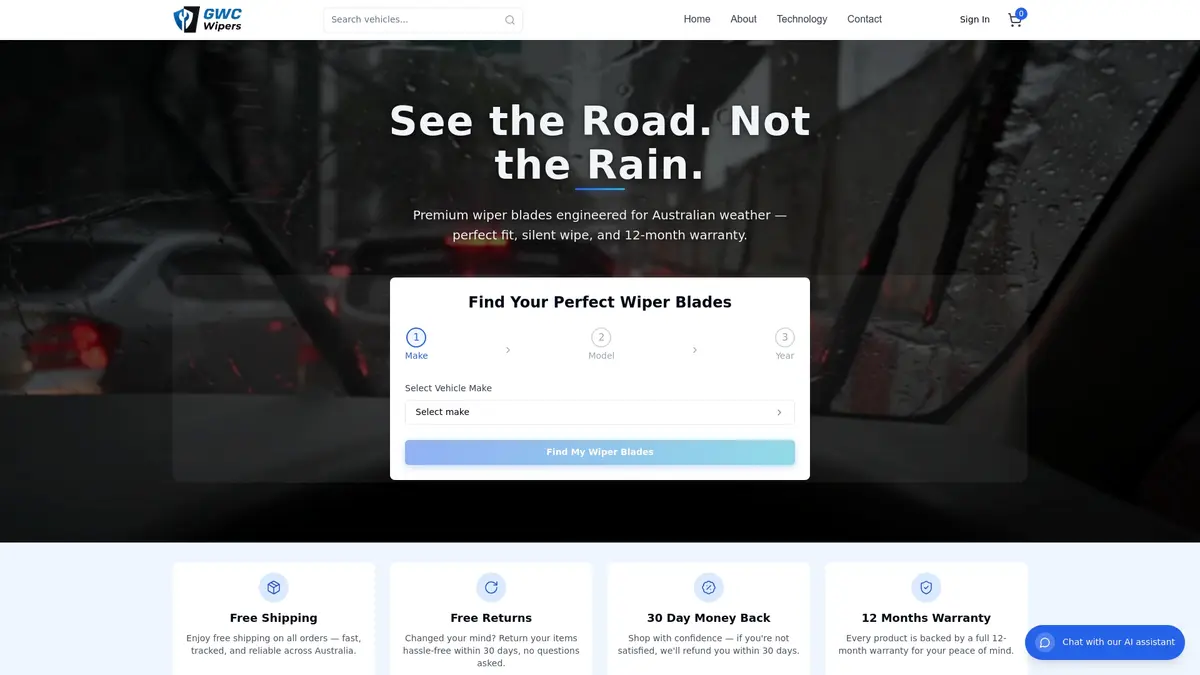
Whether you drive a Toyota, a Mercedes-Benz, or a Ford, GWC Wipers carries a wiper blade range for Toyota and a full selection for Mercedes-Benz models with detailed fitting guides included. Every order ships free across Australia and comes with a 12-month warranty and a 30-day money-back guarantee. If you want blades that fit correctly the first time and perform through every Australian season, GWC Wipers is the place to start.
FAQ
Why do wiper blades fail vehicle safety inspections?
Defective wiper blades rank at the top of vehicle safety inspection failures in Australia. Worn rubber causes streaking and smearing that inspectors identify as a direct visibility hazard.
How often should wiper blades be replaced in Australia?
Wiper blades in Australia should be replaced every 6–12 months. UV exposure, extreme heat, and dust degrade blade rubber faster than in milder climates, so the lower end of that range applies to vehicles in northern and outback regions.
Should I replace both wiper blades at the same time?
Replacing both blades simultaneously is the correct practice. One new blade paired with one worn blade produces uneven wiping and leaves part of the windscreen with reduced clarity.
What is the difference between silicone and rubber wiper blades?
Silicone-coated blades resist UV exposure, heat, and dust better than standard rubber blades. They also deposit a water-repellent layer on the glass over time, which improves visibility between wipe cycles.
Can incorrect wiper blade installation damage my windscreen?
A blade that is not properly locked into its connector can drag across the glass and cause scratches. Misfit blades also apply uneven pressure, which accelerates wear on both the blade and the glass surface.