
Wiper blade change for SUVs: 2026 guide
TL;DR:
- Replacing wiper blades on SUVs is a simple safety upgrade often delayed until blades fail. Proper identification of blade size and connector type prevents damage and ensures effective wiping in all Australian conditions. Regular replacement with silicone or hybrid blades maintains clear visibility and prolongs blade lifespan.
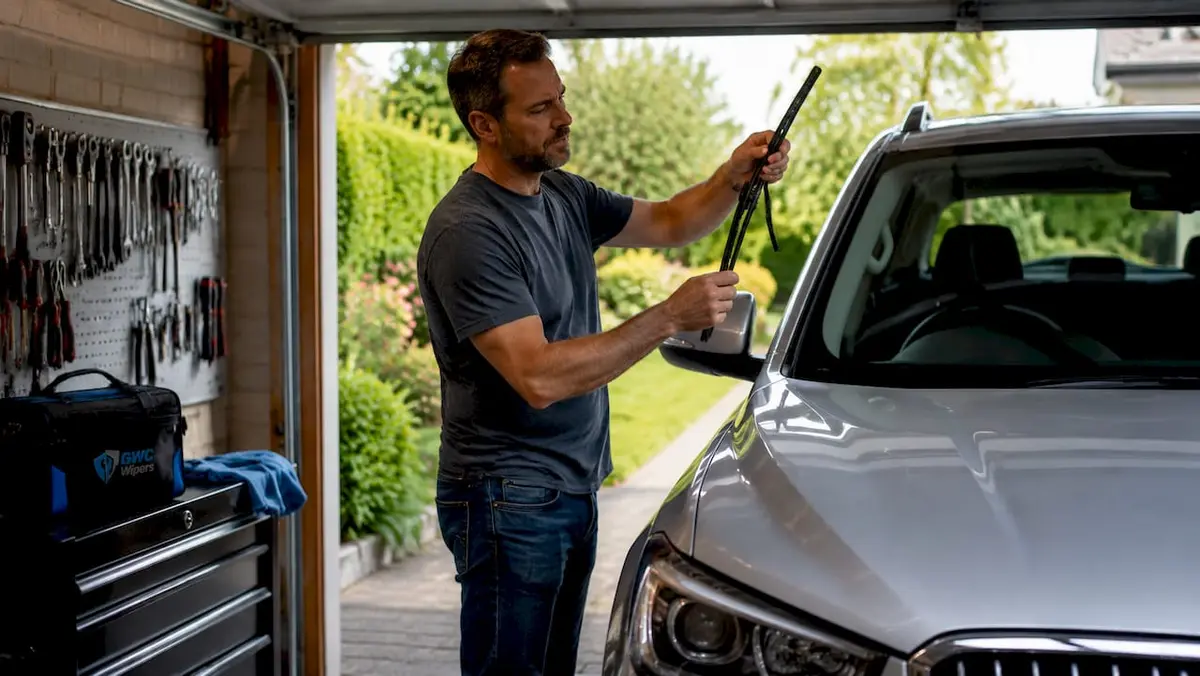
A wiper blade change for SUVs is one of the most straightforward safety upgrades you can do yourself, yet most drivers delay it until blades are already failing. Australian automotive guidance recommends replacing blades every 6–12 months, with harsh UV, heat, and dust pushing that interval closer to six months for many SUV drivers. The stakes are real. Worn blades reduce visibility in rain, and degraded rubber can leave micro-scratches on your windscreen that cost far more to fix than a new set of blades. Getting the right blades fitted correctly is what separates a five-minute job from a frustrating afternoon.
How to identify the right wiper blades for your SUV
Selecting the correct replacement blades is the step most SUV owners get wrong. Most drivers struggle with connector type identification far more than the physical swap itself. Getting this right before you buy saves time, money, and the risk of bending your wiper arm.
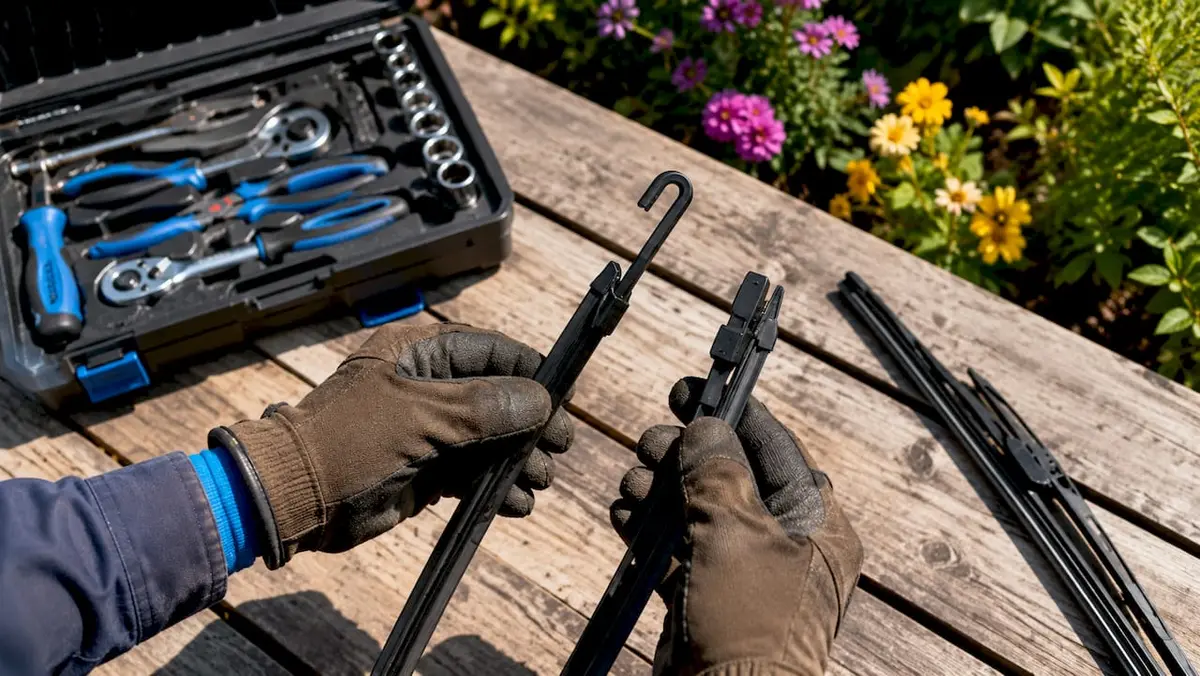
SUVs typically run different blade lengths on the driver and passenger sides. The driver side is almost always longer. Many SUVs also carry a rear wiper, which uses a separate arm design and a shorter blade. Always check all three positions when ordering replacements.
The four connector types you will encounter on Australian SUVs are:
- J-hook: The most common connector. A simple hook that clips over a pin on the wiper arm.
- Pinch-tab: Found on many European and Japanese SUVs. Requires pressing a tab to release the blade.
- Side-pin: Common on some Ford and Holden models. The blade slides onto a pin from the side.
- Bayonet: A barrel-style connector found on select Volkswagen and Mercedes-Benz models.
Incorrect connector handling risks permanently bending the wiper arm. A bent arm creates uneven pressure across the blade and causes streaking that no blade upgrade can fix.
For blade material, silicone blades outperform standard rubber in Australian conditions. They resist UV hardening, repel water more effectively at highway speeds, and last longer in coastal and outback environments. Hybrid blades combine a rubber wiping edge inside an aerodynamic shell, offering good all-weather performance at a mid-range price. Standard rubber blades are the most affordable but degrade fastest under high UV exposure. GWC Wipers’ blade types guide explains the trade-offs in detail for Australian drivers.
Pro Tip: Use your vehicle’s owner manual or an online fitment tool like the one on GWC Wipers to confirm blade length and connector type before purchasing. Never rely on measuring your old blade alone, as previous owners may have fitted the wrong size.
Step-by-step: how to change wiper blades on an SUV
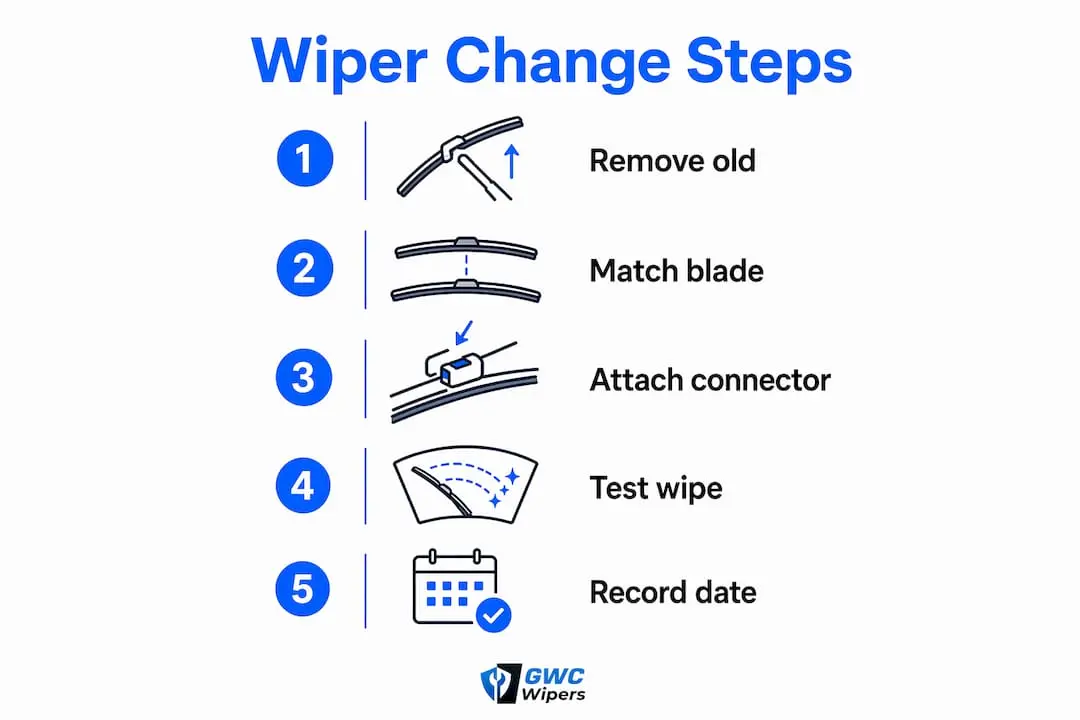
Wiper blade replacement takes 5–10 minutes per blade when you have the right parts and follow the correct sequence. Rushing or skipping steps is how wiper arms get damaged.
-
Prepare your workspace. Park on a flat surface, turn off the ignition, and lift the wiper arms away from the windscreen. Some SUVs have a service mode that holds the arms in a raised position. Check your owner manual. Lay a folded cloth on the windscreen beneath each arm as a buffer in case the arm snaps back.
-
Remove the old driver-side blade. Locate the connector type. For a J-hook, press the release tab on the underside of the blade where it meets the arm, then slide the blade downward and away. For a pinch-tab connector, squeeze the tab and pull the blade toward you. Work slowly. Forcing the connection is the most common cause of arm damage.
-
Remove the passenger-side blade. Repeat the same process. Note that the passenger arm is often shorter and sits at a different angle. Keep the cloth in place under this arm too.
-
Handle the rear wiper separately. Rear wiper arms on SUVs differ from front arms in design and tension. Lift the arm carefully and avoid letting it snap back onto the rear glass. The connector is often a pinch-tab or a proprietary clip. Remove the blade by pressing the release and sliding it free.
-
Install the new front blades. Align the new blade’s connector with the arm. Push it firmly into position until you hear a clear click. A blade that is not fully locked will lift at speed and leave unwiped streaks across your line of sight.
-
Install the rear blade. Follow the same click-lock process. Lower the arm gently onto the glass once the blade is secured.
-
Test all blades. Spray washer fluid and run the wipers through several full cycles. Watch for streaking, skipping, or any section of glass the blade misses. A correctly fitted blade wipes cleanly from edge to edge with no chatter.
Pro Tip: Clean your windscreen with a glass cleaner before installing new blades. Road grime and wax residue on the glass cause new blades to streak immediately, making you think the blade is faulty when the glass is the problem.
For a more detailed walkthrough, GWC Wipers has a step-by-step installation guide written specifically for Australian drivers.
Common wiper blade issues and how to fix them
Recognising the warning signs early prevents both safety risks and windscreen damage. Waiting until visible failure means the rubber has already been dragging across your glass, potentially leaving fine scratches that require professional polishing to remove.
The seven signs your blades need replacing are streaking, chattering, squeaking, uneven wiping, visible cracks in the rubber, an oily film left on the glass, and blade lift at highway speeds. Any one of these signals it is time to act.
Common issues after installation include:
- Streaking immediately after fitting: Usually caused by a dirty windscreen or a blade that is not fully locked onto the arm connector. Clean the glass and press the blade connection firmly until it clicks.
- Squeaking on wet glass: Often a sign of mismatched blade size or a connector that is slightly misaligned. Remove the blade and refit it, confirming the connector is fully seated.
- Skipping or chattering: Indicates uneven arm pressure or a blade that is too long for the arc. Confirm the blade length matches your vehicle’s specification.
- One side wiping poorly: If you replaced only one blade, the older blade’s worn rubber creates an imbalance. Replacing blades as a pair prevents this and maintains even wiping pressure across both sides.
- Blade lifting at speed: Common on SUVs with flat, aerodynamic windscreens. A beam-style or hybrid blade with built-in tension distributes pressure evenly and resists lift better than a traditional framed blade.
Replacing only one front blade is not recommended. Uneven wear between old and new blades causes skipping and can reduce the lifespan of the new blade by 20–30%. Always replace front blades as a matched pair.
Wiper blade care and replacement frequency for Australian SUVs
Australian conditions are harder on wiper blades than most drivers realise. High UV, heat, and dust accelerate rubber hardening and cracking, particularly in Queensland, Western Australia, and the Northern Territory. Drivers in these regions often need to replace blades every four to six months rather than the standard twelve.
The table below outlines recommended replacement intervals based on Australian conditions:
| Condition | Recommended interval | Blade type to consider |
|---|---|---|
| Mild coastal city (e.g. Melbourne, Adelaide) | Every 10–12 months | Silicone or hybrid |
| High UV, inland or outback regions | Every 4–6 months | Silicone |
| Tropical north (e.g. Darwin, Cairns) | Every 6 months | Silicone |
| Dusty rural or agricultural areas | Every 4–6 months | Silicone or hybrid |
| Alpine or snow regions | Every 6–8 months | Hybrid or winter-rated |
Silicone blades hold their shape and flexibility under UV stress far better than standard rubber. They also leave a light hydrophobic coating on the glass over time, which improves water beading between wipe cycles. For SUV drivers who cover long distances or travel through multiple climate zones, silicone is the most reliable choice.
GWC Wipers’ Australian weather guide breaks down how each climate zone affects blade longevity and what to look for when inspecting blades before the wet season.
Record the date each time you replace your blades. A simple note in your phone or glovebox is enough. Check blades before any long road trip and before the onset of the wet season. Blades degrade before they streak, so visual inspection alone is not a reliable test. Run the wipers on a wet windscreen and watch closely for any uneven wiping or missed patches.
Key takeaways
A wiper blade change for SUVs requires correct blade sizing, the right connector type, and paired replacement to maintain safe, clear visibility in all Australian conditions.
| Point | Details |
|---|---|
| Replace every 6–12 months | Harsh Australian UV and heat push this closer to 6 months in many regions. |
| Match connector type first | J-hook, pinch-tab, side-pin, and bayonet connectors each require a different removal method. |
| Always replace in pairs | Replacing only one blade causes uneven pressure and reduces the new blade’s lifespan. |
| Silicone outperforms rubber | Silicone blades resist UV hardening and last longer across Australian climate zones. |
| Clean the glass before fitting | Wax and grime cause new blades to streak, masking the blade’s true performance. |
What I have learned after years of watching drivers get this wrong
The single most common mistake I see is buying blades by length alone and ignoring the connector. A blade that is the right length but the wrong connector type either will not fit at all or sits slightly off-axis on the arm. That misalignment creates a pressure point, and within a few weeks the rubber starts to split unevenly. The driver assumes the blade is low quality. The real problem was a five-second oversight at the point of purchase.
The second mistake is waiting. I have spoken to drivers who noticed streaking for weeks before replacing their blades. By that point, the hardened rubber edge has been dragging across the glass repeatedly, leaving fine scratches that catch light at night and create glare. A new set of blades does not fix scratched glass. Prevention costs far less than a windscreen polish or replacement.
My practical advice: treat wiper blade maintenance the same way you treat tyre pressure checks. Build it into your routine every six months, regardless of how the blades look. Rubber degrades from UV exposure even when the wipers are not in use. A blade sitting in the Australian sun all summer is wearing out whether it rains or not. Check your replacement timing before the wet season, not after the first downpour reveals a problem.
Investing in vehicle-specific, silicone or hybrid blades from a reputable Australian supplier is worth every dollar. The clarity difference between a worn rubber blade and a fresh silicone blade on a rainy highway is not subtle. It is the difference between squinting through a smeared screen and seeing the road clearly.
— Faisal
GWC Wipers: vehicle-specific blades for Australian SUVs
GWC Wipers stocks premium wiper blades matched to your exact SUV make, model, and year. Every blade ships with the correct adapters for your connector type, so there is no guesswork at installation.
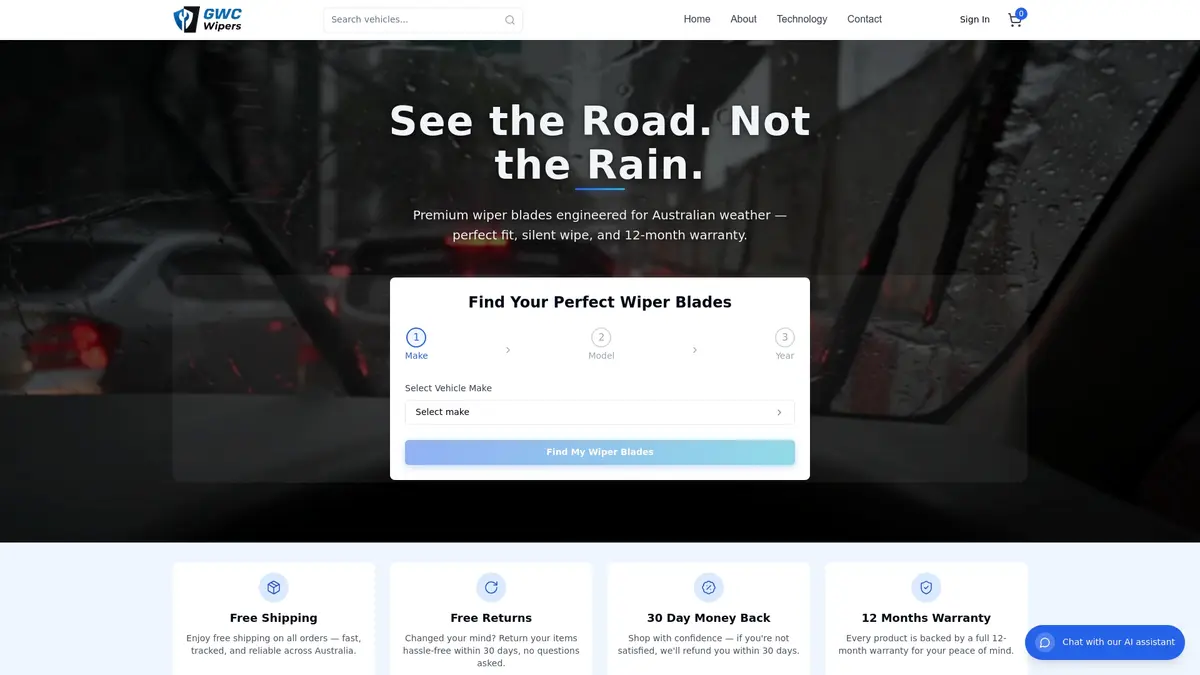
The GWC Wipers fitment tool covers a wide range of popular Australian SUVs, from the Land Rover Discovery Sport to the Porsche Cayenne, with blades built to handle everything from coastal humidity to outback dust. All orders include free shipping across Australia, a 12-month warranty, and a 30-day money-back guarantee. Pricing sits well below dealer rates, and the blades are designed specifically for Australian weather conditions. Select your vehicle on the GWC Wipers website and have the right blades at your door within days.
FAQ
How often should I replace wiper blades on my SUV?
Replace wiper blades every 6–12 months. Drivers in high UV, dusty, or tropical regions of Australia should replace closer to every four to six months.
What connector type does my SUV use?
The most common connector types on Australian SUVs are J-hook, pinch-tab, side-pin, and bayonet. Check your owner manual or use an online fitment tool to confirm the correct type before purchasing.
Can I replace just one wiper blade at a time?
Replacing only one blade is not recommended. Uneven blade wear causes skipping and can reduce the lifespan of the new blade by 20–30%. Always replace front blades as a matched pair.
Are silicone blades worth it for Australian conditions?
Yes. Silicone blades resist UV hardening and heat degradation far better than standard rubber, making them the most durable choice for most Australian climates and driving conditions.
Do SUV rear wipers use the same blades as the front?
No. Rear wiper arms on SUVs use a different design and a shorter blade. Always check the rear wiper specification separately when ordering replacement blades.