
Fleet windshield maintenance tips for managers: checklist

Six actions protect your fleet’s windscreens right now: report damage within the same shift, tag the vehicle, triage by location and size, repair chips within 48 hours, schedule full replacements within your depot window, and log every ADAS-affecting job with a recalibration certificate. These steps form the backbone of any credible fleet windshield maintenance programme, and they align directly with the NHVR’s National Heavy Vehicle Inspection Manual (NHVIM) Section 10 and Australian Standard AS 2366 for laminated glass repair.
- Report — driver submits damage report with photos before end of shift.
- Tag — vehicle is marked as pending inspection; do not redeploy until assessed.
- Triage — supervisor checks size, location, and depth against NHVIM thresholds.
- Repair — mobile resin repair within 48 hours for eligible chips.
- Replace — full replacement scheduled within the depot maintenance window for non-repairable damage.
- Log and escalate — record VIN, technician, method, and recalibration certificate for any ADAS-equipped vehicle.
Key takeaways
Effective fleet windscreen maintenance combines rapid damage reporting, NHVIM-compliant repair and replacement decisions, scheduled wiper maintenance, and a documented 30–90 day rollout plan to move from reactive to preventive care.
| Point | Details |
|---|---|
| Report damage within the shift | Chips repaired quickly stay repairable; delays allow contamination that prevents resin adhesion. |
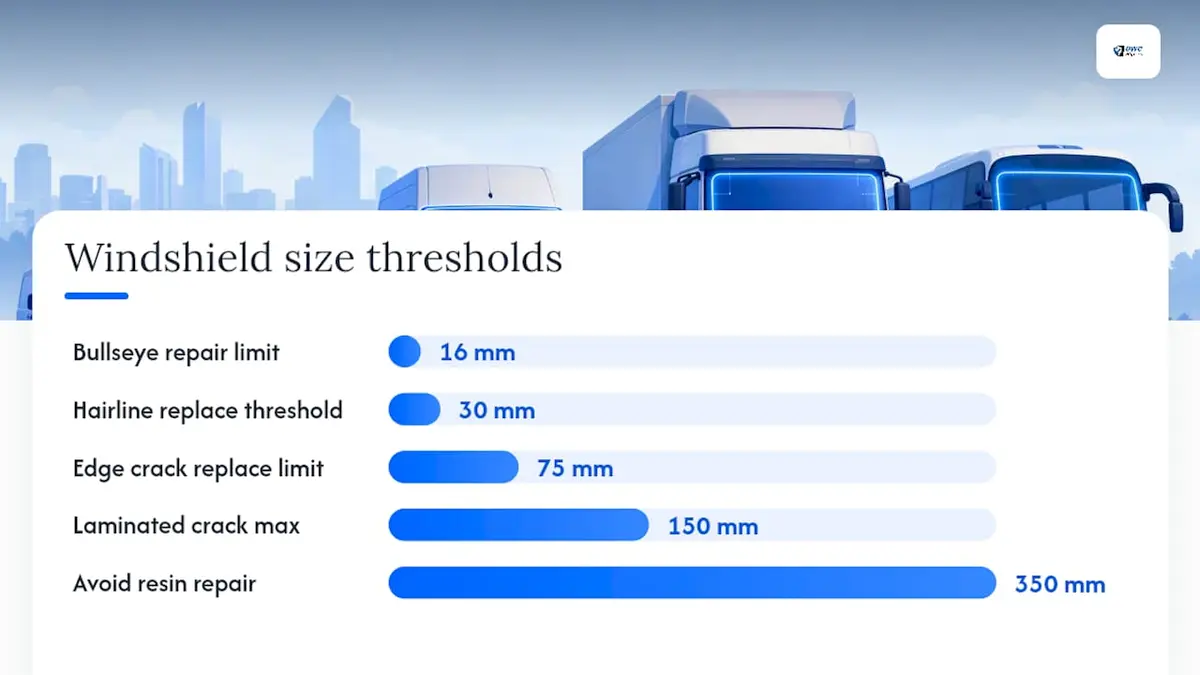
| Apply NHVIM thresholds | Reject vehicles with bullseyes over 16 mm, hairline cracks over 30 mm, or edge cracks over 75 mm. |
| Replace and recalibrate for ADAS | Any full replacement on an ADAS-equipped vehicle requires a recalibration certificate for audit and insurance. |
| Maintain vehicle-specific blades | Correct-fit blades prevent micro-scratching and protect the swept area between repairs. |
| GWC Wipers for fleet stock | Vehicle-specific blades with a 12-month warranty and fitment guarantee across 2,500+ models simplify procurement. |
Table of Contents
- 1. What your daily and weekly inspection routine should cover
- 2. How to make repair versus replacement decisions with confidence
- 3. Wiper maintenance: keeping blades from becoming the weak link
- 4. Operational prevention: how to reduce chips and cracks before they happen
- 5. On-route actions when damage happens away from the depot
- 6. How to build a fleet windscreen policy with schedules, logs, and KPIs
- 7. Compliance references every fleet manager needs to know
- 8. What to keep in stock and when to choose premium blades
- 9. A 30–90 day plan to move from reactive to scheduled windscreen care
- Why premium blades matter more than most fleet managers realise
- Keep your fleet’s windscreens protected with the right blades on hand
- Sources
- FAQ
1. What your daily and weekly inspection routine should cover
The swept area is your compliance zone. NHVIM Section 10 treats driver visibility as the primary rejection criterion, so every inspection should start there and work outward.
Daily checks (driver or depot staff at shift start):
- Wiper operation at all speeds, including intermittent
- Washer spray aim — jets should hit the swept area, not the roofline
- Visible chips, cracks, or star fractures in the swept area
- Demister function — clear within five minutes of activation
- Any new edge damage not present at last check
Weekly checks (depot supervisor or maintenance staff):
- Wiper blade edge condition — look for splits, lifted rubber, and streaking
- Light transmittance spot-check on tinted or film-treated glass
- Edge crack measurement — flag anything approaching 75 mm
- Evidence of delamination or moisture ingress between glass layers
Pro Tip: Take two photos of every new chip — one from inside the cabin and one from outside. Include the vehicle ID, date, and a coin or ruler for scale. This photo pair is your audit trail if the damage is later disputed or escalates before repair.
Use the windshield clarity checklist for Australian drivers as a printable reference for drivers who are new to the reporting process.
2. How to make repair versus replacement decisions with confidence
Repair first when the damage is small, shallow, and outside the primary vision area. Replace when it is not. The NHVIM rejection criteria give you the hard thresholds: bullseyes or star fractures over 16 mm, hairline cracks over 30 mm, or edge cracks over 75 mm are all reasons for rejection. Laminated windscreens may retain bullseyes up to 16 mm and cracks up to 150 mm, provided they do not impair the driver’s vision.
Key figure: A chip repaired within hours of impact has a significantly higher success rate than one left overnight, because contaminants entering the fissure reduce resin adhesion. The Sydney fleet operator’s checklist confirms that rapid reporting is the single biggest factor in whether a chip stays repairable.
Avoid resin repairs longer than 350 mm; structural integrity becomes unreliable beyond that length. Any repair that leaves an optical distortion in the primary vision area requires replacement regardless of size. ADAS camera zones — typically bonded to the upper centre of the glass — trigger mandatory recalibration after full replacement. Commercial replacements typically take 2–4 hours including ADAS calibration work, so factor that downtime into your scheduling.
| Scenario | Preferred action |
|---|---|
| Bullseye ≤ 16 mm, outside primary vision area | Resin repair within 48 hours |
| Crack ≤ 150 mm, laminated glass, vision unimpaired | Monitor or repair; replace if spreading |
| Hairline crack > 30 mm in swept area | Replace |
| Edge crack > 75 mm | Replace immediately |
| Any damage in ADAS camera zone | Replace and recalibrate |
| Multi-layer penetration or delamination | Replace immediately |
After replacement, always test wipers before returning the vehicle to service — new glass profiles can affect blade contact and streaking.
3. Wiper maintenance: keeping blades from becoming the weak link
Worn blades scratch glass. A scratched windscreen in the swept area is a compliance fault waiting to happen, and it is entirely preventable.
- Check blade edges at every weekly inspection — splits, lifted rubber, or hardened sections mean the blade needs replacing.
- Confirm mounting security — a loose arm puts uneven pressure on the glass and accelerates wear.
- Verify correct fitment — a blade that is even slightly too long or short for the vehicle’s arm geometry will skip and streak.
- Test washer spray alignment after any blade swap — nozzles can shift during installation.
- Check demister function — a demister that clears slowly forces drivers to rely on wipers in conditions where both should work together.
For heavy-use fleet vehicles operating in dust, rain, or extreme heat, blade replacement every six months is a practical baseline. Vehicles running long daily kilometres may need quarterly checks. Keeping vehicle-specific blades in depot stock — rather than sourcing ad hoc — cuts the turnaround time from fault to fix. GWC Wipers supplies fleet-specific premium blades with a 12-month warranty and fitment guarantee across more than 2,500 vehicle models, which simplifies procurement and supports your maintenance KPIs.
For a step-by-step installation reference, the fleet wiper installation guide covers correct fitment checks from arm attachment to first-wipe verification.

4. Operational prevention: how to reduce chips and cracks before they happen
Prevention costs far less than replacement. The highest-impact measures are route planning, depot parking discipline, and driver training — none of which require capital expenditure.
Route and environment:
- Avoid loose-surface sections during peak gravel-spray periods where alternatives exist.
- Maintain safe following distances behind heavy plant and aggregate trucks — stone throw distance increases sharply above 80 km/h.
- Fit stone guards or mesh deflectors on vehicles that regularly run unsealed roads.
- Space trailers correctly to prevent tyre-thrown debris from reaching the cab.
Driver behaviour:
- Train drivers to report chips at end of shift, not when they feel like it. A reporting culture is built by making the process fast — a two-photo upload via a fleet app takes under a minute.
- Never use tape over a crack as a temporary measure. Tape traps moisture, accelerates delamination, and masks spreading damage from the next inspection. This is one of the most common operator mistakes that turns a repairable chip into a full replacement.
- Brief drivers on parking orientation — parking facing away from prevailing hail or debris during storms reduces impact exposure. A vehicle protection checklist covers protective film and parking strategies worth integrating into depot SOPs.
Pro Tip: Slot windscreen prevention items into existing toolbox talks and pre-start safety briefings. Drivers absorb reporting habits better when glass care sits alongside fatigue and load checks rather than as a standalone memo.
5. On-route actions when damage happens away from the depot
If vision is impaired or an edge crack is spreading, the vehicle stops. That is the non-negotiable rule. Everything else is a managed response.
Driver emergency checklist:
- Pull over safely and assess — is the swept area affected?
- Photograph the damage (inside and outside views, with vehicle ID visible).
- Contact the depot supervisor immediately with location, vehicle ID, and damage description.
- If a mobile resin kit is available and the chip is small, clean the area and apply a temporary patch — but only if the chip is outside the primary vision area and the glass layers are intact.
- Mark the damage with a removable sticker so the next driver cannot miss it.
- Do not drive if the crack is within the swept area, near an edge, or if the inner layer is breached.
Mobile on-route chip repairs commonly take under an hour, making them practical for minor damage on long routes. Full replacements with ADAS work extend to multiple hours including cure time and calibration — plan accordingly when dispatching a recovery vehicle or mobile glazier.
6. How to build a fleet windscreen policy with schedules, logs, and KPIs
A documented schedule turns reactive firefighting into a managed programme. Integrating glazing-condition monitoring into fleet telematics is architecturally feasible and gives managers predictive alerts rather than end-of-shift surprises.
| Schedule | Task | Owner |
|---|---|---|
| Daily | Driver pre-start check (swept area, wipers, washers, demister) | Driver |
| Monthly | Wiper blade inspection and swap if needed | Depot supervisor |
| Quarterly | Full windscreen audit, light transmittance check, edge crack survey | Maintenance lead |
| Post-replacement | ADAS recalibration and certificate filing | Preferred glazier |
Record-keeping must-haves: vehicle VIN, date, damage description, photos, repair method, technician name, and recalibration certificate for any ADAS-affected job. A managed fleet glass programme standardises this reporting and makes audit trails defensible during inspections or insurance claims.
KPIs to track: damage reporting rate per vehicle per month, average time-to-repair, repeat-failure rate on repaired chips, and percentage of replacements completed with recalibration certificates on file.
Pro Tip: Tie glass-health items to existing preventive maintenance work orders. When a vehicle comes in for a scheduled service, the wiper and windscreen check happens automatically rather than as a separate booking.
7. Compliance references every fleet manager needs to know
- NHVIM / NHVR Section 10 — the primary inspection standard. Rejection criteria include bullseyes/star fractures over 16 mm, hairline cracks over 30 mm, and edge cracks over 75 mm. The swept area is the compliance zone.
8. What to keep in stock and when to choose premium blades
Keep a short, vehicle-specific spares list at each depot. The minimum stock for most mixed fleets:
- Wiper blades for your top five vehicle models by count
- Universal adapters for uncommon fitments
- Urethane adhesive (premium grade for ADAS-equipped vehicles)
- Resin repair kits for mobile chip response
- ADAS bracket sets for your highest-volume replacement models
Premium blades earn their place in fleet stock through longer service life, better pressure distribution across the swept area, and manufacturer warranties that support your maintenance records. Vehicle-specific fitment also removes the guesswork from installation — a blade that fits correctly from the first wipe does not create the micro-scratching that accelerates glass wear. GWC Wipers’ fleet-grade premium blades carry a 12-month warranty and fitment guarantee, with coverage across Toyota, Mitsubishi, Mercedes-Benz, Volvo, and many other common fleet makes.
Stock to your fleet mix. If Toyota vehicles make up the majority of your fleet, Toyota-specific blades should be your highest-volume line. For mixed European fleets, Mercedes-Benz blades and Mitsubishi blades cover a wide range of common models.
9. A 30–90 day plan to move from reactive to scheduled windscreen care
Days 0–7 — immediate triage:
- Audit every vehicle in the fleet for existing windscreen damage. Photograph and log all findings.
- Remove any vehicle with swept-area damage or edge cracks over 75 mm from service.
- Order blade stock for your top five vehicle models.
- Brief depot supervisors on the six-step reporting protocol.
Days 8–30 — standard operating procedures and stock:
- Implement the daily driver check and weekly supervisor inspection using the checklists above.
- Establish a preferred glazier relationship with agreed SLAs (chip repair within 48 hours, replacement within your depot window).
- Set up a simple digital log — even a shared spreadsheet with VIN, date, damage type, action, and certificate status works as a starting point.
- Run a 30-minute driver training session covering reporting, safe following distances, and the no-tape rule.
Days 31–90 — audit and optimisation:
- Review KPIs: reporting rate, time-to-repair, repeat failures.
- Schedule quarterly windscreen audits and add them to the PM calendar.
- Pilot telematics-integrated glazing alerts on a subset of vehicles before wider rollout.
- Involve procurement, the preferred glass vendor, depot supervisors, and the driver safety representative in a brief review meeting to refine the programme.
Why premium blades matter more than most fleet managers realise
The conventional wisdom treats wiper blades as a consumable afterthought — swap them when they streak, buy whatever is cheapest in bulk. That approach is a false economy for any fleet that cares about windscreen longevity and compliance.
A worn or poorly fitted blade does not just reduce visibility. It micro-scratches the glass surface on every wipe cycle, degrading the optical clarity of a repaired chip and accelerating the point at which a borderline windscreen fails a light transmittance check. Vehicle-specific blades with segmented pressure distribution maintain even contact across the full swept arc, which is exactly the zone NHVIM treats as the compliance priority. A blade that lifts at the edges under highway speed creates a gap in that arc — and in a rain event, that gap is where vision fails first.
GWC Wipers’ 12-month warranty and fitment guarantee are not just procurement conveniences. They give fleet managers a documented assurance that the blade installed on a vehicle meets the manufacturer’s specification, which supports your maintenance records and reduces liability exposure if a windscreen condition is ever questioned during an audit.
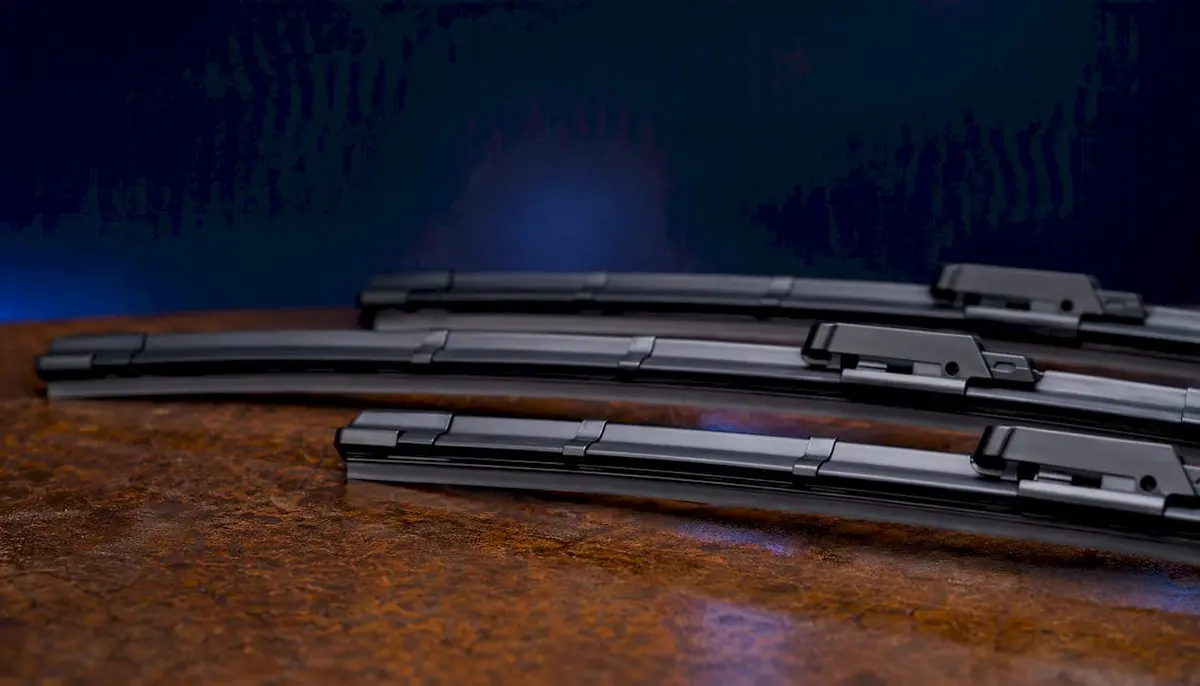
Keep your fleet’s windscreens protected with the right blades on hand
Stocking the right wiper blades at your depot is one of the lowest-cost, highest-return steps in any fleet windscreen maintenance programme. A blade that fits correctly, maintains full swept-area contact, and carries a manufacturer warranty removes one variable from your compliance risk and extends the life of every repaired windscreen in your fleet.
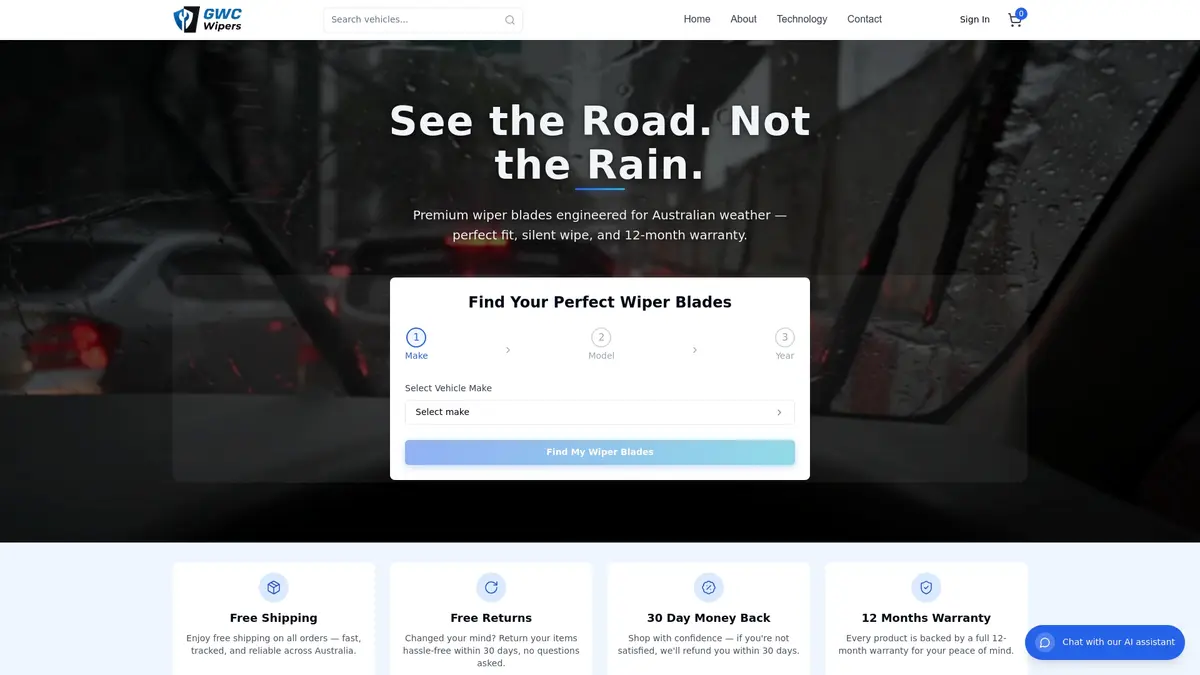
GWC Wipers supplies vehicle-specific premium blades for over 2,500 models, with free shipping across Australia, a 30-day money-back guarantee, and a 12-month warranty. Blades arrive preassembled with the correct adapters, so depot installation takes minutes rather than a workshop booking. Browse premium wiper blades for Mercedes-Benz or use the vehicle selector at Gwcwipers to find the exact fit for every model in your fleet and place a corporate order today.
Sources
The following references underpin the compliance thresholds and operational guidance in this article:
- Truck Windscreen Repair vs Replacement: A Sydney Fleet Operator’s Checklist
- Box truck windshield replacement: A fleet manager’s 2026 guide
- Integration of automotive glazing condition monitoring into fleet management systems
- Strategic fleet glass repair program: A 2026 guide for fleet managers - Pinnacle Auto Glass
FAQ
What damage size triggers rejection under NHVIM?
NHVIM Section 10 rejects vehicles with bullseyes or star fractures over 16 mm, hairline cracks over 30 mm, or edge cracks over 75 mm. Laminated windscreens may retain cracks up to 150 mm if they do not impair the driver’s vision.
How often should fleet wiper blades be replaced?
Heavy-use fleet vehicles should have blades inspected every three months and replaced at least every six months. Vehicles operating in dust, extreme heat, or high-rainfall conditions may need more frequent replacement.
Does every windscreen replacement require ADAS recalibration?
Any replacement on a vehicle where cameras or sensors are bonded to the windscreen requires recalibration. A recalibration certificate must be filed with the vehicle record for audit and insurance purposes.
What is the minimum light transmittance for a compliant windscreen?
Replacement glass must also carry an approved safety-glass identification mark under AS 2080 or a recognised equivalent.
Can GWC Wipers supply blades for mixed fleet makes?
Yes. GWC Wipers covers over 2,500 vehicle models including Toyota, Mitsubishi, Mercedes-Benz, Volvo, and Land Rover, with vehicle-specific fitment, preassembled adapters, and a 12-month warranty on every blade.