
Honda wiper replacement: why it improves your safety
TL;DR:
- Replacing Honda wiper blades every 6 to 12 months improves safety by ensuring clear visibility during rain and low-light conditions. Worn blades cause streaking and smear, which impair judgment and increase collision risk, especially on wet roads. Regular inspections help prevent micro-scratches on the windscreen and maintain optimal safety performance.
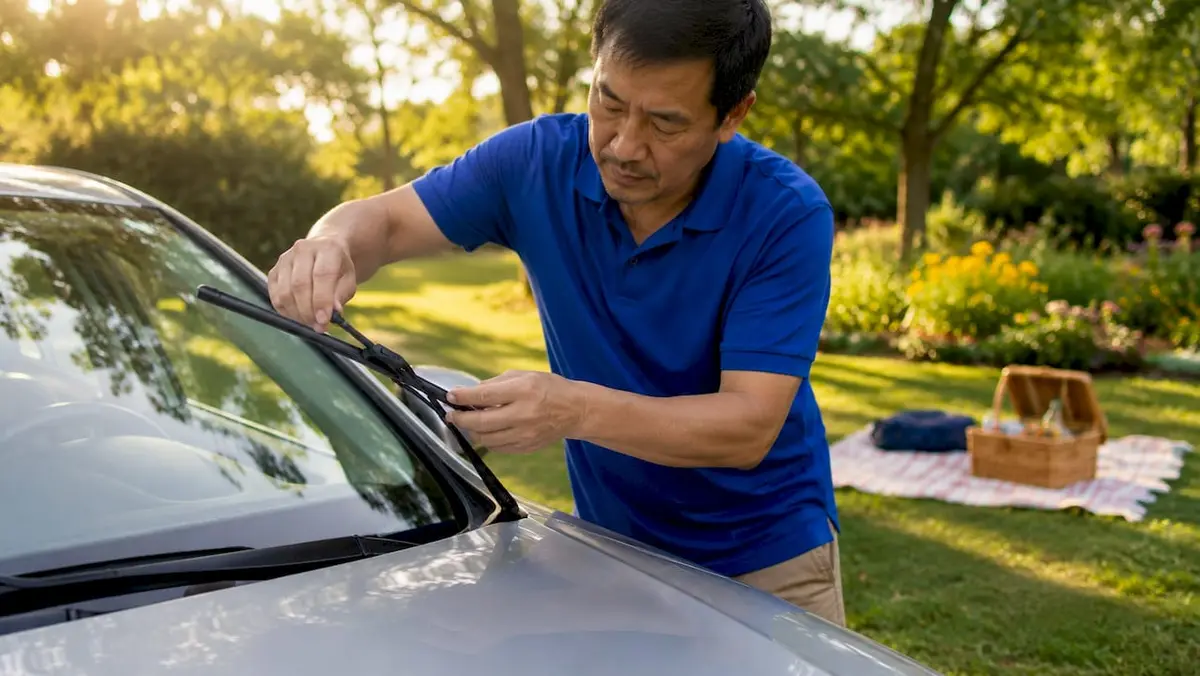
Replacing your Honda wiper blades is one of the most direct safety actions you can take as a driver. Worn blades reduce your ability to see road markings, brake lights, and hazards during rain, which directly increases your accident risk. Australian automotive experts recommend replacing blades every 6–12 months, with 6 months the standard in high-UV regions like Queensland and Western Australia. Understanding why Honda wiper replacement improves safety means understanding how much your vision depends on two thin strips of rubber doing their job perfectly.
How does a worn wiper blade affect driver visibility and safety?
Worn wiper blades cause streaking, smearing, and juddering across your windscreen. Each of those effects blocks your view of lane markings, vehicles ahead, and traffic signals at exactly the moment you need them most. Poor visibility limits reaction time, and at highway speeds, even a fraction of a second’s delay in perceiving a hazard can mean the difference between stopping safely and a collision.
The safety functions of a working wiper blade go well beyond clearing water. Good blades help you judge braking distance, read lane positions, spot road edges, assess surface water depth, and identify vehicles ahead in spray conditions. When blades fail, all of those judgements become guesswork.
Wet roads already double your stopping distance compared to dry conditions. Reduced visibility by 20% can eliminate the remaining safety margin in heavy rain. That figure is not abstract. It means a driver with worn blades may have no room left to avoid a hazard that a driver with fresh blades would handle without incident.
“Worn wiper blades reduce driver reaction time by impairing visibility. Clear sight of brake lights, traffic signals, and road markings in heavy rain is not a comfort feature. It is a safety requirement.”
The safety risks compound in low-light conditions. Glare from oncoming headlights scatters across a smeared windscreen, creating a visual fog that makes hazard recognition genuinely difficult. Replacing blades removes that hazard entirely.
Here are the key visibility elements that worn blades directly compromise:
- Lane markings and road edge detection during heavy rain
- Recognition of brake lights and traffic signals through spray
- Assessment of surface water depth and aquaplaning risk
- Identification of pedestrians and cyclists in low-light, wet conditions
- Accurate judgement of following distance in storm conditions
What environmental factors accelerate Honda wiper blade degradation in Australia?
Australia’s climate is unusually harsh on wiper blade rubber. UV radiation in Queensland and Western Australia is among the most intense in the world, and Australian sun degrades rubber tensile strength by approximately 25% after six months. Windscreen surface temperatures regularly exceed 50°C, causing blades to warp, harden, and lose the flexibility they need to wipe cleanly.
The degradation process is not always visible. UV damage hardens rubber from the inside out, so a blade can look intact while its wiping edge has already lost the flexibility needed for smooth contact. The failure shows up as skipping during heavy rain, precisely when you need clear vision most.
Dust and debris act as an abrasive on blade edges. In regional and outback areas, fine particles grind against the rubber with every wipe, accelerating edge wear far faster than rain alone would. Coastal drivers face a different problem. Salt air corrodes the metal components of wiper arms and blade frames, stiffening the spring tension and causing uneven pressure across the windscreen.
Here is a practical breakdown of the main environmental threats to your blades:
- UV radiation hardens rubber and causes cracking, especially in northern and western states.
- Heat above 50°C warps blade profiles, reducing contact with the windscreen curve.
- Dust and grit abrade the wiping edge, creating micro-tears that cause streaking.
- Salt air corrodes metal frames and reduces spring tension in coastal areas.
- Ozone exposure breaks down rubber compounds over time, even without direct sun.
Pro Tip: Even if your Honda sits in a garage most of the week, outdoor parking during the day exposes blades to enough UV and heat to degrade rubber. Unused blades age daily from environmental exposure alone, so mileage is not a reliable guide to blade condition.
How often should Honda owners replace wiper blades for optimal safety?
The standard replacement interval is 6–12 months, but Honda owners in harsh Australian climates should lean toward the 6-month end of that range. Drivers in Queensland, Western Australia, and the Northern Territory face UV and heat conditions that shorten effective blade life well before the 12-month mark. Drivers in temperate southern cities can often reach 12 months, but only with regular inspections.

The signs of worn blades are clear once you know what to look for: streaking across the windscreen, missed patches of water, squeaking or chattering during operation, and visible cracking or hardening of the rubber edge. Any one of these symptoms means replacement is overdue.
Setting a calendar reminder tied to a seasonal event works better than relying on memory. Automotive industry experts recommend automated 12-month reminders to prevent safety incidents during storms. For Honda owners in northern states, a reminder before the wet season and another at the end of summer covers both the highest-use and highest-degradation periods.
The choice between rubber and silicone blades also affects how long you can safely go between replacements. The table below compares the two types under Australian conditions.
| Feature | Rubber blades | Silicone blades |
|---|---|---|
| Typical lifespan | 6–12 months | 12–24 months |
| UV resistance | Moderate | High |
| Heat tolerance | Lower, warps above 50°C | Higher, maintains flexibility |
| Performance in heavy rain | Good when new, degrades quickly | Consistent throughout lifespan |
| Cost | Lower upfront | Higher upfront, lower long-term |
| Best suited for | Mild, temperate climates | Harsh Australian conditions |
Silicone blades cost more upfront, but their longer lifespan and better UV resistance make them the more practical choice for most Australian Honda owners. You can read more about choosing the right blade type for your conditions before making a decision.
Pro Tip: Check your blades every time you wash your Honda. Run a damp cloth along the rubber edge. If it feels stiff, gritty, or leaves black residue on the cloth, the blade is past its best and should be replaced before the next rain event.
What are the safety benefits of timely Honda wiper blade replacement?
Fresh wiper blades restore full windscreen clarity, which directly reduces your perception-reaction time in hazardous conditions. Faster hazard recognition means earlier braking, and earlier braking means shorter stopping distances. On a wet road where stopping distance already doubles, every metre of earlier braking is meaningful.
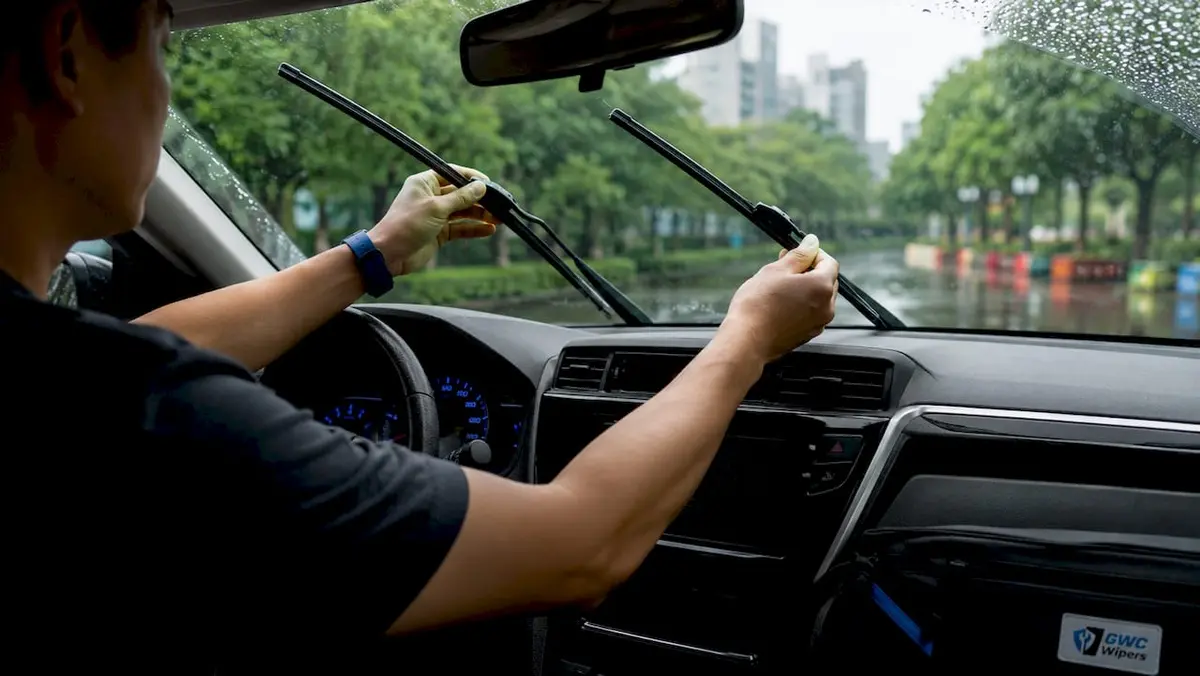
Timely replacement also protects your windscreen glass. Worn blades cause micro-scratches on the windscreen surface that impair visibility, particularly in low light and when facing oncoming headlights. Those scratches are permanent and worsen over time. Replacing blades before they reach that stage avoids a repair cost that far exceeds the price of new blades.
The Honda wiper safety benefits extend to glare management and spray handling. A clean, scratch-free windscreen with fresh blades manages headlight glare and road spray far more effectively than a scratched surface with worn blades. That difference is most noticeable on motorways at night during rain, where the combination of speed, spray, and oncoming lights creates the most demanding visibility conditions.
Wiper blades sit alongside tyres and brakes as the three maintenance items most directly linked to accident prevention. Replacing wipers costs less than a tank of fuel and takes under five minutes. The safety return on that investment is disproportionately high. You can also review a car visibility checklist to confirm your Honda is fully prepared for wet weather driving.
The key safety improvements from fresh blades include:
- Restored full-width windscreen clearing with no streaks or missed patches
- Reduced perception-reaction time through clearer hazard identification
- Protection of windscreen glass from micro-scratches that degrade long-term visibility
- Better management of glare, spray, and low-light driving conditions
- Maintained aerodynamic contact pressure across the full blade length
How can Honda owners maintain and inspect their wiper blades for safety?
Regular inspection is the simplest wiper blade maintenance tip you can follow. A monthly visual check takes less than two minutes and catches problems before they become safety risks. Look for cracking or hardening along the rubber edge, any separation between the rubber and the blade frame, and uneven contact when you press the blade against the glass.
Follow these steps for a reliable monthly inspection and functional test:
- Lift each blade away from the windscreen and run your finger along the rubber wiping edge. It should feel smooth and flexible, not stiff or gritty.
- Check the blade frame for rust, bent sections, or loose connections at the arm attachment point.
- Run the wipers on a wet windscreen and observe the sweep. Any streaking, chattering, or missed patches signals a blade that needs replacing.
- Clean the blade with a damp cloth and mild detergent to remove built-up grime and road film that accelerates wear.
- Test the washer fluid at the same time. Dry wiping without fluid damages both the blade and the glass.
Never operate your wipers on a dry windscreen. The rubber drags against glass without lubrication, generating heat and friction that accelerates edge wear significantly. Always use washer fluid or wait for rain before activating the blades.
Pro Tip: Before any long drive or at the start of the wet season, run a full wiper test with washer fluid. If the blades leave a single streak or miss a patch, replace them before you leave. A seasonal wiper inspection takes minutes and removes a genuine safety variable from your trip.
Key takeaways
Honda wiper replacement improves safety by restoring full windscreen clarity, reducing perception-reaction time, and protecting the windscreen glass from micro-scratches that permanently impair visibility.
| Point | Details |
|---|---|
| Replace every 6 months in harsh climates | Queensland and Western Australia drivers should replace blades every 6 months due to UV and heat degradation. |
| Worn blades increase stopping risk | Reduced visibility on wet roads compounds the doubled stopping distance, eliminating your safety margin. |
| Silicone outlasts rubber in Australian heat | Silicone blades maintain flexibility above 50°C and last up to 24 months, making them cost-effective long-term. |
| Micro-scratches are permanent damage | Worn blades scratch windscreen glass, worsening visibility in low light and increasing long-term repair costs. |
| Monthly inspection prevents failure | A two-minute monthly check of blade flexibility, frame condition, and wipe quality catches problems before they matter. |
Why I stopped treating wiper blades as an afterthought
I spent years thinking about wiper blades the way most drivers do: replace them when they stop working. That approach is genuinely dangerous, and I only understood why after watching a driver in front of me on the M1 during a Queensland storm brake hard for a flooded section of road. His reaction was slow. His blades were clearly streaking. He stopped in time, but only just.
Wiper blades are safety equipment, not maintenance parts. The distinction matters because we treat safety equipment proactively and maintenance parts reactively. Waiting for a blade to fail visibly means you have already driven through weeks of substandard performance without realising it. The blade looked fine. The rubber was not.
The analogy I find most useful is this: blades are your vehicle’s eyelashes. They protect your line of sight the way eyelashes protect your eyes. You would not wait until your vision was completely obscured before acting. The same logic applies here. A blade that streaks once is already compromised.
My honest recommendation is to tie blade replacement to your registration renewal or your annual service, whichever comes first. In northern states, add a second check before the wet season. That habit costs almost nothing and removes one of the most preventable accident risks from your driving. For guidance on wiper replacement frequency tailored to Australian conditions, the resources are there. Use them.
— Faisal
GWC Wipers has the right blades for your Honda
Com stocks a full range of premium wiper blades matched to Honda models by make, year, and windscreen specification. Every blade is selected for Australian conditions, with UV-resistant materials and aerodynamic designs that maintain firm contact at highway speeds. Whether you drive a Civic, CR-V, Jazz, or HR-V, Com’s vehicle selector finds the correct fit in seconds.
Orders ship free across Australia, and every purchase comes with a 12-month warranty and a 30-day money-back guarantee. If you are unsure which blade suits your Honda, Com’s Australian support team is available to help. Browse the full range at GWC Wipers and get your Honda ready for whatever the Australian weather delivers. You can also explore premium Toyota wiper blades if you have another vehicle in the household that needs attention.
FAQ
How often should I replace my Honda wiper blades?
Replace Honda wiper blades every 6–12 months. Drivers in high-UV regions like Queensland and Western Australia should replace every 6 months due to accelerated rubber degradation from heat and sun exposure.
What are the signs my Honda wiper blades need replacing?
The main signs include streaking, missed patches of water, squeaking or chattering during operation, and visible cracking or hardening of the rubber edge. Any of these symptoms means the blades are no longer performing safely.
Do unused wiper blades still degrade over time?
Yes. Blades degrade from environmental exposure even when the vehicle is not driven regularly. UV radiation, heat, and ozone break down rubber compounds regardless of mileage, so age and climate matter as much as usage.
Are silicone wiper blades better than rubber for Australian conditions?
Silicone blades outperform rubber in Australian heat and UV conditions. They maintain flexibility above 50°C, resist UV degradation more effectively, and typically last 12–24 months compared to 6–12 months for standard rubber blades.
Can worn wiper blades damage my windscreen?
Yes. Worn blades cause micro-scratches on the windscreen glass that permanently impair visibility, particularly in low light and when facing oncoming headlights. Replacing blades before they reach this stage prevents a repair cost that far exceeds the price of new blades.