
Hybrid wiper blades: the versatile choice for safer driving
TL;DR:
- Hybrid wiper blades combine the structural frame of conventional blades with an aerodynamic cover for better performance.
- They offer reliable wiping in diverse Australian climates but require proper maintenance and windshield care.
- Choice depends on driving conditions and budget, with hybrids suited for variable weather and conventional blades for cost savings.
Most Australian drivers grab a new set of wiper blades, fit them, and assume the job is done. The truth is that wiper blade performance varies enormously depending on design, materials, and how well a blade suits your local conditions. Hybrid wiper blades sit in an interesting middle ground, combining features from both conventional and beam designs, yet many drivers don’t fully understand what they’re actually buying. This guide breaks down what hybrid blades are, how they perform in Australia’s diverse climates, how they compare to other blade types, and what to look for when choosing a set that genuinely suits your car and driving routine.
Table of Contents
- What are hybrid wiper blades?
- How hybrid wiper blades compare to other blade types
- Hybrid wiper blades in real Australian conditions
- Choosing and maintaining hybrid wiper blades
- Why the best wiper blade isn’t always the newest hybrid
- Upgrade your visibility with high-quality wiper blades
- Frequently asked questions
Key Takeaways
| Point | Details |
|---|---|
| Hybrid blades defined | Hybrid wiper blades combine the best features of conventional and beam designs for year-round versatility. |
| Performance varies | Hybrid blades offer reliable performance, but true effectiveness depends on both the blade and your windscreen’s condition. |
| Choose for conditions | No blade type is perfect for every situation—hybrids excel at balance but aren’t always best for specific extremes. |
| Maintenance matters | Keeping your blades and glass clean ensures peak wiper performance, no matter the type. |
| Fit to your needs | Match wiper blade design to your driving habits and the climate for safest, clearest travel. |
What are hybrid wiper blades?
Now that we’ve established why not all blades perform equally, let’s break down exactly what makes a hybrid wiper blade unique.
A hybrid wiper blade combines the structural framework of a conventional blade with the aerodynamic shell design found on beam (also called bracketless) blades. The result is a blade that features a rigid internal frame for consistent tension across the rubber squeegee, wrapped in a protective plastic housing that helps reduce wind lift and shields the internal components from the elements. This design gives hybrid blades a more streamlined profile than traditional blades while still retaining a frame to support the rubber on curved windshields.
The three main components of a hybrid blade work together to deliver reliable wiping performance:
- Rigid internal frame that distributes pressure evenly along the blade’s length, maintaining solid contact with the glass
- Aerodynamic plastic cover that reduces wind resistance at highway speeds and protects internal parts from UV exposure, grit, and temperature extremes
- Premium rubber squeegee that flexes along the curve of modern windshields, helping to reduce streaking and improve water removal
This design makes hybrid blades well suited to a wide range of Australian vehicles, from hatchbacks driving through Sydney’s coastal rain and spray to four-wheel drives navigating outback dirt roads. If you want to understand how hybrid blades sit alongside other options, a detailed look at wiper blade types for Australian drivers provides a solid reference point.
It is worth noting that independent testing by Car and Driver evaluates wiper performance based on wiping effectiveness, streaking, noise or chatter, and water removal across light, medium, and heavy rain simulations. These tests highlight that blade construction directly influences real-world results, though performance differences between blade types can be more nuanced than marketing suggests.
“Performance evidence from independent testing tends to focus on wiping effectiveness, streaking, noise, and water removal in different rain intensities. These tests do not always isolate ‘hybrid vs beam vs conventional’ as a clean controlled variable, meaning context and conditions matter significantly.”
Understanding this nuance is important. Hybrid blades are designed to be reliable all-rounders, and for most Australian drivers, that is exactly what they deliver.
How hybrid wiper blades compare to other blade types
Understanding the hybrid design is helpful, but context matters. Let’s see how hybrids perform alongside other major blade types on the market.
There are three main wiper blade designs you’ll encounter in Australia: conventional (also called traditional or bracket-style), beam (bracketless), and hybrid. Each has genuine strengths and real limitations depending on conditions, budget, and how you drive.
| Feature | Conventional | Beam | Hybrid |
|---|---|---|---|
| Frame design | Exposed metal frame | No frame, tension in rubber | Rigid frame with plastic cover |
| Windshield contact | Good on flat screens | Excellent on curved screens | Very good on most curves |
| Performance in heavy rain | Moderate | High | High |
| Wind resistance | Lower resistance | Good aerodynamics | Strong aerodynamics |
| Cold weather / ice build-up | Can pack with ice | Resistant to ice | Moderate resistance |
| UV and heat protection | Low | Moderate | High (enclosed design) |
| Cost | Low | High | Medium |
| Refill availability | Widely available | Limited | Limited |
| Lifespan | Shorter | Longer | Medium to long |
Conventional blades remain a popular choice for many Australian drivers for practical reasons. They are cheaper, easier to find in regional areas, and most models accept inexpensive rubber refills rather than requiring full blade replacement. Practical driver discussions on Reddit show that some drivers prefer conventional blades for everyday use and switch to beam blades specifically during winter because beam blades are less prone to ice packing in the frame. This is a smart, cost-conscious strategy that is perfectly valid depending on where you live and how much it rains.
Beam blades offer the best glass contact for curved modern windshields and perform exceptionally well in heavy downpours. Their main drawback is price and limited refill options, which can make long-term ownership more expensive.
Hybrid blades occupy the middle position. They deliver strong aerodynamic performance, reasonable protection against UV and grit, and better windshield contact than most conventional blades, all at a lower price than premium beam blades. They are not the absolute best in any single category, but they are consistently reliable across varied conditions.
For drivers who want to understand more about when to replace blades and why that timing matters, blade replacement advice outlines the key indicators to watch for. You can also explore how weather impacts wiper blade performance specifically in Australian climates.
Pro Tip: If you drive in a region with distinct wet and dry seasons, consider keeping conventional blades as your daily driver and upgrading to hybrids or beam blades for your heaviest rain months. This approach balances cost with performance without compromising safety.
Hybrid wiper blades in real Australian conditions
A comparison table gives us a snapshot, but how do hybrid blades actually perform when you consider the realities of Australian roads and weather?
Australia is not one climate. Drivers in tropical Queensland face monsoonal downpours. Melbourne drivers deal with unpredictable weather that can shift from blazing sun to heavy showers in hours. Western Australia’s Pilbara region punishes blades with relentless UV and heat, while alpine drivers in Victoria and New South Wales encounter frost, sleet, and ice during winter. Hybrid blades, because of their enclosed design, handle this variety reasonably well.
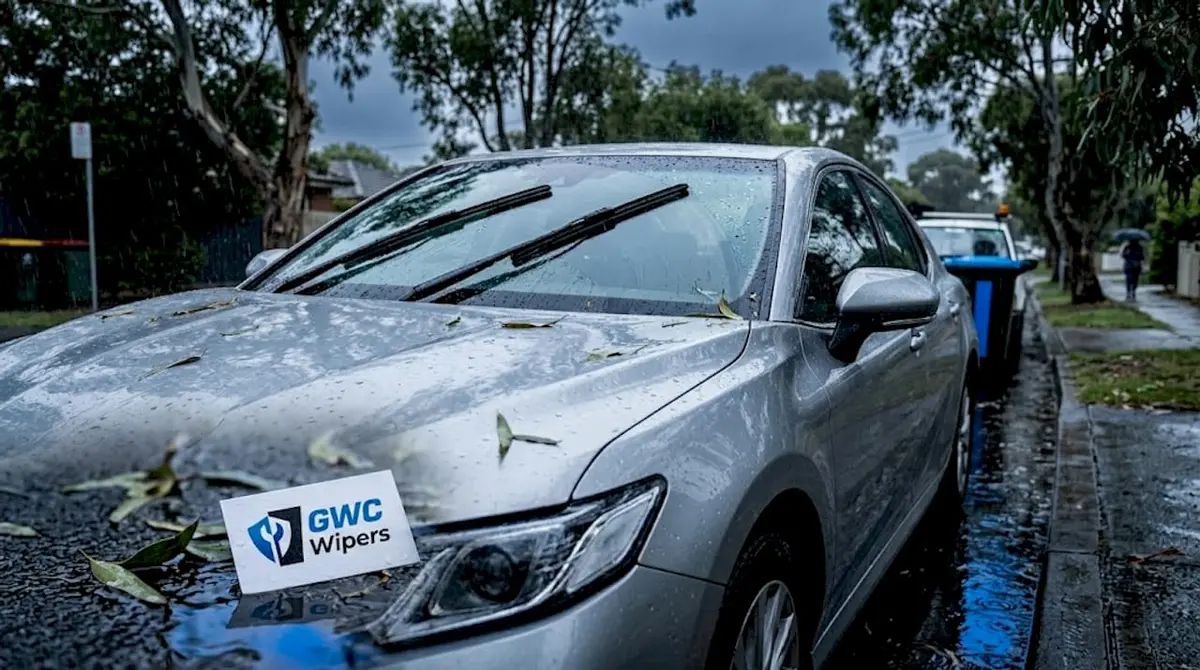
One of the most important insights from expert wiper testing is that real-world wiper performance is often limited by windshield condition rather than blade type alone. Salty coastal spray, road grime, and insect residue build up on the glass surface and cause smearing regardless of how premium the blade is. This is a critical point that many drivers overlook when they attribute poor visibility to a failing blade.
| Condition | Hybrid blade performance | Key factor affecting results |
|---|---|---|
| Light rain | Excellent | Glass cleanliness |
| Heavy downpour | Very good | Blade pressure and squeegee quality |
| Coastal salt spray | Moderate to good | Grime film build-up on glass |
| Outback red dust | Moderate | Abrasion on rubber squeegee |
| Extreme heat (40°C+) | Good (protected by cover) | Rubber degradation over time |
| Frost or light snow | Moderate | Ice can form under cover |
To get the best results from any hybrid blade in Australian conditions, consider these practical measures:
- Clean your windshield regularly with a dedicated glass cleaner, not just washer fluid, especially after driving in coastal or dusty areas
- Apply a water-repellent glass treatment such as RainX or similar products, which cause water to bead and run off the screen, reducing the load on your wipers
- Inspect the rubber squeegee edge every few weeks, particularly after summer heat, as UV exposure and heat can cause micro-cracking that leads to streaking
- Clear insect debris and bird droppings before running your wipers, as these substances are highly abrasive and can damage the rubber edge within a single wipe cycle
Studies consistently show that drivers with clean, treated windshields experience noticeably better visibility outcomes compared to drivers relying solely on blade quality. A quality blade paired with a dirty windshield will always underperform compared to a mid-range blade used on properly maintained glass.
Understanding wiper blade coatings and treatments can meaningfully improve your driving visibility beyond just the blade itself. You can also look at advanced automotive wiper technologies that are improving driver safety, and revisit the Australian climate guide for blades for region-specific advice.
Choosing and maintaining hybrid wiper blades
Now that you know what influences hybrid blade performance, here’s how to make the best choice for your car and keep those blades working at their best.
Selecting the right hybrid blade is not complicated, but getting the details right makes a real difference in how well your blades perform and how long they last. Follow these steps to choose and care for hybrid wiper blades effectively.
-
Identify the correct blade size for your vehicle. Measure both the driver’s side and passenger’s side blades, as they are usually different lengths. Your owner’s manual will list the correct sizes, or you can use a vehicle selector tool to find blades that are designed specifically for your make, model, and year.
-
Check your wiper arm attachment type. Most Australian vehicles use a hook-style arm, but some models use pin, pinch tab, or bayonet fittings. Confirm your attachment type before purchasing to avoid compatibility issues.
-
Choose a blade from a reputable supplier. Look for blades made with high-grade rubber or silicone squeegees, durable plastic covers, and a warranty that reflects the manufacturer’s confidence in their product.
-
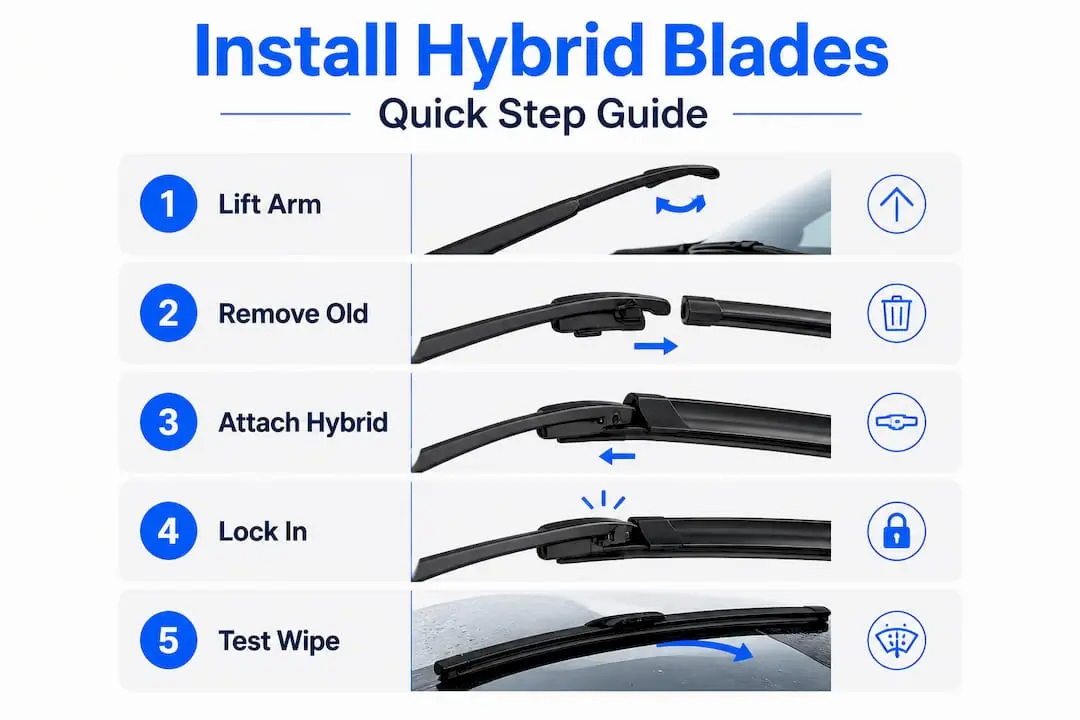
Install carefully using the manufacturer’s guide. Hybrid blades click into place relatively easily, but forcing the attachment can crack the plastic housing or misalign the blade, leading to uneven wiping.
-
Clean your new blades with a damp cloth before first use to remove any factory residue from the rubber edge.
-
Inspect your blades every three months. Run your fingers along the squeegee edge to feel for nicks, cracks, or hardened rubber. A blade that leaves a streak even once on a clean windshield is ready for replacement.
A useful guide to fitting hybrid blades correctly walks through the installation process step by step, which is particularly helpful if you’re replacing blades yourself for the first time.
Maintenance is straightforward but often neglected. Lift your blades away from the glass if you’re parking in direct sun for extended periods, as the heat transferred from a hot windshield accelerates rubber degradation. During winter months in southern states, avoid running blades across a frosted screen. Clear ice manually first, because independent test data confirms that blades forced across ice develop edge damage that causes streaking and noise even after the frost clears.
Pro Tip: Schedule a blade inspection at the start of every wet season, whether that’s October in southern Australia or November in tropical regions. Fresh blades heading into a heavy rain period deliver immediate, measurable improvements to your visibility and confidence on wet roads.
Why the best wiper blade isn’t always the newest hybrid
Beyond practical tips, it’s worth considering whether hybrid really is the right fit for your driving lifestyle.
The wiper blade industry, like most automotive categories, has a tendency to present the latest design as the best design for everyone. Hybrid blades are genuinely well-engineered products. But real-world ownership tells a more complicated story, and driver community discussions make this clear. Many experienced drivers deliberately choose conventional blades for most of the year because they are cheaper to replace, widely available in small towns and regional centres, and accept refill rubbers that cost a fraction of a full blade replacement.
If you drive 15,000 kilometres per year mostly on dry roads with occasional rain, a premium hybrid blade may be an expensive solution to a problem you rarely face. Replacing a conventional blade twice a year costs less than replacing a hybrid once, and for low-rainfall driving environments, the performance difference is barely noticeable.
On the other hand, if you commute daily through a city that receives 600 to 1,200 millimetres of annual rainfall, or if you regularly drive coastal roads where salt spray and grime are constant, the aerodynamic cover and improved glass contact of a hybrid blade earn their cost premium quickly. The blade that works best for a Brisbane tradie driving dusty construction sites is not the same blade that works best for a Melbourne office worker navigating wet freeways at 100 km/h.
The honest advice is this: match your blade to your actual driving environment rather than marketing claims. Explore the options available for Australian drivers and think about your specific climate, budget, and replacement habits before deciding. A blade you replace regularly and maintain well will almost always outperform a premium blade that’s been neglected for two years.
Upgrade your visibility with high-quality wiper blades
If this guide has helped you understand what hybrid wiper blades can and can’t do, the next step is finding blades that are the right fit for your specific vehicle and driving conditions. At GWC Wipers, we design and supply premium wiper blades built specifically for Australian conditions, from tropical downpours to coastal grime and alpine cold.

Our vehicle selector tool makes it simple to find the exact blade size and fitting type for your car, ute, or SUV. Every blade comes with free shipping across Australia, a 30-day money-back guarantee, and a 12-month warranty so you can buy with complete confidence. Whether you’re after hybrid blades, beam blades, or a reliable conventional set, our range covers the most popular Australian makes and models. Visit GWC Wipers and get the right blade for your road.
Frequently asked questions
Are hybrid wiper blades noisier than other types?
When properly maintained, hybrid blades usually produce less noise than conventional blades and are broadly on par with beam types for everyday use. Independent testing evaluates wiper noise and chatter as a key performance indicator, and hybrid designs generally score well in this area.
Do hybrid wiper blades last longer than conventional blades?
Hybrid blades can outlast conventional blades in demanding conditions because the aerodynamic cover protects the rubber squeegee from UV exposure, heat, and grit. That said, lifespan depends heavily on how clean you keep the glass and how extreme your local environment is, factors that independent wiper testing consistently identifies as variables.
Are hybrid wiper blades effective in mist, salty grime, or heavy spray?
Hybrid blades handle rain well, but expert testing notes that real-world effectiveness drops when glass is coated with misty salt or road grime. Applying a water-repellent glass treatment and cleaning the windshield regularly significantly improves results in these conditions.
Why do some drivers still choose conventional blades?
Many drivers choose conventional blades for their lower upfront cost, widespread availability in rural and regional areas, and the ability to replace just the rubber refill rather than the entire blade assembly. For drivers in low-rainfall areas or those on tight budgets, conventional blades remain a completely sensible, practical choice.