
15 second test: Fix or replace sun damaged wiper blades in Australia
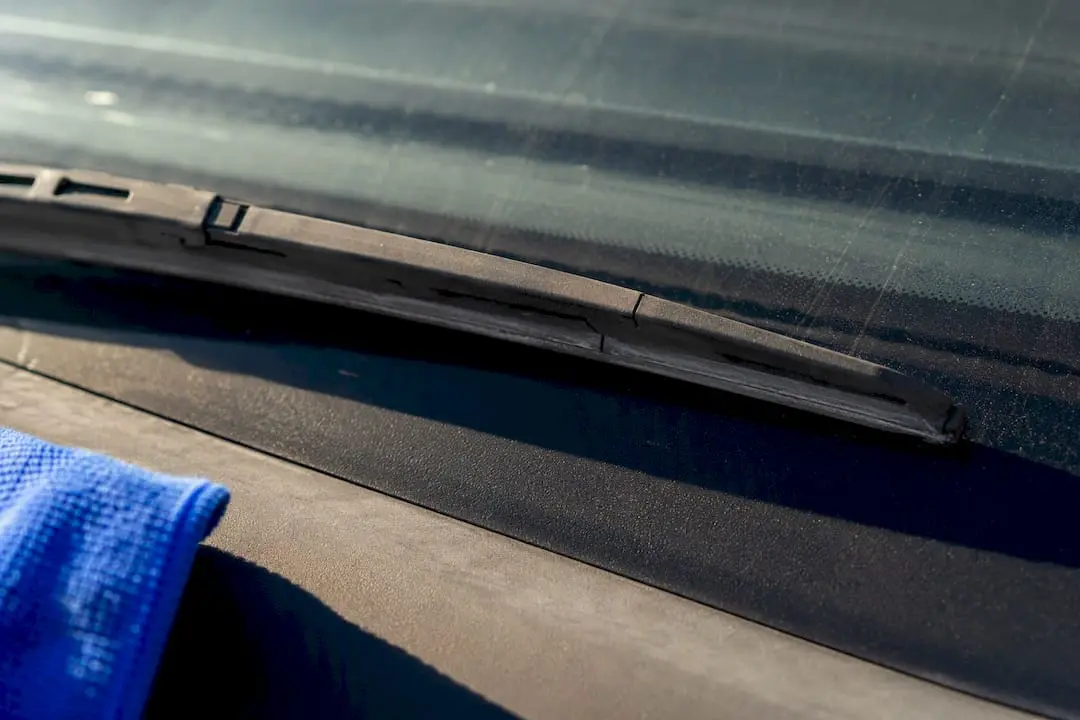
Yes, prolonged sun and UV exposure degrades wiper rubber, and it happens faster than most drivers expect. Spray your windscreen and run one wipe: if you get streaking, chattering or you can see cracks along the blade edge, replace it now. If the blade passes that test, the prevention steps below will help you get more life out of it before the next inspection.
TL;DR:
- Prolonged sun and heat accelerate foam hardening and cracking, often causing blades to fail months earlier than in temperate climates.
- Visible cracking, streaking, skipping, or squeaking indicates the rubber has significantly degraded and it is time to replace the blades.
- Parking in shade or using sunshades can significantly extend blade lifespan by reducing UV exposure and surface temperature.
- Conditioning treatments only temporarily improve flexible blades without cracks, but are ineffective once metal frame contact or tears develop.
- Choosing blades made with silicone or synthetic rubber and beam-style designs improves resistance to sun damage and lasts longer in hot conditions.
Table of Contents
- How sun damage wiper blades: the science behind the cracking
- Signs of sun and UV damage to check for now
- Preventing sun damage to your wiper blades
- Can you repair sun-damaged wiper blades?
- Choosing wiper blades that resist sun damage
- How often should you inspect and replace wiper blades?
- How GWC Wipers helps you get it right the first time
- The conventional advice undersells how fast sun damage happens
- Ready to replace? Get the right fit without the guesswork
- Sources
- FAQ
How sun damage wiper blades: the science behind the cracking
Wiper rubber is engineered to stay flexible, but ultraviolet light attacks it at a molecular level. UV radiation breaks down the polymer bonds in the rubber compound and strips out the plasticisers and oils that keep it supple, and that’s what causes the hardening and fine cracking you eventually see along the blade edge, according to Professional Motor Factor. Once those oils are gone, the blade loses its grip on the glass, and no amount of cleaning brings them back.
Heat compounds the problem. A dashboard and windscreen sitting in direct sun on a 35°C day can push surface temperatures well past 60°C, and that kind of heat accelerates the oxidation process that ages rubber from the inside out. Three factors work together against your blades:
- UV exposure breaks down the rubber’s internal structure and dries it out.
- High surface heat speeds up oxidation, so damage that would normally take years happens in months.
- Ozone and dry air add extra oxidation stress, while daily heating and cooling cycles keep expanding tiny cracks until they’re visible.
That’s why blades in intense-sun regions fail well before the mileage or age you’d expect from a temperate climate.
Signs of sun and UV damage to check for now
Wiper failure rarely arrives without warning. It shows up as a change in how the blade sounds and how clean your glass ends up after a wipe.
- Streaking or a filmy smear across the glass, especially in one direction, points to a hardened or uneven edge.
- Skipping where the blade jumps rather than glides usually means the rubber has lost its flexibility.
- Chattering or squeaking during operation is one of the earliest and most reliable warning signs.
- Visible thin cracks or fraying along the blade edge means the rubber has already failed structurally.
- Rigid, inflexible rubber that doesn’t spring back when you bend it gently is past saving.
Run a quick test before you decide anything: spray water across the windscreen, do one full wipe, then check the glass for smear and listen for chatter. Drivers often brush off a bit of noise or minor smearing as normal wear, then get caught out during sudden heavy rain after a long dry stretch, when clear visibility matters most.
Pro Tip: Do this test in daylight with the glass dry beforehand. A wet windscreen from overnight dew can mask early streaking that would otherwise show up straight away.
Preventing sun damage to your wiper blades
Most of the damage sun and heat cause is preventable with habits that cost nothing beyond a bit of routine. The single biggest lever is where you park.
- Park in shade or use a windscreen sunshade whenever you can. It cuts direct UV exposure and drops the surface temperature under the shade significantly compared with open sun.
- During extended heatwaves, lift the wiper arms off the glass so the blades aren’t sitting under constant tension and direct sun for hours.
- Store spare blades in a sealed bag out of sunlight. UV damage doesn’t wait for the blade to be installed.
- Clean the blades and windscreen regularly to remove grit, wax and residue, since wax build-up increases friction and accelerates wear on rubber that’s already softened by heat, according to Runex Auto.
- Consider a fitted blade cover for vehicles parked outdoors for long stretches, and be cautious with silicone conditioners. They can help, but only when used correctly.
Simple habits, like a monthly wipe down and consistent shade parking, produce a real extension in blade life for almost no cost or effort. It’s the cheapest maintenance you’ll do on the car all year.
Pro Tip: Never run your wipers over a dry, dusty windscreen to clear grit or frost. Abrasive debris on already stiffened rubber tears the edge far faster than normal use.
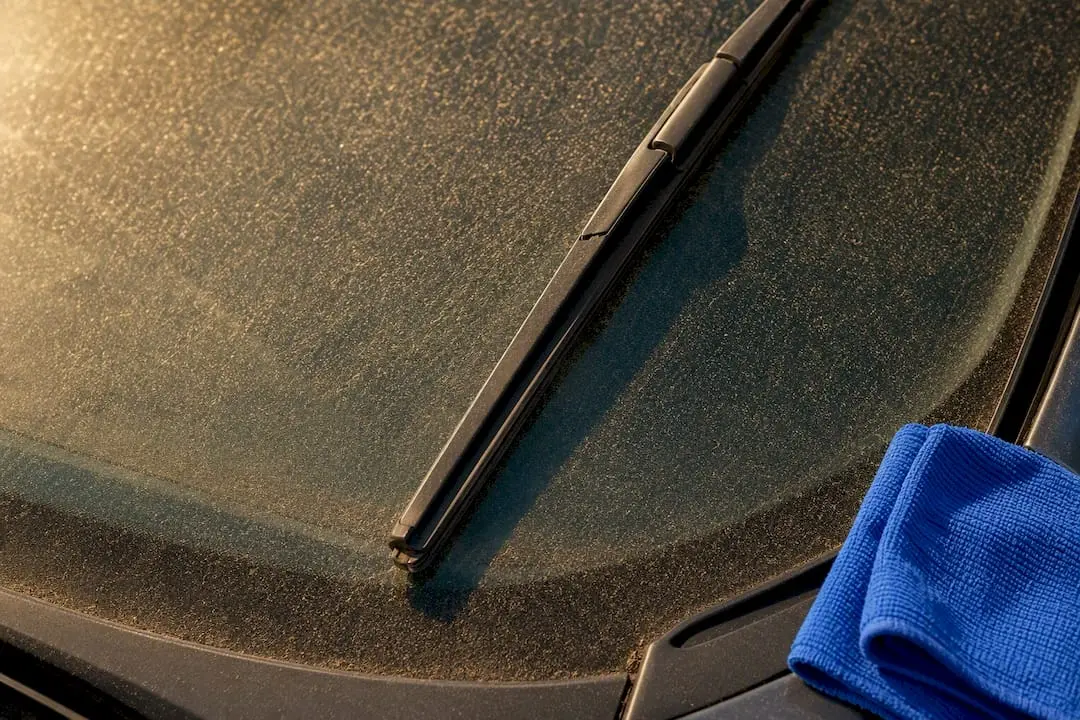
For a full breakdown of daily habits that protect blade rubber, our guide on ways to protect your windshield wipers covers nine practical steps in more detail.
Can you repair sun-damaged wiper blades?
Cleaning and conditioning can genuinely buy you time, but only if the blade hasn’t cracked yet. A stepwise oil or silicone treatment can reduce squeaking and restore some slide on rubber that’s stiffened but intact, though it does nothing for rubber that’s already torn, according to iFixit’s repair guide. Technicians report roughly a reported success rate with conditioning treatments on many non-cracked blades, but only on blades without visible cracking.
If you want to try it yourself:
- Wipe the blade edge clean with a lint-free cloth and mild soapy water to remove grit and old residue.
- Dry it fully, then apply a small amount of silicone conditioner, avoiding petroleum-based products that can swell or degrade the rubber.
- Work it along the full length of the blade edge, then wipe off every trace of excess before you use the wipers.
- Test on dry glass first. Any leftover residue smears badly and reduces visibility rather than improving it.
The moment you see a visible crack, a tear, or metal frame touching the glass, conditioning is finished as an option. Replace the blade.
Choosing wiper blades that resist sun damage
Not all wiper rubber ages the same way, and the material makes a real difference in hot, sunny conditions.
- Natural rubber is the cheapest option but has the weakest UV resistance, so it’s the first to harden and crack under sustained sun.
- Synthetic rubber blends offer a reasonable middle ground between cost and durability for most Australian driving conditions.
- Silicone blades resist UV noticeably better than rubber and hold their flexibility far longer in hot climates, though they cost more upfront, per Cleverdude.
Design matters as much as material. Beam-style blades distribute pressure evenly across the windscreen’s curve and expose fewer joints to ozone and sunlight than older framed designs with exposed metal brackets, which is one reason they tend to hold up longer in harsh sun. When you’re comparing options, check the fitment accuracy for your specific make and model, the length of the warranty, and whether the manufacturer states UV resistance explicitly rather than just “all-weather” marketing language. Our piece on UV resistance in wiper blades goes deeper into what separates a genuinely UV-resistant blade from one that just claims to be.
How often should you inspect and replace wiper blades?
Most manufacturers recommend replacing wiper blades roughly every six to twelve months, and in intense-sun regions replacement is often closer to the shorter end of that range rather than waiting for visible failure, according to Instant Windscreens.
- Do a quick visual check once a month, looking for cracking, fraying or a hardened edge.
- Test the blades before any long trip and again after a heatwave, since sustained heat can age rubber in a matter of weeks.
- Replace immediately if you notice persistent streaking that doesn’t clear up after cleaning, any visible cracks, metal frame contact with the glass, or loud chatter during operation.
How GWC Wipers helps you get it right the first time
Getting the right fit matters as much as picking the right material. Our vehicle selector tool and step-by-step installation guide help you match blades precisely to your make, model and year before you buy. Every order ships free across Australia, backed by a 30-day money-back guarantee and a 12-month warranty. When rubber shows cracking or frame contact, replacement is always the safer call over a temporary fix.
The conventional advice undersells how fast sun damage happens
Most maintenance guides treat wiper blades as a set-and-forget item you replace once a year on autopilot. That advice works fine in temperate climates. It falls apart the moment you’re parking outdoors through a run of 35°C days, because the six to twelve month window most guides quote assumes moderate conditions, not sustained direct sun on unshaded glass.
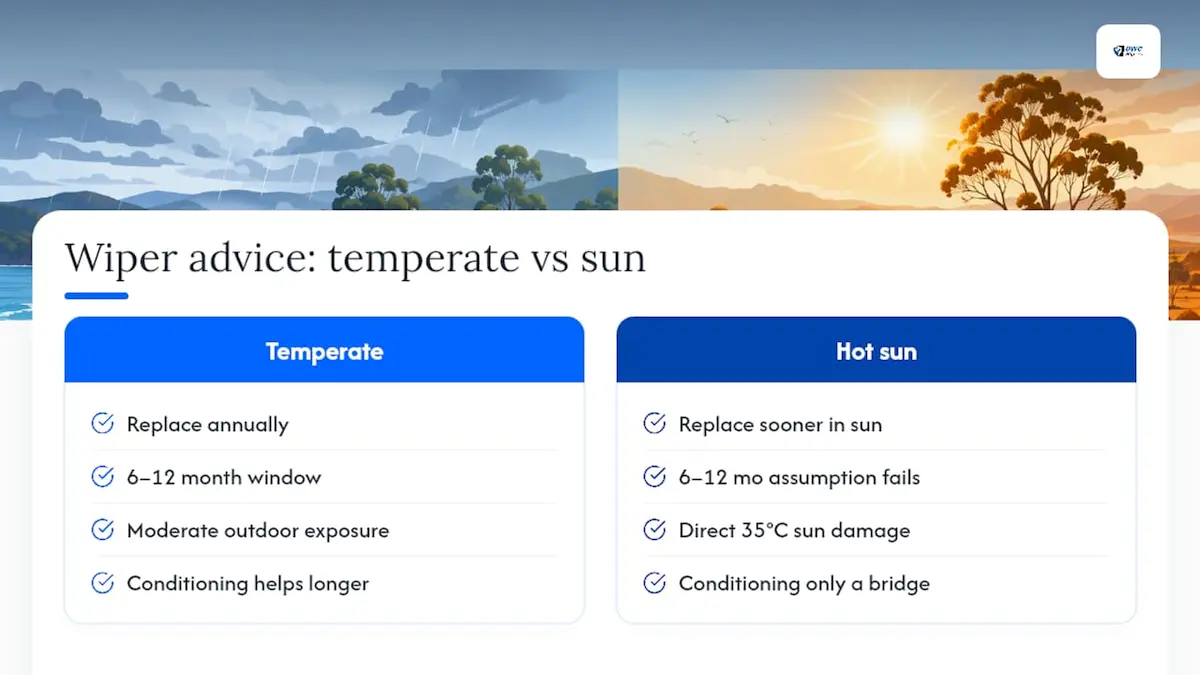
What gets underestimated is how much control you actually have over the outcome. Shade parking and a $10 sunshade cost almost nothing, yet they do more to extend blade life than any conditioning product you can buy after the damage is done. Conditioning treatments have a real place, but only as a bridge for blades that haven’t cracked yet. Treating them as a cure once you see fraying or frame contact is where drivers get caught out, usually during the first big downpour after a dry spell, when visibility matters most and there’s no time to fix it properly.
If there’s one habit worth adopting over any product, it’s the water spray test. It takes fifteen seconds and tells you more about your blades’ real condition than staring at the calendar ever will.
— Faisal
Ready to replace? Get the right fit without the guesswork
Getting the right replacement wiper blade after a water test or signs of cracking is important, since guessing at generic sizes at a servo often leads to a poor fit and fresh streaking within weeks. Some manufacturers offer fitment-specific blades for many models, using natural rubber construction and segmented pressure distribution designed for local conditions, with preassembled adapters to facilitate DIY installation.
Many suppliers provide free shipping and offer a 30-day money-back guarantee plus a 12-month warranty, reducing risk when purchasing wiper blades. If your vehicle’s on the road through hot, high-UV summers, browse premium wiper blades for Toyota or check your exact model through our vehicle selector to find blades built to handle the conditions you’re actually driving in. Replace the compromised blade now rather than nursing it along with another round of conditioner.
Sources
For deeper detail beyond this guide, Professional Motor Factor covers the UV mechanism in full, while iFixit’s repair guide walks through the conditioning process step by step. Diamond Brite also has a useful streak-free glass-cleaning method worth pairing with your wiper maintenance routine.
- How UV rays affect wiper blades - Professional Motor Factor
- Repair Guide for the Sound of a Car Wiper due to Sun Damage - iFixit
- UV Exposure Can Shorten Wiper Blade Life, Especially In Southern States
- How long do wiper blades last? Replacement guide
FAQ
Can you still get sun damage through glass?
Yes. UV radiation passes through windscreen glass and continues to degrade wiper rubber even when the blades themselves are shaded by the glass, which is why cars parked with the wipers exposed on top of the bonnet or resting on the glass still age faster in sunny climates.
How do you protect wiper blades from the sun?
Park in shade or use a sunshade, lift the blades off the glass during extended heatwaves, keep them clean of grit and wax, and store spares away from direct light. These low-cost habits do more for blade life than any product applied after damage sets in.
Why do people put pool noodles on windscreen wipers?
Drivers slide foam pool noodles over the wiper arms to hold the blades up off hot glass during sun or hail warnings, reducing direct heat and UV contact on the rubber edge. It’s a genuine, if improvised, prevention trick that works on the same principle as lifting the blades manually.
What is the average life of car wiper blades?
Most wiper blades last several months under normal conditions, but intense sun exposure can shorten their lifespan significantly, according to Instant Windscreens. Replace sooner if you notice streaking, cracking or chattering before that window is up.