
Wiper buying mistakes australian drivers must avoid
TL;DR:
- Choosing the correct wiper blade size, material, and connector before purchase is essential for optimal visibility and safety. Australian drivers should prioritize beam blades with silicone or EPDM rubber, regularly maintain blades, and verify compatibility to avoid costly mistakes. Proper selection and maintenance significantly extend blade lifespan and enhance driving safety in challenging weather conditions.
The most common mistakes when buying wipers come down to three errors: choosing the wrong size, selecting the wrong blade type for Australian conditions, and skipping basic maintenance. Each mistake directly reduces your visibility on the road. Australian drivers face a uniquely demanding climate, from the UV intensity of a Queensland summer to the heavy downpours of a Melbourne winter. Getting your wiper blades right is not optional. It is a safety decision.

1. the biggest mistakes when buying wipers start with size
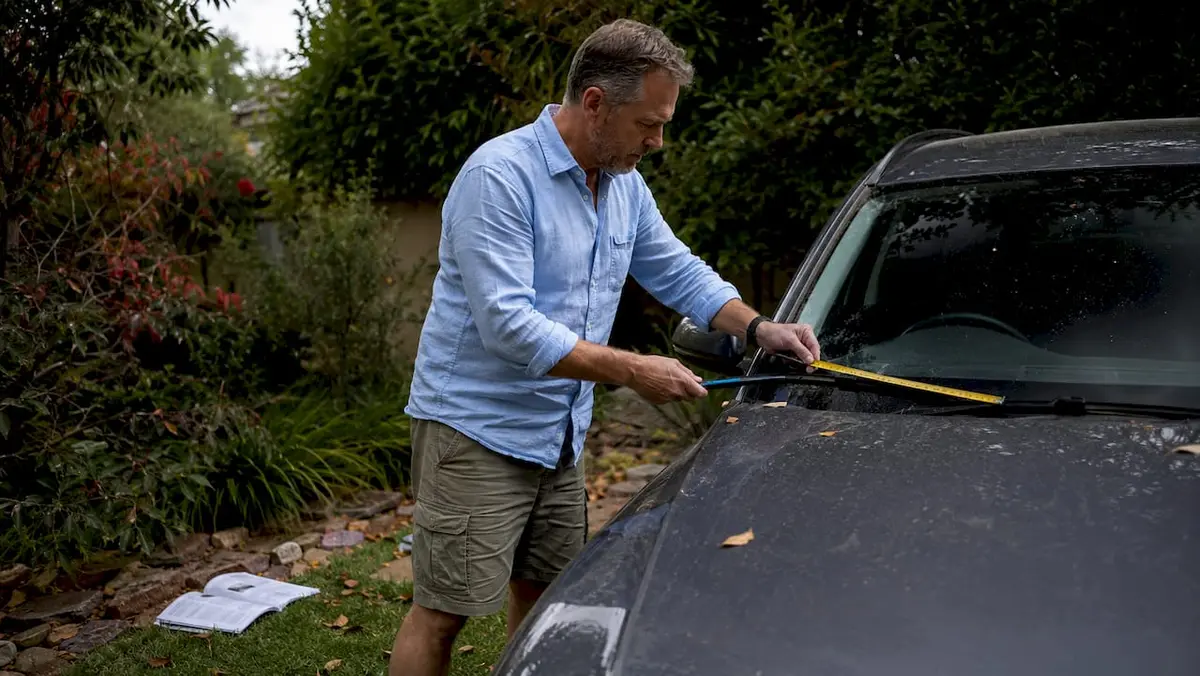
Wrong blade sizing is the most frequent wiper buying error Australian drivers make. Incorrect wiper blade size creates blind spots or damages the wiper arm, reducing visibility and risking windshield damage. That means a blade even a few centimetres too short leaves a strip of uncleared glass directly in your sightline.
Going longer is not a fix either. Oversized blades reduce pressure at the edges, cause streaks, and add mechanical resistance that strains the wiper motor linkage. The motor was engineered for a specific load. Overloading it shortens its lifespan.
The correct approach is straightforward. Check your vehicle’s owner manual or use an online lookup tool like the one at GWC Wipers to confirm the exact driver and passenger blade lengths for your make, model, and year. Many vehicles use different lengths on each side, so check both.
Pro Tip: Never assume your current blades are the correct size. A previous owner or mechanic may have fitted the wrong length. Always verify against manufacturer specifications before purchasing.
2. choosing the wrong blade type for australian conditions
Blade type selection is where many drivers make a costly wiper blade selection mistake. The two main categories are conventional (bracket-style) blades and beam blades. Conventional blades use a metal frame with multiple pressure points. Beam blades use a single curved piece of material that distributes pressure evenly across the entire blade.
For Australian conditions, beam blades perform better. Their aerodynamic design resists wind lift at highway speeds and handles both heavy rain and the warping effect of extreme heat more reliably. Upgrading to beam-style blades improves performance in variable Australian climates due to their aerodynamic design and better wear resistance. That matters when you are driving through a sudden summer storm on the Pacific Highway.
Material choice is equally important. Here is how the three main rubber types compare:
| Material | Lifespan | Best For | Cost |
|---|---|---|---|
| Natural rubber | 6–12 months | Mild climates, budget buyers | Low |
| EPDM rubber | 1–2 years | General Australian use | Medium |
| Silicone | 3–5 years | Harsh UV, heat, heavy rain | Higher |
Natural rubber blades last 6–12 months, EPDM lasts 1–2 years, and silicone lasts 3–5 years. Silicone blades also deposit a hydrophobic coating on the glass over time, which improves water beading between wipes. For most Australian drivers, silicone or EPDM beam blades represent the best balance of cost and durability.
Pro Tip: Prioritise blade architecture over brand name. A silicone beam blade from a reputable aftermarket maker will outperform a cheap conventional OEM blade in most Australian conditions.
You can read a detailed comparison of beam vs conventional blades to help narrow down the right choice for your vehicle.
3. ignoring maintenance and usage habits that shorten blade life
Poor maintenance habits are among the most overlooked mistakes to avoid with wipers. Running your wipers on a dry, dusty windshield is one of the most damaging things you can do. The rubber edge drags across abrasive particles, creating micro-tears that cause streaking within days.
Ice and snow present a similar risk. Running wipers on icy windshields shortens motor lifespan by 30–50%. Always use a scraper or your vehicle’s defroster to clear ice before switching on the wipers. This single habit can double the life of both your blades and your wiper motor.
Washer fluid choice also matters more than most drivers realise. Cheap washer fluids containing ammonia damage both glass and rubber blades over time. Ammonia degrades rubber flexibility and etches the glass surface, which accelerates wiper failure and reduces optical clarity. Always use an automotive-grade washer fluid.
Here is a practical maintenance routine to follow:
- Clean the rubber blade edge with a cloth dampened in isopropyl alcohol every month.
- Wipe the windshield glass with a glass cleaner free of ammonia before each season.
- Lift your blades off the glass during extended parking in direct sun to prevent rubber bonding.
- Inspect blades visually after heavy storms for splits, tears, or deformation.
- Replace blades at the first sign of streaking, skipping, or squealing that cleaning does not fix.
Pro Tip: 40–50% of noisy wipers are caused by contaminants on the blade or glass, not blade failure. Clean both surfaces with soapy water or isopropyl alcohol before assuming you need new blades.
4. mishandling the wiper arm during installation
Installation errors cause damage that has nothing to do with the blade itself. The spring-loaded wiper arm is the most common hazard. If you release it without a blade attached, or if the blade slips during fitting, the metal arm snaps directly onto the glass with significant force.
Spring-loaded wiper arms can crack windshields if allowed to snap back during blade changes. Place a folded towel or cloth on the glass beneath the arm before you begin. This one precaution prevents a repair bill that far exceeds the cost of the blades.
After fitting new blades, check these warning signs before driving:
- The blade sits flush against the glass with no gaps or lifted sections.
- Both blades move in unison without catching or dragging.
- No chattering or skipping occurs during the first test wipe on a wet screen.
- The connector is fully locked and does not shift when you apply light pressure.
If you notice chattering after installation, the problem may not be the blade at all. Adjusting the wiper arm angle with pliers wrapped in tape can restore correct blade-to-glass contact and eliminate streaking without replacing anything. Incorrect arm angle causes uneven pressure across the blade, which creates the characteristic skipping sound.
For a full walkthrough, the step-by-step installation guide at GWC Wipers covers every connector type used on popular Australian vehicles.
5. overlooking connector type and vehicle compatibility
Buying the right blade length means nothing if the connector does not fit your vehicle’s wiper arm. This is one of the most frustrating common wiper buying errors because it only becomes obvious once you are standing in a car park with a blade that will not attach.
Australian vehicles use several connector types, including the J-hook, pinch tab, pin arm, and bayonet. Many modern vehicles, particularly European makes like Mercedes-Benz and Volvo, use proprietary connectors that require specific adapters or purpose-built blades. Checking connector compatibility before you buy saves a wasted trip.
The safest approach is to use a vehicle-specific lookup tool. Enter your car’s make, model, and year to confirm both blade length and connector type simultaneously. This is especially relevant for fleet operators managing multiple vehicle types, where a single wrong order creates delays across the whole fleet.
6. overpaying for OEM blades when aftermarket performs equally well
One of the most common buying windshield wipers tips that gets ignored is this: OEM does not mean better. Aftermarket blades often offer identical performance to OEM at significantly lower prices. Many major aftermarket manufacturers actually produce the OEM blades sold under dealership branding.
The smarter approach is to focus on blade architecture and material rather than the badge on the packaging. A silicone beam blade from a reputable aftermarket supplier will outperform a conventional rubber OEM blade in Australian heat and rain. You can review the OEM vs aftermarket comparison to understand exactly where the value lies.
That said, avoid no-name blades with no warranty or fitment guarantee. The risk is not just poor performance. Poorly made blades can leave rubber deposits on the glass, scratch the surface with exposed metal, or detach at highway speeds. Stick to reputable aftermarket brands with clear specifications and a warranty.
| Common Mistake | Correct Action |
|---|---|
| Buying by price alone | Match blade type and material to your climate |
| Assuming OEM is best | Compare aftermarket beam blades for better value |
| Ignoring connector type | Verify arm type before purchasing |
| Upsizing for “better coverage” | Follow manufacturer-specified lengths only |
| Skipping maintenance | Clean blades and glass monthly to extend life |
Key takeaways
Avoiding mistakes when buying wipers requires matching blade size, type, and material to your specific vehicle and Australian driving conditions before you purchase.
| Point | Details |
|---|---|
| Size must match manufacturer specs | Wrong length causes blind spots, streaks, or motor damage. |
| Beam blades suit Australian conditions | Aerodynamic design and even pressure outperform conventional frames in heat and rain. |
| Silicone outlasts rubber significantly | Silicone blades last 3–5 years versus 6–12 months for natural rubber. |
| Maintenance extends blade life | Monthly cleaning removes contaminants that cause noise and streaking. |
| Connector type determines fitment | Always verify arm connector type alongside blade length before buying. |
What i have learned after years of watching drivers get this wrong
Most drivers treat wiper blades as an afterthought. They grab whatever is on the shelf, fit it themselves without checking the arm, and wonder why the blades streak after three months. I have seen this pattern repeat across thousands of Australian vehicles, from Corollas in suburban Sydney to Ranger utes in regional Queensland.
The mistake I see most often is not the wrong size or the wrong material. It is the assumption that all blades are basically the same. They are not. A silicone beam blade on a vehicle that spends summer days parked in direct sun will last four times longer than a natural rubber conventional blade in the same conditions. That is not a marginal difference. It is the difference between replacing blades once every four years and replacing them every six months.
The second thing I would tell any Australian driver is to stop running wipers on a dry screen. I know it seems harmless. But the micro-abrasion from dust and grit destroys the rubber edge faster than rain ever would. Clean the screen first, always.
Finally, do not delay replacement when blades start to streak. Reduced visibility in a sudden downpour is a genuine safety risk. The cost of a quality set of blades is trivial compared to the cost of an accident caused by a 30-centimetre smear across your line of sight.
— Faisal
Find the right blades for your vehicle at GWC wipers
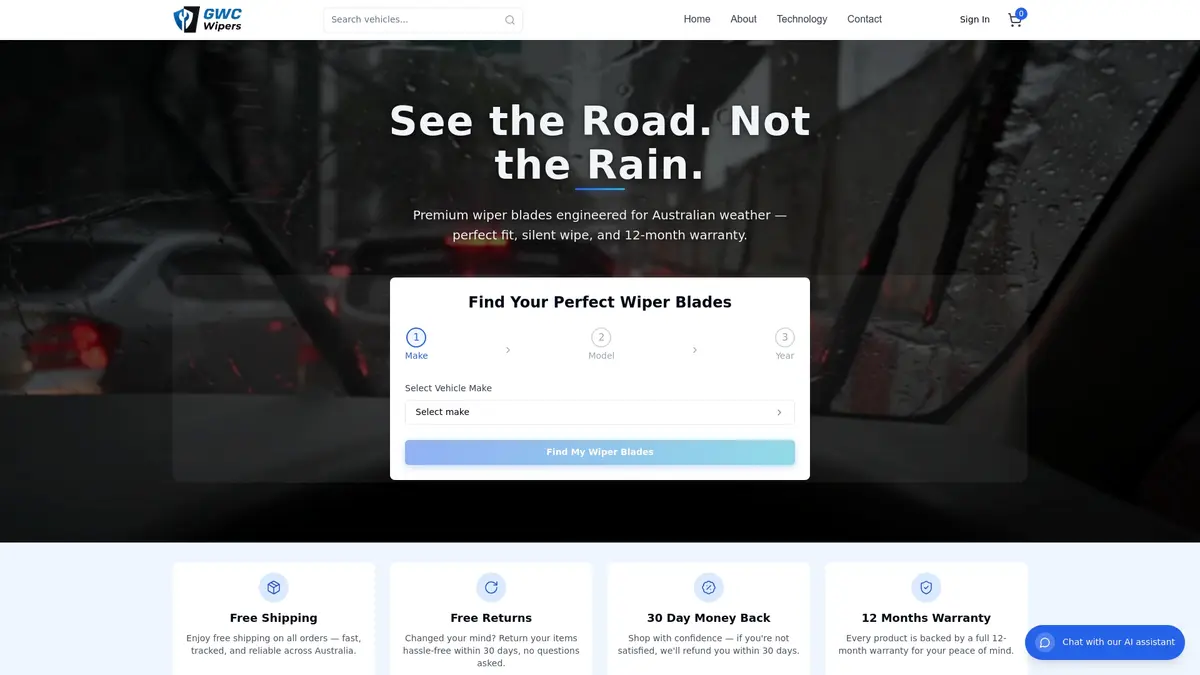
GWC Wipers takes the guesswork out of buying wiper blades for your Australian vehicle. The vehicle selector tool confirms the correct blade length, connector type, and blade style for your specific make, model, and year. Whether you drive a Toyota, a Mercedes-Benz GLE-Class, or a Ford Laser, GWC Wipers stocks premium blades built for Australian conditions. Every order includes free shipping across Australia, a 12-month warranty, and a 30-day money-back guarantee. You get the right fit, the right material, and the confidence that your visibility is protected.
FAQ
What size wiper blades do i need for my car?
Check your vehicle’s owner manual or use an online vehicle lookup tool to confirm the correct driver and passenger blade lengths. Many vehicles use different sizes on each side, so verify both before purchasing.
Are beam blades better than conventional blades for australian conditions?
Beam blades distribute pressure evenly across the glass and resist wind lift, making them better suited to Australia’s heat, UV exposure, and heavy rain than conventional bracket-style blades.
How often should i replace my wiper blades in australia?
Natural rubber blades need replacing every 6–12 months, EPDM blades every 1–2 years, and silicone blades every 3–5 years. Replace sooner if you notice streaking, skipping, or squealing that cleaning does not resolve.
Can i fix noisy wipers without replacing them?
Yes. Around 40–50% of noisy wipers are caused by contaminants on the blade or glass. Clean both surfaces with isopropyl alcohol before assuming the blades need replacing.
Is it safe to use any washer fluid in my car?
No. Washer fluids containing ammonia degrade rubber blades and etch the glass over time. Always use an automotive-grade washer fluid to protect both the blades and your windshield.