
Australian drivers: stop ceramic coating wiper chatter in five minutes
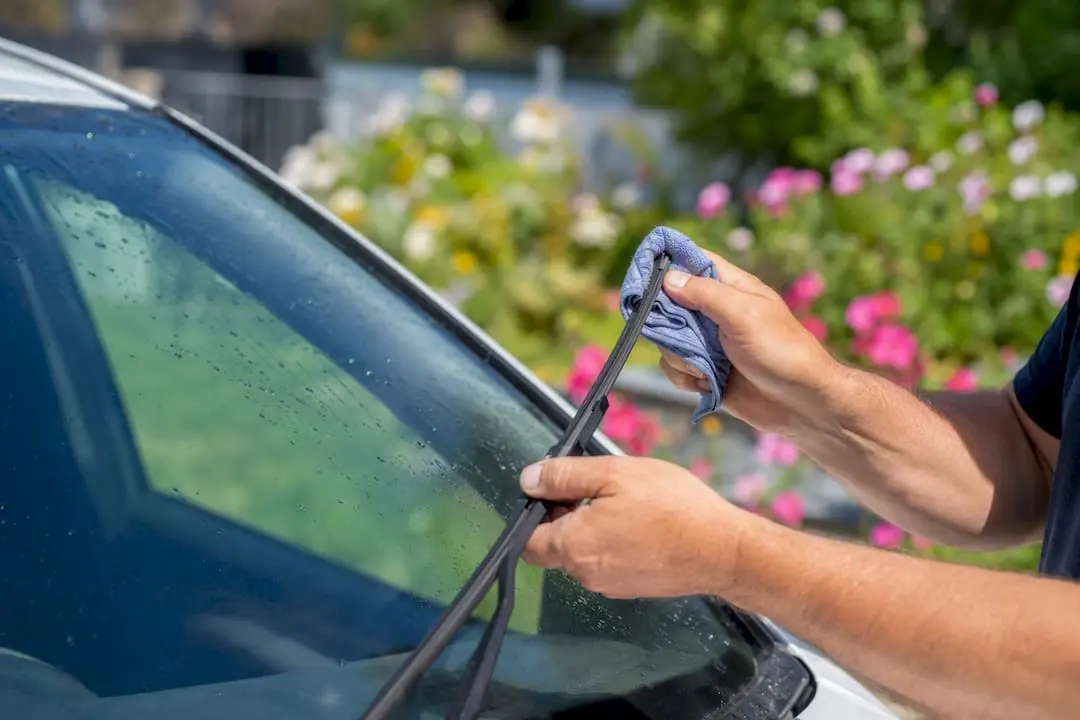
If your wipers started chattering, squeaking or skipping right after a ceramic or glass coating went on, clean the windscreen and blade edge first, then fit a fresh, correct-fit blade before you touch the glass again. Most cases clear up at that point. Only move on to arm checks or coating removal if a known-good blade still judders on clean glass.
TL;DR:
- Cleaning both the glass and blade edge thoroughly can resolve most wiper chatter caused by residue, contamination, or glazing.
- Using a correctly fitted, high-quality silicone or hybrid blade significantly reduces chatter on coated glass compared to worn or incorrectly matched blades.
- Inspecting and adjusting wiper arm geometry and spring tension can eliminate noise caused by bent arms or weak springs that prevent proper blade contact.
- Coating removal is only necessary if cleaning, proper blade fitting, and arm checks do not resolve the chatter, especially if it appears on both sides with multiple blades.
- Proper testing conditions include engaging in light drizzle and steady rain to accurately judge if the noise persists across different weather scenarios.
Table of Contents
- What’s causing your ceramic coating wiper chatter?
- Cleaning and decontaminating the glass and blade rubber
- Which blades stop chatter on coated glass?
- Checking wiper arm geometry and spring tension
- When is it time to polish or remove the coating?
- How do you know the fix actually worked?
- What installers get wrong, and when to call it in
- Fix it once with a correctly fitted GWC blade
- Sources
- FAQ
What’s causing your ceramic coating wiper chatter?
Wiper chatter after a coating job almost always traces back to one of four things: leftover residue on the glass or blade, worn blade rubber, a knocked arm angle, or the coating itself changing how the blade grips the surface. Chatter usually stems from uneven friction across the glass rather than one single fault, which is why a quick checklist beats guessing.
Run through these steps in order. Each one rules something out before you move to the next, so you never do more work than the problem needs.
- Note the timing. Did the chatter start the moment the coating cured, or has it crept in over weeks? Chatter that appears immediately points to residue or coating friction. Chatter that builds slowly usually means blade wear.
- Feel the glass. Run a clean plastic bag or your bare fingertips across the dry windscreen. Grittiness or a waxy drag means film or polish residue is still sitting on the surface.
- Check the blade edge visually. Lift the arm and look along the rubber for nicks, hardened patches, or a shiny glaze. Hardened or glazed rubber won’t sit flush against glass no matter how clean the surface is.
- Swap blades side to side, or fit a known-good spare. If chatter follows the blade to the other side, the blade is the problem. If it stays on the same side, look at that arm.
- Test in both wiper speeds. Hydrophobic coatings tend to trigger stick‑slip chatter in light drizzle or intermittent mode, because the blade alternates between gripping and skating across beaded water. Steady, heavier rain often runs quiet by comparison.
- Escalate only if a fresh, correctly fitted blade still chatters on clean glass. At that point, move to arm geometry, then consider coating removal as the last resort.
This order matters because skipping straight to polishing or stripping a coating leads to unnecessary glass work when the real fault was a $30 blade or five minutes with a microfibre towel.
Cleaning and decontaminating the glass and blade rubber
Cleaning both surfaces is the lowest-risk fix, and it resolves more chatter complaints than any other single step. A hydrophobic coating changes the glass’s friction coefficient, and any leftover silicone, wax or road film on top of that coating throws the friction balance out further, which is exactly what makes a blade skip instead of glide.
Work through it in this order:
- Wash the glass with an ammonia-free glass cleaner and a fresh microfibre towel. Ammonia can degrade some coatings and rubber compounds.
- Follow with isopropyl alcohol on a separate towel to lift grease, silicone and detailing product residue the glass cleaner missed.
- For bonded film that won’t shift, use a light clay bar or a fine glass polish sparingly, and stay away from aggressive abrasives near sensors, cameras or the edges of laminated glass.
- Lift each wiper arm and wipe the blade edge with a damp microfibre. Check the towel for black residue, and check the rubber for nicks or a glazed, shiny finish.
- Refit, re-run the wipers dry once, then retest with the washer fluid.
Cleaning the blade and the glass together matters because contamination runs both ways. The blade deposits film onto the glass while it also picks up road grime, so cleaning only one side often leaves the problem half-solved. For a broader look at what builds up on blades over a season, our guide on what causes wiper blade noise covers the usual culprits in more detail.
Pro Tip: Do the blade wipe-down with the arm lifted and locked, not just resting on the glass. Wiping a blade that’s still under spring tension flattens the rubber unevenly and can introduce the exact chatter you’re trying to fix.
Which blades stop chatter on coated glass?
If cleaning doesn’t fully resolve the issue, the blade itself is the next suspect, especially if it has been used for an extended period. Rubber can harden with UV exposure and heat, and a hardened edge may not conform to a hydrophobic surface as well as fresh rubber.
- Try a silicone or premium hybrid blade. Silicone tends to hold a smoother, more consistent glide over coated glass than standard natural rubber, according to practitioners who deal with this combination regularly, though results can vary by blade profile.
- Confirm the fit before you blame the blade. A blade that’s the wrong length or clipped into the wrong adapter loads unevenly across the glass, which produces chatter that looks identical to a coating problem.
- Run the swap test properly. Fit a verified correct-fit blade on one side (or swap left and right), then retest in the same conditions. If the chatter follows the old blade, you’ve found your fault.
- Stop here if it works. If a correctly fitted premium blade from GWC Wipers eliminates the chatter, there’s no reason to touch the glass at all.
Our step-by-step installation guide walks through fitting a new blade correctly, including adapter selection, which is where most DIY fitment errors happen.
Checking wiper arm geometry and spring tension
If a fresh, correctly fitted blade still chatters, look at the arm before you consider the coating. A bent arm, weak spring, or knocked attack angle stops the blade sitting flat, and that shows up as chatter in one direction only or a thump each time the blade reverses.
- Watch the wiper cycle closely at low speed and note whether the noise happens on the up-stroke, the down-stroke, or only at the reversal points.
- Swap the arms side to side if the design allows, or inspect each arm for visible bending and check the pivot for play.
- Check the adapter is seated fully and the retaining clip has proper tension. A loose adapter rocks under load and mimics coating-related chatter.
- Make small angle adjustments yourself only if your arm design supports it. Anything involving pivot torque or spring replacement is a job for a workshop.
- Retest with the known-good blade you already confirmed works, and write down what changed.
When is it time to polish or remove the coating?
Polishing or removal is a last resort, not a first response. Only consider it once cleaning, a correctly fitted blade, and arm geometry have all been ruled out, and the chatter still shows up on both sides of the screen with more than one blade.
- Light polishing can remove surface residue or a thin, unevenly cured layer without stripping the coating fully.
- Removing a bonded hydrophobic treatment often takes repeated scrubbing with a mild abrasive, and stronger coatings may need full mechanical removal.
- Done poorly, polishing risks optical haze in your line of sight and interference with rain sensors or camera-based safety systems mounted behind the glass.
- If the coating was professionally applied and strongly bonded, a specialist removal service reduces the risk of clear-coat or sensor damage compared with an aggressive DIY polish.
If chatter still shows up on a clean screen with multiple quality blades fitted correctly, the coating’s cure or an uneven original application is the most likely explanation, and that’s a job for a detailer rather than another blade swap.
How do you know the fix actually worked?
Don’t judge a fix on one dry pass with the washer jets. Run it through real conditions before you call it done.
- Test in light drizzle or intermittent mode first. This is where hydrophobic stick-slip chatter shows up most clearly.
- Test again in steady rain at low speed, then with the washer spray running, then a dry pass to isolate any noise that only happens without water.
- Write down the conditions and which change (cleaning, blade, arm) actually altered the noise. It’s easy to forget which fix did what after three attempts.
- If chatter only disappears at higher speeds, that’s still useful information. Coatings can genuinely reduce how much work the wipers need to do, but low-speed chatter can persist even on a well-coated screen. Noise across every speed and condition is the signal to escalate.
What installers get wrong, and when to call it in
Uneven buffing and rushed cure times cause more chatter than the coating itself. Some coatings need several days to fully settle, so don’t judge a fresh job on day one. Arm and blade geometry varies enough between models that a generic blade often won’t sit right. That’s why checking your exact fit through a vehicle-specific selector matters more than brand loyalty. If chatter survives a full diagnostic run, stop guessing and get a professional look.
— Faisal
Fix it once with a correctly fitted GWC blade
Most ceramic coating chatter comes down to a blade that’s the wrong length, the wrong material, or fitted with a loose adapter, and that’s the exact problem GWC Wipers was built to solve. Every blade is matched to your specific make, model and year across more than 2,500 vehicles, so you’re not guessing at fit the way you might with a generic universal blade off a shelf.

Run the vehicle selector, choose the blade listed for your car, and follow the included install guide to complete the swap test described earlier in this article in under ten minutes. Every blade ships with a 12-month warranty and free shipping across Australia, and if it doesn’t stop the chatter once fitted correctly, the 30-day money-back guarantee means the test costs you nothing. Owners of European models with tighter arm tolerances, like the Land Rover Discovery Sport or Mercedes-Benz GLA-Class, tend to notice the fitment difference immediately. Find your vehicle at Gwcwipers and start the swap test today.
Sources
For safe last-resort removal, Diamondbrite’s ceramic coating removal guide covers professional-grade steps. Our own guide on streak-free wiping and protecting your wiper blades rounds out the maintenance side.
- How To Clean Windshield Wipers For Better Visibility | Chemical Guys
- Streaking vs chattering wiper diagnosis: how to identify and fix both problems | Carsymp
- Removing ceramic coating safely without stripping your clear coat | Diamondbrite
FAQ
How can I stop my windshield wiper from chattering?
Clean the glass and blade edge thoroughly, then fit a fresh, correctly matched blade. If chatter persists on clean glass with a new blade, check the wiper arm’s angle and spring tension before considering coating removal.
What are the signs that ceramic coating is failing?
Reduced water beading, a patchy or uneven sheeting pattern across the glass, and new wiper chatter on a screen that was previously quiet are the usual early signs the coating is wearing unevenly.
How do I stop my windshield wipers from shuddering?
Shuddering under load is usually an arm geometry issue. Check the attack angle at the reversal points, confirm the adapter is seated firmly, and inspect the spring for weak tension before assuming the blade is at fault.
Why do my windshield wipers rattle?
Rattling almost always points to a loose adapter, a worn pivot bushing, or a blade that doesn’t match the arm’s clip type. Confirm fitment against your exact vehicle before replacing parts.
Do silicone wiper blades work better on ceramic-coated glass?
Silicone and premium hybrid blades often glide more consistently over hydrophobic coatings than standard rubber, though results depend on the blade’s profile and how well it’s fitted to your specific arm.