
Top Vehicle Visibility Upgrades for Australian Drivers
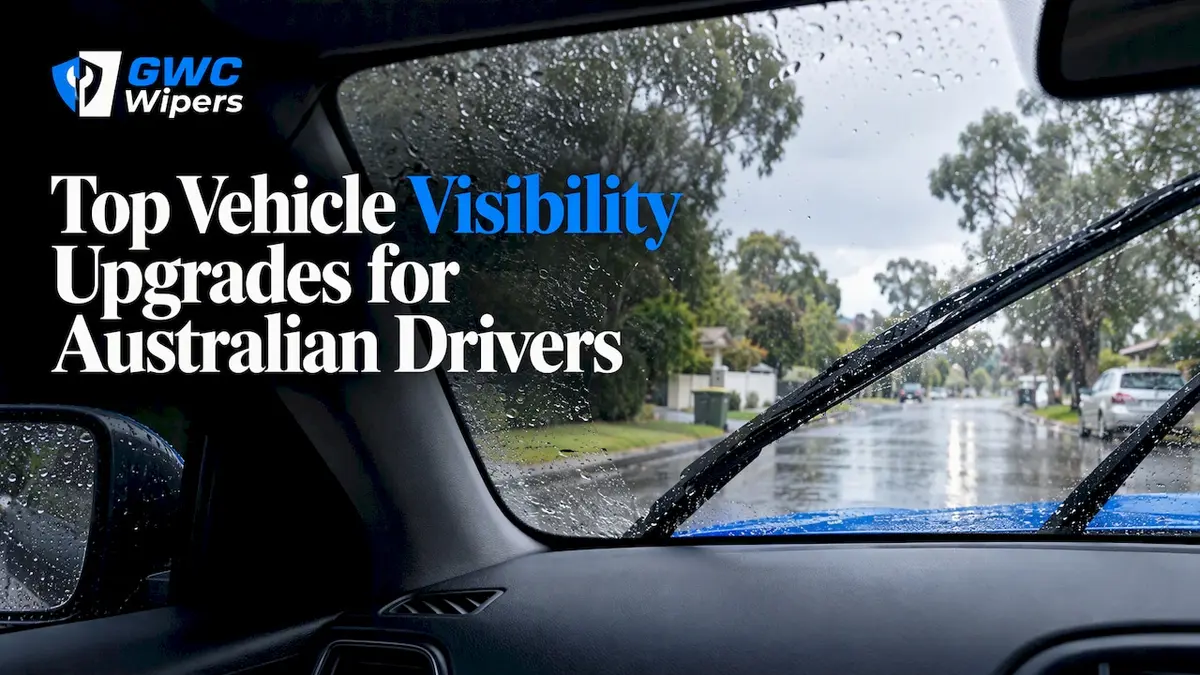
The cheapest visibility upgrade you can make is a set of correctly fitted wiper blades. Fresh blades, clean glass, topped-up washer fluid and working lights do more for what you can see (and for how well others see you) than most accessories sold for the purpose. Spotlights, tint and stick-on gadgets come after the basics, not before.
This guide ranks the upgrades in the order we would do them, explains what each one fixes, and shows where wiper fitment by make, model and year decides whether the upgrade works at all.
TL;DR
- Correctly fitted wiper blades are the first and cheapest visibility upgrade, and the one most drivers put off until the first storm.
- Next come washer fluid, clean glass inside and out, and repairing chips in the area your wipers sweep.
- Check headlights, brake lights and indicators. Visibility also means being seen.
- Spotlights, tint and other accessories are optional extras. Keep them brief and legal.
- Fitment matters: use the vehicle lookup to find wipers guaranteed to fit your exact make, model and year.
Table of Contents
- How we ranked the upgrades
- 1. Correctly fitted wiper blades
- 2. Washer fluid and washer jets
- 3. Glass care and chip repair
- 4. The rear wiper
- 5. Lights: seeing and being seen
- 6. Accessories: useful, but later
- What we do at GWC: our point of view
- Fit your wipers today
- A simple twice-yearly visibility routine
- FAQ
- Find wipers guaranteed to fit
- Sources
How we ranked the upgrades
We ranked each option on four things: cost, how much of your view it actually changes, how often it is the real cause of a poor view, and how easy it is to do yourself.
Official guidance points the same way. The NSW Government says you should regularly check that your windscreen wipers and washers are working, along with your lights. Safe Transport Victoria’s winter advice makes a similar point about simple visibility measures for wet, short-day driving. None of that is glamorous, and that is the point. The boring items fail most often.
| Upgrade | Typical effort | What it fixes | Our priority |
|---|---|---|---|
| Correctly fitted wiper blades | DIY, a few minutes | Streaks, smears, chatter, poor clearing in rain | 1 |
| Washer fluid and washer jets | DIY, a few minutes | Dust, bugs, road film | 2 |
| Glass cleaning and chip repair | DIY, or a glass specialist | Glare, haze, cracks in your line of sight | 3 |
| Rear wiper blade | DIY | Rear view in rain, on hatchbacks and SUVs | 4 |
| Lighting checks and headlight care | DIY check, workshop for faults | Night vision and being seen | 5 |
| Accessories (driving lights, tint) | Varies, may need fitting | Specific situations only | Last |
1. Correctly fitted wiper blades
Your wipers touch the glass every time it rains, every time you hit the washer and every time dust settles on a hot day. When the rubber hardens, the edge rounds off and the water stops clearing cleanly. Because the change is gradual, many drivers do not notice until a storm makes it obvious.
Signs yours are done
RACQ says wiper blades should be replaced if they shudder, streak or smear. Its guide to changing blades also lists chattering or noisy wipers as a reason to act. If you are seeing any of these, the rubber has done its job.
There is also a compliance angle. In NSW safety inspections, wiper blades that are curled, frayed or torn can be a reason for rejection, according to the Light Vehicle Safety Check Standards. Other states have their own inspection rules, so check with your local transport authority.
Summer does more damage than you think
Many drivers replace blades only when the wet season starts. RACQ’s advice is to check them after summer ends, because heat and UV exposure harden rubber and badly worn blades can scratch the glass. Our own guide on how Australian weather affects your wiper blades covers this across a six-month cycle, and the climate-specific wiper tips cover the difference between a Darwin wet season and a Melbourne winter.
Why exact fit beats “close enough”
Wiper length, connector type and arm design vary by vehicle, and often by year within the same model. A blade that is too long can foul the pillar or the other wiper. One that is too short leaves a wider unswept strip in your view. A connector that does not seat properly can rattle or lift at speed.
That is why fitment is the first thing to check. For example:
- Toyota Prado 120 series (2002 to 2009)
- Ford Ranger (2022 to 2025)
- Mazda CX-5 (2017 to 2025)
- Toyota RAV4 (2019 to 2025)
Each of these needs its own check, because model generations change the arms and the sizes. Looking up by make, model and year removes the guesswork. We list wipers for more than 2,500 models, and our brand pages show the fit approach for makes such as BMW, plus individual models like the Mercedes-Benz GLE-Class and the Land Rover Range Rover Sport. For the full range, start at our wiper blades section.
Choosing between brands
You will see Bosch, Trico and plenty of other names on the shelf at an auto retailer, and all of them make blades that can suit your car. When comparing, we suggest looking at the same few things rather than the label:
- Fitment certainty. Is the blade matched to your exact vehicle, or sold as a universal that you adapt?
- Installation. Does it arrive with the adapters already assembled, or do you need to work out the connector yourself?
- Rubber and design. Natural rubber edges, even pressure along the blade and an aerodynamic profile all affect how cleanly it clears at speed.
- Backing. Look for a clear returns window and warranty.
Our blades use natural rubber, segmented pressure distribution, an aerodynamic design and corrosion-resistant construction. They arrive with adapters pre-assembled for tool-free installation, and they come with free shipping Australia-wide, a 30-day money-back guarantee and a 12-month warranty. That is how we think blades should be judged: on fit, build and backing, not on a claim of being the best.
2. Washer fluid and washer jets
Wipers on a dry, dusty screen smear rather than clean. Washer fluid does the dissolving, and the wipers do the clearing. RACQ’s road trip checks list topping up washer fluid alongside checking blade condition and lights.
A few practical points:
- Check the level each time you fill up, not only before a trip.
- Use fluid made for windscreens rather than dishwashing liquid, which can leave a film.
- If the spray is weak or off-target, clear the jets with a fine pin, then re-test.
- If fluid sprays but nothing clears, the blades are likely the problem, not the washer.
Our windshield clarity checklist walks through the jets, the fluid and the blades in order.
3. Glass care and chip repair
Clean glass inside and out
Haze on the inside of the glass is a common cause of night glare, and it often comes from the dashboard and from hands. RACQ’s DIY maintenance list includes checking that all glass is clean and free from chips, cracks and scratches. A clean microfibre cloth and a proper glass cleaner do most of the work. If you want a method to follow, this streak-free car glass cleaning guide is written for UK owners, but the technique of working in straight lines and finishing with a dry cloth applies here too.
One extra tip: wipe the blade edges with a damp cloth at the same time. Grit on the rubber can leave lines that look like a glass fault.
Do not ignore chips in your sweep zone
A small chip is easy to dismiss. Point to Point Transport NSW notes that drivers need the clearest possible view of the road, particularly at dusk, at night or in the rain, and it has issued a safety alert on cracked windscreens. In NSW safety inspections, cracks or deterioration in the area in front of the driver can be grounds for rejection under the Light Vehicle Safety Check Standards, with some exceptions listed in that document.
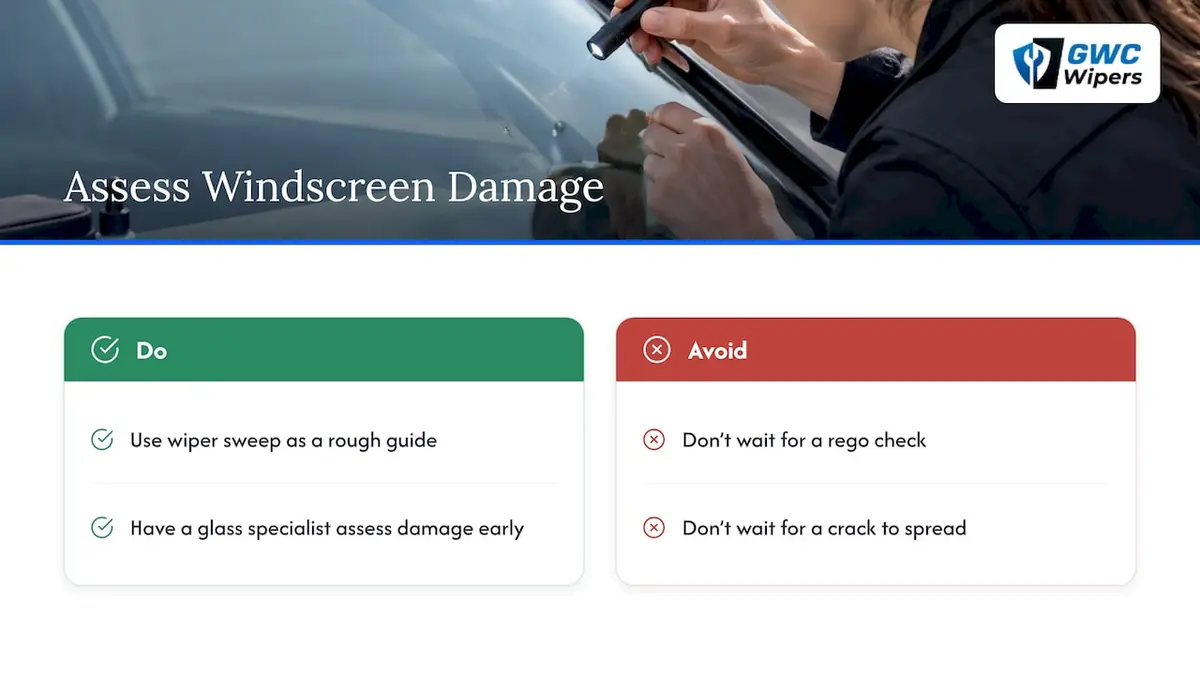
The area your wipers sweep is a good rough guide to where damage matters most. Have a glass specialist assess it early, rather than waiting for a rego check or a crack to spread.
One warning: worn blades and gritty glass work against each other. If you are replacing wipers on a screen with existing scratches, expect some residual glare at night. That is a glass problem, not a blade problem.
4. The rear wiper
Hatchbacks, wagons and SUVs often have a rear wiper that gets forgotten. It is usually a single blade and is quick to replace, yet a smeared rear window removes much of your view of traffic behind you, particularly in rain or on dusty roads.
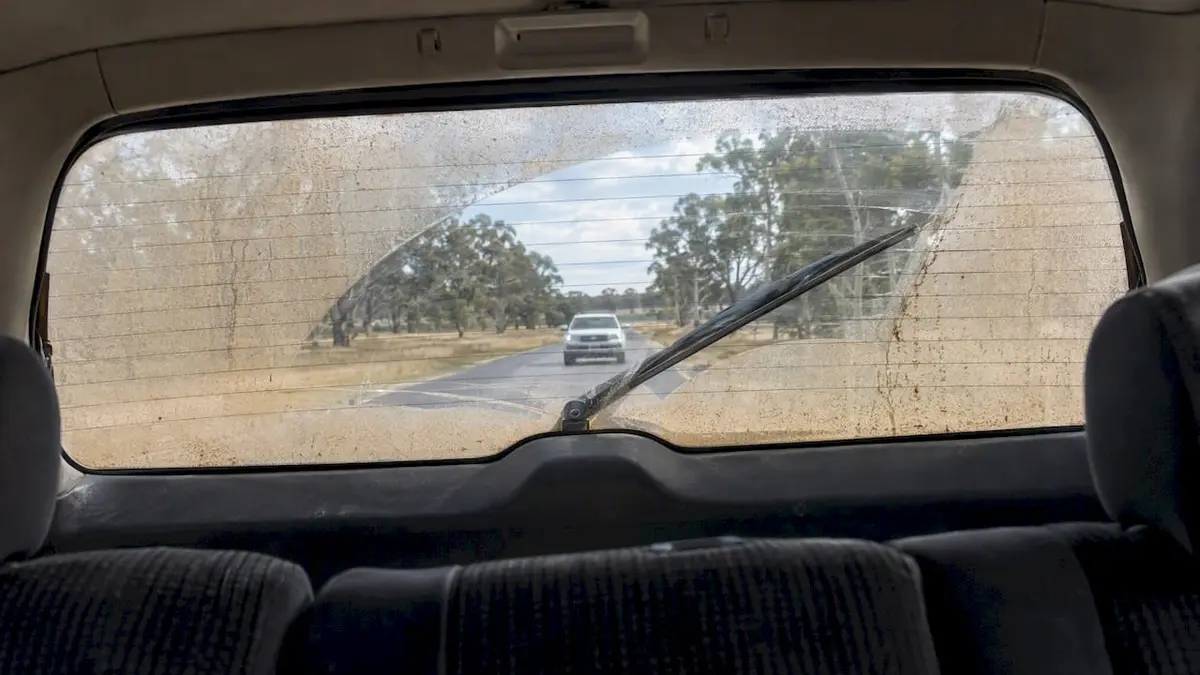
If your vehicle has one, check it on the same day you check the front blades. Rear blades are generally a different size and connector from the fronts, so a lookup by make, model and year matters here as well. For a sedan with no rear wiper, simply keep the rear glass clean and the demister working.
5. Lights: seeing and being seen
Visibility works in two directions. NSW’s Light Vehicle Safety Check Standards cover headlights, brake lights and indicators, and the NSW Government adds that you must not drive at night if your lights are not working, as set out on its roadworthiness page.
A simple routine:
- Park facing a wall or garage door and check both headlights on low and high beam.
- Ask someone to stand behind the car while you press the brake and use each indicator.
- Wipe lenses clean. If they are yellowed or cloudy, ask a workshop what can be done.
- Replace failed globes in pairs where practical, so both sides stay matched.
Safe Transport Victoria’s winter advice also encourages using your headlights to improve how visible you are to others when conditions are poor.
6. Accessories: useful, but later
Driving lights, tint and similar add-ons come up in many searches for visibility upgrades. They can help in specific cases, such as rural night driving or heat and glare, but they cost more than blades and depend on the state rules for lighting and tint. Check your state’s requirements and ask a qualified fitter before spending. For most drivers, the money is better spent on the basics above first.
What we do at GWC: our point of view
We design and sell wiper blades for Australian conditions, so we see the same pattern all the time. People spend on a gadget while the wipers on their car are two or three summers old. Heat, UV, dust and heavy rain are all hard on rubber, and a blade that smears is a safety issue before it is a comfort issue.
We also think fitment is where most of the frustration comes from. A good blade in the wrong size or the wrong connector is still the wrong blade. That is why our vehicle selector works by make, model and year, why we pre-assemble adapters so you do not need tools, and why we stand behind the fit with a guarantee.
Our advice is simple. Check your blades after summer. Replace them when they streak, chatter or smear. Keep the washer fluid full and the glass clean. Do those four things and you have done most of what any upgrade can do for your view.
— Faisal
Fit your wipers today
If your blades are due, you can find your vehicle’s wiper blades on the GWC Wipers site. Shipping is free across Australia, and every order is covered by our 30-day money-back guarantee and 12-month warranty. If you drive a Mercedes, you can also go straight to the GLA-Class or GLB-Class pages.
Want help with the change itself? Our windscreen wiper blades replacement guide covers it step by step, and if you see streaks afterwards, this fix takes 10 to 15 minutes.
A simple twice-yearly visibility routine
Pick two dates, such as the end of summer and the start of winter, and run through this list:
- Wipers: look for splits, curling or hardened rubber, and run them with washer fluid. Check for streaks and chatter.
- Washer: level and spray pattern.
- Glass: clean inside and out, and look for chips in the swept area.
- Lights: headlights, brake lights, indicators.
- Rear wiper, if fitted.
RACQ suggests drivers check wipers and fluids regularly, and it is a standard pre-trip check before a long drive. Our car visibility checklist and guide to upgrading windshield visibility go further, and the top tips for clear visibility in rain are worth a read before the wet season.
FAQ
What is the cheapest way to improve visibility in my car?
Replace worn wiper blades with ones that fit your exact vehicle. It takes minutes, needs no tools with pre-assembled adapters, and fixes streaking, smearing and chatter. Pair it with clean glass and full washer fluid for the best result.
How often should I replace my wiper blades?
There is no fixed date, because heat, UV and use all play a part. RACQ advises replacing blades when they shudder, streak or smear, and checking them after summer. If you park outdoors in strong sun, check more often.
Are universal wiper blades as good as vehicle-specific ones?
Universal blades can work, but you rely on getting the length and connector right yourself. A vehicle-specific blade removes that guesswork, which is why we recommend looking up your make, model and year before you buy.
Do I need to fix a small windscreen chip?
Yes, have it assessed early. Chips in the area in front of the driver can spread and may be grounds for rejection in a safety inspection, as the NSW standards describe. A glass repairer can tell you whether it can be repaired or the screen needs replacing.
Find wipers guaranteed to fit
Use the GWC vehicle lookup to find wipers guaranteed to fit your exact make, model and year. Start at gwcwipers.com.au.
Sources
- Roadworthiness, NSW Government
- Drive safely this winter, Safe Transport Victoria
- Road trip checklist, RACQ
- How to change wiper blades, RACQ
- Light Vehicle Safety Check Standards, Transport for NSW
- What to do before your holiday road trip, RACQ
- Top 10 DIY car maintenance tips, RACQ
- Safety alert: Cracked windscreens, Point to Point