
Wiper blade myths busted for Australian drivers
TL;DR:
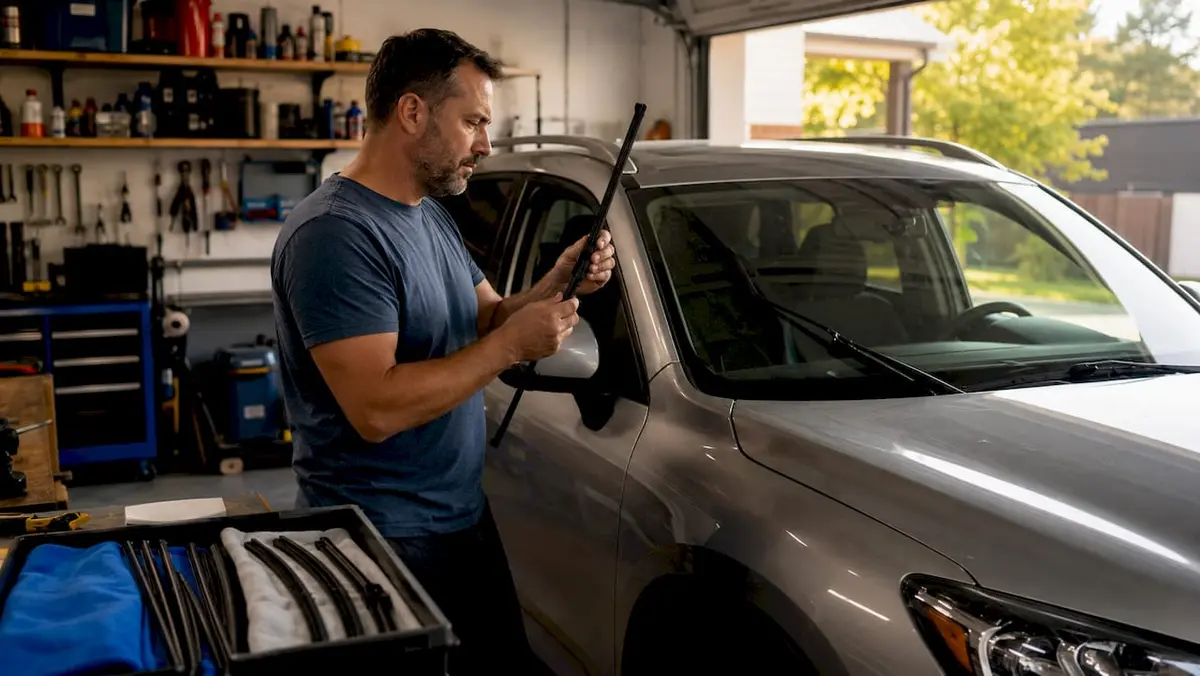
- Wiper blades degrade faster than most drivers realize due to Australian UV, heat, and humidity, requiring replacements every six to twelve months. Waiting for blades to fail completely risks reduced visibility and safety, making early replacement crucial. Proper fitment, regular cleaning, and using suitable washer fluids extend blade lifespan and improve driving safety.
Most drivers believe their wiper blades are fine until the rubber tears or the wipers stop moving altogether. That belief is one of the most dangerous wiper blade myths busted by automotive safety experts and maintenance specialists across Australia. The reality is that wiper blades degrade long before they fail visibly, and Australian conditions accelerate that process faster than most drivers expect. UV exposure, extreme heat, and coastal humidity all attack rubber compounds at a rate that makes the standard “replace when broken” approach genuinely unsafe.
1. Myth: Wiper blades last for several years without replacement
Wiper blades should be replaced every 6–12 months in Australian conditions, not every two or three years as many drivers assume. The Australian climate is particularly harsh on rubber compounds. Intense UV radiation and heat cause rubber tensile strength to drop by 25% after just six months of exposure to high-intensity tropical sun. That loss of strength means the blade no longer presses evenly against the windscreen, leaving streaks and dry patches exactly when you need clear vision most.
The signs of deterioration appear well before the blade physically tears. Watch for these indicators:
- Streaking or smearing across the windscreen during light rain
- Skipping or chattering as the blade bounces rather than glides
- Squeaking on a clean, wet windscreen
- Visible cracking or splitting along the rubber edge
- Uneven pressure leaving dry patches at the edges of the wipe arc
Australian drivers in Queensland, the Northern Territory, and Western Australia face the harshest UV conditions on the continent. For those drivers, UV degradation is the primary cause of early blade failure, not rainfall or mechanical wear. Replacing blades proactively every six months in these regions is the safer and more cost-effective approach.
2. Myth: Replace wiper blades only when they stop working or tear
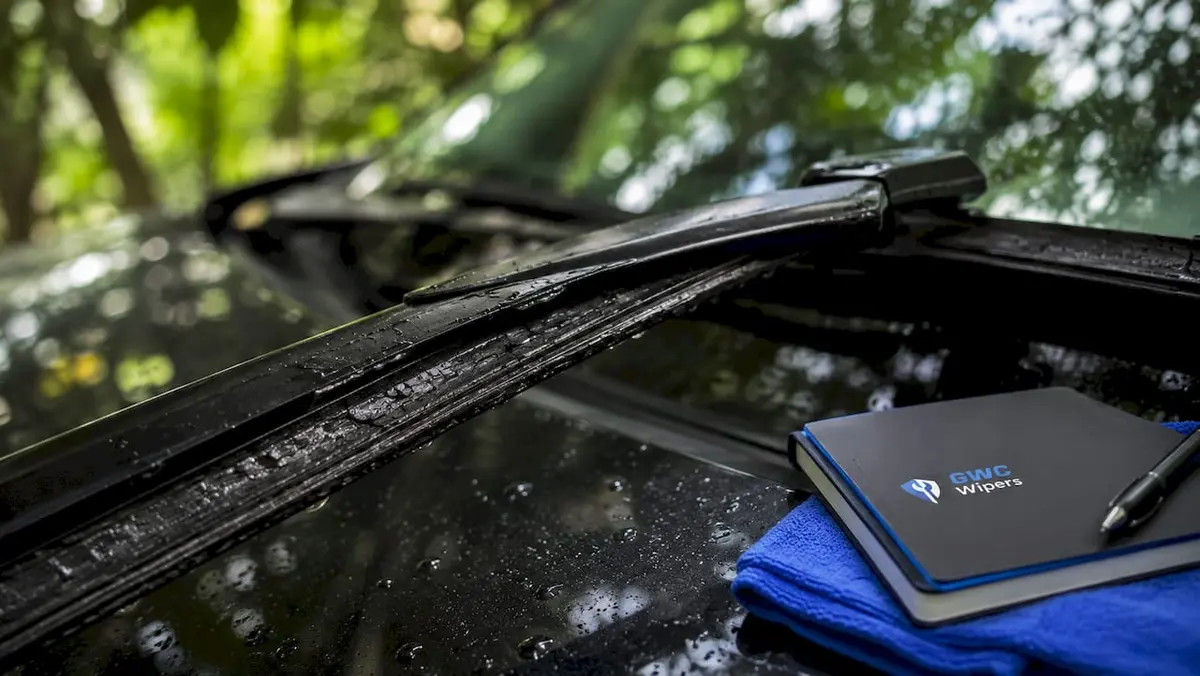
Waiting for total failure before replacing your wiper blades puts you at serious risk. Gradual degradation causes streaking and skipping weeks or months before the blade physically fails. The danger is that drivers adapt to the worsening performance without realising how much visibility they have lost.
This process is called “normalisation.” You drive with slightly smeared vision for a few weeks, then a few more, and your brain adjusts to treating it as normal. The sharp contrast between a degraded blade and a fresh one only becomes obvious after you fit a new set. That moment of clarity is often a shock to drivers who thought their old blades were performing adequately.
Replace your blades before you reach that point. The warning signs to act on immediately include:
- Streaks that persist after the windscreen is wet
- A blade that lifts away from the glass at highway speeds
- Squeaking that does not stop after cleaning the glass and blade
- Any visible damage to the rubber lip or the blade frame
Pro Tip: Set a calendar reminder every six months to inspect your blades. A quick visual check and a single wipe test in light rain takes under two minutes and can prevent a dangerous situation on the road.
3. Myth: All wiper blades perform equally regardless of material or brand
Wiper blade materials differ significantly in durability, performance, and suitability for different conditions. The two main materials are natural rubber and silicone, and they behave very differently on Australian roads.
Silicone blades last longer and deposit a hydrophobic coating on the windscreen over time, which causes water to bead and roll off at speed. That property is genuinely useful in heavy rain. However, silicone blades cost more and may not suit every driver’s conditions or budget. Rubber blades perform reliably in most Australian climates and are the more practical choice for everyday driving, provided they are replaced on schedule.
Blade design also matters. The three main designs are:
- Conventional blades use a metal frame to distribute pressure across the rubber. They are affordable and widely available but can accumulate ice and debris in the frame.
- Beam blades have no external frame. The blade itself is pre-tensioned to follow the windscreen’s curve, giving more even contact and better performance in heavy rain.
- Hybrid blades combine a protective shell with an internal frame, offering a middle ground between conventional and beam designs.
The most important factor is not price or material. It is fitment. A premium silicone beam blade fitted to the wrong arm attachment or cut to the wrong length will perform worse than a standard rubber blade that fits correctly. Consult your vehicle’s specifications or use a vehicle selector tool before purchasing. Com’s website includes a vehicle selector that matches blades to your exact make, model, and year, removing the guesswork from the process.
Pro Tip: Check your vehicle handbook or the manufacturer’s specification for both driver and passenger blade lengths. They are often different sizes, and fitting the same length on both sides is a common and costly mistake.
4. Myth: Water alone is sufficient for washer fluid, and cleaning isn’t necessary
Using plain water in your windscreen washer reservoir is not a neutral choice. Water alone lacks the grime-breaking agents needed to remove insect residue, road film, and dust effectively. In hard water areas, mineral deposits can build up on the windscreen and on the blade itself, accelerating rubber degradation and causing streaking.
Dedicated windscreen washer fluid contains surfactants that break down organic matter, and many formulations include additives that protect rubber components. Quality washer fluid also reduces streaking and protects paint from the chemical residue left by insects and road grime. The cost difference between water and proper fluid is minimal. The performance difference is significant.
Cleaning the blades themselves is equally overlooked. Wiping blades with an alcohol-soaked cloth every few weeks removes oxidised rubber and accumulated dirt, and can effectively double the blade’s usable lifespan. The process takes less than five minutes. Pair that with regular cleaning of the windscreen glass and you eliminate most of the causes of squeaking and streaking without spending anything on replacement parts.
Wiper arms also need attention. Bent or corroded arms apply uneven pressure across the blade, causing premature wear on one section of the rubber while leaving other sections barely in contact with the glass. Inspect the arms when you clean the blades, and replace any arm that shows visible corrosion or fails to hold the blade flat against the windscreen. For a full maintenance routine, the 9 proven tips from Com cover every step in detail.
5. Myth: Wiper blade size and installation details don’t impact performance
Wiper blade sizing is vehicle-specific, and using the wrong size causes real problems. Blades must match the arm attachment type and the curvature of your windscreen to maintain full, even contact across the entire wipe arc. A blade that is too long will collide with the A-pillar or the opposite blade. A blade that is too short leaves sections of the windscreen unwiped, creating blind spots in rain.
Arm attachment types vary between manufacturers and even between models from the same brand. The most common types are hook, pinch tab, side pin, and top lock. Fitting a blade designed for a hook arm onto a pinch tab arm produces an insecure connection that can cause the blade to detach at highway speeds. That is not a minor inconvenience. It is a safety failure.
The consequences of incorrect sizing include:
- Streaks and uncovered areas at the edges of the wipe arc
- Blade lift at speed due to aerodynamic mismatch
- Accelerated wear on the rubber from uneven contact pressure
- Potential windscreen scratching if the frame contacts the glass
Worn blades with degraded rubber can cause micro-scratches on the windscreen that are visible in direct sunlight and cost $100–$800 AUD to repair professionally. Fitting the correct blade from the start is far cheaper. Use your vehicle’s owner manual, a parts catalogue, or Com’s vehicle selector to confirm the right blade length and attachment type before you buy. A step-by-step installation guide from Com walks you through the process for most common arm types.
Key takeaways
Wiper blade performance depends on proactive replacement every 6–12 months, correct fitment, and regular cleaning with proper washer fluid.
| Point | Details |
|---|---|
| Replace every 6–12 months | Australian UV and heat degrade rubber faster than most drivers realise, making annual or biannual replacement necessary. |
| Don’t wait for visible failure | Streaking and skipping are signs of degradation that compromise visibility well before the blade tears. |
| Fitment matters more than price | A correctly sized and attached blade outperforms a premium blade fitted to the wrong arm or windscreen profile. |
| Clean blades regularly | Wiping blades with alcohol every few weeks can double their lifespan and eliminates most squeaking and streaking. |
| Use proper washer fluid | Dedicated windscreen fluid removes grime more effectively than water and protects both the rubber and the windscreen. |
Why I think most drivers are one wet road away from a close call
I’ve spoken with enough drivers to know that wiper blade neglect is almost universal. People replace tyres on schedule, service their engines, and check their oil. But wipers? They get ignored until the smearing becomes impossible to tolerate. The problem is that visibility degradation is gradual. You don’t notice how bad it’s gotten until you’re in a sudden downpour on a motorway and you genuinely cannot see the car in front of you clearly.
The car maintenance advice that gets repeated most often focuses on mechanical components. Wipers are treated as consumables so minor they barely register. But a set of degraded blades in a Queensland summer storm or a Sydney hailstorm is not a minor issue. It’s the difference between reacting in time and not reacting at all.
What I find most frustrating is how cheap and simple the fix is. A set of quality blades costs less than a tank of fuel. Cleaning them takes five minutes. Yet the normalisation of poor performance is so widespread that most drivers genuinely don’t know what a properly functioning wiper blade feels like. If you haven’t replaced yours in over a year, do it this week. You’ll be surprised by the difference, and you’ll wonder why you waited.
For broader car maintenance practices, wiper care fits into a simple seasonal routine that takes less time than most people spend choosing a car wash.
— Faisal
Quality blades, correct fit, delivered across Australia
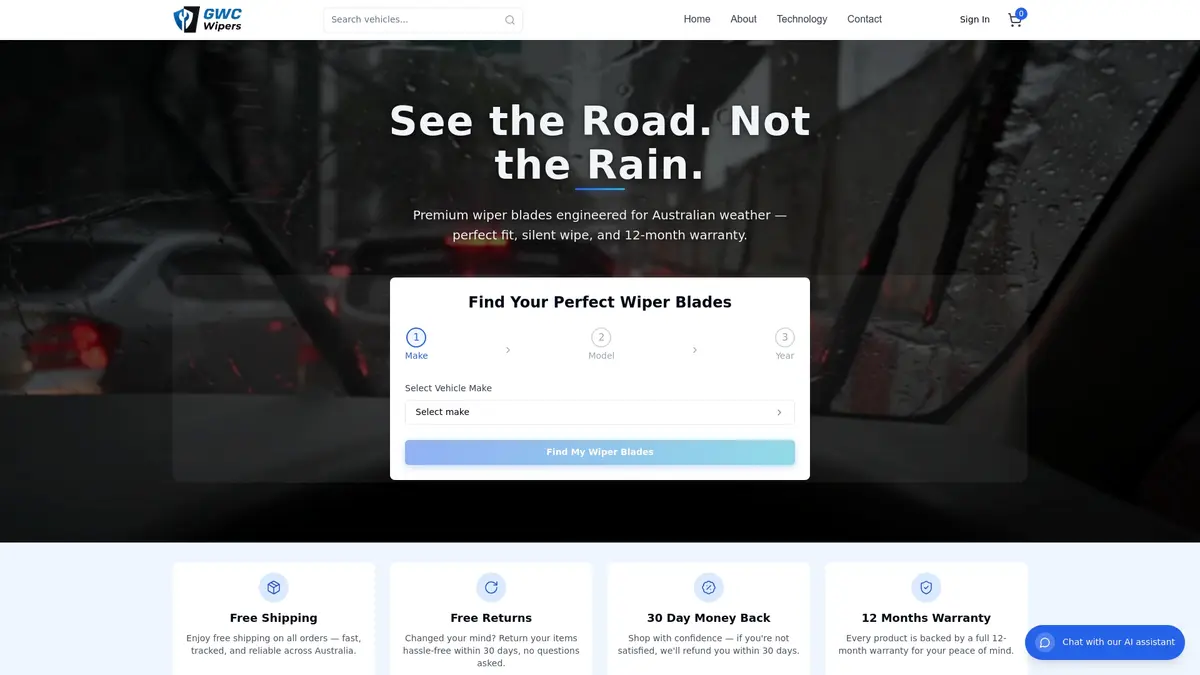
Com stocks a full range of vehicle-specific wiper blades built for Australian conditions, from the tropical north to the alpine south. Every blade is matched to your exact make, model, and year through the website’s vehicle selector, so you never have to guess about sizing or attachment type. Whether you drive a Toyota, a Mercedes-Benz, or anything in between, Com carries the right blade with free shipping across Australia, a 12-month warranty, and a 30-day money-back guarantee. Browse the full range by make and fit a set that actually matches your vehicle before the next downpour catches you out.
FAQ
How often should I replace my wiper blades in Australia?
Replace wiper blades every 6–12 months in Australian conditions. UV radiation and heat degrade rubber faster here than in cooler climates, so proactive replacement is safer than waiting for visible failure.
Do wiper blades expire even if I rarely use them?
Yes. Rubber degrades from UV exposure and heat regardless of how often the blades are used. A set of blades left unused on a car parked outdoors will still deteriorate within 6–12 months in Australian sun.
What causes wiper blades to squeak?
Squeaking typically indicates dry glass, dirty blades, or insufficient washer fluid. Clean the glass and blade with an alcohol cloth and use proper windscreen washer fluid to resolve it in most cases.
Are silicone wiper blades always better than rubber?
Silicone blades last longer and offer hydrophobic properties, but they are not the right choice for every driver. Correct fitment and regular maintenance matter more than material for day-to-day performance.
Can the wrong wiper blade size damage my windscreen?
Yes. Degraded or incorrectly fitted blades can cause micro-scratches on the windscreen that are visible in sunlight and cost $100–$800 AUD to repair professionally. Always confirm the correct size and attachment type for your vehicle before fitting.