
Pros and cons of flat wipers: Australian driver’s guide
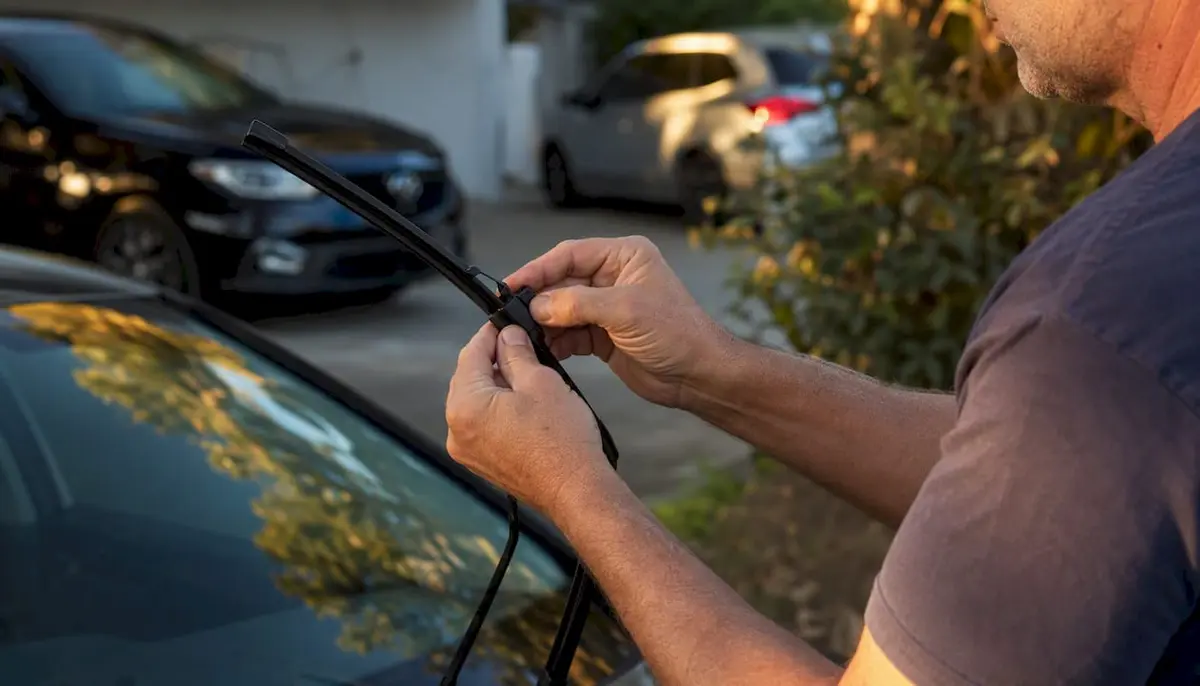
Flat (beam) wipers are worth it for most Australian drivers, particularly those with modern curved windscreens, frequent motorway travel, or vehicles regularly exposed to coastal salt air and heavy rain. The industry term for these blades is “beam wipers,” and they outperform conventional framed blades on nearly every practical measure except upfront cost. If your car came fitted with beam blades from the factory, replacing like-for-like is the clearest choice you can make.
Table of Contents
- What are the pros and cons of flat wipers?
- Why flat (beam) wipers outperform conventional blades
- How flat (beam) wipers actually work
- Flat vs conventional wipers: side-by-side comparison
- When should you choose flat wipers — and when should you not?
- How long do flat wipers last, and when should you replace them?
- How to choose the right flat blade before you buy
- Key takeaways
- The case for spending more on beam blades
- GWC Wipers: beam blades built for Australian conditions
- Useful sources and further reading
- FAQ
What are the pros and cons of flat wipers?
Flat beam wipers deliver better wipe quality, quieter operation, and longer service life than conventional framed blades, but they cost more upfront and can present fitment challenges on older vehicles. For Australian conditions — intense UV exposure, coastal salt air, and sudden heavy downpours — the performance benefits of a quality beam blade are genuinely meaningful, not just marketing language.
Why flat (beam) wipers outperform conventional blades
Beam blades provide even pressure across the full blade length, resist ice build-up, and carry an aerodynamic profile that conventional framed designs cannot match. Here is what that means in practice:
- Quieter at speed. The aerodynamic profile reduces wind lift and the associated whistle you often hear on motorways. Aerodynamic spoilers and curved spines convert wind pressure into downward force, keeping the blade planted at highway speeds.
- Longer service life. Premium EPDM and silicone rubbers used in quality beam blades outlast the natural rubber common in budget framed blades. EPDM typically has a lifespan of around one to two years, while silicone variants generally last longer and add hydrophobic benefits.
Pro Tip: If your vehicle came with beam blades from the manufacturer, always replace them with beam blades. Fitting a conventional framed blade on a curved modern windscreen will leave unwiped arcs near the edges.
How flat (beam) wipers actually work
The key difference between a beam blade and a conventional framed blade is where the pressure comes from. A conventional blade uses a whippletree metal frame with multiple pivot points that press the rubber against the glass at intervals. The frame distributes load through those fixed points, which works adequately on flat glass but leaves gaps where the glass curves away between contact points.
A beam blade replaces that frame with a single pre-tensioned strip of spring steel running the full length of the blade inside a streamlined rubber body. The strip is curved to match the windscreen’s profile and holds constant tension along its entire length. The result is continuous, even contact from one end of the blade to the other. This internal spring strip and aerodynamic design ensure even pressure and superior windscreen contact, which is why beam blades follow modern highly curved windscreens so effectively.
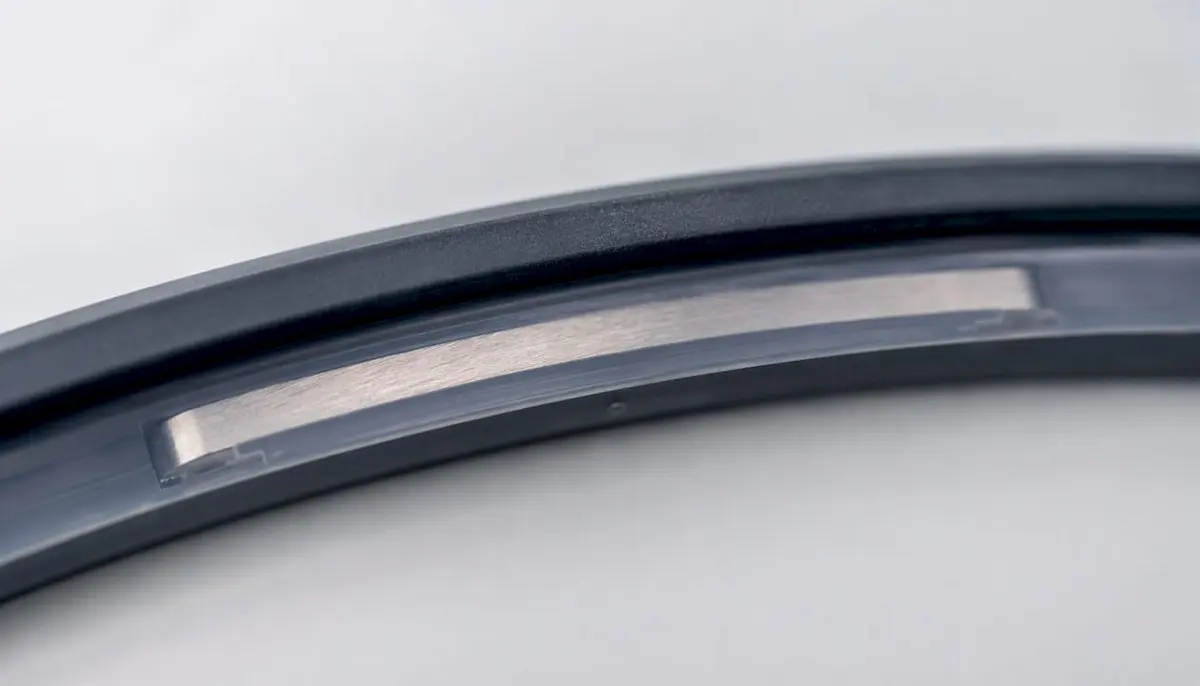
You can read more about wiper blade curvature and contact pressure in GWC Wipers’ technical guide.
| Design element | Beam (flat) blade | Conventional framed blade |
|---|---|---|
| Pressure source | Pre-tensioned spring steel strip | Multi-point metal frame |
| Contact type | Continuous along full length | Pressure points at frame joints |
| Windscreen profile | Follows curves naturally | Can gap on highly curved glass |
| Exposed metal parts | None | Yes — frame and joints |
| Aerodynamic profile | Streamlined, low drag | Higher drag, more wind lift |
Flat vs conventional wipers: side-by-side comparison
For most modern cars, flat beam blades outperform conventional framed blades on wiping performance, noise, and lifespan; the price premium is typically worthwhile. Here is how the two types compare across the dimensions that matter most to Australian drivers.
| Dimension | Beam (flat) blade | Conventional framed blade |
|---|---|---|
| Contact / pressure distribution | Even, continuous | Point-to-point via frame |
| Winter / ice resistance | Excellent — no frame joints to pack | Moderate — joints can ice up |
| Noise / wind whistle at speed | Low — aerodynamic profile reduces lift | Higher — frame creates drag |
| Durability / lifespan | Longer with EPDM or silicone rubber | Shorter with natural rubber |
| Price / value | Higher upfront, lower lifetime cost | Lower upfront, more frequent replacement |
| Fitment / ease of installation | Requires correct adapter; some proprietary connectors | Widely compatible hook arms |
Premium beam blades are quieter, maintain contact on curved windscreens, and resist ice; the trade-off is that material and build quality vary significantly between brands, so a cheap beam blade will not deliver these benefits reliably.
One important exception: on older vehicles with nearly flat glass, conventional framed blades can perform adequately and cost less to replace. If your car is pre-2000 and has flat glass, a conventional blade may be the more practical choice.
When should you choose flat wipers — and when should you not?
Choose flat (beam) wipers if:
- Your vehicle has a modern, highly curved windscreen (most cars built after 2005).
- You drive frequently on motorways or at sustained highway speeds.
- You live in a coastal or high-rainfall region of Australia where wipe quality directly affects safety.
- You want a quieter, lower-maintenance blade and are willing to pay more upfront.
- Your car came factory-fitted with beam blades.
Consider conventional framed blades if:
- Your vehicle has older, nearly flat glass where a beam blade’s curved spine may not conform.
- Your replacement budget is strict and you are comfortable replacing blades more frequently.
- Your wiper arm uses a rare connector type and no compatible beam blade adapter is available.
Pro Tip: Before purchasing any replacement blade, confirm your wiper arm type — hook, bayonet, pin, or side pin. A beam blade with preassembled adapters removes most fitment guesswork. Check the flexible wiper design and fitment guide if you are unsure which arm type your vehicle uses.
How long do flat wipers last, and when should you replace them?
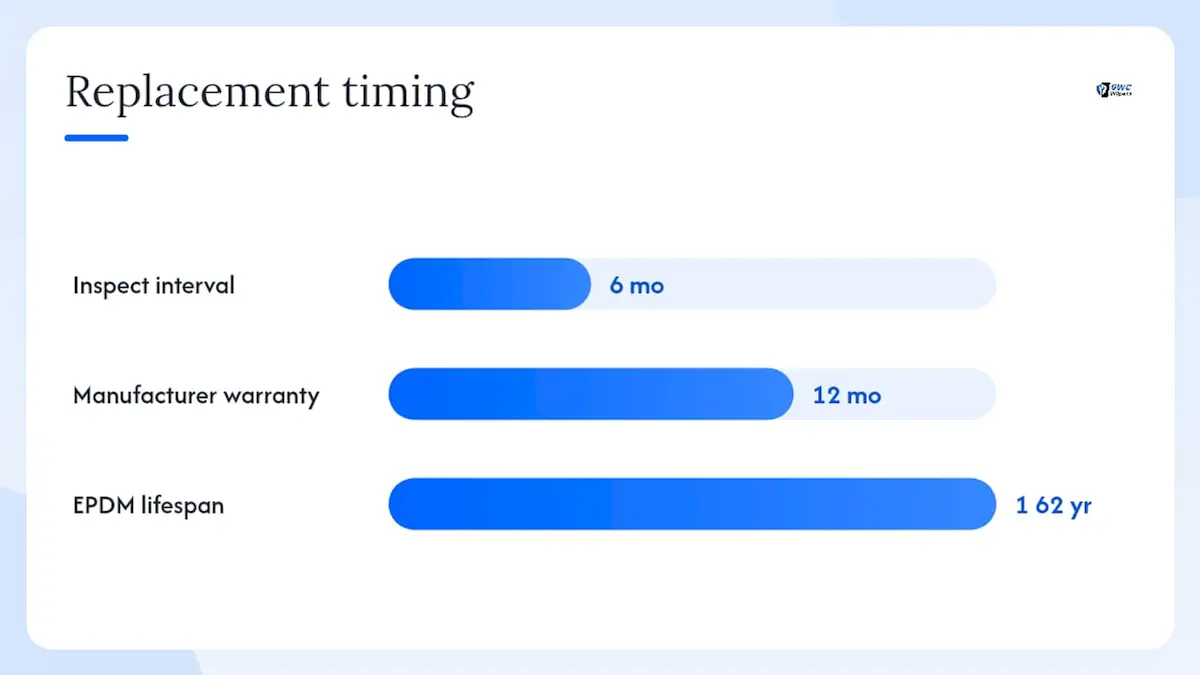
Lifespan depends heavily on rubber compound. Natural rubber degrades fastest under Australian UV and heat. EPDM commonly lasts 1–2 years, while silicone variants can last multiple years and leave a hydrophobic film on the glass that improves water beading between wipes. UV resistance and hydrophobic coatings materially improve rubber longevity in Australian sun and coastal salt air, making material choice more consequential here than in cooler climates.
Signs your flat blade needs replacing:
- Streaking or smearing that does not clear after cleaning the rubber.
- Skipping or chattering across the glass.
- Squeaking during normal operation.
- Visible cracking, splitting, or hardening of the rubber edge.
Replacement timeline guidance:
- Inspect both blades every six months — at the start of summer and before the wet season.
- Replace at the first sign of streaking or skipping; do not wait for a complete wipe failure.
- In coastal areas or under heavy UV exposure, lean toward the shorter end of the EPDM lifespan range.
- Always replace both blades at the same time to maintain consistent wipe quality across the windscreen.
- Lift blades away from the glass if your vehicle is parked outside in freezing conditions overnight.
A seller offering a 12-month warranty and a fitment guarantee gives you a clear baseline for replacement planning.
How to choose the right flat blade before you buy
Getting the fitment right matters as much as choosing the right rubber compound. A beam blade that does not connect securely to your wiper arm will perform worse than a well-fitted conventional blade.
Pre-purchase checklist:
- Measure both blade lengths (driver and passenger sides are often different).
- Identify your wiper arm type: hook (most common), bayonet, pin, or side pin.
- Confirm the blade includes preassembled adapters for your arm type, or that compatible adapters are available.
- Match the OEM blade profile where possible, especially on vehicles where the manufacturer specifies a beam blade.
- Choose EPDM or silicone rubber over natural rubber for Australian conditions; check whether a hydrophobic coating is included.
- Verify the seller’s warranty, fitment guarantee, and return policy before checkout.
Installing and testing your new flat blade:
- Follow the manufacturer’s installation guide; most beam blades click onto the arm adapter without tools.
- Run the wipers on a wet windscreen immediately after fitting to confirm even contact across the full blade length.
- Check for any chattering or unwiped edges — both indicate a fitment or adapter issue.
- If the blade skips on the first wet test, recheck the adapter seating before assuming a defective blade.
For a full walkthrough, the step-by-step installation guide covers each arm type and common fitment issues.
Key takeaways
Flat beam wipers outperform conventional framed blades on contact quality, noise, and lifespan for most modern Australian vehicles, with the higher upfront cost offset by longer service life and fewer replacements.
| Point | Details |
|---|---|
| Beam blades suit modern cars | Curved windscreens on post-2005 vehicles benefit most from continuous pressure distribution. |
| EPDM or silicone rubber lasts longer | EPDM typically lasts 1–2 years; silicone lasts longer and adds hydrophobic benefits in Australian sun. |
| Fitment check is non-negotiable | Confirm arm type and adapter compatibility before purchase to avoid connector issues. |
| Replace both blades together | Mixing beam and framed blades across an axle reduces overall wipe quality and safety. |
| GWC Wipers for Australian fitment | GWC Wipers offers beam blades with preassembled adapters, a 12-month warranty, and fitment for over 2,500 Australian models. |
The case for spending more on beam blades
There is a common assumption that wiper blades are a commodity purchase — grab the cheapest pair that fits and move on. That logic made sense when most windscreens were flat and all blades were framed. Modern windscreens are significantly more curved, and a conventional framed blade on a curved screen genuinely leaves unwiped arcs. The safety implication during a heavy summer downpour on the Pacific Highway is not trivial.
The other underappreciated point is total cost of ownership. A silicone beam blade that lasts several years costs less per year than a natural rubber framed blade replaced twice annually. Drivers who switch to beam blades and then go back to framed blades almost universally report noticing the difference in noise and wipe clarity — not because beam blades are a luxury, but because they are simply better matched to the vehicles most Australians drive today.
The one scenario where I would not push beam blades is an older vehicle with flat glass and a tight budget. In that case, a quality conventional blade with EPDM rubber is the sensible call. For everyone else, the upgrade is worth it.
GWC Wipers: beam blades built for Australian conditions
GWC Wipers designs and manufactures premium beam wiper blades specifically for Australian weather — from coastal salt air to inland UV and southern winter frost. Every blade comes with preassembled adapters covering hook, bayonet, pin, and side-pin arms, so fitment is straightforward without sourcing extra parts. The natural rubber construction uses advanced segmented pressure distribution to maintain even contact on curved windscreens, and the aerodynamic profile keeps blades planted at highway speeds.
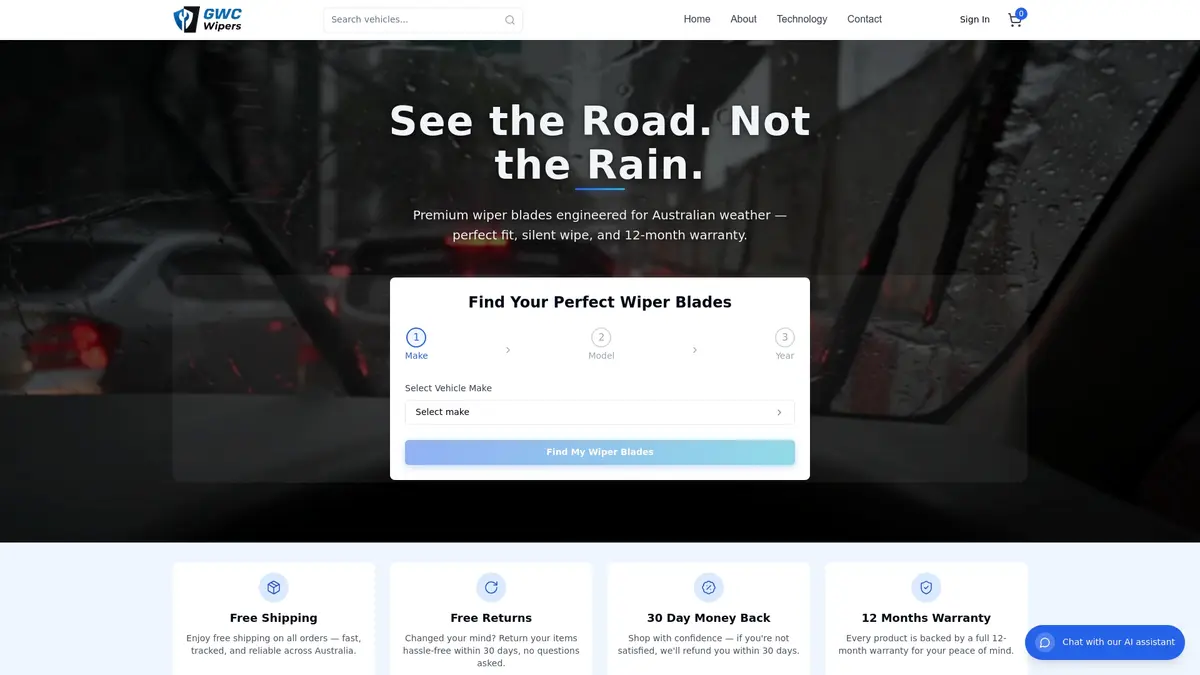
GWC Wipers covers over 2,500 Australian vehicle models, including Toyota, Mercedes-Benz, and Mitsubishi ranges, with free shipping Australia-wide, a 30-day money-back guarantee, and a 12-month warranty. Before you check out, measure both blade lengths and confirm your arm type — the vehicle selector tool on the GWC Wipers site handles the matching for you. Head to gwcwipers.com.au to find the right blade for your vehicle.
Useful sources and further reading
- Wiper Blade Buying Guide: Beam vs Conventional | Windshield Advisor
- Flat vs Conventional Wiper Blades — Which Is Better?
- Beam vs Conventional Wiper Blades: 2026 Comparison
- Beam Wipers vs Conventional Wipers
- What Types of Windshield Wipers Do I Need? - AutoZone
- Understanding wiper blade performance testing for safer driving in 2026 | GWC Wipers
- What is UV-resistant rubber: a complete guide | GWC Wipers
This article provides general information about wiper blade types. For vehicle-specific fitment advice, consult your owner’s manual or a qualified automotive professional.
FAQ
Are flat wiper blades better than conventional ones?
For most modern vehicles with curved windscreens, yes. Flat beam blades deliver even pressure across the full blade length, resist ice build-up, and are quieter at speed, making them the better choice for the majority of Australian drivers.
What is the best type of wiper blade to get?
A beam blade with EPDM or silicone rubber is the best all-round choice for modern vehicles. Silicone lasts longer and adds hydrophobic benefits; EPDM offers a reliable 1–2 year lifespan at a lower price point than silicone.
Are beam-style wiper blades worth the extra cost?
Generally, yes. The higher upfront price is offset by a longer service life and fewer replacements, particularly with silicone rubber. Drivers who prioritise clear visibility and low maintenance will find the premium justified.
What shape of wiper blade works best on curved windscreens?
A beam (flat) blade with a pre-tensioned spring steel spine conforms to curved glass better than any framed design. The continuous contact it provides eliminates the unwiped arcs that framed blades can leave on modern highly curved windscreens.